
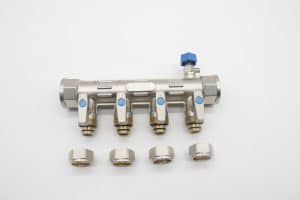
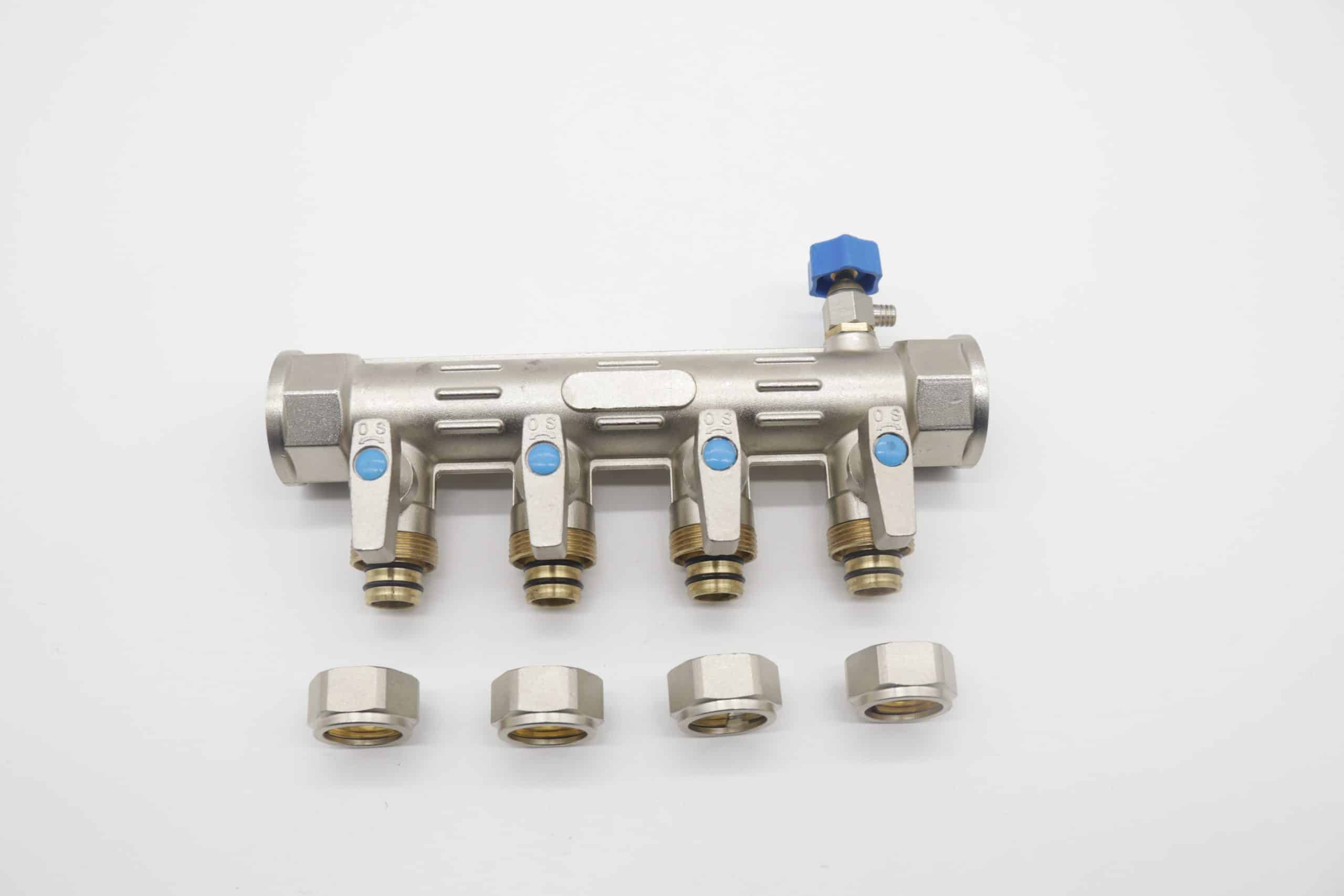
A manifold serves as a central distribution hub in pipeline systems. It splits one input flow into multiple output streams or combines several inputs into a single output. This critical component ensures efficient fluid distribution across complex piping networks.
Primary Functions of Manifolds
Flow Distribution
Manifolds distribute fluids evenly across multiple branches. Each outlet receives consistent pressure and flow rate. This prevents system imbalances that could damage equipment or reduce efficiency.
Pressure Regulation
These systems maintain stable pressure throughout the network. Pressure drops are minimized through strategic design. Multiple connection points reduce stress on individual pipeline sections.
System Control
Manifolds provide centralized control over flow direction. Operators can isolate specific branches for maintenance. Emergency shutoffs become simple and effective.
Types of Manifolds and Their Applications
Supply Manifolds
Supply manifolds deliver fluid from a single source to multiple destinations. HVAC systems use these for heating and cooling distribution. Industrial processes rely on them for chemical delivery.
Return Manifolds
Return manifolds collect fluid from multiple sources into one output. They’re essential in heating systems where coolant returns to the boiler. Chemical plants use them to gather process fluids.
Combination Manifolds
These units handle both supply and return functions. They reduce installation complexity. Space-constrained applications benefit most from this design.
Key Industries Using Manifolds
Oil and Gas
Offshore platforms use manifolds to manage multiple wells. Production manifolds control flow from different sources. Distribution becomes safer and more efficient.
Chemical Processing
Chemical plants require precise flow control. Manifolds ensure proper mixing ratios. Safety systems prevent dangerous cross-contamination.
Sistemas HVAC
Building climate control depends on manifold distribution. Hot and cold water reach every zone efficiently. Energy consumption drops through balanced flow.
Water Treatment
Municipal water systems use large-scale manifolds. Distribution to neighborhoods becomes manageable. Pressure remains consistent across the network.
Design Considerations for Optimal Performance
Selección de materiales
Manifold materials must match the fluid being transported. Corrosive chemicals require specialized alloys. Temperature extremes demand thermal-resistant materials.
Size Calculations
Proper sizing prevents pressure loss and turbulence. Flow velocity must stay within acceptable ranges. Undersized manifolds create bottlenecks.
Valve Integration
Strategic valve placement enables zone control. Ball valves provide reliable shutoff capability. Check valves prevent backflow issues.
Buenas prácticas de instalación
Location Planning
Manifolds need accessible mounting locations. Maintenance requirements drive placement decisions. Thermal expansion must be accommodated.
Support Systems
Proper support prevents stress concentrations. Pipe hangers distribute weight evenly. Vibration dampening extends system life.
Insulation Requirements
Hot fluid manifolds need thermal insulation. Energy efficiency improves significantly. Worker safety increases around high-temperature systems.
Common Manifold Problems and Solutions
Uneven Flow Distribution
Poor design causes flow imbalances. Hydraulic calculations must be verified. Orifice plates can correct minor imbalances.
Pressure Loss
Excessive pressure drops indicate sizing issues. Sharp turns create unnecessary turbulence. Smooth transitions improve performance.
Maintenance Challenges
Complex manifolds complicate servicing. Standardized components simplify repairs. Modular designs allow partial replacement.
Custom Manifold Solutions
Modern industrial applications often require specialized designs. Standard off-the-shelf manifolds may not meet specific requirements. Custom engineering addresses unique challenges.
Design Process
Engineers analyze flow requirements first. Material compatibility gets verified early. 3D modeling prevents installation conflicts.
Manufacturing Considerations
Precision machining ensures proper fit. Quality control prevents field failures. Testing validates performance before delivery.
Benefits of Customization
Custom manifolds optimize system performance. Installation becomes straightforward. Long-term reliability improves significantly.
Maintenance and Troubleshooting
Regular Inspection
Visual inspections catch problems early. Pressure testing verifies system integrity. Cleaning schedules prevent blockages.
Performance Monitoring
Flow meters track distribution accuracy. Pressure gauges indicate system health. Temperature sensors detect thermal issues.
Preventive Maintenance
Scheduled valve cycling prevents seizure. Gasket replacement maintains seals. Cleaning removes accumulated debris.
Future Trends in Manifold Technology
Smart Manifolds
Digital monitoring enhances system control. Real-time data improves decision-making. Predictive maintenance reduces downtime.
Advanced Materials
New alloys resist extreme conditions. Composite materials reduce weight. Coatings extend service life.
Modular Systems
Standardized connections simplify expansion. Component replacement becomes easier. System upgrades require minimal downtime.
Conclusión
Manifolds play a crucial role in modern pipeline systems. They distribute fluids efficiently while maintaining system control. Proper design and installation ensure reliable long-term performance.
Understanding manifold purposes helps in system planning. Whether for industrial processes or building systems, these components provide essential flow management. Professional consultation ensures optimal manifold selection for specific applications.
The right manifold design improves system efficiency and reduces operating costs. Custom solutions address unique requirements that standard products cannot meet. Investing in quality manifolds pays dividends through reliable operation and reduced maintenance needs.









 English
 Español
 Français
 Português do Brasil