
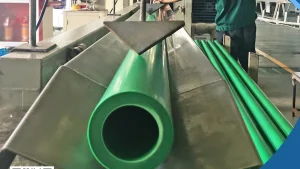
PPI TN-57 recommends testing dissolved copper in existing hot water before adding PP-R to a copper domestic hot-water recirculation system. A partial replacement can enter engineered review only when the retained loop, operating conditions and exact product terms are documented. A transition fitting proves a connection can be made; it gives no system approval. Missing evidence means hold. A confirmed application exclusion means redesign or select another supported system.
This page helps a mechanical designer or purchasing specifier dispose of a proposed submittal before installation. It provides no IFANULTRA approval for domestic hot-water recirculation, abbreviated DHWR. No exact IFANULTRA model/application/warranty document was established for this proposed use.
Key Takeaways
- Identify potable DHWR separately from a closed heating circuit.
- Map retained copper across the shared circulating water path.
- Record chemistry, temperature, actual bores, flows and balancing.
- Use PPI’s copper recommendation as engineering screening, not product acceptance.
- Check dated, exact manufacturer application and warranty terms independently.
- Give every missing input a named hold and a rule for reconsideration.
Watch this introduction to hot-water recirculation systems for system-layout context. The article below addresses the separate review of retained copper, PP-R and exact product terms.
Identify what actually recirculates
Start with the system drawing. Mark the domestic hot-water supply, each circulating branch, the return, pump and heater connections. Mark the point where potable cold water replenishes the system. The review boundary must include the water path through the retained materials, not just the length being replaced.
Potable DHWR and a closed hydronic heating circuit can both contain hot water and a circulating pump. Their water renewal and chemical exposure differ. A heating-loop recommendation therefore cannot clear a potable recirculation proposal. A label reading “hot-water pipe” leaves the service boundary unresolved.
PPI TN-57, reaffirmed in August 2025, bounds its mixed-system concern to particular copper-tube and commercial potable recirculation conditions. It distinguishes cold water and closed hydronic systems, among other services. That distinction narrows this mechanism; each alternative service still needs its own product suitability and design review.
If the submitted drawing combines potable and heating uses, ask the designer to state the actual arrangement and isolation boundaries. Do not declare a loop closed because it is described as a return line. The missing drawing or service description is a hold input with a clear release rule: resubmit a marked system map that identifies the medium and replenishment path.
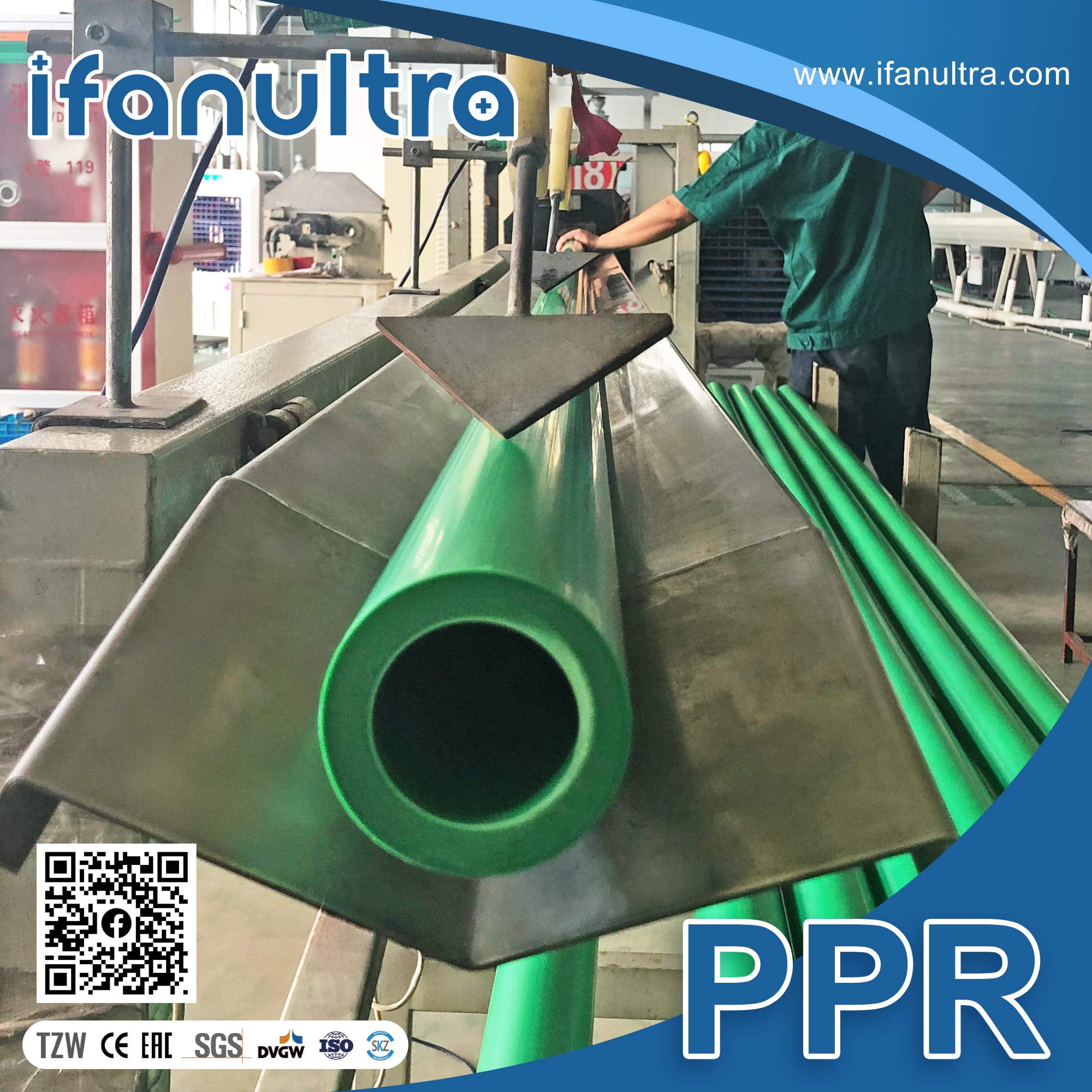
Mark every retained copper-tube segment that shares the circulating water with the proposed PP-R. Include supply risers, return branches and plant connections. A short replacement at the end of a drawing does not remove copper elsewhere in the loop.
The PPI note addresses conditions in which copper release and the hot-water environment can contribute to PP-R degradation. Its discussion brings chemistry, temperature and flow together. A prospective review should use that mechanism to identify missing evidence, rather than diagnose a pipe from its material alone.
Brass and bronze components are not equivalent to a long retained copper-tube network in this particular discussion. Identify them separately on the schedule. Their pressure, temperature and medium compatibility still require verification; the distinction does not approve every valve, transition or gasket.
The existing Bekatherm article on delayed PP-R failures explains the failure mechanism and retrospective evidence. Here the deliverable is different: a proposed partial retrofit must receive a documented disposition before purchasing. A mechanism explanation cannot replace that decision.
Ask which copper components will remain after the works and who is responsible for their condition. If a designer proposes removing all copper tubing, update the boundary drawing and review the remaining components and exact PP-R application. Removing one contributor changes the review; it does not create blanket product or warranty acceptance.
Build an evidence matrix with a consequence for every gap
Attach each record to the proposed operating state after replacement. Historic measurements taken before a pump change or branch alteration may not represent the submitted system. State their date, location and operating condition, and ask the engineer whether they remain representative.
| Required input | What to attach | Missing-input disposition | Reconsideration rule |
|---|---|---|---|
| Service and shared path | Marked supply/return drawing and retained materials | Hold: boundary unclear | Designer confirms complete circulating extent |
| Copper condition | Retained tubing inventory and condition assessment | Hold: retained system unassessed | Engineer accepts assessment or revises removal scope |
| Dissolved copper | Representative hot-water laboratory report and sampling context | Hold: mixed-system screening absent | Engineer assesses results and relevant conditions |
| Water chemistry | Treatment, disinfectant, pH and relevant chemistry records | Hold: exposure unresolved | Document exposure against exact product requirements |
| Temperature profile | Normal, peak and disinfection operating conditions | Hold: actual duty unknown | Check full duty against product and hygiene design |
| Flow and actual bore | Peak/continuous flows and retained copper internal dimensions | Hold: velocity assessment incomplete | Designer checks each relevant segment |
| Pump and balancing | Proposed pump duty and branch-balancing records | Hold: circulation distribution unproven | Resolve branch duties and commissioning verification |
| Exact product terms | Current model/application/warranty documents | Hold: product acceptance unsupported | Manufacturer response covers this submitted application |
For the water test, request a report that identifies dissolved copper and explains the sampling context. A cold inlet sample cannot automatically represent hot water circulating through retained copper. The engineer must select representative locations and operating conditions; this article does not prescribe a laboratory sampling procedure. Preserve the distinction between dissolved and total copper when reviewing reports.
The flow record should distinguish continuous recirculation from draw-off peaks. A pump schedule alone does not establish the velocity in a smaller return or a retained copper branch. Identify actual internal dimensions and the applicable segment flow, then have the designer evaluate the resulting duty. “Same nominal size” can conceal different bores.
Record the temperature profile rather than only the heater setpoint. Normal circulation, short peaks and any intended disinfection cycle may affect the required product check. The designer must reconcile material limits with the project’s hygiene strategy. Reducing a temperature simply to fit one material condition is not a complete system decision.
For balancing, name the records that will verify the revised design. A branch alteration can change where circulation goes even if the pump is retained. Put the commissioning requirement and responsible party in the submittal package. This turns an unverified assumption into a specific condition for acceptance.
A copper number answers only one screening question
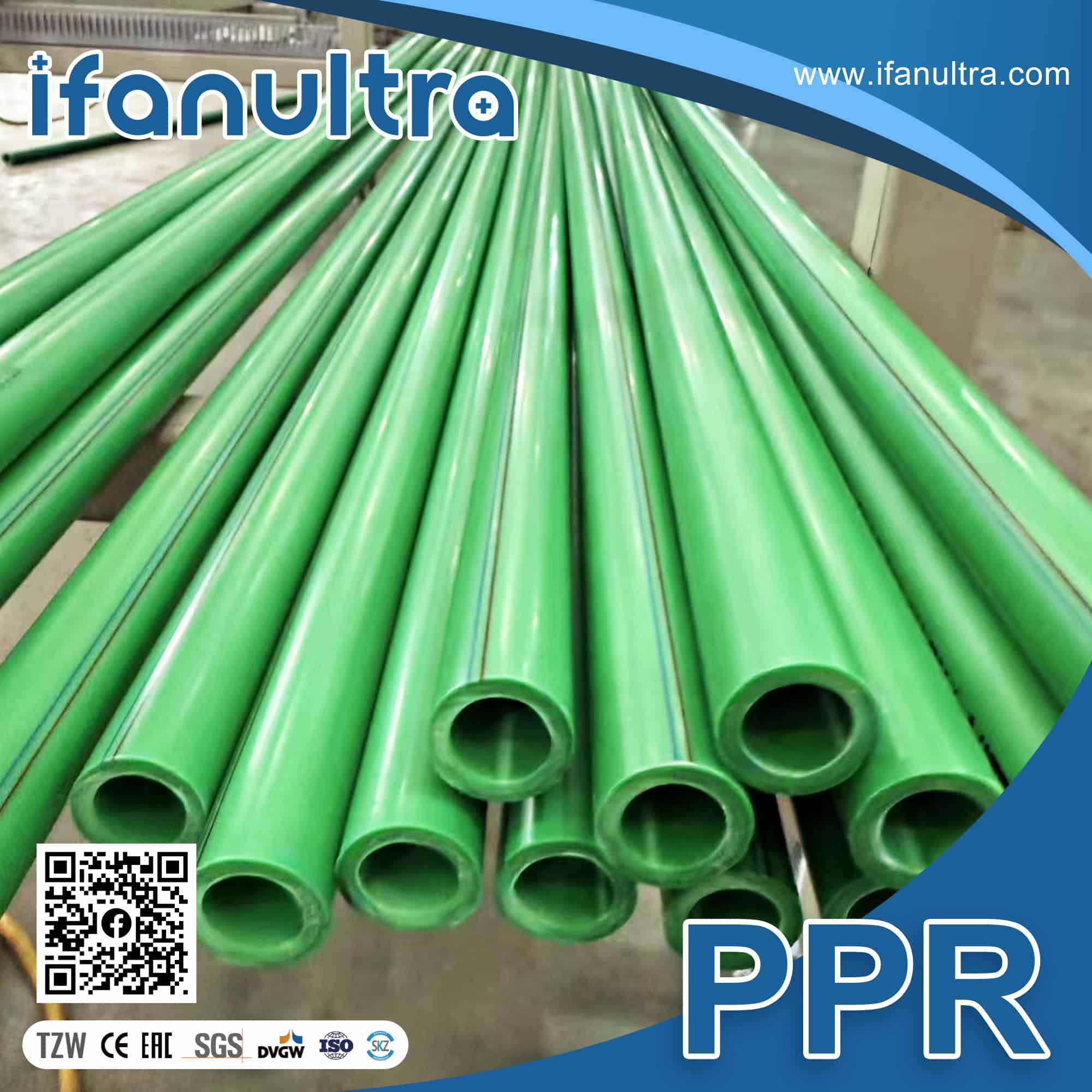
PPI TN-57 recommends that dissolved copper in existing hot water be tested before adding PP-R, with a recommended level no higher than 0.1 mg/L, equivalent to 0.1 ppm. The note also describes limited experience below 0.1 ppm, concern above 0.5 ppm, and dependence on other water conditions in the intervening range. These are engineering observations and recommendations within its scope.
| Dissolved copper (mg/L) | Review meaning | Disposition consequence |
|---|---|---|
| At or below 0.1 | Meets the stated existing-system screening recommendation | Continue other evidence and exact-product review |
| Above 0.1 through 0.5 | Outside recommendation; effects depend on other conditions | Hold; engineer assesses causes and corrective design |
| Above 0.5 | Note identifies potential significant effect | Hold; evaluate correction or retained-copper replacement |
| Unknown or unrepresentative | No supported screening result | Hold for suitable evidence |
The middle band is not a permitted operating range for every PP-R product. A result outside the recommendation needs engineering assessment even if another source quotes a larger number. Equally, a low result does not overcome an application exclusion or prove future exposure will remain unchanged.
Keep three decisions in separate columns of the submittal: engineering compatibility, drinking-water compliance and product terms. A statutory drinking-water copper requirement serves a different purpose and jurisdiction. This page quotes no regulatory action level. The responsible project team must verify the applicable current drinking-water requirements separately.
State how treatment or operation changes will be handled after acceptance. A supported condition at review time can change when water treatment, pump settings or branch arrangements change. The accepted design should identify which changes require reassessment and who owns that decision.
Manufacturer terms can send the same proposal down different branches
A generic PP-R or PP-RCT designation cannot answer the warranty question. The product, service, installation date and applicable territory matter. Preserve the actual document and revision used for the project, then confirm its current applicability with the manufacturer.
| Source | Documented position | Submittal consequence |
|---|---|---|
| Aquatherm, June 2025 guide | No warranty for DHWR installations after January 1, 2025 | Do not claim warranty from a low copper test |
| Wavin, August 2023 USA manual | Conditional mixed-material guidance; copper-caused damage has warranty consequences | Assess stated conditions and obtain current exact terms |
| Proposed IFANULTRA product | No exact DHWR application/warranty document established here | Hold affirmative acceptance pending applicable manufacturer evidence |
The Aquatherm June 2025 Design and Planning Guide states a DHWR warranty exclusion for installations after January 1, 2025. That is a brand-specific term. It must not be transferred to IFANULTRA, nor treated as merely a copper concentration condition that a test result can remove.
The Wavin August 2023 USA technical manual discusses limited retained copper and conditions that avoid its degradation. It also states warranty consequences for damage caused by copper released through degradation. This retrieved guidance supports a conditional evidence request, not a current approval of an unnamed product or territory.
For IFANULTRA, identify the exact proposed model through the PP-R product series and request the applicable documents. The category identifies a commercial next step. General catalogue hot-water claims, a transition fitting or another manufacturer’s manual cannot supply the missing DHWR application and warranty response.
Dispose of the submittal: review, hold or redesign
Proceed to engineered review when the boundary, retained-copper assessment, representative measurements, proposed duty and exact product terms are all available and no identified condition excludes the proposal. This branch submits evidence for acceptance; it does not declare acceptance on the reader’s behalf.
Hold when a named material input is missing or an adverse condition remains unresolved. Record the missing item, its owner and the criterion for reconsideration. Redesign when a confirmed exclusion prevents the proposed arrangement from meeting the project requirements. The engineer may examine a different supported material system or removal of retained copper, with a new full-system check.
Consider an illustrative proposal to replace one circulating return branch with PP-R while retaining copper supply risers. The package includes a transition detail, heater setpoint and pipe catalogue. It omits hot-water dissolved-copper evidence, retained copper bore/flow information and exact DHWR product terms. The result is hold, with three separate requests: representative chemistry review, segment-duty assessment and an applicable manufacturer response. Finding one missing record does not release the other holds.
Now change the product condition: the proposed product has an applicable warranty exclusion and the project requires warranty coverage for DHWR. The result becomes redesign or select another supported product/system. Even a favourable copper report cannot satisfy the unmet warranty requirement. Conversely, a product with applicable terms still needs the retained-loop evidence; changing the brand does not clear that engineering hold.
Write the final disposition on the revised submittal and attach its basis. An accepted transition drawing, a hydraulic calculation and a product response should refer to the same revised system. If the retained-copper scope changes, repeat the relevant checks before procurement.
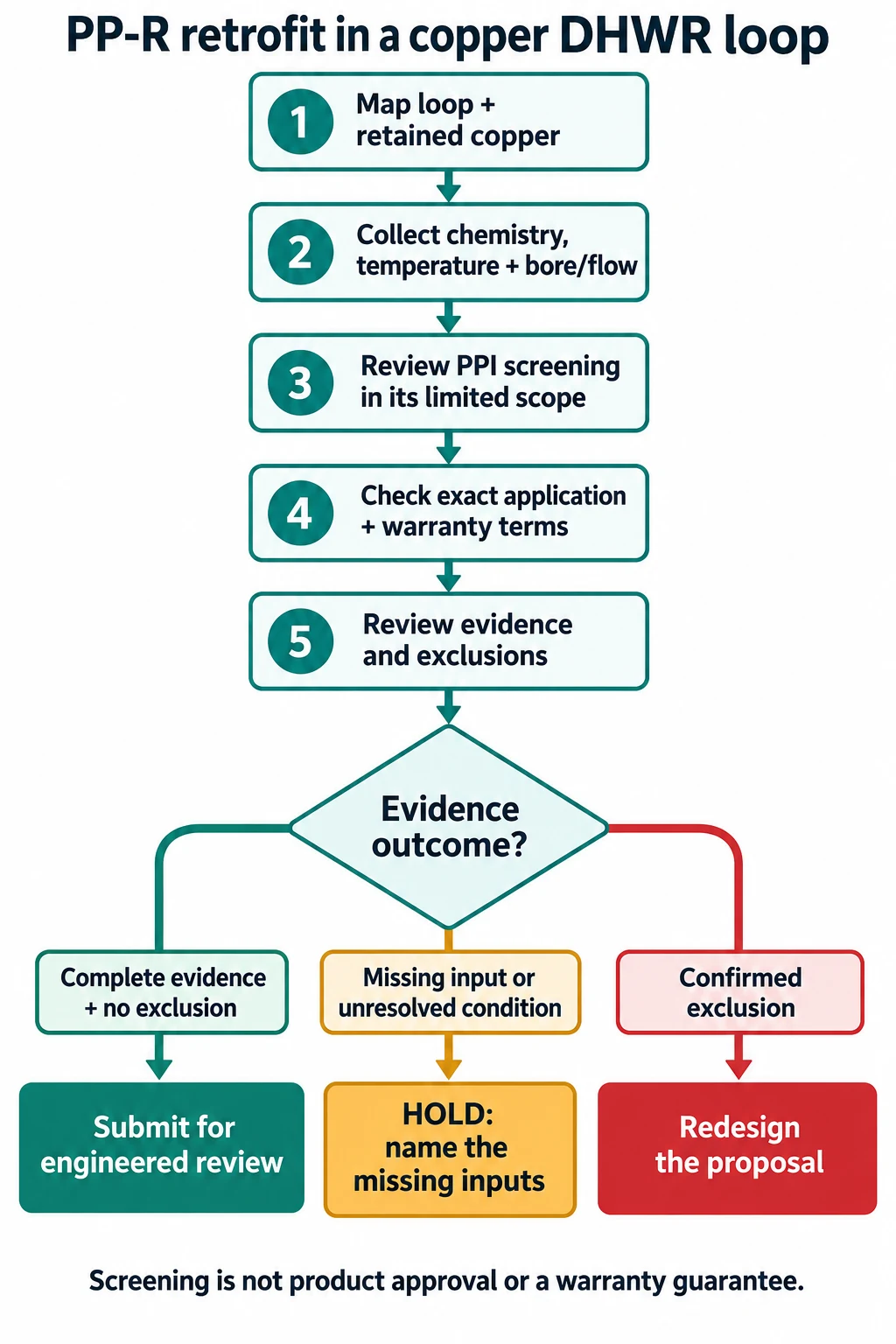
- Map loop + retained copper
- Collect chemistry, temperature + bore/flow
- Review PPI screening in its limited scope
- Check exact application + warranty terms
- Review evidence and exclusions
Conclusión
The principal purchasing risk is accepting a replacement length while the retained loop and product conditions remain unresolved. Use the matrix to expose those gaps before a pipe order. Where no applicable IFANULTRA DHWR document is available, the affirmative product decision remains on hold.
Request the exact product’s DHWR application and warranty documents. Send the marked loop drawing, retained materials, proposed duty and project requirements. A technical response must cover the actual proposal before it can support acceptance.
PREGUNTAS FRECUENTES
Does a copper-to-PP-R fitting approve the retrofit?
No. It addresses the connection. The circulating system, water conditions, operating duty and exact product application and warranty terms still require review.
Does a result below 0.1 ppm guarantee acceptance?
No. PPI’s recommendation is one engineering screen. It cannot resolve missing hydraulic evidence, an application exclusion or a warranty requirement.
Is a closed heating loop assessed the same way?
No. Identify the actual medium and replenishment path. PPI distinguishes closed hydronic service from this mixed potable DHWR concern; the alternative still requires its own product and design checks.
What should happen when the manufacturer’s DHWR terms are missing?
Hold affirmative product acceptance. Request current documents covering the exact product, service, territory and project duty, then reconsider the proposal alongside the remaining system evidence.









 English
 Español
 Français
 Português do Brasil