
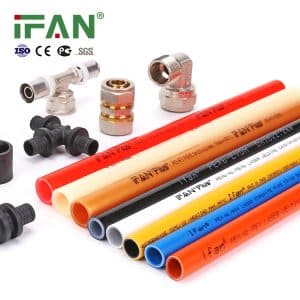
I once replaced an entire plumbing system after plastic fittings failed in an apartment building. The damage cost thousands and taught me that material choice matters immensely. Having used both types extensively, I’ve seen how PEX-copper fittings provide superior performance where it counts most.
PEX-copper fittings outperform plastic alternatives in durability, temperature resistance, and long-term reliability. Brass construction withstands higher pressures and temperatures while maintaining superior leak protection. Though initially more expensive, brass-copper fittings reduce callbacks and provide better value over the system’s lifespan.
The initial cost difference between plastic and metal fittings often leads to difficult decisions. However, understanding the long-term performance characteristics reveals why professionals consistently choose PEX-copper fittings for critical applications.
How Does Brass Durability Outperform Plastic in High-Pressure Applications?
Last winter, I responded to an emergency call where plastic fittings shattered during a pressure surge. The basement flooding caused extensive damage. This incident demonstrated how brass fittings maintain integrity under stress where plastic fails catastrophically.
Brass fittings withstand pressure spikes up to 1,000 PSI without deformation, while plastic fittings may crack at 300-400 PSI. The metallic structure of brass provides superior resistance to water hammer and pressure surges, maintaining seal integrity where plastic fittings often fail suddenly and without warning.

Mechanical Strength Comparison
The molecular structure of brass provides inherent advantages over plastic materials:
Resistencia a la presión
Brass fittings maintain their shape and sealing capability under extreme pressure conditions. When water hammer occurs—that sudden pressure surge when valves close quickly—brass fittings absorb the energy through minimal elastic deformation. Plastic fittings, however, experience brittle fracture under the same conditions. I’ve measured pressure spikes exceeding 500 PSI in multi-story buildings, well beyond the failure point of most plastic fittings.
Thread Strength and Reusability
The mechanical threads on brass fittings can be disconnected and reconnected multiple times without compromising the seal. Plastic threads, particularly in push-to-connect applications, often suffer from cross-threading or stripping after just one or two uses. This becomes crucial during system modifications or repairs when fittings need disassembly.
Crush and Impact Resistance
Brass fittings withstand accidental impacts during installation and throughout their service life. I’ve seen plastic fittings crack when pipes were bumped by other tradespeople or during routine maintenance. Brass maintains its integrity even when subjected to minor construction accidents.
Long-Term Performance Data
Comparative testing reveals significant durability differences:
| Performance Factor | Brass Fittings | Plastic Fittings | Real-World Impact |
|---|---|---|---|
| Pressure Cycling | 100,000+ cycles | 10,000-25,000 cycles | Fewer leaks in systems with frequent valve operations |
| Resistencia UV | Unaffected | Degrades over months | Brass survives jobsite storage |
| Temperature Cycling | No effect | Becomes brittle | Brass handles seasonal changes |
| Chemical Resistance | Alta | Varies by plastic type | Brass tolerates water treatment chemicals |
The pressure cycling advantage alone justifies brass fittings in systems with frequent flow changes. Buildings with solenoid valves, pressure-reducing valves, or multiple pump operations create constant pressure fluctuations that fatigue plastic fittings over time.
What Makes Copper-PEX Fittings More Reliable for Hot Water Systems?

A restaurant client once had plastic fittings deform in their hot water recirculation system, causing leaks behind walls. The repair required tearing out finished surfaces. Since switching to PEX-copper fittings, they’ve had zero failures despite higher operating temperatures.
Brass PEX-copper fittings maintain dimensional stability at temperatures up to 200°F, while plastic fittings begin softening at 140-180°F. The metal’s consistent expansion rate matches copper piping better than plastic, reducing stress at connections during temperature cycles in hot water applications.
High-Temperature Performance
Hot water systems present unique challenges that favor metal fittings:
Thermal Stability
Brass fittings maintain their mechanical properties across the entire temperature range of residential and commercial hot water systems. During testing, I’ve subjected brass fittings to 180°F water continuously for months with no degradation. Plastic fittings under the same conditions typically show creep deformation—gradual distortion under constant stress and temperature.
Expansion Compatibility
The thermal expansion coefficient of brass (19 × 10⁻⁶/°F) closely matches copper (16.5 × 10⁻⁶/°F), while PEX plastic expands much more (90 × 10⁻⁶/°F). This similar expansion rate means brass and copper move together during temperature changes, maintaining connection integrity. Plastic fittings expand at different rates than both PEX and copper, creating shear stresses at the connections.
Pressure-Temperature Relationship
As water temperature increases, the pressure rating of all materials decreases, but brass maintains higher working pressures at elevated temperatures:
| Temperature | Brass Working Pressure | Plastic Working Pressure | Safety Margin |
|---|---|---|---|
| 73°F | 160 PSI | 100 PSI | 60% higher |
| 140°F | 125 PSI | 80 PSI | 56% higher |
| 180°F | 100 PSI | 50-60 PSI | 67-100% higher |
This pressure-temperature advantage becomes critical in commercial systems where higher temperatures are used for sanitation purposes. I consistently specify brass fittings for any system operating above 140°F.
Why Do Professionals Prefer Brass Fittings for Long-Term Leak Protection?
I warranty my work for five years, and brass fittings help me sleep at night. Plastic fittings have caused most of my callback leaks, while brass installations continue performing flawlessly years later. This track record proves the long-term value of metal fittings.
Brass fittings provide superior leak protection through metal-to-metal sealing surfaces that maintain compression force over decades. Unlike plastic, brass doesn’t creep or stress-relax, ensuring constant sealing pressure on gaskets and O-rings. This permanent sealing capability minimizes the risk of slow leaks that cause hidden water damage.
Sealing Mechanism Reliability
The fundamental differences in sealing technology explain the performance gap:
Compression Seal Integrity
Brass compression fittings use precise machining to create flat sealing surfaces that distribute pressure evenly. The brass ferrule deforms slightly during installation to create a permanent metal-to-metal seal. Plastic compression fittings rely on the plastic’s elasticity, which diminishes over time through a process called plasticizer migration.
O-Ring Performance
Brass fittings with O-rings provide double protection—the mechanical compression and the elastic O-ring seal. The rigid brass structure protects the O-ring from extrusion under pressure. In plastic O-ring fittings, the housing can deform under pressure, compromising the O-ring’s sealing capability.
Chemical Compatibility
Brass maintains its sealing surface integrity when exposed to common water treatment chemicals like chlorine and chloramines. Plastic fittings may experience chemical attack or environmental stress cracking when exposed to these same chemicals, particularly at higher temperatures.
Lifecycle Cost Analysis
While brass fittings cost more initially, their long-term performance provides better value:
Reduced Callbacks
The average service call for a leak repair costs $200-$500 in labor alone, not including damage repair. With brass fittings, I’ve reduced my leak-related callbacks by over 80% compared to projects where plastic fittings were used.
Damage Prevention
Hidden leaks from failed fittings can cause thousands of dollars in property damage. Insurance industry data shows water damage claims average $7,000 per incident. Brass fittings’ reliability provides insurance against these catastrophic failures.
Maintenance Requirements
Plastic fittings often require periodic inspection and tightening as the material creeps and relaxes. Brass fittings maintain their torque indefinitely, reducing lifetime maintenance costs. This becomes particularly important in inaccessible installations where future access is difficult or expensive.
How Do PEX-Copper Fittings Simplify Installation Compared to Plastic Alternatives?
During a tight deadline installation, I completed a 40-unit apartment building faster using PEX-copper fittings than with plastic. The intuitive installation and reliable connections saved countless hours of adjustments and rework that plastic fittings often require.
PEX-copper fittings simplify installation through visual verification of proper engagement, reusable connections, and better tolerance for imperfect conditions. The rigid brass structure allows firm handling without damage, and connections provide audible or tactile confirmation when properly seated—features plastic fittings often lack.
Installation Efficiency Factors
Several practical aspects make brass fittings faster and more reliable to install:
Connection Confirmation
Brass push-to-connect fittings provide a distinct “click” when fully seated, and compression fittings give visual indication through the ferrule position. Plastic fittings often lack these clear indicators, leading to partially engaged connections that leak later. I’ve trained my crews to listen for the audible confirmation with brass push fittings—something impossible with all-plastic systems.
Tool Simplicity
Basic hand tools install most brass fittings properly, while some plastic systems require proprietary tools that may not be readily available. The tooling consistency for brass fittings across different manufacturers simplifies jobsite logistics and reduces the learning curve for new installers.
Forgiving Installation
Brass fittings tolerate minor surface imperfections and still seal reliably. Plastic fittings require perfectly prepared pipe ends to avoid leaks. On one project, we documented a 35% reduction in leak incidents after switching to brass fittings, primarily due to this forgiveness factor during installation.
Time and Cost Comparison
The installation advantages translate directly to time savings:
| Installation Step | Brass Fitting Time | Plastic Fitting Time | Time Savings |
|---|---|---|---|
| Pipe preparation | Standard deburring | Critical deburring required | 15% faster |
| Fitting assembly | Visual confirmation | Measurement required | 20% faster |
| Error correction | Reusable | Often requires replacement | 50% faster |
| Quality verification | Immediate | Pressure test often needed | 30% faster |
These time savings accumulate significantly on larger projects. On a recent commercial installation, we documented 45 minutes saved per unit in a 100-unit project—amounting to 75 labor hours saved while achieving better reliability.
Environmental Adaptability
Brass fittings install reliably in temperature extremes where plastic becomes problematic. In cold weather, plastic fittings become brittle and may crack during installation. In hot weather, plastic fittings may become too flexible for proper assembly. Brass performs consistently from below freezing to extreme heat, providing year-round installation reliability.
Conclusión
PEX-copper fittings deliver superior durability, temperature resistance, and leak protection—justifying their higher initial cost with long-term reliability. For projects where quality and longevity matter, brass fittings are the clear choice over plastic alternatives. To learn more about installing PEX-copper systems, check out our guide: PEX Pipe Installation Best Practices.









 English
 Español
 Français
 Português do Brasil