
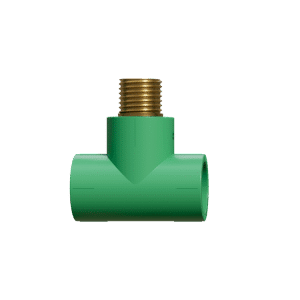
PPR male tees are critical components in modern plumbing systems. Finding the right supplier can make or break your project’s success. This guide reveals exactly what to look for when sourcing premium PPR male tees.
Understanding PPR Male Tee Quality Standards
High-quality PPR male tees must meet strict manufacturing criteria. The best fittings use virgin PPR-R material with consistent molecular structure. This ensures long-term durability and chemical resistance.
Temperature resistance is non-negotiable. Premium PPR male tees handle temperatures up to 95°C continuously. They maintain structural integrity under pressure variations. Look for products certified to ISO 15874 standards.
Wall thickness uniformity indicates superior manufacturing. Quality control during production prevents weak spots. Professional manufacturers maintain tight tolerances across all dimensions.
Key Specifications for PPR Male Tee Procurement
Material Composition Requirements
Virgin polypropylene random copolymer delivers optimal performance. Recycled materials compromise long-term reliability. Verify your supplier uses only virgin PPR-R resin.
UV stabilizers protect against degradation. Quality manufacturers add appropriate additives during production. This prevents brittleness in exposed installations.
Dimensional Accuracy Standards
Thread specifications must match international standards. ISO 228 and DIN 8063 compliance ensures proper connections. Verify thread pitch and diameter accuracy before bulk ordering.
Socket depths require precise manufacturing. Insufficient depth creates weak joints. Excessive depth wastes material and increases costs.
Evaluating PPR Male Tee Manufacturers
Production Capacity Assessment
Established factories maintain consistent quality across large orders. Small workshops often lack quality control systems. Verify your supplier’s daily production capacity.
Automated production lines reduce human error. Manual assembly increases defect rates. Advanced manufacturers use injection molding with computerized controls.
Quality Certification Verification
ISO 9001 certification demonstrates quality management commitment. CE marking ensures European market compliance. NSF certification validates potable water safety.
Third-party testing provides independent quality verification. Request test certificates for mechanical properties. Hydrostatic pressure testing results confirm structural integrity.
Technical Testing Requirements
Pressure Testing Protocols
Hydrostatic testing reveals structural weaknesses. Quality PPR male tees withstand 2.5 times working pressure. Testing duration should extend 1000 hours minimum.
Burst pressure testing determines ultimate strength. Premium fittings exceed 8 times nominal pressure. This safety margin ensures reliable performance under stress.
Chemical Compatibility Assessment
PPR material resists most chemicals naturally. However, specific applications require additional testing. Verify compatibility with your intended media.
Chlorine resistance matters for water systems. Long-term exposure can degrade inferior materials. Quality manufacturers provide chemical resistance data.

Sourcing Strategies for PPR Male Tees
Direct Factory Partnerships
Working directly with manufacturers eliminates middleman markups. Factory partnerships enable custom specifications. Direct relationships improve quality control oversight.
Chinese manufacturers offer competitive pricing with quality products. Established suppliers like Yifan Pipeline provide comprehensive product ranges. Their engineering teams support custom applications.
Supplier Evaluation Criteria
Production history indicates reliability. Suppliers with 10+ years experience understand market requirements. They’ve refined processes through continuous improvement.
Customer references provide insight into supplier performance. Request contact information for similar projects. Previous customer feedback reveals potential issues.
Cost Optimization Without Quality Compromise
Volume Pricing Strategies
Larger orders typically reduce per-unit costs. However, inventory carrying costs must be considered. Calculate optimal order quantities based on usage patterns.
Annual contracts often secure better pricing. Suppliers prefer predictable demand. Long-term agreements benefit both parties.
Total Cost of Ownership Analysis
Initial purchase price represents only part of total costs. Factor in shipping, handling, and inventory costs. Quality issues create expensive delays and rework.
Premium fittings reduce maintenance requirements. Lower-grade products may require frequent replacement. Calculate lifecycle costs for accurate comparisons.
Quality Assurance Best Practices
Incoming Inspection Procedures
Visual inspection catches obvious defects. Check for cracks, voids, or discoloration. Proper packaging protects products during shipping.
Dimensional verification ensures compatibility. Use calibrated gauges for critical measurements. Random sampling provides statistical quality control.
Performance Validation Testing
Install sample fittings in test systems. Monitor performance under actual conditions. Document any issues or unexpected behavior.
Pressure testing validates manufacturer claims. Use certified pressure testing equipment. Follow established testing protocols for consistent results.
Installation Considerations for PPR Male Tees
Proper Installation Techniques
Heat fusion creates permanent, leak-proof joints. Proper temperature control ensures strong bonds. Training installers prevents costly mistakes.
Pipe preparation affects joint quality. Clean cuts and proper heating are essential. Surface contamination causes joint failures.
Common Installation Mistakes
Overheating weakens PPR material structure. Insufficient heating creates weak joints. Temperature monitoring prevents both problems.
Misalignment causes stress concentrations. Forced assembly damages fitting integrity. Proper planning prevents alignment issues.
Maintenance and Longevity Factors
Service Life Expectations
Quality PPR male tees last 50+ years in normal service. Proper installation maximizes service life. Regular system maintenance prevents premature failures.
Operating conditions affect longevity. Higher temperatures reduce service life. Pressure cycling causes fatigue over time.
Preventive Maintenance Guidelines
Regular pressure testing identifies developing problems. Visual inspections catch external damage. Documentation tracks system performance trends.
Water quality affects system longevity. Aggressive water requires special considerations. Proper filtration protects system components.
Conclusión
Successful PPR male tee procurement requires careful supplier evaluation. Focus on quality certifications and manufacturing capabilities. Direct factory relationships provide the best value.
Partner with established manufacturers for consistent results. Their engineering support ensures proper application. Quality products reduce total ownership costs.
Ready to source premium PPR male tees? Contact experienced manufacturers who understand your requirements. Professional suppliers provide technical support throughout your project lifecycle.









 English
 Español
 Français
 Português do Brasil