
I remember watching a project manager’s face fall when a ‘cheap’ pipe system failed after just five years, costing ten times its initial price to fix. That moment taught me the real price of a pipe isn’t on the invoice.
The choice of pipe material directly dictates the total lifecycle cost by balancing initial capital expenditure against decades of operational, maintenance, and potential failure costs. A material with a higher upfront price often delivers a far lower total cost of ownership through superior durability and minimal upkeep.
This isn’t just theory. It’s a financial calculation that can make or break a project’s long-term budget. Let’s move beyond the sticker shock and break down how your material choice echoes through the entire lifespan of a piping system, from purchase to replacement.
What are the main types of pipe materials available?
Walking into a supplier’s yard can be overwhelming. You’re faced with a maze of options, each promising to be the best. I learned to categorize them not by brand, but by their core family.
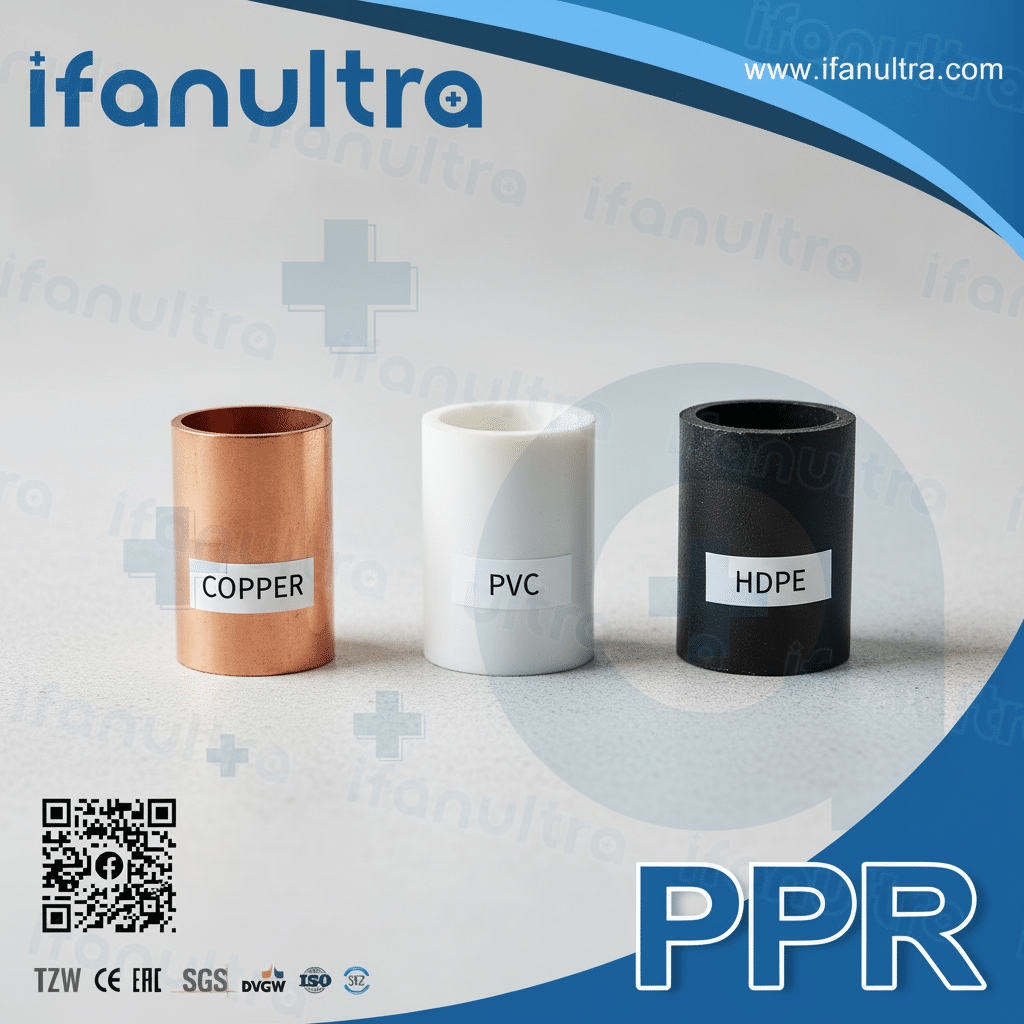
The main pipe material families are metals (like carbon steel, stainless steel, copper, ductile iron), plastics (including PVC, CPVC, HDPE, and PEX), and composites (such as fiberglass-reinforced epoxy). Each family offers distinct properties for strength, corrosion resistance, flexibility, and cost.
Understanding these families is the first step to making an intelligent choice. It’s not about finding a ‘perfect’ pipe, but about matching the right material’s inherent strengths to your project’s specific demands. Let’s dive deeper into what defines each group.
Metal Pipes: The Traditional Workhorses
Metals have been the backbone of piping for over a century. Their key advantage is mechanical strength and tolerance for high temperatures and pressures. Carbon steel is incredibly strong and common for industrial and large-diameter municipal water mains, but it rusts easily without protection. Stainless steel adds chromium for excellent corrosion resistance, making it a staple for chemical plants, food processing, and coastal applications, though at a significant premium. Copper is a classic for domestic potable water and HVAC lines due to its natural bacteriostatic properties and longevity, but its price is volatile. Ductile iron, an evolution of cast iron, offers great strength and impact resistance for sewer and water distribution, often protected with cement or epoxy linings.
Plastic Pipes: The Modern Challengers
Plastics have revolutionized piping with their light weight, corrosion immunity, and ease of installation. PVC (Polyvinyl Chloride) and CPVC (Chlorinated Polyvinyl Chloride) are rigid, low-cost, and excellent for cold water and drainage, with CPVC handling hotter fluids. HDPE (High-Density Polyethylene) is flexible, allowing for trenchless installation, and is exceptionally tough and chemical-resistant, ideal for gas distribution, mining slurry lines, and water mains. PEX (Cross-linked Polyethylene) has dominated the residential plumbing market for its flexibility, which allows for long, continuous runs with fewer fittings and joints, reducing leak points.
Composite Pipes: Engineered Solutions
Composites aim to combine the best of multiple worlds. A prime example is FRP (Fiberglass-Reinforced Plastic) or GRE (Glass Reinforced Epoxy). These pipes offer corrosion resistance rivaling plastics with a strength-to-weight ratio superior to many metals. They are often the go-to choice for highly corrosive environments in chemical processing, seawater intake, and offshore oil & gas. Their cost is high, but they eliminate the need for linings and cathodic protection required for metals in harsh conditions.
| Material Family | Common Examples | Key Strengths | Typical Primary Applications |
|---|---|---|---|
| Metal | Carbon Steel, Stainless Steel, Copper, Ductile Iron | High Strength, Heat Tolerance, Long History of Use | High-Pressure Mains, Industrial Process, Heating Systems, Potable Water |
| Plastic | PVC, HDPE, PEX | Corrosion Proof, Lightweight, Low Installation Cost | Drainage, Gas Distribution, Residential Plumbing, Water Service Lines |
| Composite | FRP (Fiberglass), GRE | High Corrosion Resistance, Good Strength-to-Weight Ratio | Chemical Plants, Seawater Pipelines, Highly Corrosive Effluent |
How do material costs differ between initial purchase and installation?
I once budgeted a project based solely on pipe price per foot. The installation bill was a brutal wake-up call. The cheapest pipe on paper can become the most expensive in the ground.
Initial purchase cost is just one component. Total installed cost includes labor, equipment, joining methods, and site preparation. Lightweight plastics like HDPE or PEX often have lower installation costs due to faster, simpler joining techniques, offsetting a potentially higher material price.
The true ‘cost to have it operational’ is hidden in the details of how pipes get connected and placed. A material that saves two days of labor for a crew of five can save thousands, even if the pipe itself costs more. Let’s examine the factors that turn a material price into an installed price.
The Labor Factor: Time is Money
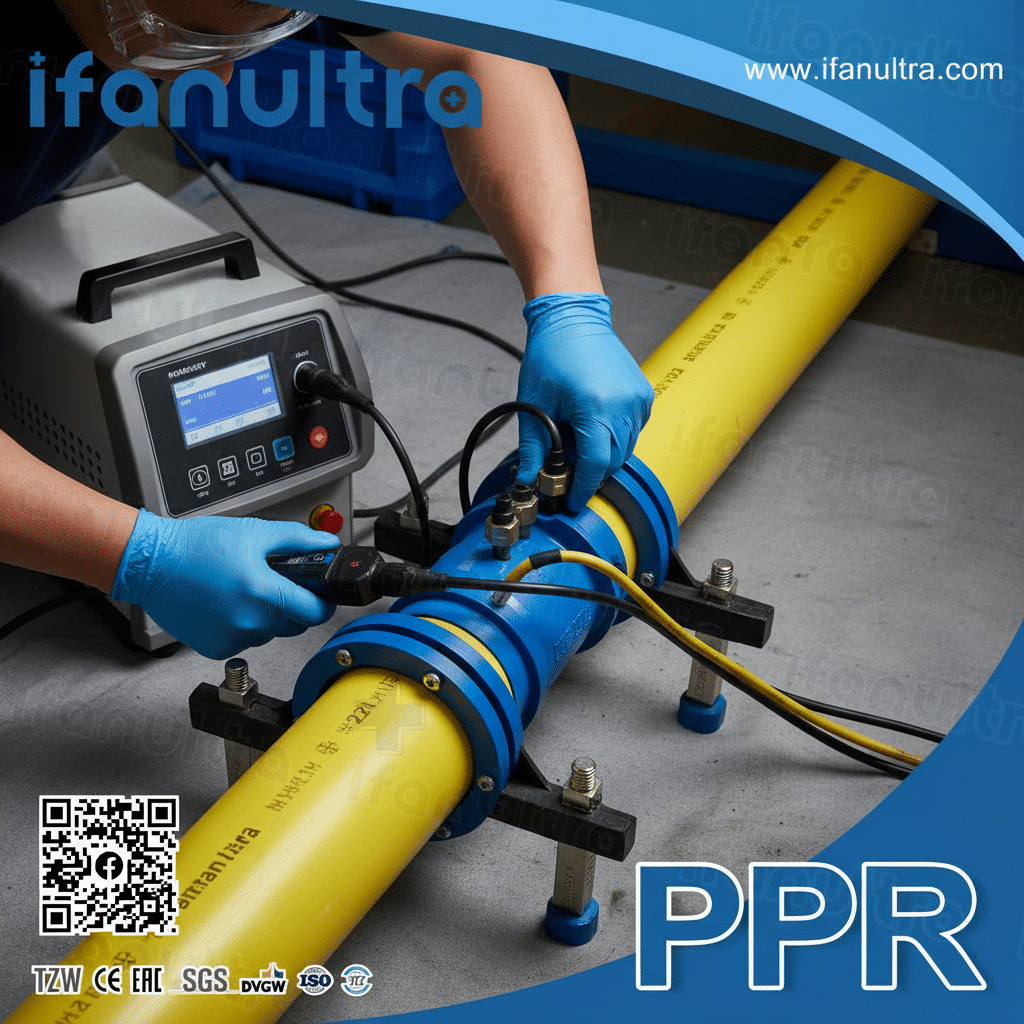
This is the biggest variable. Joining metal pipes typically requires skilled welders or threaders. Welding steel is a slow, meticulous process needing qualified personnel, specialized equipment, and often post-weld inspections. In contrast, solvent welding PVC or using push-fit fittings on PEX is dramatically faster and can be done by less specialized labor. The difference in man-hours per joint is massive. For HDPE, the fusion welding process is relatively quick and creates a monolithic, leak-free joint stronger than the pipe itself, but it requires specific fusion machines.
Equipment and Specialized Needs
Each material demands specific tools. Steel needs welding rigs, threading machines, and heavy lifting equipment. Ductile iron needs large torque wrenches for bolted gland joints. HDPE needs fusion welders and rollers. PEX needs an expansion tool or crimp rings. Renting or purchasing this equipment adds cost. Furthermore, some materials are easier to handle. A 20-foot length of 8-inch HDPE can be maneuvered by two people, while its steel equivalent needs a crane. This affects equipment rental time and site accessibility.
Site Preparation and Logistics
Heavier materials like steel and ductile iron require more robust trench shoring and bedding. They often need sand or fine-gravel bedding to prevent point loading and damage. Plastics, being more flexible, can sometimes use native soil for bedding. The weight also impacts transportation costs. You can fit more linear feet of plastic pipe on a truck than metal pipe. Additionally, the ability of plastics like HDPE to be supplied in long coils (for smaller diameters) reduces the number of joints needed in the trench, which is a huge installation time-saver.
| Material | Typical Joining Method | Labor Skill Level Required | Key Installation Equipment | Relative Installation Speed |
|---|---|---|---|---|
| Carbon Steel | Welding, Threading | High (Certified Welders) | Welding Rigs, Threaders, Cranes | Slow |
| PVC | Solvent Cement, Gaskets | Low to Moderate | Primer, Cement, Saws | Fast |
| HDPE | Butt or Electrofusion | Moderate (Trained Operators) | Fusion Machine, Rollers | Moderate to Fast |
| PEX | Crimp, Clamp, or Expansion Fittings | Bajo | Crimping/Expansion Tool, Cutters | Very Fast |
| Ductile Iron | Bolted Gasket (Push-on) | Moderate | Large Wrenches, Lifting Equipment | Moderate |
What are the long-term maintenance costs for different pipe materials?
After the ribbon-cutting, the real financial relationship with your pipe begins. I’ve seen maintenance budgets drained by systems that seemed fine on day one but demanded constant attention.
Long-term maintenance costs are dominated by corrosion control, leak repairs, and flow efficiency upkeep. Metals often require ongoing investments in cathodic protection, coatings, and inspections. Plastics and composites generally have near-zero corrosion maintenance but can be susceptible to UV degradation or mechanical damage.
Thinking in 10 or 20-year cycles is essential. A pipe that never leaks or corrodes might have a higher ticket price but can save a fortune in avoided downtime, repair crews, and water loss. Let’s unpack the recurring costs that keep a piping system alive.
The Corrosion Battle (Especially for Metals)
For buried steel and ductile iron pipes, corrosion is the primary enemy. This isn’t a one-time fix. It requires a continuous protection system. Cathodic protection (CP) involves installing sacrificial anodes or using impressed current to counteract the electrochemical corrosion process. These systems need regular monitoring, testing, and eventual anode replacement. The pipe’s external coating must also be inspected and repaired if damaged during backfill or nearby excavation. For internal corrosion, linings like cement mortar (for ductile iron) or epoxy (for steel) can wear or degrade, potentially requiring re-lining, a costly and disruptive process.
Leak Repairs and Joint Integrity
The weakest points in any system are the joints. Traditional bell-and-spigot joints with gaskets can fail over time due to ground movement or gasket degradation. Welded steel joints are generally strong but can suffer from weld defects or stress corrosion cracking. Plastic systems fused together (like HDPE) create monolithic joints, making leaks at those points extremely rare. However, plastic systems using mechanical fittings (like some PEX installations) rely on the integrity of seals and rings, which can fail. The frequency and cost of locating and repairing leaks is a major maintenance line item.
Operational Efficiency and Cleaning
Over time, all pipes can lose flow capacity. Metal pipes corrode internally, creating tuberculation (rust nodules) that dramatically increase roughness and reduce diameter. This increases pumping costs and reduces pressure. Cleaning methods like pigging or scraping are required, which is an operational expense and causes downtime. Plastic and lined pipes maintain a smooth interior ‘Hazen-Williams C Factor’ for decades, minimizing pumping energy costs. However, some plastics can be more susceptible to biofilm growth in certain conditions, which may require flushing or treatment.
| Material | Primary Maintenance Concerns | Typical Maintenance Activities | Frequency of Major Intervention |
|---|---|---|---|
| Carbon Steel (Bare) | External/Internal Corrosion, Leaks at Joints | Cathodic Protection Monitoring/Repair, Coating Repair, Leak Detection/Repair | High (Ongoing, Major rehab every 20-30 yrs) |
| Ductile Iron (Cement Lined) | External Corrosion, Lining Degradation, Joint Leaks | Cathodic Protection, Lining Inspection, Joint Re-packing | Moderate (Inspections every 5-10 yrs) |
| HDPE | Mechanical Damage, Potential Joint Issues (if not fused) | Visual Inspection, Leak Surveys (low frequency) | Very Low (Often >50 years) |
| PVC | Brittleness from UV Exposure, Joint Leaks | Replacement of Above-Ground Sections, Gasket Inspection | Low (Issues often appear after 20+ yrs) |
How does material durability impact total cost of ownership over decades?
The final invoice for a pipe system isn’t paid until it’s replaced. I evaluate materials by asking: “How many times will I pay for this pipeline in its service life?”
Durability is the ultimate determinant of Total Cost of Ownership (TCO). A highly durable material with a 50+ year service life and minimal maintenance spreads its initial and upkeep costs over a much longer period, resulting in a lower annualized cost and avoiding premature, catastrophic replacement expenses.
This is where lifecycle cost analysis becomes critical. It forces you to account for the end-of-life scenario. A pipe that fails prematurely doesn’t just need fixing; it requires a whole new capital project. Let’s explore how durability translates directly into long-term dollars and cents.
Service Life Expectancy and Replacement Cycles
Different materials have fundamentally different design lives. Traditional metallic systems in non-corrosive environments might be designed for 40-50 years. However, in aggressive soils or carrying corrosive fluids, that life can be halved without extreme protective measures. Modern plastics like HDPE and composites like FRP are frequently designed with a 50-100 year service life expectation under normal conditions, as they do not corrode. The financial impact is profound. Replacing a major pipeline after 25 years instead of 50 means your organization will fund two major capital projects in the same timeframe, doubling the long-term infrastructure cost.
Cost of Failure and Business Interruption
Durability isn’t just about gradual wear; it’s about resistance to catastrophic failure. A brittle fracture in a PVC pipe under water hammer or a corrosion-induced rupture in an old steel main can cause immense damage. The cost here includes not just the repair, but also the business interruption, property damage, environmental cleanup, and reputational harm. A more durable, flexible material like HDPE that can absorb pressure surges, or a corrosion-proof material like FRP, mitigates this risk. This ‘risk cost’ is hard to quantify upfront but is a real part of TCO.
Resistance to Changing Environmental Conditions
A durable material can handle unforeseen changes. What if the soil pH changes due to new construction? What if the fluid chemistry changes slightly? Corrodible materials are vulnerable. What about ground movement from seismic activity or settlement? Rigid, brittle materials can crack, while flexible plastics can often accommodate minor movement without failure. This adaptability extends functional life and avoids costly retrofits or emergency stabilizations. Choosing a material with a wider tolerance for environmental variables is an investment in resilience.
Performing a Simple Lifecycle Cost Analysis
To make this concrete, consider a simple formula for comparing two options over a 50-year period: Total Cost of Ownership = Initial Installed Cost + (Annual Maintenance Cost x Years) + Replacement Cost at End of Life. For example: Option A (Steel with CP): $500k installed + ($10k/year x 50 years) + $700k replacement at year 30 = $1.7 million. Option B (HDPE): $650k installed + ($2k/year x 50 years) + $0 replacement (assumes 50+ year life) = $750k. Even with a higher install cost, Option B’s TCO is less than half, purely due to durability and low maintenance.
Conclusión
Choosing a pipe material is a long-term financial commitment. The right choice balances upfront cost with decades of reliable, low-maintenance service, delivering the true lowest cost over its full life.









 English
 Español
 Français
 Português do Brasil