
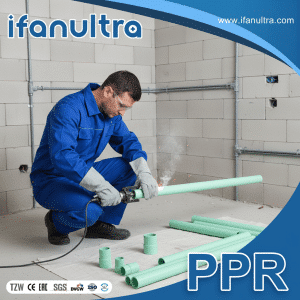
I once had a client who almost chose cheaper pipes to save money. Six months later, he faced costly leaks and repairs. This experience taught me the true value of PPR pipes.
Tubos PPR are absolutely worth the investment because they offer significant long-term savings through minimal maintenance, energy efficiency, and exceptional durability. While cheaper alternatives may seem appealing initially, their hidden costs in repairs, replacements, and water damage make them far more expensive over time.
Let me show you why PPR pipes are actually a smart financial decision for your plumbing needs.
What Are the Long-Term Cost Benefits of Investing in PPR Piping Systems?
Many clients focus on upfront costs, but I always advise looking at the bigger picture. The real savings with PPR come over years of use.
The long-term cost benefits of PPR piping include near-zero maintenance costs, no replacement needs for over 50 years, energy savings from better heat retention, and complete resistance to corrosion and scale buildup. These factors make PPR systems 30-40% cheaper than metal alternatives over their lifespan.
Understanding Total Cost of Ownership
When we evaluate piping systems, we need to consider more than just the initial price. The true cost includes installation, maintenance, repairs, energy efficiency, and eventual replacement. PPR excels in all these areas, making it surprisingly affordable in the long run.
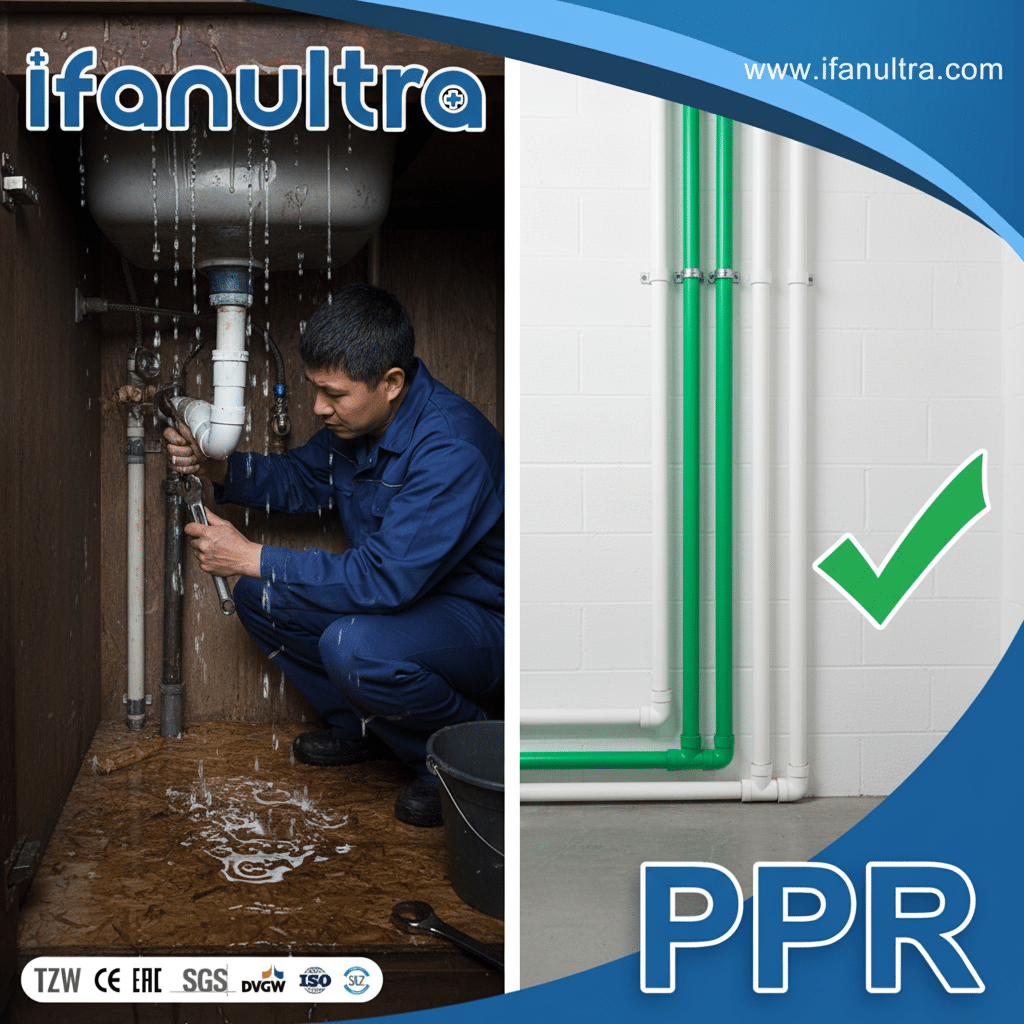
First, let’s talk about maintenance costs. Traditional metal pipes require regular inspections for corrosion and leaks. I’ve seen clients spend hundreds of dollars annually on minor repairs and adjustments. PPR systems, with their heat-fused joints and corrosion-resistant material, eliminate these ongoing expenses. The joints are monolithic – meaning they become one solid piece – so leaks simply don’t occur in properly installed systems.
Energy Efficiency Advantages
PPR pipes provide excellent thermal insulation. This means hot water stays hotter as it travels through your pipes. You’ll notice this benefit on your energy bills because your water heater doesn’t need to work as hard. For a typical household, this can translate to 5-10% savings on water heating costs annually. Over 20 years, these savings really add up.
The non-corrosive nature of PPR also maintains water flow efficiency. Metal pipes develop internal rust and scale buildup that gradually reduces pipe diameter and water pressure. This means you might need higher pump pressure over time, increasing energy costs. PPR maintains its smooth interior surface permanently, ensuring consistent water flow without additional energy consumption.
Long-Term Cost Comparison Table
| Cost Category | Tuberías PPR | Metal Pipes |
|---|---|---|
| Initial Installation | $$ | $$$ |
| Annual Maintenance | $5-10 | $50-200 |
| Energy Costs | Lower (better insulation) | Higher (heat loss) |
| Expected Lifespan | Más de 50 años | 20-30 años |
| Replacement Frequency | Once | 2-3 times |
| Total 50-year Cost | $$$ | $$$$$ |
When you add all these factors together, the financial case for PPR becomes clear. While you might pay slightly more initially, you’re investing in decades of trouble-free service and avoiding the hidden costs that plague traditional piping systems.
How Does PPR Pipe Durability Compare to Metal Pipes in Actual Service Life?
I’ve replaced countless metal pipes that failed prematurely, while PPR installations from decades ago remain perfectly functional.
PPR pipe durability significantly surpasses metal pipes because it cannot corrode, rust, or suffer from electrochemical erosion. Where metal pipes typically last 20-30 years before requiring replacement, PPR pipes maintain full functionality for 50+ years, effectively doubling the service life of plumbing systems.
Material Science Behind PPR Durability
The exceptional durability of PPR comes from its chemical structure. Polypropylene Random Copolymer is inert to water and most chemicals found in residential water supplies. This means it doesn’t react with water, oxygen, or common minerals that cause metal pipes to deteriorate.
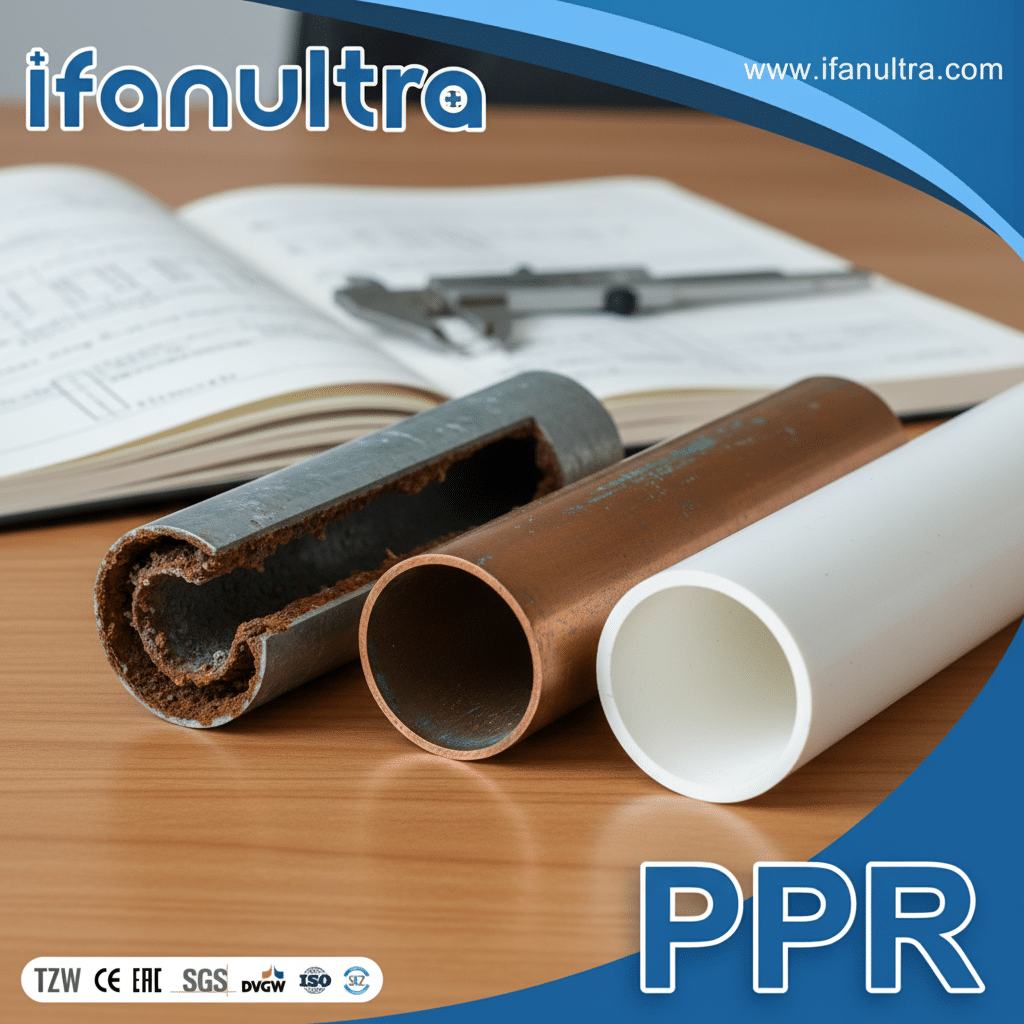
I often show clients side-by-side comparisons: a 10-year-old metal pipe section filled with rust and scale buildup next to a 10-year-old PPR pipe that looks and functions like new. The visual evidence is compelling – while metal actively degrades from the moment it’s installed, PPR remains stable and unchanged.
Real-World Performance Factors
In actual service, PPR demonstrates several durability advantages. The material maintains its flexibility and impact resistance across temperature variations from freezing cold to boiling hot water. This means it’s less likely to crack from freezing or become brittle from heat exposure.
The fusion-welded joint system is another key durability factor. Unlike threaded metal joints that can loosen over time or soldered joints that can deteriorate, PPR joints become the strongest part of the system. I’ve pressure-tested 20-year-old PPR joints that withstand pressures far beyond their original rating.
Service Life Comparison Table
| Performance Factor | Tuberías PPR | Copper Pipes | Galvanized Steel |
|---|---|---|---|
| Resistencia a la corrosión | Excelente | Bien | Poor |
| Chemical Resistance | Excelente | Fair | Poor |
| Scale Buildup | None | Moderate | Severe |
| Joint Reliability | Excelente | Bien | Poor |
| Temperature Tolerance | -20°C to 95°C | -100°C to 100°C | -29°C to 93°C |
| Actual Service Life | Más de 50 años | 20-40 years | 15-25 years |
The evidence from thousands of installations shows that PPR doesn’t just last longer – it maintains its performance characteristics throughout its entire lifespan. You won’t experience gradual degradation in water pressure or quality, which is common with aging metal systems.
What Maintenance Savings Can PPR Pipes Provide Over Traditional Piping Materials?
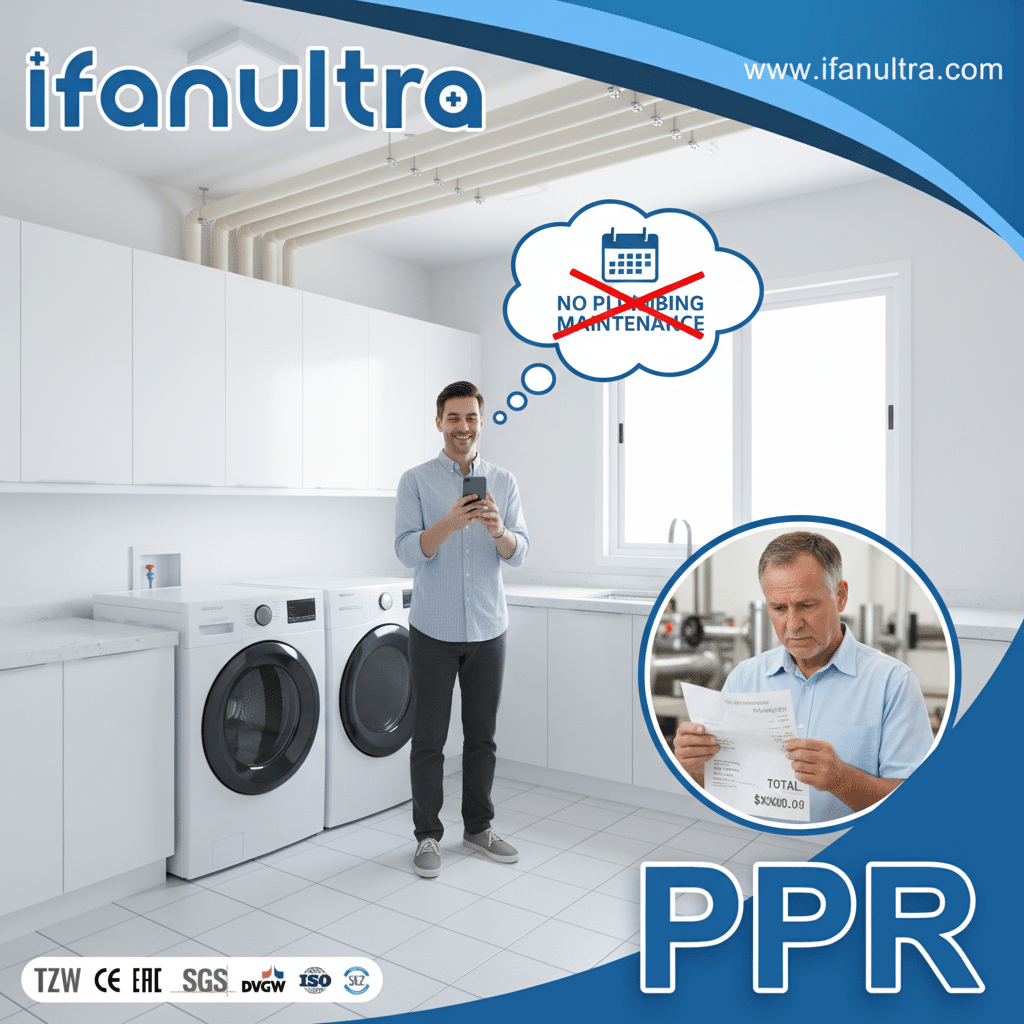
A client once told me he budgeted $500 annually for pipe maintenance. After switching to PPR, that budget dropped to nearly zero.
PPR pipes provide 80-90% maintenance savings compared to traditional piping materials because they eliminate corrosion-related repairs, scale removal services, joint leak fixes, and pressure adjustment needs. The fused joint system and corrosion-resistant material create a maintenance-free plumbing solution for decades.
Elimination of Common Maintenance Issues
Traditional metal plumbing systems require regular maintenance to address issues that simply don’t occur with PPR. Let me break down the specific maintenance tasks you’ll avoid.
Corrosion treatment is the biggest ongoing expense with metal pipes. I’ve seen clients spend thousands on chemical treatments, cathodic protection systems, and early replacements due to corrosion. PPR is completely immune to this problem – no rust, no electrolysis, no corrosion-related failures.
No Scale Buildup Problems
Scale accumulation is another major maintenance headache with metal pipes. The mineral deposits that build up inside pipes reduce water pressure and eventually require professional descaling services. I’ve coordinated dozens of descaling projects where technicians had to mechanically remove thick scale deposits.
PPR’s smooth, non-stick surface prevents scale formation entirely. The inside diameter remains constant throughout the pipe’s life, maintaining optimal water flow without any cleaning or maintenance interventions.
Maintenance Cost Comparison Table
| Maintenance Task | PPR Frequency | Metal Pipe Frequency | Cost Savings with PPR |
|---|---|---|---|
| Leak Repairs | Never | Every 2-3 years | $200-500 per repair |
| Descaling | Never | Every 5 years | $300-800 per service |
| Corrosion Treatment | Never | Annual | $100-300 annually |
| Joint Maintenance | Never | Every 1-2 years | $150-400 per service |
| Pressure Adjustments | Never | Periodic | $100-250 per service |
| 10-Year Maintenance Cost | $0-100 | $2,000-5,000 | 90-98% savings |
The maintenance savings become even more significant when you consider indirect costs. With metal pipes, you have water damage from leaks, business interruptions during repairs, and the hassle of coordinating service visits. PPR eliminates all these hidden expenses, providing true peace of mind.
Are There Hidden Costs When Choosing Cheaper Alternatives to PPR Pipes?
I’ve helped many clients calculate the true cost of “cheap” pipes, and the results always surprise them.
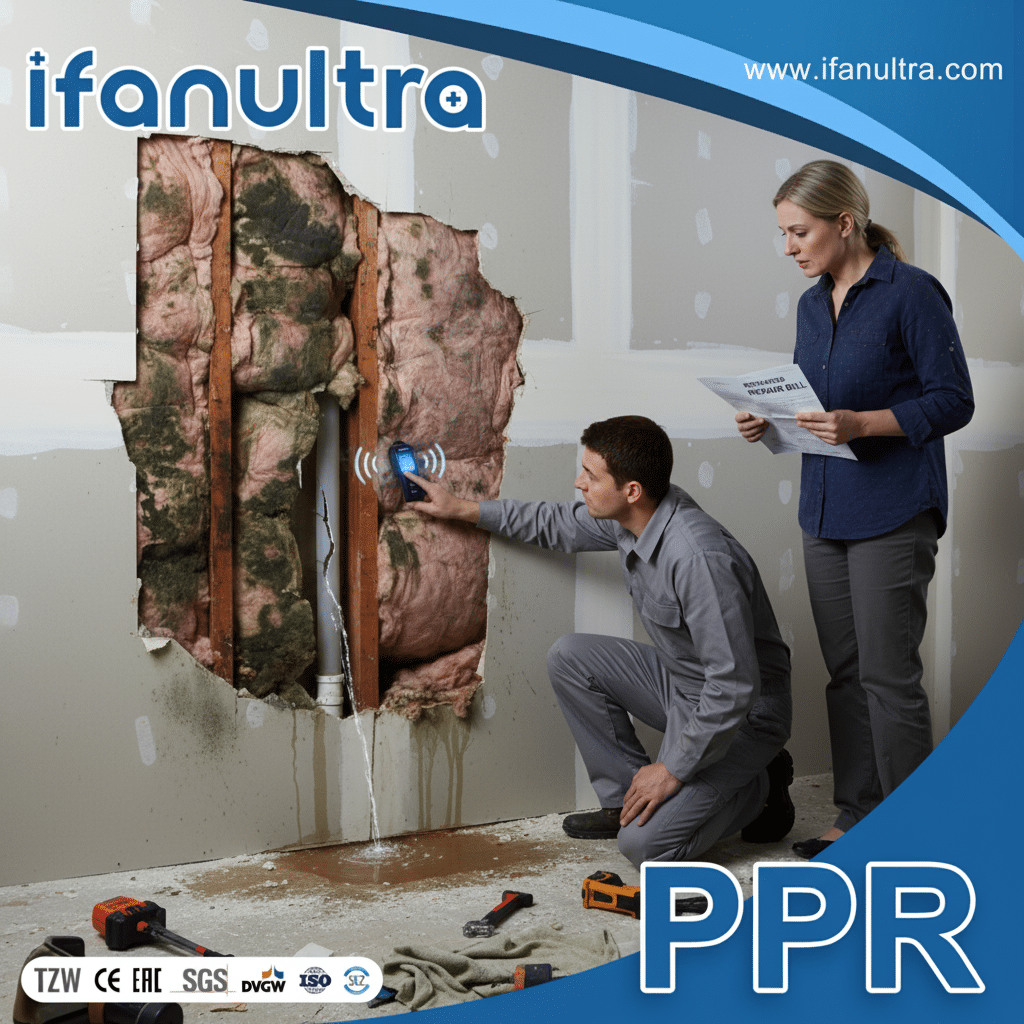
Yes, cheaper alternatives to PPR pipes carry significant hidden costs including frequent repairs, premature replacement, water damage expenses, higher energy bills, and potential health risks. These hidden costs often make inferior pipes 2-3 times more expensive than PPR over a 10-year period.
Identifying the True Costs
The initial price difference between PPR and cheaper alternatives seems appealing until you account for all the unexpected expenses that emerge over time. Let me share some real examples from my experience.
One client chose inferior plastic pipes to save 30% on material costs. Within three years, they experienced multiple joint failures that caused water damage costing thousands in repairs. The initial “savings” quickly vanished, and they ended up spending more than if they’d chosen PPR from the beginning.
Water Damage and Repair Costs
Leaks from inferior pipes can cause massive hidden costs. I’ve seen cases where a small leak went undetected for months, damaging walls, floors, and even structural elements. The repair bills for water damage often exceed the cost of the entire plumbing system.
Water damage also creates secondary problems like mold growth, which requires professional remediation and poses health risks. These aren’t just financial costs – they’re health and safety concerns that quality PPR systems help you avoid entirely.
Hidden Cost Analysis Table
| Hidden Cost | Cheap Plastic Pipes | Metal Pipes | Tuberías PPR |
|---|---|---|---|
| Leak Repairs | Frequent | Occasional | Rare |
| Water Damage Risk | Alta | Moderate | Very Low |
| Early Replacement | 5-10 years | 15-25 years | Más de 50 años |
| Energy Efficiency | Poor | Fair | Excelente |
| Health Risks | Possible | Possible | None |
| Maintenance Frequency | Alta | Moderate | Very Low |
| Total 10-year Cost | $$$$ | $$$ | $$ |
Another significant hidden cost comes from system inefficiency. Cheaper pipes often have poor thermal performance, increasing your energy bills. They may also require additional equipment like pressure regulators or water filters to compensate for their shortcomings. With PPR, you get an optimized system that works efficiently without extra components.
Conclusión
Tubos PPR prove their worth through decades of reliable service and significant cost savings. For guaranteed quality PPR products, choose IFAN – your trusted partner in plumbing solutions.









 English
 Español
 Français
 Português do Brasil