

I remember the shock on my client’s face when the final invoice for their factory’s piping system was 40% higher than the initial quote. It wasn’t a mistake; it was a lesson in hidden costs.
The hidden costs in a piping installation project typically include unforeseen labor overruns, material price escalations, permit and inspection fees, site condition surprises, and long-term maintenance expenses that are rarely included in the initial bid.
If you are planning a piping project, whether for a new home, a commercial building, or an industrial facility, this guide is for you. We will break down the most common unexpected expenses, explain why they happen, and show you how to plan for them so your budget doesn’t spring a leak.
What are the most common unexpected piping installation expenses?
Thinking your quote is the final number is the first mistake. I have seen projects derailed by costs that were never on the original spreadsheet.
The most common unexpected expenses are site preparation and access issues, emergency permit revisions, specialized tool or equipment rentals, waste disposal fees, and costs associated with integrating new piping with old, incompatible systems.
Site Conditions: The Unseen Budget Killer
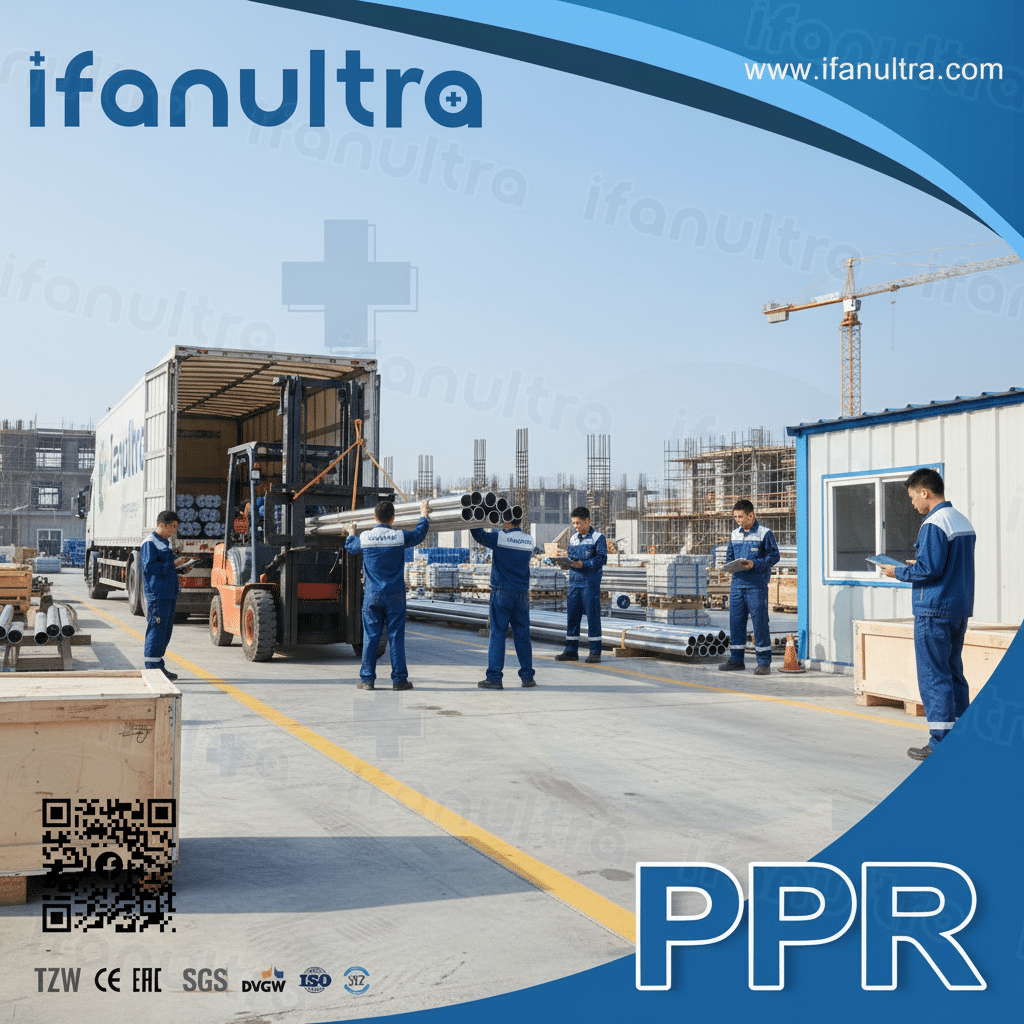
No blueprint can show everything underground or behind a wall. The initial site survey might miss critical details. Imagine starting a trench for a sewer line and hitting solid bedrock two feet down. Suddenly, you need heavy machinery like a rock breaker or a larger excavator. This means extra rental costs, more fuel, and significantly more labor time. Similarly, discovering asbestos-wrapped old pipes or lead-based paint in the work area triggers mandatory safety protocols. You must hire licensed abatement professionals, which adds thousands to the project and causes delays. These are not contractor errors; they are unforeseeable realities that change the scope of work.
The “While We’re At It” Trap and System Integration
This is a major source of cost creep. Once walls are open or trenches are dug, it’s tempting to add work. “While we’re replacing this water line, we should also upgrade that old gas valve.” These change orders seem small but add up quickly. More critically, new pipes must connect to existing systems. The existing valves, fittings, or control systems might be obsolete. Finding compatible parts can be difficult and expensive. Sometimes, you need to replace entire sections of the old system just to make the new part work, effectively doubling the planned work.
| Unexpected Expense Category | Typical Cost Range | Why It’s Often Missed |
|---|---|---|
| Unexpected Subsurface Obstacles (rock, old foundations) | $1,500 – $10,000+ | Limited by initial non-invasive survey. |
| Hazardous Material Abatement (asbestos, lead) | $3,000 – $15,000+ | Requires destructive testing to confirm. |
| Emergency Permit/Code Revisions | $500 – $5,000+ | Inspector may enforce newer codes than planned. |
| Waste Removal & Disposal Fees | $500 – $3,000 | Often considered “contractor overhead.” |
Regulatory and Disposal Surprises
Building codes are not static. Your plans might be approved based on one code cycle, but the inspector could enforce newer, stricter rules. This might require different materials (like moving from PVC to more expensive fire-rated CPVC) or additional safety features. Also, disposing of old pipes, especially cast iron or contaminated lines, isn’t free. Landfill fees for heavy materials are high, and specialized waste requires certified disposal, adding a line item many forget.
You budget for 10 days of work. But what happens when it takes 20? Labor is the most fluid and risky part of any budget.
Labor costs become hidden through unproductive time (waiting for materials/inspections), overtime premiums for delays, specialized skill premiums for complex tasks, and rework due to errors or plan changes.
Inefficiency and Waiting Time
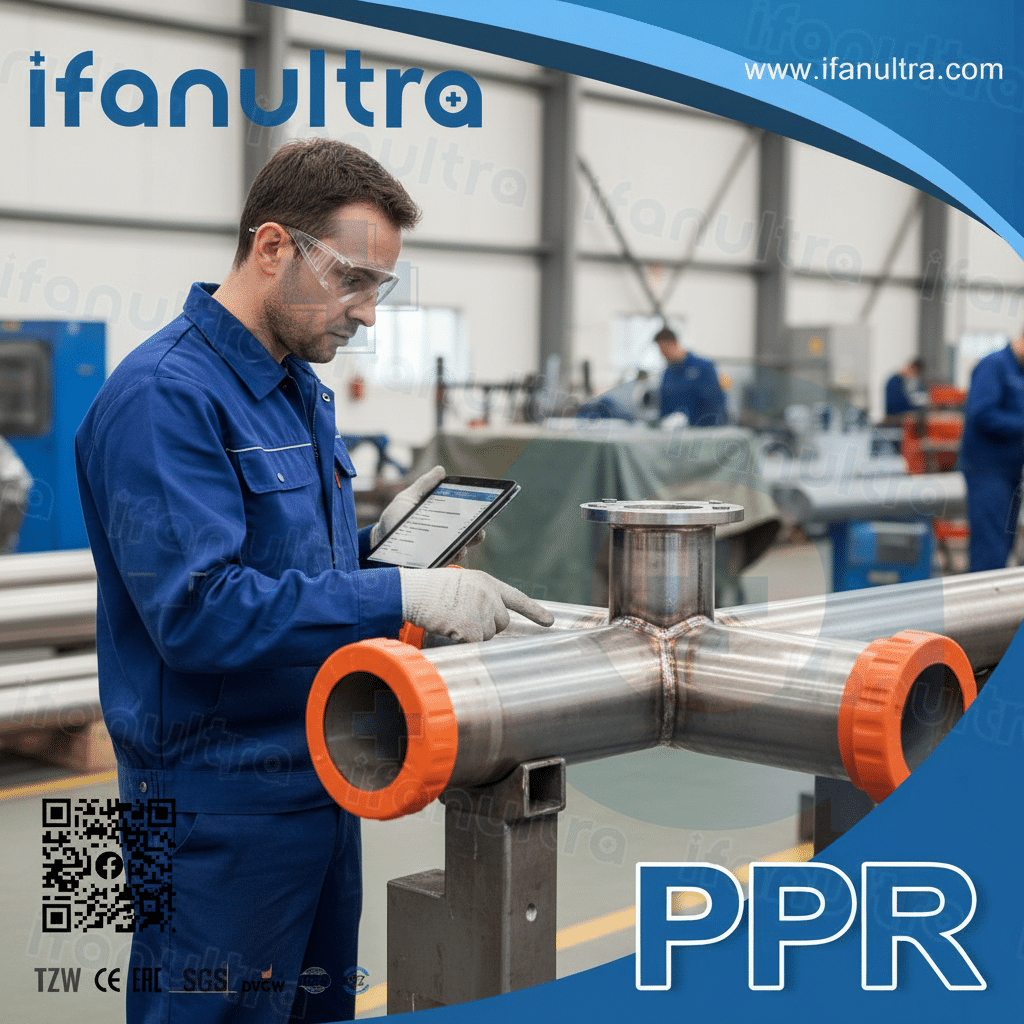
A crew’s time is money, even when they are not actively installing pipe. Common causes of unproductive time include waiting for delayed material deliveries, waiting for a city inspector to arrive for a mandatory check, or bad weather halting outdoor work. The crew still gets paid for these days. If the project manager did not build “buffer days” into the schedule, this idle time becomes a direct overrun. Furthermore, if the project falls behind, the contractor may push crews to work overtime (time-and-a-half or double-time pay) to meet the deadline, exploding the labor budget.
The Cost of Skill and Experience
Not all pipefitters are equal. Basic water line installation might use a general plumber. But installing high-pressure steam lines, complex chemical process piping, or medical gas systems requires certified specialists. These experts command a much higher hourly rate. If the project’s complexity is underestimated during bidding, the contractor may need to bring in these costly specialists later, or worse, have a less-experienced worker make a mistake. Rework—cutting out and replacing improperly installed sections—is perhaps the most expensive labor cost of all. It pays for the work twice: once to do it wrong, and again to fix it.
| Labor Risk Factor | Impact on Budget | Mitigation Strategy |
|---|---|---|
| Weather Delays (outdoor projects) | Adds 5-20% idle time cost | Schedule for favorable season; have indoor backup tasks. |
| Material Delivery Delays | Stops work entirely; crew on standby | Order materials early with clear delivery dates in contract. |
| Need for Specialized Trades (e.g., welder) | Hourly rate can be 2-3x standard rate | Clearly define all required skills in initial project scope. |
| Rework Due to Error | Cost of materials + labor again + delay costs | Invest in detailed planning and experienced installers. |
Manpower Fluctuations and Supervision
A project might start with a small crew for rough-in work but require a larger team for the final, time-sensitive connections. Scaling the team up and down is not perfectly efficient. Also, complex projects need more supervision. A foreman or project manager dedicated to your site is a necessary cost, but if the project becomes more complicated than expected, their time—a high labor cost—is spent longer than planned. This indirect labor is rarely itemized but is baked into the overall rate.
Why do material and permit fees often exceed initial estimates?
We all feel the pinch of inflation at the grocery store. For piping projects, material price volatility is a major budget threat, and permits are a bureaucratic wild card.
Material costs exceed estimates due to supply chain volatility and project specification upgrades. Permit fees exceed estimates due to plan review revisions, unexpected impact fees, and the need for multiple departmental approvals not initially scoped.

The Volatility of Material Prices
Unlike a fixed menu price, the cost of copper, steel, PVC, and even fittings is tied to global commodity markets. A quote valid for 30 days might be based on prices from months ago. If your project is delayed or materials are ordered late, the price may have spiked. Furthermore, “or equal” clauses in bids can be problematic. The contractor may bid using a standard, inexpensive valve. During the plan review, the engineer or inspector may require a more expensive, specific brand or model with different certifications, forcing a costly substitution.
The Permit Maze: More Than Just a Filing Fee
The listed “permit fee” on a city website is just the starting point. First, your plans might be rejected in review, requiring a re-submission (and a re-review fee). More significantly, projects can trigger various “impact fees.” For example, a new industrial piping system might require a larger water meter or increased sewer capacity. The city charges hefty one-time fees for these system upgrades. You might also need separate permits from different departments: building, plumbing, fire, and public works, each with its own fee schedule and timeline.
| Cost Component | Why It Increases | Real-World Example |
|---|---|---|
| Copper Piping | Global demand, mining output, tariffs. | Price per foot increased 25% in 6 months. |
| Backflow Preventer Valve | Inspector requires a specific, certified model. | $200 valve replaced by a $600 valve. |
| Plan Review & Re-submission | Engineer requires additional detail drawings. | $500 initial fee + $300 re-review fee. |
| Water System Impact Fee | New project increases calculated water demand. | One-time fee of $2,000-$10,000 based on size. |
Contingency is Not a Luxury
This is why a proper project budget includes a line item for “material price escalation contingency” (often 10-15%) and a “permitting and soft costs contingency.” These are not slush funds; they are financial shock absorbers. Without them, any movement in the market or any additional requirement from the planning department comes directly out of the project’s core budget, forcing cuts elsewhere or requiring additional cash injections.
What long-term maintenance costs should you plan for after installation?
The project is done, the crew is gone. But the financial responsibility for the piping system is just beginning. Ignoring future costs is like buying a car without budgeting for gas or oil changes.
Key long-term maintenance costs include routine inspections and testing, preventive maintenance (cleaning, valve exercising), energy/water loss from inefficiency, repairs from wear or corrosion, and eventual system component replacement cycles.

Preventive Maintenance: Paying a Little to Avoid a Lot
This is the most overlooked budget item. Different systems have different needs. A fire sprinkler system requires annual inspection and testing by a licensed technician, a fixed annual cost. Water lines, especially in areas with hard water, may need periodic descaling to maintain flow and efficiency. Valves that are never turned can seize shut; part of maintenance is “exercising” them annually to ensure they will work in an emergency. Creating and funding a scheduled maintenance plan prevents small issues from becoming catastrophic, expensive failures.
The Silent Cost of Inefficiency
A piping system is not “set and forget.” Over time, mineral deposits reduce pipe diameter, making pumps work harder and increasing energy costs. A small, undetected leak in a compressed air line wastes electricity constantly. A poorly insulated steam line loses heat, requiring more fuel to maintain temperature. These are not repair costs; they are ongoing operational penalties for a system that is degrading. Budgeting for periodic system efficiency audits can identify these money drains.
Repair, Replacement, and Lifecycle Planning
All materials have a lifespan. Gaskets dry out and crack. Water heater anode rods deplete. Expansion tanks lose their charge. Corrosion takes its toll. You should plan for the cyclical replacement of key components. Know the expected service life of your major elements. For example, a standard residential water heater might last 10-12 years. An industrial pump might have a 7-year bearing replacement cycle. Setting aside a small amount of money each year into a dedicated replacement fund avoids a massive, unexpected capital expenditure down the road.
Conclusión
The true cost of a piping project is the initial bid plus the hidden and future expenses. By understanding and planning for these costs now, you can avoid budget shocks and ensure your system is reliable for years to come.









 English
 Español
 Français
 Português do Brasil