
Ball valve hose bibs represent the gold standard in outdoor water control systems. These robust fixtures combine the reliability of ball valve technology with the convenience of traditional hose connections.
What Is a Ball Valve Hose Bib?
A ball valve hose bib is an outdoor water spigot that uses a rotating ball mechanism to control water flow. Unlike traditional compression valves, ball valves provide instant shut-off capability. The ball contains a hole that aligns with the pipe when open and blocks flow when rotated 90 degrees.
This design eliminates the gradual wear common in traditional hose bibs. The result? Longer lifespan and more reliable performance.
Key Advantages of Ball Valve Hose Bibs
Superior Durability
Ball valve mechanisms resist wear better than traditional designs. The ball seals against two seats simultaneously, creating a more reliable seal. This construction method reduces maintenance requirements significantly.
Freeze Protection
Most ball valve hose bibs feature freeze-resistant designs. The valve seat locations prevent water from remaining in vulnerable areas. This protection saves homeowners from costly winter damage.
Easy Operation
Quarter-turn operation makes these valves user-friendly. No more struggling with stuck or hard-to-turn handles. The smooth ball action remains consistent over years of use.
Leak Prevention
The dual-seal design virtually eliminates dripping. Traditional compression valves develop leaks as washers wear out. Ball valve technology maintains tight seals much longer.
Types of Ball Valve Hose Bibs
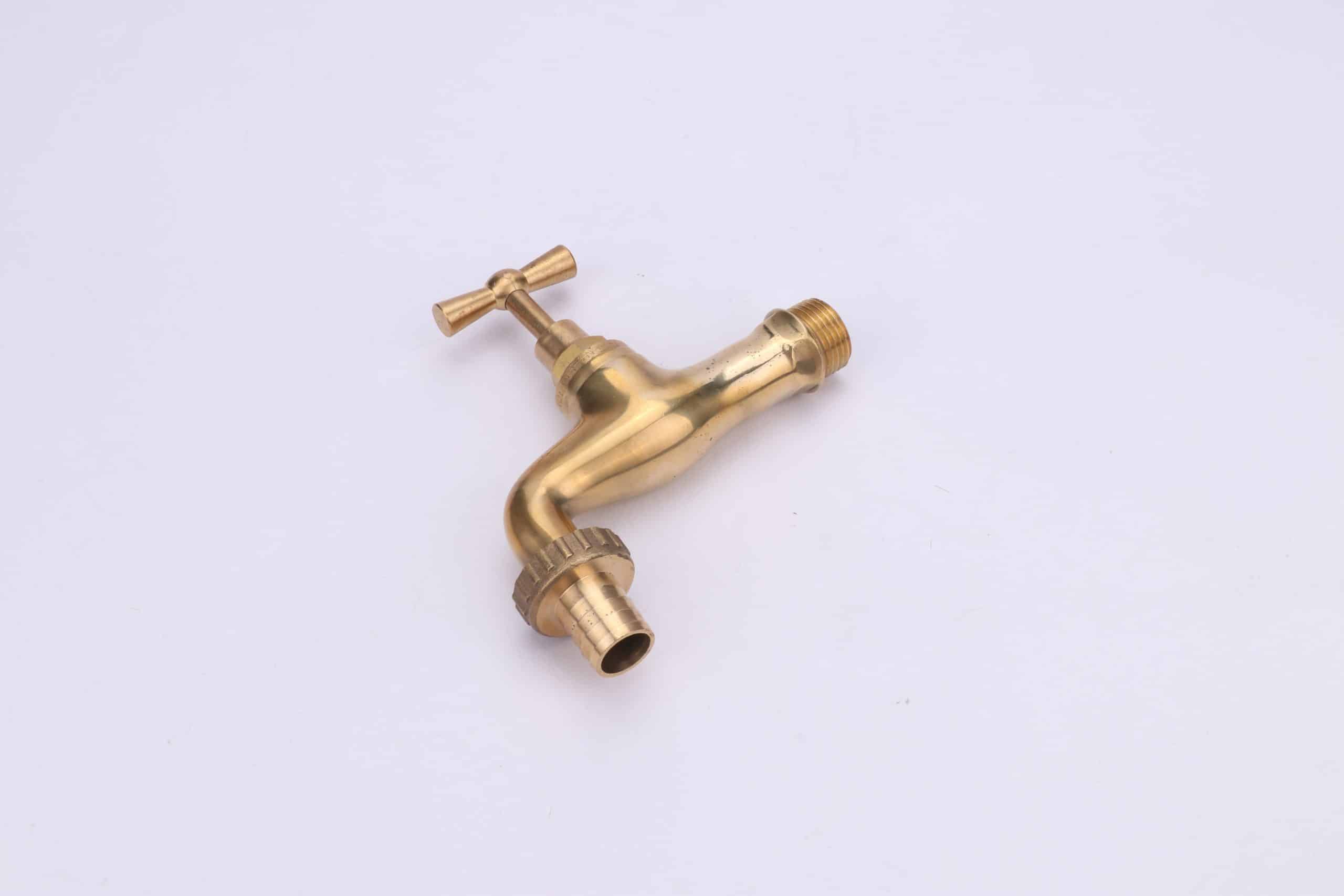
Standard Ball Valve Hose Bibs
These units feature basic ball valve operation with standard hose threads. They work well for most residential applications. Installation requires basic plumbing skills.
Frost-Free Ball Valve Hose Bibs
Extended bodies place the valve seat inside heated areas. Water drains from the exposed portion when closed. These models prevent freeze damage in cold climates.
Anti-Siphon Ball Valve Hose Bibs
Built-in backflow prevention protects your water supply. These units meet most local plumbing codes. They’re essential where contamination risks exist.
Commercial Grade Options
Heavy-duty construction handles frequent use. Larger port sizes accommodate higher flow rates. These models suit professional and industrial applications.
Installation Considerations
Proper Sizing
Match the hose bib size to your plumbing system. Most residential applications use 1/2-inch or 3/4-inch connections. Larger sizes serve commercial needs.
Location Selection
Install hose bibs where they’re easily accessible but protected from damage. Consider sun exposure and potential impact from lawn equipment. Proper height prevents back strain during use.
Winterization Requirements
Even freeze-resistant models need preparation in extreme climates. Disconnect hoses before freezing weather. Consider adding insulation in severely cold regions.
Maintenance and Troubleshooting
Regular Inspection
Check for leaks at connection points seasonally. Examine the handle operation for smooth movement. Replace any damaged components promptly.
Cleaning and Lubrication
Clean debris from threads and moving parts. Apply appropriate lubricant to ball valve mechanisms annually. This simple maintenance extends service life significantly.
Common Issues and Solutions
Stiff operation usually indicates debris in the ball chamber. Disassembly and cleaning typically resolves this problem. Persistent leaks may require seat or ball replacement.
Choosing the Right Ball Valve Hose Bib
Climate Considerations
Cold climates require frost-free models with adequate extension length. Hot climates benefit from UV-resistant materials and coatings. Consider your local weather extremes.
Usage Patterns
Frequent use justifies commercial-grade construction. Occasional use allows standard residential models. Match the product to your specific needs.
Code Compliance
Check local plumbing codes for backflow prevention requirements. Some areas mandate anti-siphon devices on all hose connections. Compliance prevents costly retrofits.
Professional vs. DIY Installation
DIY Installation
Basic ball valve hose bib installation suits handy homeowners. Simple threaded connections require minimal tools. Follow manufacturer instructions carefully.
Professional Installation
Complex installations or code compliance issues benefit from professional help. Licensed plumbers ensure proper installation and warranty compliance. Consider professional installation for expensive or critical applications.
Cost Considerations
Ball valve hose bibs cost more initially than traditional designs. However, longer service life and reduced maintenance create long-term value. The investment pays off through reliability and durability.
Conclusión
Ball valve hose bibs offer superior performance for outdoor water control. Their durability, ease of use, and reliability make them excellent investments. Choose the right type for your climate and usage patterns.
Quality construction and proper installation ensure years of trouble-free service. Consider upgrading your existing hose bibs to ball valve technology for improved performance and peace of mind.









 English
 Español
 Français
 Português do Brasil