
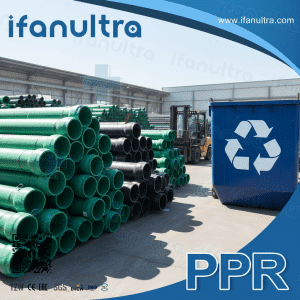
I once visited a client’s site where mountains of scrap pipes sat untouched for years. That wasted space and lost value convinced me that every industrial site needs a proper recycling plan.
Implementing a pipe recycling program involves four key steps: identifying and sorting materials by type, establishing cleaning protocols, partnering with specialized recyclers, and designing new installations for future deconstruction. A successful program turns waste into revenue while reducing environmental impact and disposal costs.
Let’s walk through the complete process of setting up a system that works for your industrial site.
How Do You Identify, Sort, and Clean Different Pipe Materials for Recycling?
Workers often throw all scrap into one bin because sorting seems too hard. I’ve seen this mistake cost companies thousands in lost material value.
You identify pipes by checking markings, color codes, and performing simple burn or density tests. Sorting requires separating materials by polymer type (PP-R, PVC, HDPE) and contamination level. Cleaning involves removing metal fittings, insulation, and debris using manual tools or mechanical separation equipment before processing.
Material Identification Methods
Before you can recycle anything, you need to know what you’re dealing with. Different plastics require different recycling processes, and mixing them ruins the value.
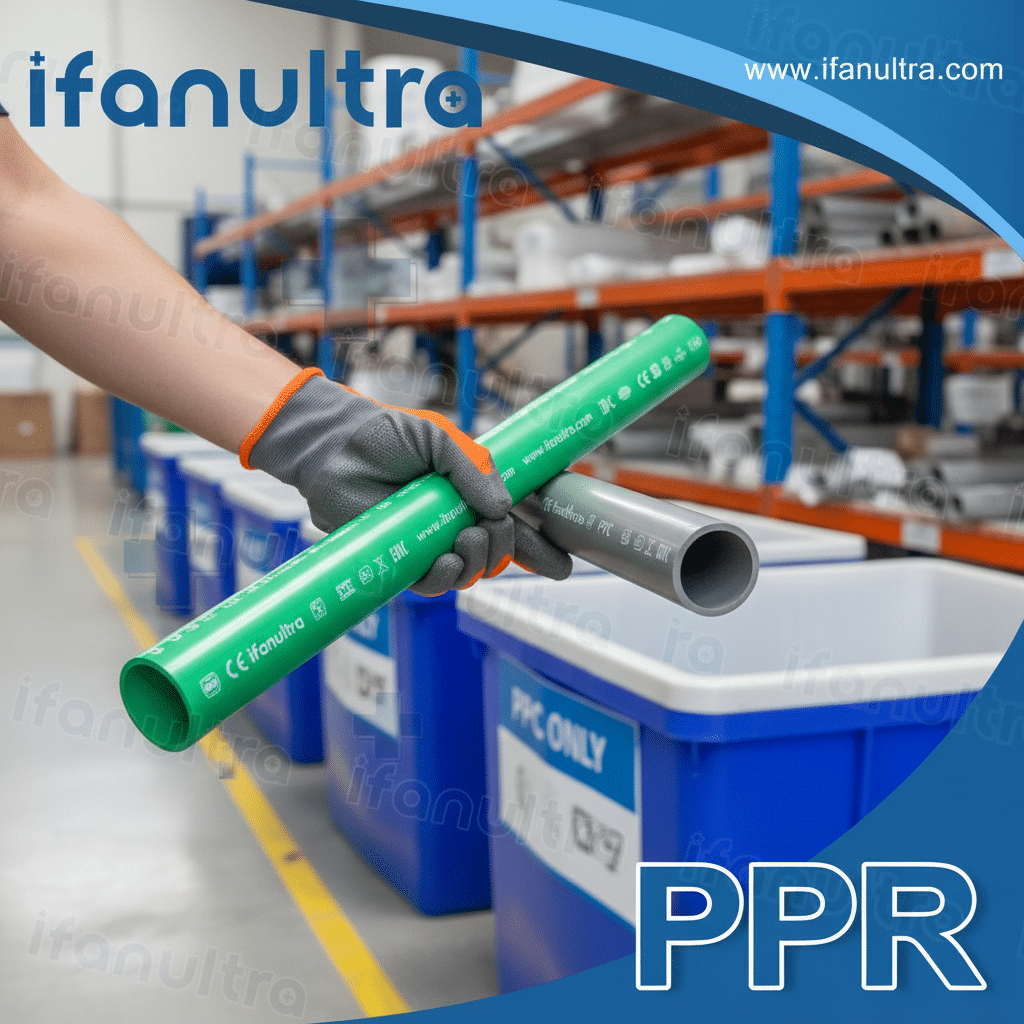
Look for Manufacturer Markings: Most quality pipes have printed codes. You’ll often see “PP-R,” “PVC-U,” or “HDPE” along the pipe. These markings are your first clue. If the pipe comes from IFAN or another reputable supplier, these markings should be clear and consistent.
Use Color as a Guide:
- PP-R pipes: Usually green, white, grey, or sometimes orange for industrial systems.
- PVC pipes: Typically white, dark grey, or cream for electrical conduits.
- HDPE pipes: Often black with colored stripes indicating pressure rating.
Simple Field Tests:
- The Float Test: Put a small piece in water. Polyolefins (PP-R, HDPE) float. PVC sinks.
- The Burn Test: With proper safety gear, carefully burn a small sample. PVC burns with a green flame and acrid smell. PP-R burns like candle wax with a clean drip.
- The Scratch Test: Try scratching the surface. PVC is harder to scratch than PE materials.
Sorting and Separation Best Practices
Once you identify the materials, you need a systematic sorting process.
Create Dedicated Bins:
Label separate containers for each material type. Place them at strategic points around the site where pipe waste generates. Train workers to toss scrap into the correct bin immediately.
Remove Contaminants Before Storage:
Metal fittings, rubber gaskets, and cement residues contaminate the recycling stream. Take time to cut off or knock off these materials. A simple workbench with basic tools at the collection point makes this easier.
The table below summarizes common industrial pipe materials and their recycling preparation requirements:
| Material | Identification Markers | Contaminants to Remove | Cleaning Method |
|---|---|---|---|
| PP-R | “PP-R” marking, green/grey color, floats | Metal threaded inserts, EPDM O-rings | Cut off fittings, wipe clean |
| PVC | “PVC” marking, white/dark grey, sinks | Solvent cement residue, metal fittings | Grind off cement, remove metal |
| HDPE | “HDPE” marking, black, floats | Adhesive labels, dirt, metal clamps | Wash with water, remove metal |
| Fiberglass | No plastic code, composite feel | Resin, inner liner material | Special handling required |
Cleaning for Maximum Value
Clean material commands higher prices from recyclers. Dirty material gets rejected or heavily discounted.
For most thermoplastics:
- Remove all non-plastic attachments first
- Wash with water and mild detergent if heavily soiled
- Dry thoroughly before baling or storage
- Consider granulating on-site to reduce volume and transport costs
Remember that contaminated pipe (like chemical process lines) may require special handling. Always check safety data sheets and local regulations before recycling pipes that carried hazardous materials.
What Are the Options for Partnering with Specialized Plastic Recyclers?
Finding the right partner feels overwhelming. I’ve helped clients navigate this and learned what questions actually matter.
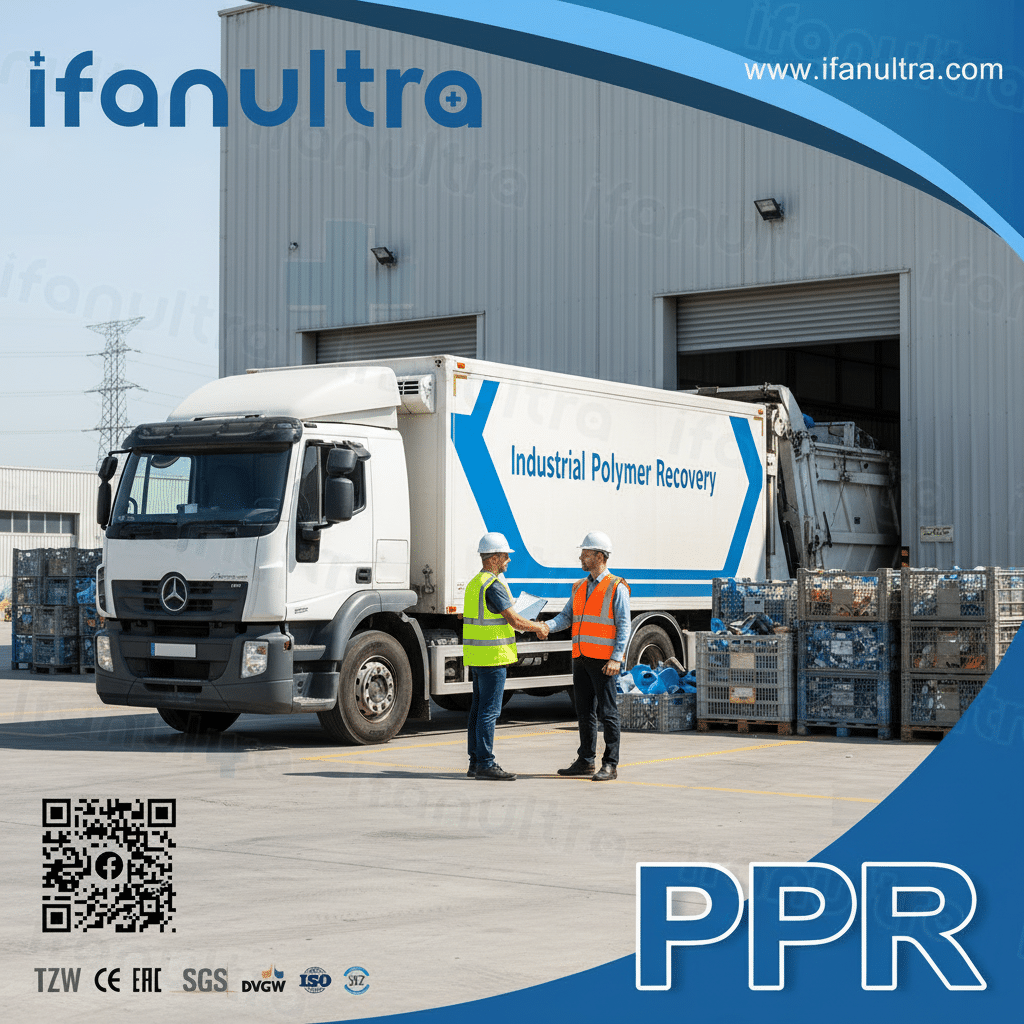
You have three main options for recycler partnerships: local scrap dealers who handle mixed plastics, specialized industrial recyclers who process specific polymer types, and manufacturer take-back programs offered by pipe producers. Each option offers different value levels, service capabilities, and logistics support.
Understanding Your Partnership Options
Not all recyclers are the same. Choosing the right type makes a big difference in both revenue and hassle.
Option 1: Local Scrap Dealers
These are the easiest to find but often offer the lowest value. They typically:
- Accept mixed loads but pay less per ton
- Handle transportation themselves
- May not provide detailed weight or pricing breakdowns
- Best for smaller sites with limited volume
Option 2: Specialized Industrial Recyclers
These companies focus on specific materials. They offer:
- Higher prices for clean, sorted materials
- Technical expertise in material processing
- Often require minimum volumes
- May offer container rental and scheduled pickups
- Best for medium to large sites with consistent waste streams
Option 3: Manufacturer Take-Back Programs
Some pipe manufacturers, including IFAN’s partner network, offer recycling services for their products. These programs provide:
- Guaranteed acceptance of specific material types
- Simplified logistics through existing supply chains
- Potential for closed-loop recycling back into new pipes
- Best for companies committed to sustainability partnerships
How to Evaluate and Select a Recycler
Use these criteria to compare potential partners:
| Evaluation Criteria | En qué fijarse | Red Flags |
|---|---|---|
| Material Acceptance | Clear list of accepted polymers and grades | “We take everything” with no details |
| Pricing Structure | Transparent per-ton pricing by material | Vague pricing based on “market rates” |
| Logistics Support | Provides containers, scheduled pickups | You arrange all transport |
| Certificaciones | ISO 14001, e-Stewards, or local equivalent | No environmental certifications |
| Reporting | Provides weight certificates and recycling documentation | No paperwork provided |
| References | Willing to share client testimonials | Avoids reference checks |
Practical Tips for Building the Relationship
Once you select a recycler, set yourself up for success:
Start with a Pilot Program:
Don’t commit to a long-term contract immediately. Run a 3-month trial to verify that pricing, logistics, and communication meet your expectations.
Negotiate Service Levels:
Discuss response times for pickups, minimum volume requirements, and what happens if you have contaminated material. Put these terms in writing.
Request Regular Reporting:
Good recyclers provide monthly reports showing weights by material, dates of pickup, and total diversion from landfill. This data helps you track program success.
Build for the Long Term:
Recycling partnerships work best when both sides invest. Share your upcoming project schedules so they can plan capacity. In return, they may offer better pricing or priority service.
How Can You Design for Deconstruction to Maximize Future Material Recovery?
Most industrial sites install pipes without thinking about their eventual removal. I’ve seen this shortsightedness create unnecessary waste and cost.
Designing for deconstruction means using mechanical connections instead of permanent adhesives, creating accessible pipe runs with clear labeling, and selecting materials that fit into established recycling streams. These choices make future removal faster, safer, and more profitable while keeping materials out of landfills.
The Core Principles of Deconstruction-Friendly Design
Think ahead to the day someone will remove these pipes. What will make their job easier?
Use Mechanical Connections Where Possible:
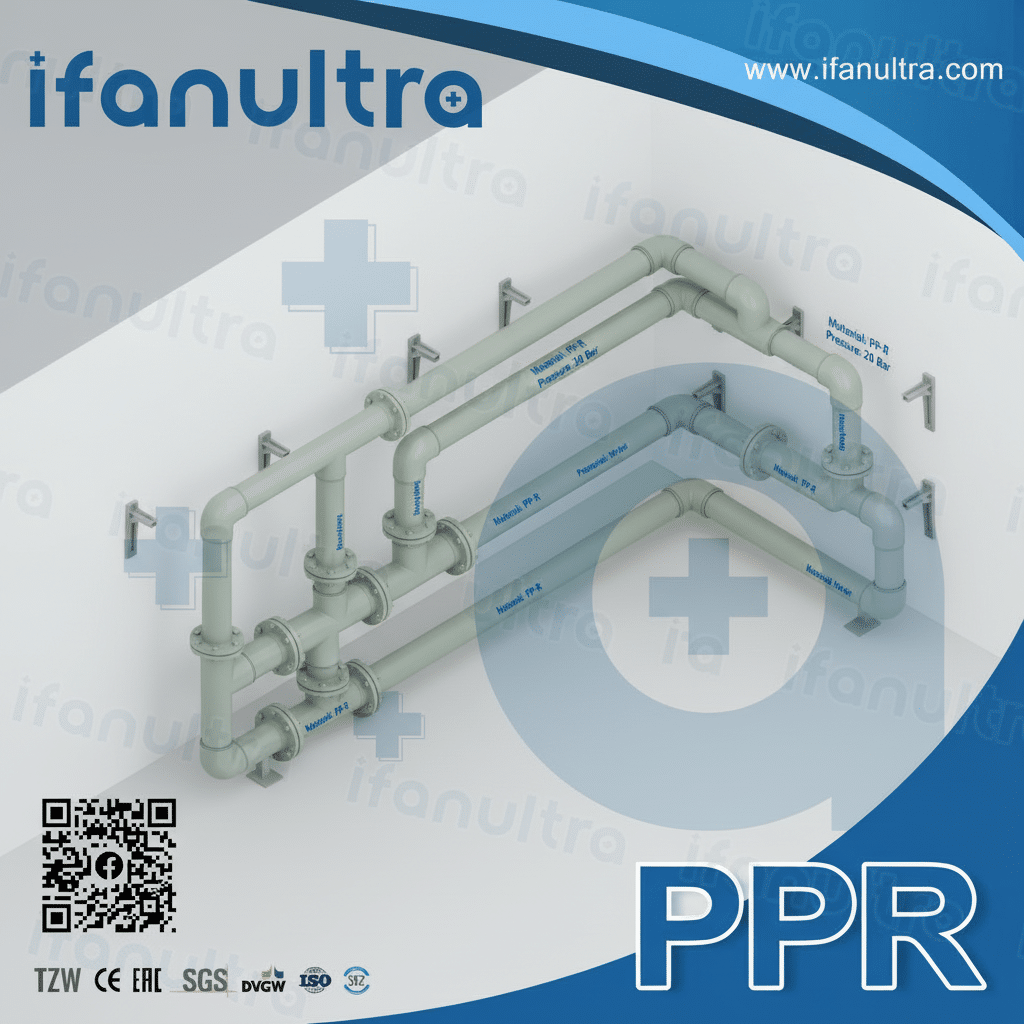
Solvent welding and permanent adhesives create strong joints, but they also make separation nearly impossible. For areas where future changes are likely, consider:
- Flanged connections for equipment tie-ins
- Compression fittings for sections that may need replacement
- Union joints at strategic intervals
PP-R systems from IFAN offer socket fusion connections that are permanent yet can be cut out cleanly at specific points. This balances reliability with future recoverability.
Create Accessible, Organized Pipe Runs:
Avoid burying pipes in walls or concrete where they can’t be reached. Instead:
- Run pipes in accessible service corridors or trenches
- Leave working space around major fittings
- Install pipes on trapeze hangers rather than direct burial
- Group similar materials together for easier sorting later
Label Everything Clearly:
Future workers won’t know what’s in your pipes unless you tell them. Install durable labels that specify:
- Material type (PP-R, PVC, HDPE, etc.)
- Date of installation
- Original service (potable water, process cooling, etc.)
- Pressure rating and specifications
Stainless steel tags or embossed plastic markers last longer than paper labels.
Material Selection Strategy
Choose materials with recycling in mind from the start:
| Material Choice | Recycling Impact | Deconstruction Consideration |
|---|---|---|
| PP-R (single polymer) | Easily recycled, high value | Fusion joints require cutting, but material is recoverable |
| Multi-layer composites | Difficult to separate, low value | Avoid where possible; hard to recycle |
| PVC | Recyclable but requires separation | Identify clearly to avoid mixing |
| Fiberglass | Limited recycling options | Use only where absolutely necessary |
Documentation Matters
Create and maintain accurate as-built drawings showing:
- Exact locations of all piping
- Types of materials used in each section
- Locations of unions, flanges, and access points
- Dates of installation and any modifications
Store this information digitally and in physical form. When the site decommissions pipes decades from now, this documentation will be invaluable.
What Are the Economic and Environmental Benefits of On-Site Recycling Programs?
Some managers see recycling only as a cost. I’ve shown them the numbers and changed their minds.
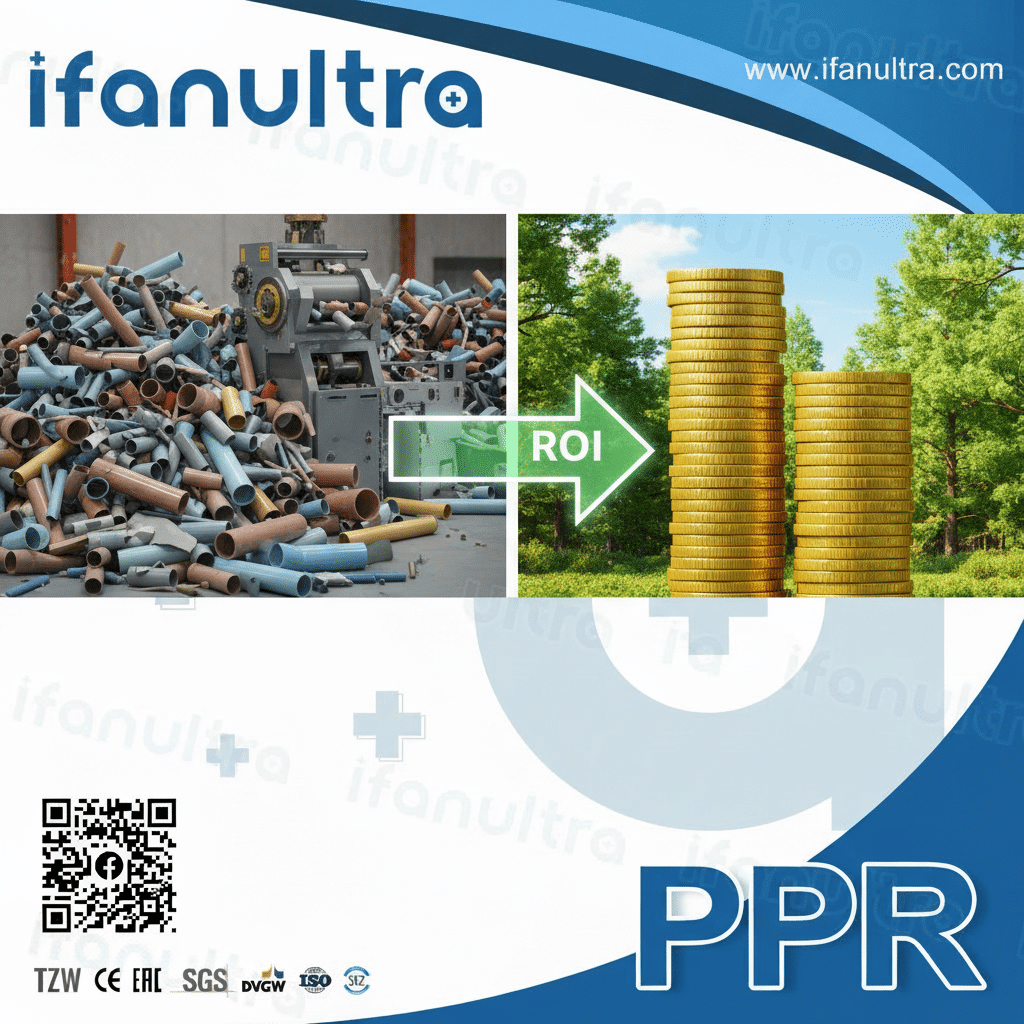
On-site recycling programs generate revenue from scrap material, reduce waste disposal fees, lower transportation costs, and enhance corporate sustainability profiles. Environmentally, they conserve virgin resources, reduce energy consumption compared to new production, and keep plastic out of landfills and oceans.
The Economic Case for Recycling
Let’s look at the real numbers from industrial sites I’ve worked with.
Revenue from Scrap Materials:
Clean, sorted plastic scrap has genuine market value. While prices fluctuate, here are typical ranges:
- Clean PP-R scrap: $300-600 per ton
- Clean PVC scrap: $200-400 per ton
- Clean HDPE scrap: $400-700 per ton
For a site generating 10 tons of scrap annually, this represents $3,000 to $7,000 in potential revenue rather than cost.
Reduced Disposal Costs:
Landfill tipping fees continue rising. In many regions, you’ll pay $50-150 per ton to dispose of waste. By diverting 10 tons to recycling, you save $500 to $1,500 in disposal fees annually.
Transportation Efficiency:
Recyclers often provide containers and schedule pickups based on volume. This can reduce your logistics costs compared to arranging separate waste hauling.
Avoided Purchase Costs:
Some companies can use recycled material for non-critical applications. While food-grade or pressure-rated applications require virgin material, drainage or conduit applications may accept recycled content.
The Environmental Impact
The environmental benefits are equally compelling:
| Environmental Factor | Virgin Material Production | Recycled Material | Reduction |
|---|---|---|---|
| Energy Use | High (extraction, polymerization) | 60-80% lower | Significant |
| CO2 Emissions | High (fossil fuel based) | Substantially lower | 1-2 tons CO2 per ton recycled |
| Water Use | Significant | Minimal | Up to 90% reduction |
| Landfill Space | N/A | Avoids disposal | 1 cubic yard per 500 lbs diverted |
Putting It All Together: Sample ROI Calculation
Here’s a realistic example for a medium-sized industrial site:
| Financial Factor | Annual Value |
|---|---|
| Scrap pipe generated (8 tons) | Baseline |
| Recycling revenue ($400/ton average) | $3,200 |
| Landfill fees avoided ($80/ton) | $640 |
| Program costs (containers, labor) | -$1,000 |
| Net Annual Financial Benefit | $2,840 |
| CO2 emissions avoided (approx.) | 12-16 tons |
Beyond these measurable benefits, many companies find that their sustainability programs improve employee engagement and customer relationships. Large industrial buyers increasingly require suppliers to demonstrate environmental responsibility.
Conclusión
A pipe recycling program reduces waste, generates revenue, and supports sustainability goals. For industrial sites seeking recyclable piping systems, IFAN offers PP-R products designed with end-of-life recovery in mind, backed by our network of recycling partners.









 English
 Español
 Français
 Português do Brasil