
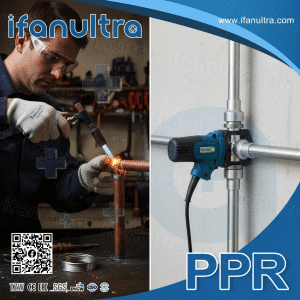
I once managed a large residential project where we fell behind schedule due to slow pipe joining. That stressful experience made me explore faster alternatives.
Quick-install systems like push-fit and press-fit save significant time compared to traditional methods like soldering or threading. They can reduce installation time by 50% to 80% on typical residential and commercial projects. However, the material costs are higher, so the choice depends on your project’s specific priorities and constraints.
Let’s examine the real-world differences between these approaches.
How Much Faster Are Push-Fit or Press Systems Compared to Traditional Methods?
Time is money on any construction site. I’ve watched crews struggle with torches while a push-fit team finished the same job in hours.
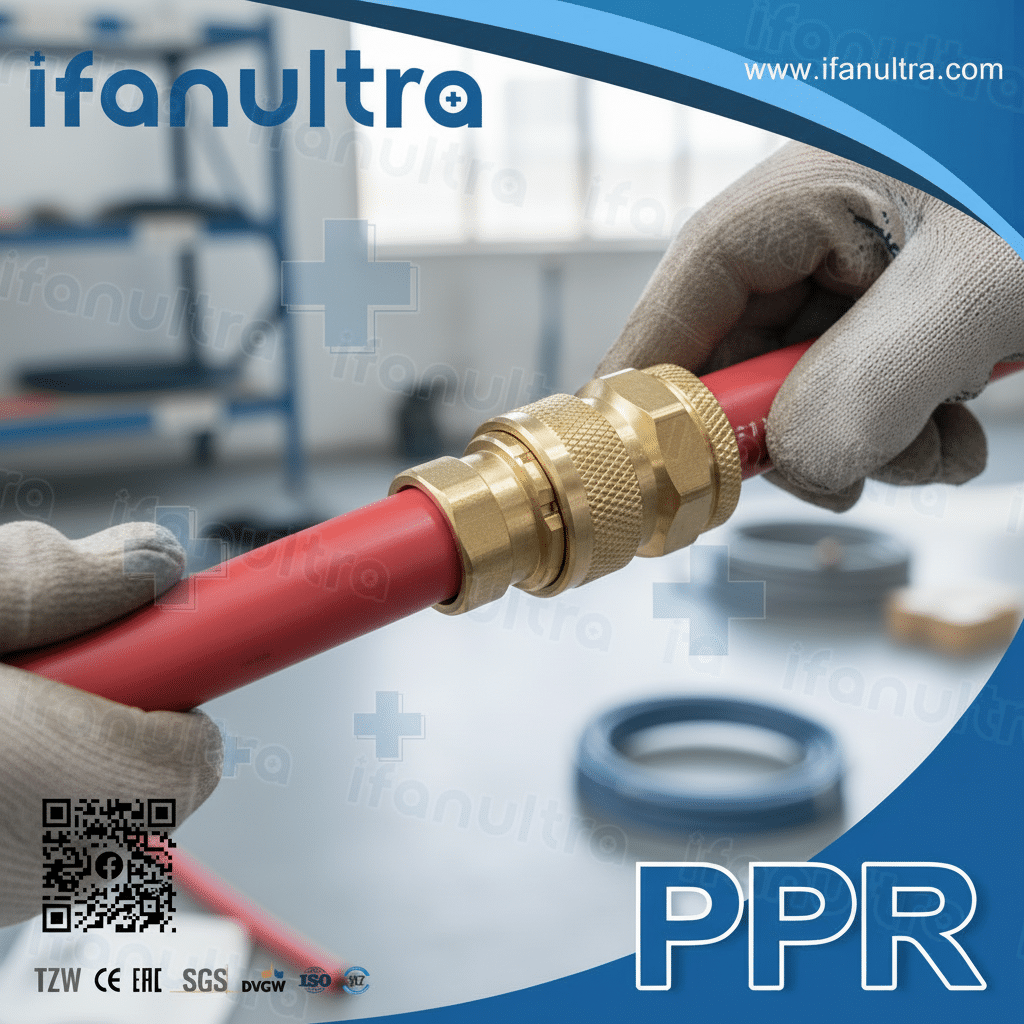
Push-fit and press systems are dramatically faster than traditional methods. A typical copper solder joint takes 10-15 minutes including preparation, while a press-fit joint takes under 10 seconds. Push-fit connections are nearly instantaneous. On a full project, this translates to 50-80% less installation time compared to traditional threading, soldering, or gluing methods.
Breaking Down the Time Comparison
Let’s look at the actual numbers. The table below shows average time per connection for different methods:
| Connection Method | Preparation Time | Joining Time | Total Time per Joint |
|---|---|---|---|
| Push-Fit | 5-10 seconds | 2-3 seconds | 7-13 seconds |
| Press-Fit | 10-15 seconds | 5-8 seconds | 15-23 seconds |
| Copper Soldering | 3-5 minutes | 5-10 minutes | 8-15 minutes |
| Threaded Steel | 2-4 minutes | 3-5 minutes | 5-9 minutes |
| PVC Solvent Welding | 30-60 seconds | 30-60 seconds | 1-2 minutes |
The difference becomes massive when you scale up. For a house with 100 connections:
- Push-fit: About 20-30 minutes of actual joining work
- Press-fit: About 30-45 minutes
- Traditional soldering: 13-25 hours
Why Quick-Install Is Faster
Several factors contribute to this speed advantage:
No Waiting Time: Traditional methods require waiting for solder to cool, glue to cure, or threads to seal. Quick-install systems work immediately. You can pressure-test a push-fit system right after installation.
No Special Prep Work: There’s no need for flux, solder, Teflon tape, or pipe dope. Just cut, deburr, and push or press. This eliminates multiple steps from the process.
No Cleanup: Soldering leaves flux residue that requires cleaning to prevent corrosion. Threading leaves metal shavings. Quick-install systems leave no mess behind.
Simultaneous Work: With traditional methods, one person typically works on one joint at a time. With quick-install, one person can prepare pipes while another connects them, or multiple people can work in different areas simultaneously without worrying about shared tools like a torch or glue pot.
Real-World Project Example
Consider a typical 3-bedroom house with two bathrooms. Using copper soldering, a two-person crew might need 2-3 full days for rough-in. Using press-fit, the same crew can complete rough-in in 4-6 hours. Using push-fit, they might finish in 3-4 hours.
For a commercial building with hundreds of fixtures, the time savings translate directly to labor cost savings and faster project completion.
What Are the Trade-Offs in Material Costs for the Time Savings of Quick-Install?
Clients often ask about the price difference. The answer isn’t simple, but the math usually favors quick-install on labor-heavy projects.
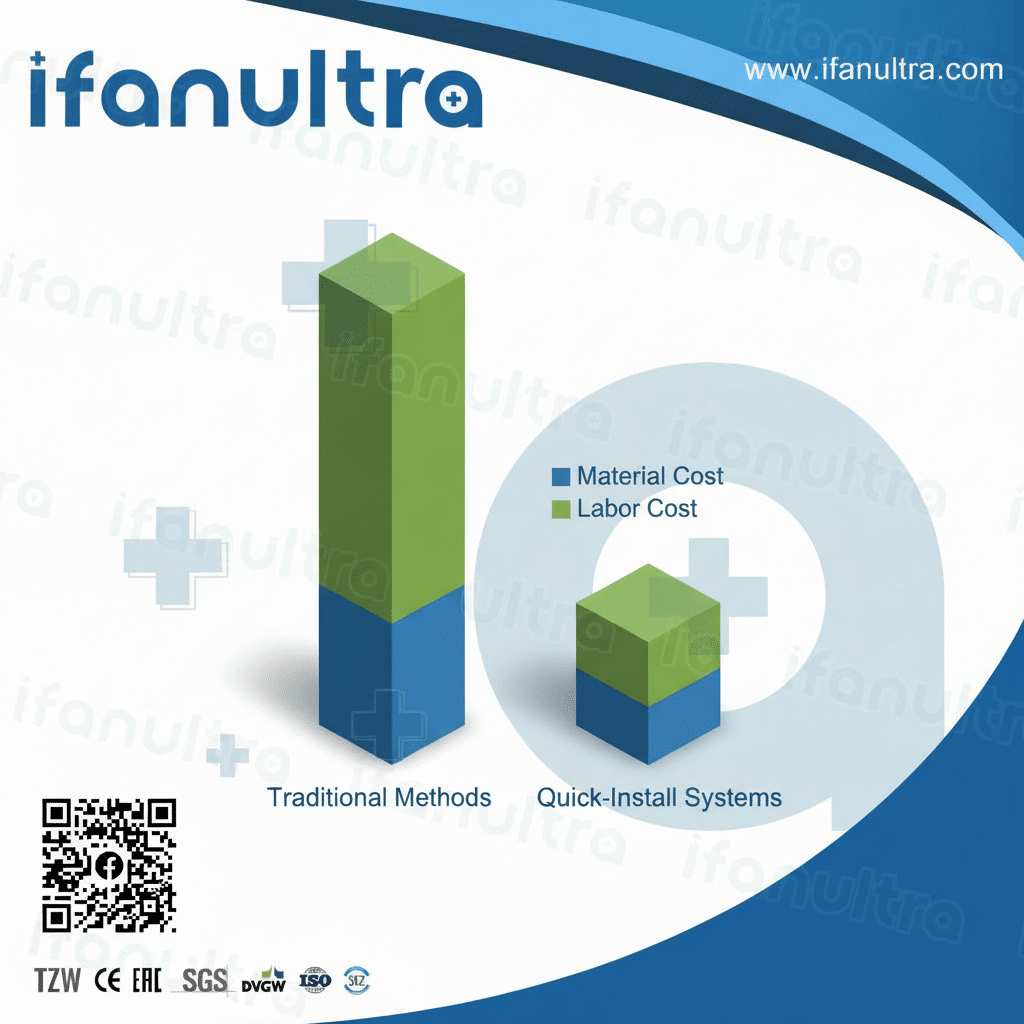
Quick-install systems have higher material costs than traditional options, typically 20-50% more for fittings. However, the labor savings often offset this difference. On projects with high labor costs or tight deadlines, the total installed cost can be lower with quick-install systems. The break-even point depends on local labor rates and project complexity.
Direct Cost Comparison
Let’s compare actual costs. The table below shows estimated costs for a typical residential bathroom rough-in:
| Cost Factor | Traditional Copper | Press-Fit Copper | Push-Fit PEX |
|---|---|---|---|
| Material Cost | $150-$200 | $200-$300 | $180-$250 |
| Labor Hours | 8-10 hours | 3-4 hours | 2-3 hours |
| Labor Cost at $50/hr | $400-$500 | $150-$200 | $100-$150 |
| Total Installed Cost | $550-$700 | $350-$500 | $280-$400 |
As the table shows, even with higher material costs, the total installed cost can be lower due to labor savings.
Hidden Cost Factors
Beyond direct material and labor costs, several other factors affect the total cost equation:
Tool Investment: Press-fit systems require expensive electric tools costing $1,500-$3,000. Push-fit requires no special tools beyond a deburring tool and depth gauge. Traditional methods require torches, threading machines, or glue applicators, which cost less but have ongoing consumable costs.
Training Time: Traditional methods require years of practice to master. Quick-install systems require hours or days of training. This reduces indirect costs related to training and supervision.
Rework and Repairs: Poor solder joints or threaded connections often fail and require rework. Quick-install systems have more consistent quality, reducing rework costs. Push-fit fittings can be removed and reused in some cases.
Schedule Impact: Faster installation means other trades can start work sooner. This compressed schedule can reduce overall project overhead and financing costs.
When Material Cost Matters Most
For small DIY projects, the higher material cost of quick-install may not justify the time savings. A homeowner fixing one leak might spend $5 on a repair coupling versus $15 on a push-fit fitting. The time saved isn’t worth the extra cost.
For large professional projects, the opposite is true. Saving 100 hours of labor at $50/hour saves $5,000. Even if materials cost $1,000 more, the net savings are $4,000.
Do Quick-Install Systems Require Special Training or Certification for Installers?
I’ve heard this concern many times from contractors. The good news is that training requirements are minimal compared to traditional methods.
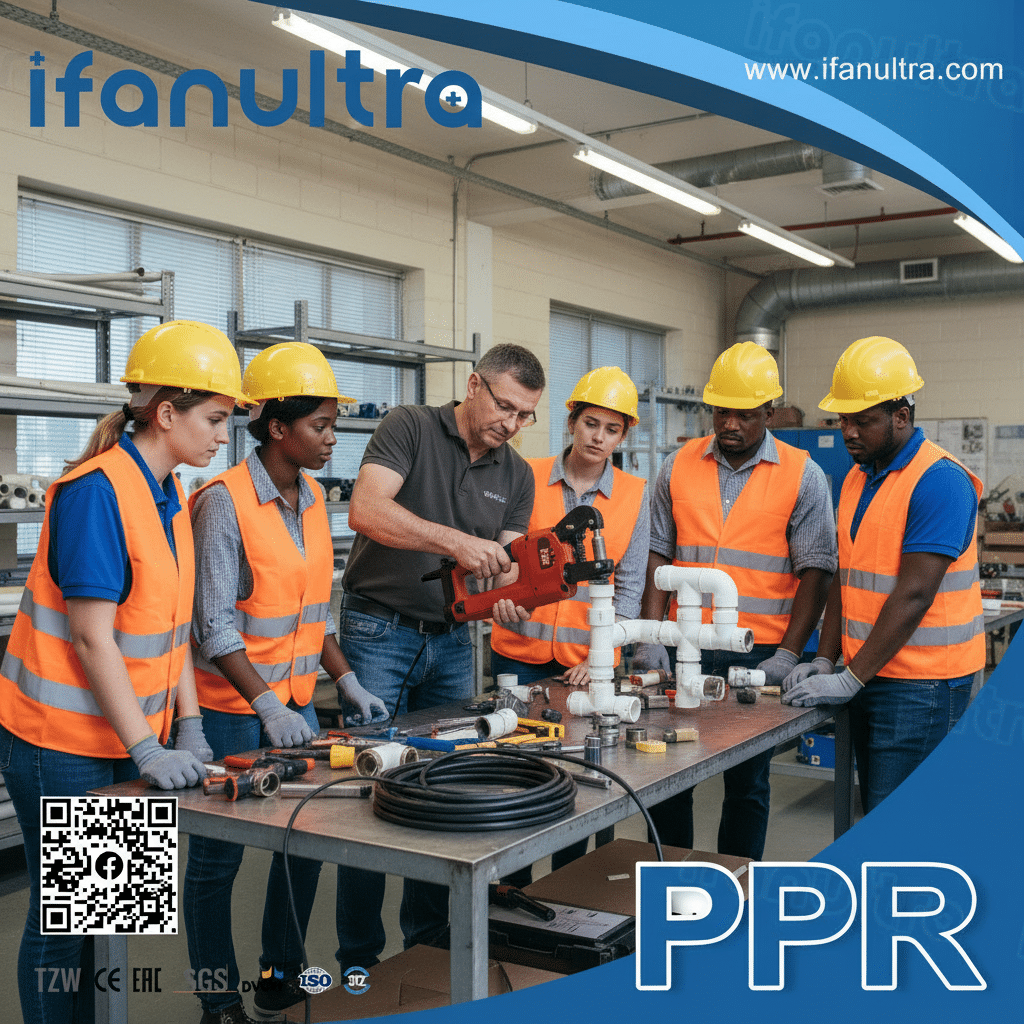
Yes, quick-install systems do require some training, but it’s minimal compared to traditional methods. Most manufacturers offer half-day or one-day training courses. Certification is often recommended but not legally required in most areas. The training focuses on proper pipe preparation, tool use, and joint inspection rather than the years of practice needed for soldering or threading.
Training Requirements by System Type
Different quick-install systems have different training needs:
Push-Fit Systems: These require the least training. Installers need to learn:
- Proper pipe cutting (square cuts matter)
- Deburring techniques
- Depth marking
- Insertion force and feel
- Disassembly methods
Most installers become proficient after 10-20 practice joints. No special certification is required for residential work in most jurisdictions.
Press-Fit Systems: These require more training due to the tool operation. Installers need to learn:
- Tool selection and maintenance
- Jaw and ring selection for different sizes
- Proper pressing technique
- Visual inspection of pressed joints
- Troubleshooting incomplete presses
Manufacturers like Viega, Uponor, and Ridgid offer half-day training courses. Many require certification to validate warranty coverage.
Comparison with Traditional Methods:
| Método | Training Time to Proficiency | Certification Required |
|---|---|---|
| Push-Fit | 1-2 hours | Usually not required |
| Press-Fit | 4-8 hours | Recommended for warranty |
| Copper Soldering | 6-12 months | License required in many areas |
| Threaded Pipe | 3-6 months | License required in many areas |
| PVC Gluing | 2-4 hours | Usually not required |
The Skills Gap Advantage
Quick-install systems address a growing problem in construction: the shortage of skilled tradespeople. Fewer young people are learning traditional plumbing skills. Quick-install systems allow less experienced workers to produce professional-quality work with minimal training.
This doesn’t mean anyone can do it. Poor installation still causes failures. Common mistakes include:
- Not deburring pipes properly (cuts O-rings)
- Inserting pipes at an angle (uneven seal compression)
- Forgetting to mark depth (incomplete insertion)
- Using wrong tool jaws (improper crimping)
However, these mistakes are easier to identify and correct than subtle soldering errors that may not show up for years.
Code and Inspection Considerations
Most building codes accept quick-install systems when installed according to manufacturer instructions. Inspectors look for:
- Proper manufacturer labeling on fittings
- Correct pipe material compatibility
- Visible depth marks showing full insertion
- Proper support and spacing
Some jurisdictions require permits and inspections regardless of the joining method. Always check local codes before starting.
In Which Project Types Do the Speed Advantages of Quick-Install Outweigh the Costs?
Different projects have different priorities. I’ve seen quick-install save entire renovation projects that would have been impossible with traditional methods.
The speed advantages of quick-install systems outweigh the costs in projects with high labor costs, tight schedules, limited access, or skilled labor shortages. These include large commercial buildings, occupied renovations, multi-family housing, and any project where downtime causes significant financial loss. For small residential DIY projects, the cost premium often exceeds the value of time saved.

Project Types Where Quick-Install Excels
1. Large Commercial Buildings
Hotels, hospitals, and office buildings have thousands of connections. The time savings multiply rapidly. A 10-story hotel might have 5,000 connections. At 5 minutes saved per connection, that’s 417 hours of labor saved. At $50/hour, that’s $20,850 in labor savings alone.
2. Occupied Renovations
When renovating occupied homes or businesses, minimizing disruption is critical. Quick-install systems reduce noise, fumes, and downtime. Tenants can return to their apartments sooner. Businesses lose less revenue. The value of this time often exceeds direct labor savings.
3. Phased Construction
On large projects where plumbing must be completed before other trades can start, faster plumbing means earlier starts for everyone. This compressed schedule can reduce overall project duration by weeks, saving significant overhead and financing costs.
4. Remote or High-Labor-Cost Areas
In areas where skilled plumbers charge $100+/hour or must travel long distances, every hour saved is worth more. The material cost premium becomes negligible compared to labor savings.
5. Projects with Skilled Labor Shortages
Many regions face shortages of licensed plumbers. Quick-install systems allow less experienced workers to perform work that traditionally required journeyman skills. This expands the available labor pool and prevents project delays.
Project Types Where Traditional Methods Make Sense
1. Small DIY Repairs
A homeowner fixing one leak doesn’t benefit from time savings. The $5 repair coupling makes more sense than $15 push-fit fitting.
2. Underground or Concealed Applications
Some quick-install systems aren’t rated for direct burial or concrete encasement. Traditional methods may be required by code for these applications.
3. High-Temperature or Specialized Applications
Some industrial applications exceed the temperature or pressure ratings of quick-install systems. Traditional welded or flanged connections remain necessary.
4. Areas with Restrictive Codes
Some jurisdictions haven’t updated codes to accept newer quick-install systems. Traditional methods may be the only approved option.
Decision Framework
Use this table to decide which approach fits your project:
| Project Factor | Choose Quick-Install If… | Choose Traditional If… |
|---|---|---|
| Labor Cost | High ($50+/hour) | Low (DIY or volunteer labor) |
| Schedule | Tight deadline | Flexible timeline |
| Connection Count | 100+ connections | Fewer than 20 connections |
| Access | Difficult or occupied space | Open, easy access |
| Skilled Labor | Scarce or expensive | Available and affordable |
| Code Requirements | Approved locally | Required by code |
Conclusión
Quick-install systems save substantial time but cost more in materials. For professional projects with high labor costs, they offer clear total cost advantages. For reliable, fast-installing pipe systems, consider IFAN’s press-fit and push-fit PPR solutions, designed for efficiency without compromising quality.









 English
 Español
 Français
 Português do Brasil