
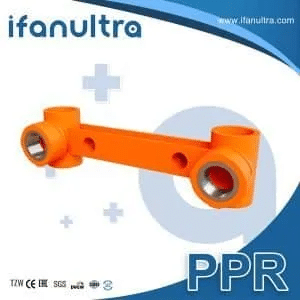
During a complex hotel plumbing project, I saw how the wrong tee fitting caused uneven water pressure. This taught me that these small parts have a massive impact on the entire system’s performance.
The main purpose of PPR tee fittings is to create a secure and leak-proof branch connection in a pipeline, allowing one main water line to split into two separate directions. They are the essential junctions that enable the effective distribution of water to multiple fixtures, like sinks, toilets, and showers, throughout a building from a single supply source.
Therefore, understanding how to use and select the right tee is critical for any successful plumbing installation. Let’s break down their roles and importance.
What is the primary purpose of PPR tee fittings in plumbing systems?
A plumber once called tees the “road intersections” of a piping network. Without them, water would only flow in a straight, useless line.
The primary purpose of a PPR tee fitting is to efficiently and reliably split or combine the flow of water within a plumbing system. It connects three pipes, allowing fluid to be drawn from a main line to a branch line, or vice versa, forming the fundamental layout for distributing water to various endpoints.
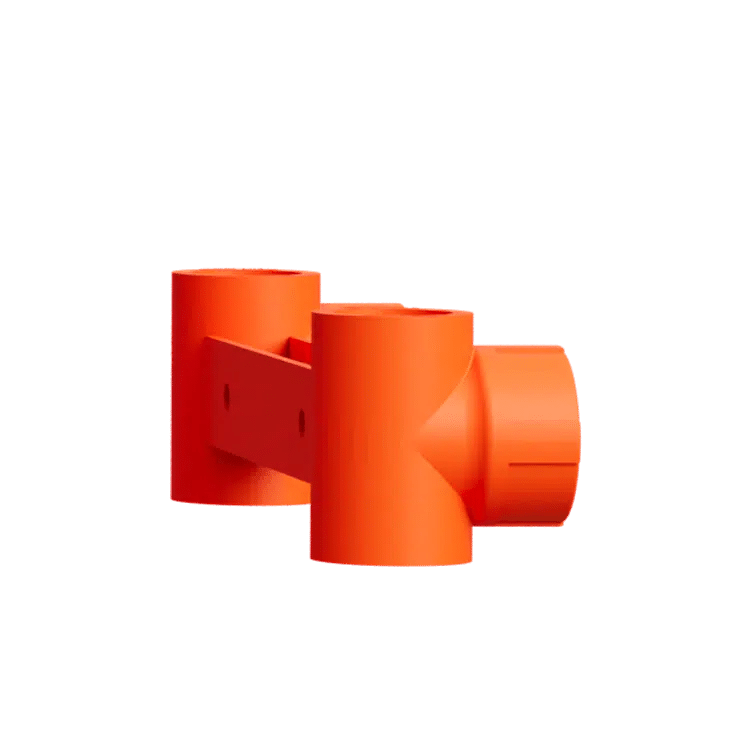
The Basic Role of a Tee
Think of your home’s plumbing like a tree. The main water line coming into your house is the trunk. To get water to the kitchen, the bathroom, and the garden hose, you need to split that trunk into branches. The PPR tee fitting is the component that makes this split possible. It is a single fitting with three openings, typically at 90-degree angles, forming a “T” shape.
Its core job is direction. It changes the path of the water flow. In a standard equal tee, all three openings are the same size. This design is used to divide the flow equally or to combine two flows into one.
More Than Just Splitting Water
However, the purpose goes beyond simple splitting. Tees are crucial for system design and functionality. They allow for the creation of complex networks within walls and floors without needing dozens of individual pipe runs from the source. This makes systems simpler, cleaner, and easier to maintain.
For example, in a residential bathroom group, a single supply line can run along the wall. Using tees, you can tap off that main line to feed the cold water inlet of the toilet, then continue to feed the cold water tap at the sink, all from one pipe. This efficiency saves materials, reduces installation time, and minimizes potential leak points compared to older, more complicated methods.
Types and Their Specific Purposes
Not all tees serve the exact same function. The table below shows common types:
| Type of PPR Tee | Primary Purpose | Common Use Case |
|---|---|---|
| Equal Tee | To split or combine flow between pipes of the same diameter. | Creating a branch line of the same size as the main line. |
| Reducing Tee | To connect a smaller branch line to a larger main line. | Tapping a 20mm pipe from a 25mm main supply to feed a sink. |
| Sanitary Tee | To connect a horizontal drain pipe to a vertical stack with a smooth flow path. | Used specifically in drain-waste-vent (DWV) systems to prevent clogs. |
In summary, the primary purpose is foundational: to be the reliable junction point that shapes the entire network, directing water exactly where it needs to go. A high-quality PPR tee, like those from IFAN, ensures this junction is as strong and durable as the pipes themselves, thanks to the heat-fusion joining method.
How do PPR tee fittings facilitate branch connections in pipeline networks?
I recall a factory retrofit where adding new equipment was easy because we used tees to create new branches from the existing overhead lines.
PPR tee fittings facilitate branch connections by providing a pre-formed, solid junction point. The main pipe is cut, and the tee is fused into the gap. The branch pipe is then fused onto the third opening of the tee. This creates a permanent, monolithic connection that is perfectly aligned and sealed, eliminating the weaknesses of mechanical junctions.
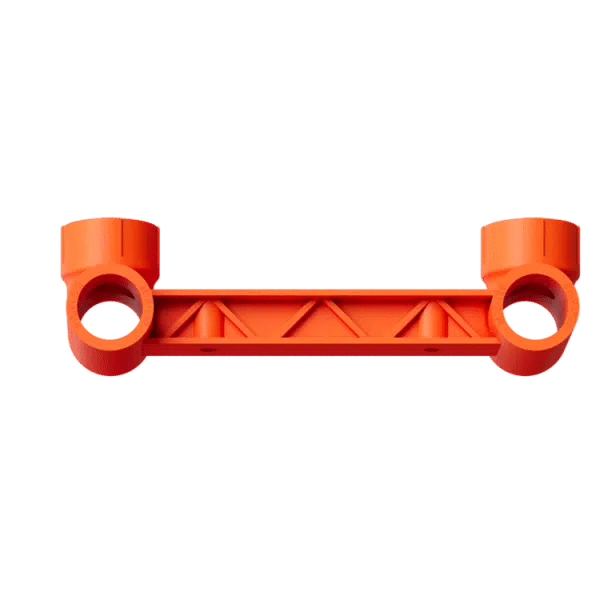
The Mechanics of Creating a Branch
Creating a branch connection with traditional metal pipes often involves threading, welding, or using mechanical clamp-style fittings. These methods can weaken the pipe or create unreliable seals. The PPR system simplifies and strengthens this process through thermal fusion.
Here is a step-by-step look at how it works:
- Planning and Cutting: The plumber identifies the exact point on the main pipeline where the branch is needed. The pipe is cut cleanly at that point, creating two ends.
- Fusing the Tee: The two ends of the main pipe are heated along with the two opposite openings of the tee fitting. They are quickly joined, effectively inserting the tee into the line. The main flow path is restored through the tee.
- Adding the Branch: The end of the new branch pipe is heated along with the third, perpendicular opening of the tee. They are fused together. Now, water can flow from the main line, into the tee, and out through the new branch.
This process results in a seamless connection. The fused plastic becomes one solid piece at the molecular level.
Advantages Over Other Methods
This method offers clear advantages for network building:
- Fuerza: The fused joint is stronger than the pipe itself. There is no risk of it loosening from vibration or pressure changes.
- Speed: Once the tool is hot, creating each fusion joint takes seconds. Building a complex network is much faster than threading or soldering.
- Cleanliness: No debris from threading or flux from soldering enters the pipe. This keeps the system clean from the start.
- Flexibility: It is remarkably easy to modify or extend the network later. A new branch can be added by cutting into an existing pipe and fusing in a new tee.
Ensuring Proper Flow and Pressure
A well-designed branch connection using a properly sized tee minimizes disruption to the main water flow and pressure. Using a reducing tee for smaller branches helps maintain pressure in the main line. The smooth inner bore of the PPR tee also reduces turbulence and friction loss, ensuring efficient water delivery to the branch line. This reliability in creating branches is why PPR systems are preferred for both simple residential and complex commercial networks.
Why are PPR tees essential for distributing hot and cold water effectively?
A common complaint in apartments is inconsistent shower temperature. Often, the culprit is poorly planned tee connections that disrupt balanced flow.
PPR tees are essential for effective hot and cold water distribution because they provide thermally stable, corrosion-free junctions that maintain consistent water flow and temperature. Their smooth interior prevents scale buildup that can restrict flow, and their fused construction ensures no leaks that could lead to pressure drops or thermal loss in the lines.
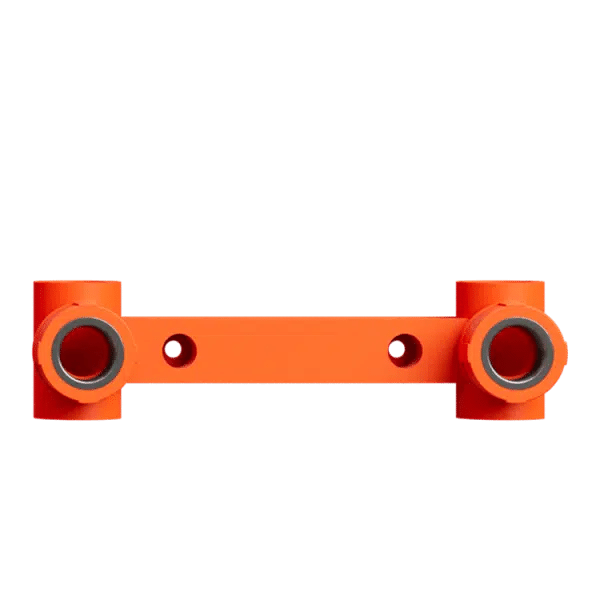
Maintaining System Integrity for Temperature Control
Distributing hot and cold water isn’t just about getting water from point A to points B and C. It’s about delivering it at the right temperature and pressure. PPR tees play a key role in this.
First, the material itself is ideal for both hot and cold water. PPR can handle continuous high temperatures (up to 70°C or higher for some grades) without degrading. A tee fitting will not become brittle or weak on the hot water line. Similarly, it remains tough and impact-resistant on the cold water line. This material consistency across all fittings and pipes simplifies system design and installation.
The Problem of Flow Resistance
Ineffective distribution often stems from flow restrictions. In metal systems, tees can have sharp, turbulent internal geometries, and they are prone to internal corrosion and scale buildup over time. This buildup acts like a clog, reducing the amount of water that can pass through the branch. A partially clogged tee on a hot water line means less hot water reaches your shower, causing the temperature to drop.
PPR tees solve this. Their molded design allows for smooth, radiused internal corners that guide water flow with minimal turbulence. More importantly, the non-stick surface of PP-R prevents limescale and mineral deposits from adhering. Over years of use, the internal diameter of the tee remains virtually unchanged, preserving the designed flow rate and water pressure to each fixture.
Ensuring Balanced Pressure
For a shower to deliver a steady, comfortable mix, the hot and cold water pressures feeding it must be balanced. Leaky or poorly sealed tee fittings can cause pressure drops in one line, leading to sudden temperature fluctuations. The socket-fusion welding of PPR tees creates a perfect, permanent seal. This leak-proof guarantee means the pressure that enters the system is the pressure that arrives at the fixture, ensuring predictable and stable performance.
Application in Manifold Systems
Modern plumbing often uses a manifold system, which is like a central control panel for water distribution. A single hot and a single cold water line feed into a manifold, and from it, individual branches run directly to each fixture (shower, sink, toilet). PPR tees are the fundamental components inside this manifold, creating all the necessary branches. Using identical, high-quality PPR tees for every connection in this critical unit guarantees uniform flow and reliable performance throughout the entire home. Selecting tees from a trusted supplier like IFAN, which guarantees material purity and dimensional accuracy, is therefore crucial for effective temperature distribution.
What should you consider when selecting PPR tee fittings for different applications?
A client once ordered the wrong size reducing tee, causing a week-long delay. Selecting the right fitting is a technical decision, not a guess.
When selecting PPR tee fittings, you must consider the pipe diameter (size), the pressure rating (PN value), the material grade (for temperature), and the specific type of tee needed (equal, reducing, sanitary). You also need to verify relevant certifications for drinking water safety and ensure the fittings are compatible with your PPR pipe brand and fusion machine.
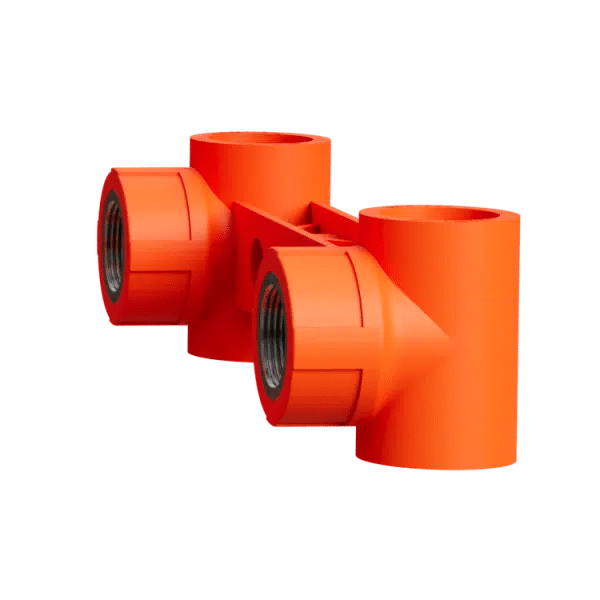
Key Selection Factors
Choosing a tee is not a one-size-fits-all process. Using the wrong tee can lead to system failure, pressure loss, or compliance issues. Here are the critical factors to evaluate:
1. Size and Type:
This is the most basic yet vital consideration. You must match the tee’s ports to your pipe sizes.
- Equal Tee (e.g., 25mm x 25mm x 25mm): Used when all three connecting pipes are the same diameter.
- Reducing Tee (e.g., 32mm x 25mm x 32mm): The branch port is a different size (usually smaller) than the two main run ports. You must specify the exact dimensions: Main Run x Branch x Main Run.
2. Pressure Rating (PN):
PPR pipes and fittings are classified with a PN (Pressure Nominal) number, like PN20 or PN25. This indicates the maximum continuous water pressure the component can handle at 20°C. For residential hot and cold systems, PN20 is common. For higher-pressure mains or commercial applications, PN25 or higher is required. Always match the PN rating of your tees to your pipes.
3. Material Grade:
PPR comes in different grades, primarily PP-R (Type 3) and PP-RCT (Type 4). PP-RCT is a newer, more resistant material that can handle higher temperatures and pressures in a thinner wall. For standard residential hot water, quality PP-R is sufficient. For central heating or demanding commercial use, PP-RCT may be specified.
Application-Specific Checklist
Use this table as a guide for common applications:
| Aplicación | Key Considerations | Recommended Tee Type |
|---|---|---|
| Residential Cold Water | Pipe size, PN20 rating, drinking water (NSF/ANSI 61) certification. | Equal or Reducing Tee (PP-R) |
| Residential Hot Water | All of the above, plus material grade suitable for temperatures >70°C. | Equal or Reducing Tee (PP-R or PP-RCT) |
| Underfloor Heating Manifolds | High temperature resistance, precise sizing for balanced flow loops. | High-quality Equal Tees (often PP-RCT) |
| Drain-Waste-Vent (DWV) | Smooth flow design to prevent clogging. Never use a pressure tee for drainage. | Sanitary Tee |
4. Certifications and Quality:
Always look for independent certifications. NSF/ANSI 61 is the gold standard for potable water safety. This ensures the material does not leach harmful substances. Reputable manufacturers like IFAN provide these certifications, offering peace of mind and ensuring compliance with building codes.
5. Brand and Tool Compatibility:
For a perfect fusion weld, the fitting and pipe should be from the same manufacturer or confirmed to be compatible. The fusion machine’s heating plate attachments must also match the exact outer diameter of the fittings. Inconsistent dimensions between brands can lead to weak joints.
In short, selecting the right tee requires careful attention to the system’s technical requirements. Partnering with a knowledgeable supplier who can provide certified, compatible products and technical support, like IFAN, prevents costly mistakes and ensures a long-lasting, reliable plumbing network.
Conclusión
PPR tee fittings are the critical junctions that shape reliable and efficient water distribution networks. For your next project, ensure optimal performance by choosing the right PPR tees from IFAN.









 English
 Español
 Français
 Português do Brasil