
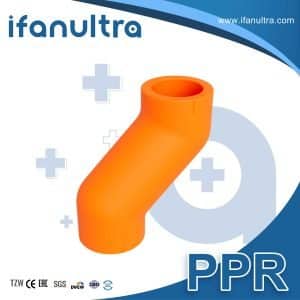
What Are PPR S Bends?
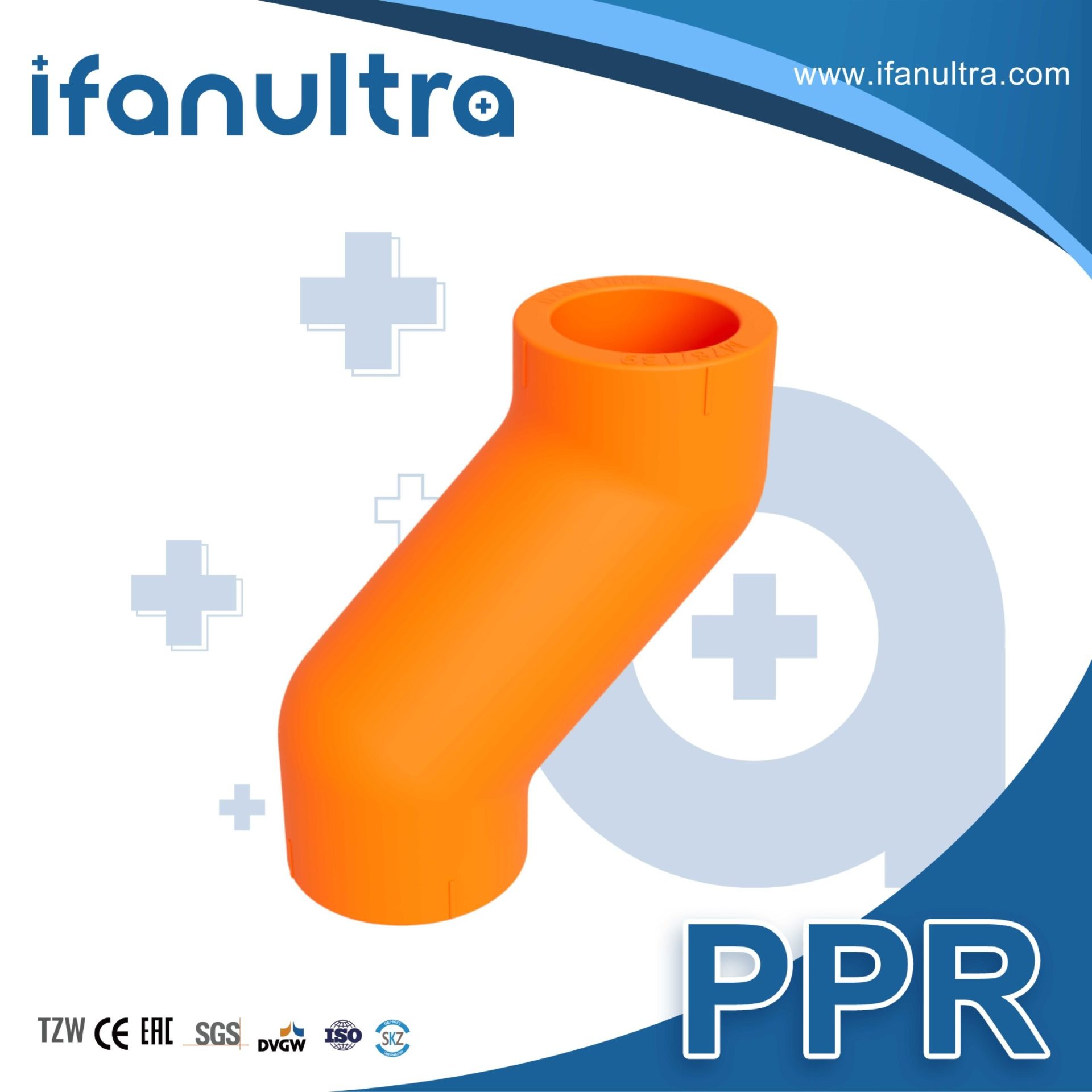
PPR S bend fittings are curved pipe connectors designed for polypropylene random copolymer systems. These fittings create smooth directional changes in plumbing installations. The S-shaped curve reduces pressure loss compared to multiple elbow joints.
Professional contractors choose PPR S bends for residential and commercial projects. The unique design eliminates sharp turns that cause turbulence. This results in better water flow and system efficiency.
Key Benefits of High Quality PPR S Bends
Superior Material Properties
Premium PPR S bends resist corrosion and chemical damage. They withstand temperatures up to 95°C under normal pressure conditions. The material maintains flexibility across temperature ranges.
High-grade PPR offers excellent impact resistance. These fittings won’t crack under thermal expansion stress. Quality manufacturing ensures consistent wall thickness throughout the bend.
Long-Term Durability
Quality PPR S bends last 50+ years in proper installations. The material resists scaling and mineral buildup. This means lower maintenance costs over time.
UV-resistant formulations prevent degradation from sunlight exposure. Anti-bacterial properties maintain water quality standards. These features make PPR ideal for potable water systems.
Easy Installation Process
PPR S bends use heat fusion joining methods. This creates leak-proof connections stronger than the pipe itself. No threads, gaskets, or adhesives required.
The lightweight design reduces installation time. Contractors can handle larger diameter fittings easily. Fewer joints mean reduced labor costs.
Wholesale Advantages for Contractors
Cost-Effective Bulk Pricing
Wholesale PPR S bend purchases offer significant savings. Volume discounts reduce per-unit costs substantially. This improves project profit margins.
Direct factory pricing eliminates middleman markups. Consistent quality control ensures reliable performance. Bulk orders guarantee inventory availability for large projects.
Custom Sizing Options
Many wholesale suppliers offer custom diameter options. Special angles accommodate unique installation requirements. Custom wall thickness meets specific pressure ratings.
OEM manufacturing capabilities support private labeling. This helps contractors build their brand recognition. Custom packaging options enhance professional presentation.
Quality Standards to Consider
Manufacturing Certifications
Look for ISO 15874 compliance in PPR S bends. This international standard ensures material quality and performance. NSF certification confirms potable water safety.
Third-party testing validates pressure ratings and temperature limits. Quality manufacturers provide comprehensive test reports. These documents support warranty claims and code compliance.
Inspection Criteria
Premium PPR S bends have smooth interior surfaces. Check for consistent wall thickness throughout the bend. Proper dimensions ensure compatibility with standard PPR pipes.
Color consistency indicates proper material mixing during manufacturing. Avoid fittings with visible contamination or air bubbles. These defects can lead to premature failure.
Applications and Use Cases
Residential Plumbing Systems
PPR S bends work well in hot and cold water distribution. They’re ideal for connecting water heaters and fixtures. The smooth curves reduce noise from water hammer.
Kitchen and bathroom installations benefit from the compact design. S bends fit in tight spaces where multiple elbows won’t work. This saves valuable installation space.
Commercial and Industrial Projects
Large-diameter PPR S bends handle high-flow applications efficiently. They’re common in hotels, hospitals, and office buildings. The durable construction withstands heavy usage patterns.
Industrial process water systems use PPR S bends for chemical resistance. Food processing facilities appreciate the sanitary properties. Clean-in-place systems work effectively with smooth PPR surfaces.
Sizing and Specification Guide
Common Diameter Ranges
Standard PPR S bends range from 20mm to 160mm diameter. Smaller sizes suit residential applications perfectly. Larger diameters handle commercial flow requirements.
Wall thickness varies by pressure class and diameter. PN10, PN16, and PN20 ratings cover most applications. Choose appropriate pressure ratings for system requirements.
Métodos de conexión
Heat fusion remains the preferred joining method for PPR systems. Electrofusion fittings offer precision in critical applications. Mechanical connections provide temporary or serviceable joints.
Proper fusion temperatures ensure reliable connections. Follow manufacturer guidelines for heating times. Quality tools produce consistent, leak-free joints.
Sourcing Reliable Wholesale Suppliers
Ventajas de Factory Direct
Direct manufacturer relationships offer better pricing and support. Factory visits allow quality system verification. Technical support helps with specification questions.
Established manufacturers invest in quality control systems. They maintain consistent production standards. Direct communication speeds up custom order processing.
Supply Chain Considerations
Reliable suppliers maintain adequate inventory levels. Fast shipping ensures project schedules stay on track. Local warehousing reduces delivery times and costs.
Quality packaging protects products during shipping. Proper labeling simplifies inventory management. Clear documentation supports installation teams.
Buenas prácticas de instalación
Preparation Steps
Clean pipe ends thoroughly before fusion welding. Proper alignment prevents stress concentrations. Mark fusion depths for consistent joint quality.
Use appropriate fusion equipment for pipe diameter. Maintain proper heating element temperatures. Allow adequate cooling time before handling joints.
Quality Control Measures
Visual inspection identifies poor fusion joints immediately. Pressure testing validates system integrity before commissioning. Document all test results for warranty purposes.
Train installation crews on proper PPR techniques. Regular equipment calibration maintains joint quality. Follow manufacturer recommendations strictly.
Cost Analysis and ROI
Initial Investment Comparison
PPR S bends cost more initially than some alternatives. However, the total installed cost often proves competitive. Reduced labor and no special tools offset material costs.
Wholesale pricing improves project economics significantly. Volume purchases spread logistics costs across more units. This creates better profit margins for contractors.
Long-Term Value Proposition
PPR systems require minimal maintenance over their lifespan. No corrosion means fewer replacement costs. Energy efficiency improves from smooth flow characteristics.
Warranty coverage protects against material defects. Quality suppliers stand behind their products. This reduces risk for contractors and building owners.
Conclusión
Wholesale high-quality PPR S bends offer excellent value for plumbing contractors. The combination of durability, performance, and cost-effectiveness makes them ideal for modern









 English
 Español
 Français
 Português do Brasil