
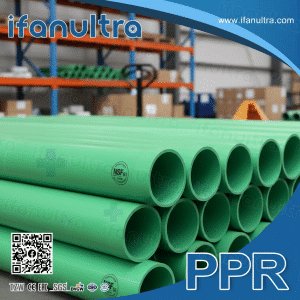
I once had a client whose entire container shipment got rejected at US customs because their pipes lacked proper certification. That costly lesson taught me that NSF/ANSI 61 isn’t just paperwork—it’s your entry ticket to the North American market.
The NSF/ANSI 61 standard directly affects pipe selection by setting strict health requirements for drinking water system components. It forces specifiers and buyers to choose only products made with materials that won’t leach harmful contaminants into water. In many US jurisdictions, selecting a pipe without NSF 61 certification is simply not a legal option.
This standard shapes every aspect of pipe manufacturing, from raw material choices to quality control processes. Let’s examine exactly how it influences your purchasing decisions.
What Contaminants Does NSF/ANSI 61 Testing Screen for in Drinking Water Products?
When water sits in pipes, it can pick up unwanted passengers. I’ve learned that what you can’t see in your water often matters more than what you can.
NSF/ANSI 61 testing screens for over 500 potential contaminants that could leach from pipe materials into drinking water. These include heavy metals like lead and cadmium, volatile organic compounds (VOCs), plasticizers like bisphenol A (BPA), and microbial growth promoters. The test measures if any of these substances migrate from the pipe into the water at levels above established safety limits.
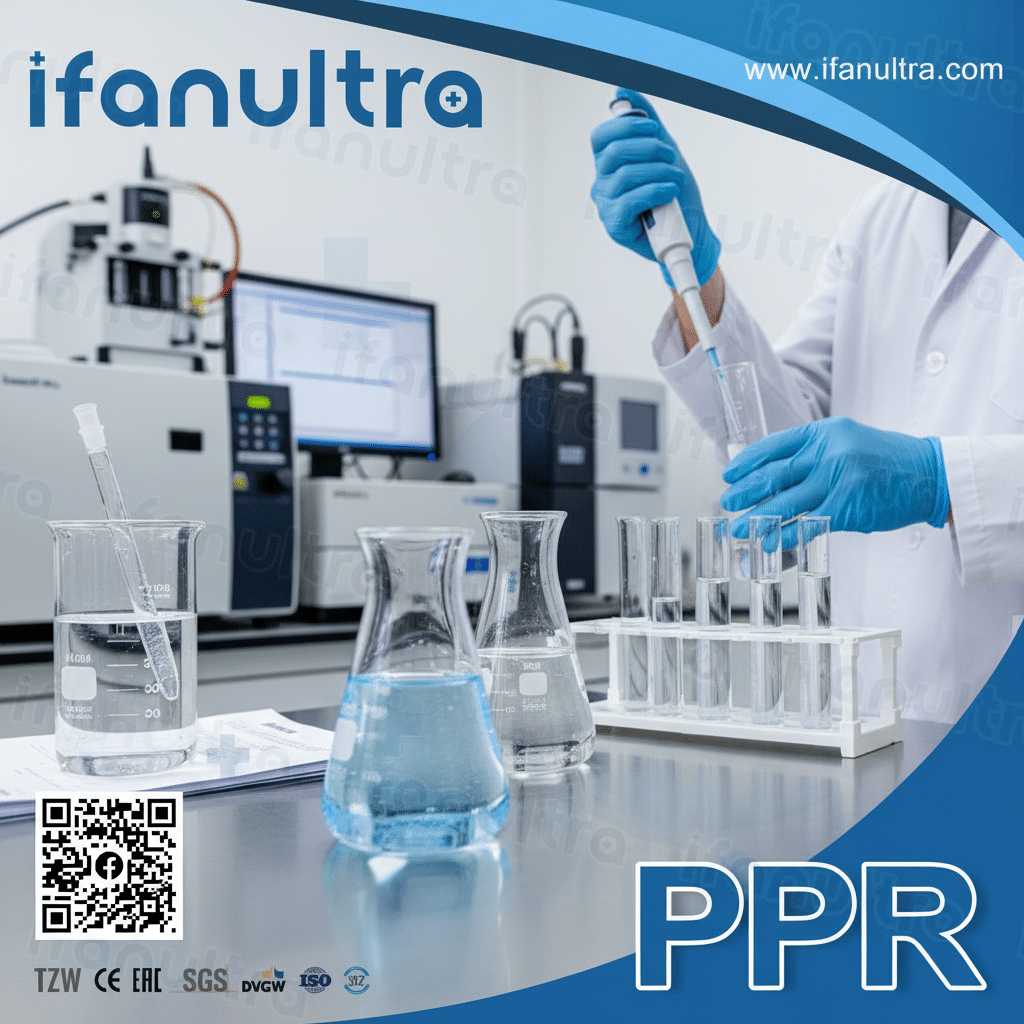
The Three Main Contaminant Categories
NSF/ANSI 61 organizes its testing around specific types of harmful substances. Understanding these categories helps you appreciate why the standard exists.
1. Metals and Inorganics: This group includes the most notorious drinking water threats. Lead, cadmium, mercury, and arsenic can all leach from poorly formulated pipe materials. Even copper, which we often consider safe, can leach at harmful levels if water chemistry is aggressive. The standard sets strict extraction limits for each metal.
2. Organic Chemicals: These come from plasticizers, stabilizers, and other additives used in pipe manufacturing. Common examples include:
- Bisphenol A (BPA): Used in some epoxy coatings and plastics
- Phthalates: Added to make plastics flexible
- Styrene: A building block of certain polymers
- Vinyl chloride: The monomer used to make PVC
3. Disinfection Byproducts and Microbial Growth Promoters: Some pipe materials can react with chlorine or chloramine in treated water, forming harmful byproducts. Others may contain nutrients that encourage bacterial growth inside pipes, affecting water taste and safety.
The Testing Protocol
To screen for these contaminants, NSF conducts a three-phase test:
| Test Phase | What They Do | What They Measure |
|---|---|---|
| Phase 1: Composition Review | Examine the product’s配方 for restricted substances | Identifies banned materials before testing begins |
| Phase 2: Extraction Testing | Fill pipes with test water and let it sit for set periods | Measures contaminants leaching over time |
| Phase 3: End-Use Evaluation | Test the complete system under real-world conditions | Confirms all components work safely together |
The result is a comprehensive safety profile. Only products passing all phases earn the NSF 61 mark.
Why Is NSF 61 Certification Mandatory for Plumbing in Many US Jurisdictions?
Local codes exist to protect public health. I’ve watched cities reject perfectly functional pipes simply because they lacked the right stamp.
NSF 61 certification is mandatory because the Safe Drinking Water Act requires that all products contacting drinking water meet specific safety standards. Most US states and local plumbing codes directly reference NSF 61 as the accepted method for proving compliance. Without this certification, building inspectors will not approve the installation, and the system cannot legally be used.

Legal Framework and Enforcement
The requirement starts at the federal level but gets enforced locally.
The Safe Drinking Water Act (SDWA) gives the EPA authority to set national health standards for drinking water. While the EPA doesn’t directly certify products, it recognizes third-party standards like NSF 61 as acceptable ways to prove compliance. This creates a clear path for manufacturers and buyers.
Individual states then adopt plumbing codes based on model codes like the Uniform Plumbing Code or International Plumbing Code. Both of these model codes specifically require NSF 61 certification for any product that contacts drinking water. When a city adopts one of these codes, NSF 61 becomes law in that jurisdiction.
What Happens Without Certification
The consequences of ignoring this requirement can be severe:
At the Design Stage:
- Engineers will specify only NSF 61 certified products in their plans
- Non-certified alternatives get rejected during value engineering reviews
- Projects cannot proceed without compliant materials
During Construction:
- Building inspectors check product markings against approved lists
- Non-certified products trigger failed inspections
- Contractors face expensive delays while sourcing replacements
After Installation:
- Liability shifts to the installer if contamination occurs
- Insurance claims may get denied
- Future renovations may require removing non-compliant piping
Common Exemptions and Special Cases
Some products fall outside NSF 61 requirements:
| Product Category | NSF 61 Required? | Notes |
|---|---|---|
| In-building potable water pipes | Yes | All distribution piping requires certification |
| Water main pipes | Yes | Utility-owned systems must comply |
| Drainage pipes | No | Not carrying drinking water |
| Temporary construction water | Maybe | Depends on local codes and duration of use |
Even in exempt cases, many specifiers still require NSF 61 as good practice.
How Does the Standard Impact Material Formulation and Manufacturing Processes?
Behind every certified pipe lies a manufacturer’s commitment to clean production. I’ve seen companies completely reformulate products to meet these requirements.
NSF 61 fundamentally changes how manufacturers formulate materials and control production. It bans many traditional additives, forces tighter quality control, and requires ongoing testing to verify that every production batch meets the same safety standards. This transforms pipe making from simple extrusion into a carefully managed chemical process.
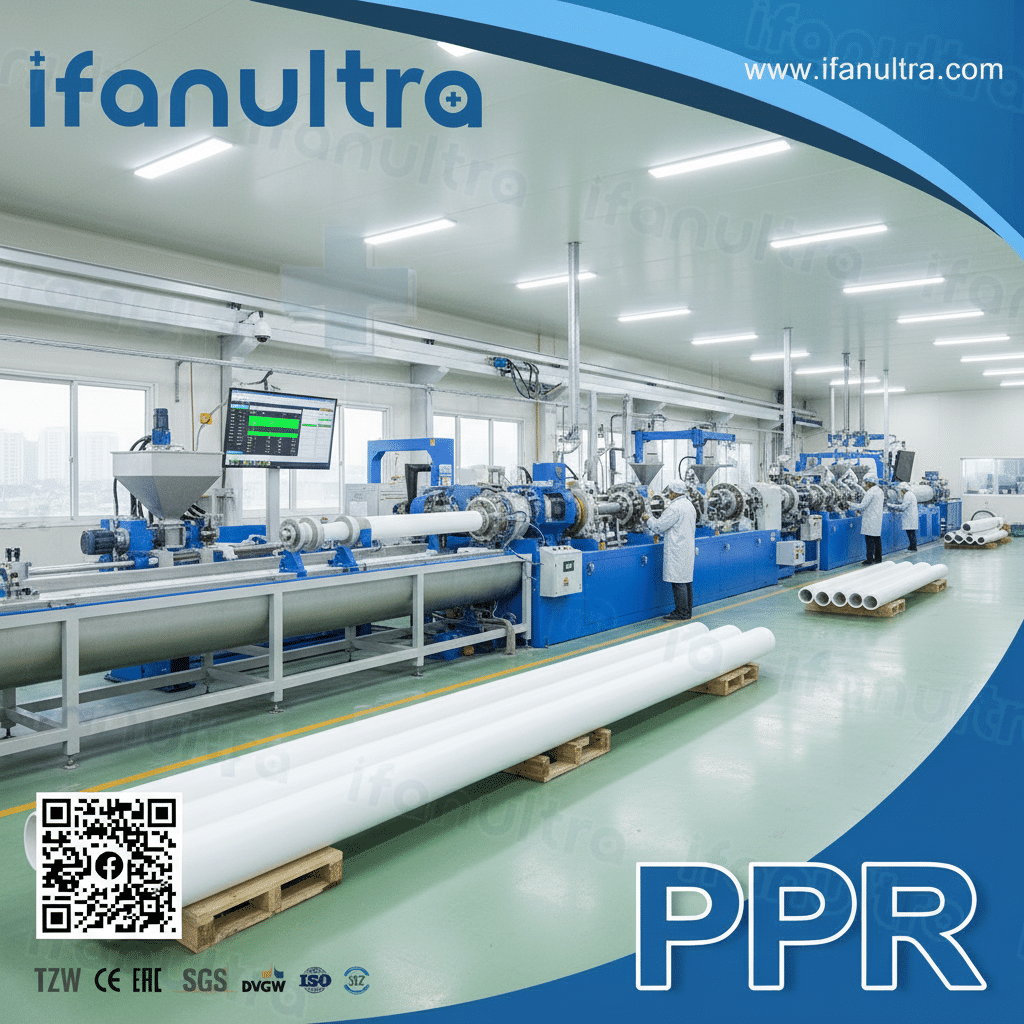
Reformulating Materials
The standard’s impact starts at the raw material level. Many common additives used in conventional plastics cannot pass NSF 61 testing.
Lead Stabilizers: Historically, PVC and other plastics used lead compounds as heat stabilizers during processing. NSF 61 effectively bans these because lead leaches into water. Manufacturers must switch to calcium-zinc or organic stabilizers instead.
Heavy Metal Pigments: Bright colors often came from cadmium or lead-based pigments. Certified products must use organic pigments or other safe alternatives, even if this limits color options.
Recycled Content: Using recycled plastic becomes complicated. NSF requires full disclosure of all material sources, and recycled content may introduce unknown contaminants. Many certified products use 100% virgin materials to guarantee purity.
Production Process Changes
Beyond formulation, manufacturing itself must adapt:
Dedicated Production Lines: Cross-contamination is a real concern. A line that made lead-stabilized pipe yesterday cannot make NSF certified pipe today without thorough cleaning. Many manufacturers dedicate specific lines exclusively to certified products.
Temperature Control: Processing temperatures affect chemical stability. Running too hot can break down additives, potentially creating new contaminants. Certified production requires precise temperature monitoring and control.
Documentation Requirements: Every batch needs complete traceability. Manufacturers must record:
- Raw material lot numbers
- Processing conditions
- Quality test results
- Shipping destinations
Ongoing Compliance Costs
Maintaining certification adds ongoing expenses:
| Cost Category | What It Covers | Typical Frequency |
|---|---|---|
| Annual Certification Fee | Maintaining listing with NSF | Yearly |
| Unannounced Plant Inspections | Verifying production practices | Twice per year |
| Retesting | Confirming product still meets standards | Every 5 years |
| Material Change Review | Approving any formula changes | As needed |
These costs get passed to buyers, which explains why certified products often cost more than uncertified alternatives.
What Documentation Proves Compliance with NSF/ANSI 61 Requirements?
Paperwork matters as much as pipes. I’ve learned that without proper documentation, your certified product might as well be uncertified.
Proper documentation proving NSF/ANSI 61 compliance includes a current, product-specific NSF certification listing, the official NSF mark on the product or packaging, and a Certificate of Compliance from the manufacturer. Buyers should verify listings directly on the NSF International website to confirm validity, as counterfeit claims exist in the market.
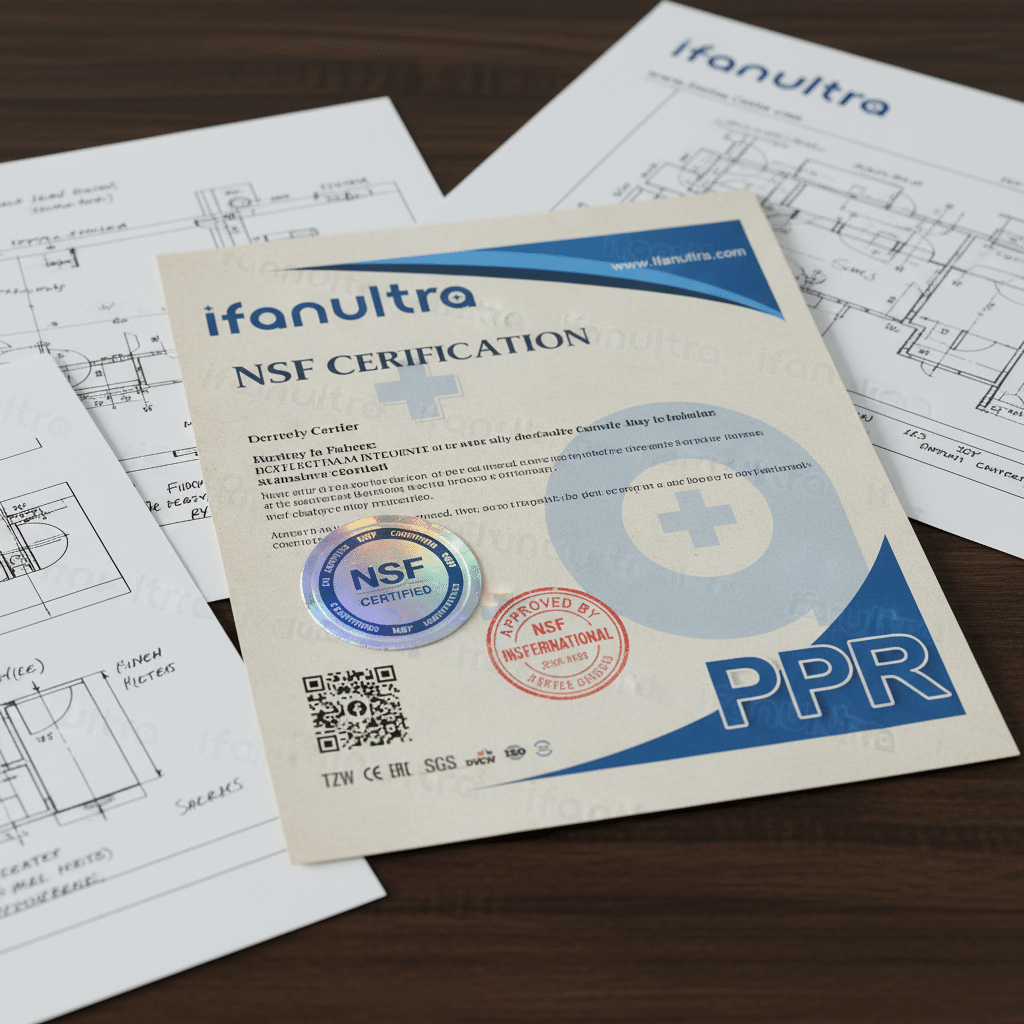
The Three Essential Proof Points
To confidently prove compliance, you need all three of these elements:
1. Current NSF Listing: Every certified product appears in NSF’s online database. This public listing shows:
- Exact product name and model numbers
- Certified materials and sizes
- Current certification status
- Original certification date and expiration
Always check this database. A product claiming certification that isn’t listed has either let their certification lapse or never had it.
2. Product Marking: Certified products carry the NSF mark directly on them. For pipes, this usually appears as a printed line running the length of the pipe, repeating every few feet. The marking includes:
- The NSF logo
- The specific standard (NSF 61)
- The manufacturer’s name or code
- Production date codes
3. Certificate of Compliance: For large orders, request a formal Certificate of Compliance from your supplier. This document should:
- Reference specific purchase order numbers
- List the products shipped
- State they meet NSF 61 requirements
- Bear an authorized signature
Red Flags and Verification Tips
Experience has taught me to watch for these warning signs:
| Bandera Roja | What It Might Mean | Action to Take |
|---|---|---|
| “Compliant but not certified” | Manufacturer cut corners | Demand actual certification |
| Old certification date | May have lapsed | Verify current status online |
| Generic claims without specifics | Hiding something | Request written proof |
| Can’t provide lot traceability | Poor quality control | Find another supplier |
Maintaining Compliance Documentation
Documentation needs don’t end at purchase. You should:
- Keep records permanently: Plumbing systems last decades. You may need proof years later during renovations or liability claims.
- Match shipments to certificates: Verify that delivered products match certified specifications.
- Update when standards change: NSF 61 periodically updates. Ensure your product meets the current version.
For IFAN customers, we provide complete documentation packages with every shipment, including current NSF listings and product-specific certificates. We encourage buyers to verify our listings online for complete confidence.
Conclusión
NSF/ANSI 61 shapes every aspect of pipe selection, from material safety to legal compliance. Choose IFAN’s certified PP-R pipes for guaranteed compliance, complete documentation, and peace of mind in every installation.









 English
 Español
 Français
 Português do Brasil