
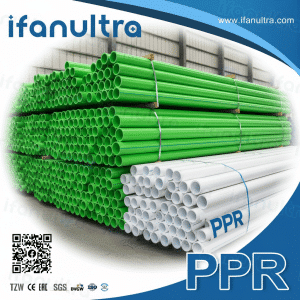
I once had a client reject an entire shipment because the new pipes were slightly darker than their existing stock. That expensive lesson taught me that color consistency matters more than most buyers realize.
You ensure color consistency across batches by implementing a systematic approach that includes: 1) Using precise masterbatch formulas with controlled dosing, 2) Establishing clear tolerance ranges with your manufacturer, 3) Verifying color at multiple stages during production, and 4) Conducting final inspection before shipment. This prevents mismatched batches that can ruin a project’s appearance and your reputation.
Color variation might seem like a cosmetic issue, but for many projects, it signals poor quality control. Let’s explore how to get it right every time.
What Role Do Masterbatch Formulas and Pigment Dosing Play in Color Matching?
I’ve watched manufacturers guess at color mixing. The results are never good. Precision here saves headaches later.
Masterbatch formulas and pigment dosing are the foundation of color consistency. A precise masterbatch recipe ensures the base color is correct, while accurate dosing equipment delivers the exact same amount of pigment into every batch of raw material. Without both elements working together, color variation becomes inevitable.

Understanding Masterbatch Basics
Masterbatch is a concentrated mixture of pigments encapsulated in a carrier resin. Think of it like cake mix. If you add too much water, the cake changes. Similarly, the ratio of masterbatch to base polymer determines the final color.
For plastic pipes, manufacturers typically use a dosing machine that adds masterbatch pellets to natural polymer pellets during the extrusion process. The machine should maintain a consistent percentage, usually between 1% to 5% depending on the color intensity required.
The Two Critical Factors
1. Masterbatch Formula Quality:
The masterbatch itself must be consistent from batch to batch. Reputable masterbatch suppliers use:
- High-quality pigments that resist heat degradation during extrusion
- Consistent carrier resins that match the base polymer
- Thorough mixing to ensure even pigment distribution
Poor masterbatch might contain pigment agglomerates (clumps) that create dark spots or streaks in the finished pipe. It might also use cheap pigments that burn or change color under the heat of the extrusion process.
2. Dosing Accuracy:
Even perfect masterbatch fails with inaccurate dosing. The dosing equipment must:
| Dosing Factor | Por que é importante | What Can Go Wrong |
|---|---|---|
| Feed Rate Stability | Ensures constant masterbatch percentage | Worn screws or belts cause inconsistent feeding |
| Calibration | Confirms the set rate matches actual output | Drifting calibration leads to gradual color shift |
| Material Flow | Prevents bridging or clogging in the hopper | Moisture or static causes masterbatch to stick |
Real-World Impact
A difference of just 0.1% in masterbatch dosing can create a noticeable color shift, especially in darker colors like gray or black. For light colors like white or beige, even minor contamination from uncleaned equipment between runs can cause problems.
At IFAN, we use gravimetric dosing systems rather than volumetric ones. Gravimetric systems weigh the material continuously and adjust feed rates automatically. This delivers accuracy within ±0.1%, while volumetric systems can drift by 1-2% as material density changes.
Practical Advice for Buyers
When selecting a supplier, ask these questions:
- “Where do you source your masterbatch?”
- “Do you use gravimetric or volumetric dosing?”
- “How often do you calibrate your dosing equipment?”
The answers will tell you a lot about their commitment to color consistency.
How Do You Establish an Acceptable Color Tolerance Range With the Manufacturer?
Many disputes start because nobody defined “close enough” before production began. Clear agreements prevent this.
You establish an acceptable color tolerance range by providing a physical reference standard (like an approved sample or a color chip) and agreeing on a measurable delta E value using a spectrophotometer. This removes subjective opinions like “this looks slightly different” and replaces them with objective data that both parties accept.

The Problem with Visual Assessment
Human eyes are terrible at judging color consistently. Lighting conditions change. Fatigue affects perception. Two people see the same color differently. One person sees differently on Monday versus Friday.
I learned this when a client rejected pipes that looked fine to me. Under their warehouse lighting, the color appeared different. We had no objective way to resolve who was right.
The Solution: Delta E and Spectrophotometers
A spectrophotometer is a device that measures color numerically. It provides readings in a standardized color space, typically Lab* (pronounced L-star, a-star, b-star):
- L* measures lightness (0 = black, 100 = white)
- a* measures green to red (negative = green, positive = red)
- b* measures blue to yellow (negative = blue, positive = yellow)
Delta E (ΔE) is the calculated difference between two color measurements. Industry standards typically define acceptable ranges:
| Aplicativo | Typical Acceptable Delta E | Notes |
|---|---|---|
| Visible plumbing (exposed pipes) | ΔE < 1.0 | Very tight tolerance for aesthetic applications |
| Concealed plumbing | ΔE < 2.0 | Standard for most residential and commercial |
| Industrial/non-visible | ΔE < 3.0 | Broader tolerance acceptable |
| Match to existing stock | ΔE < 0.8 | Required when pipes connect visibly |
Establishing Your Tolerance Range
Here’s a practical process to follow:
Step 1: Create a Physical Master Sample
During the sampling phase, keep several pieces of the approved pipe. Seal one in a light-proof bag as your master reference. Color can fade with UV exposure, so protect it.
Step 2: Define the Measurement Method
Agree on:
- Instrument type: Same model spectrophotometer if possible
- Measurement conditions: Standard illuminant (usually D65), observer angle (usually 10°)
- Number of readings: Average of 3-5 readings per sample
- Sample preparation: Clean, dry surface at room temperature
Step 3: Put It in Writing
Include in your purchase contract:
- The agreed Delta E value
- Who measures and when
- What happens if measurements fall outside tolerance
Common Pitfalls to Avoid
- Assuming “match to sample” means exact: It doesn’t. Without numbers, you have no standard.
- Using old samples: Plastic can yellow slightly over time. Your reference sample degrades too.
- Measuring on curved surfaces: Pipe curvature affects readings. Measure on a flat area or use a special attachment.
At IFAN, we provide customers with spectrophotometer readings for every production batch upon request. This transparency prevents disputes and builds trust.
Why Should Color Consistency Be Verified During Both Production and Pre-Shipment Inspection?
Waiting until the end to check color is like baking a cake without tasting the batter. By then, it’s too late to fix problems easily.
Color consistency must be verified during production to catch drift early when adjustments are still possible, and again during pre-shipment inspection to confirm the final product meets specifications. Production checks prevent massive waste, while pre-shipment checks protect you from receiving non-conforming goods.

The Case for In-Process Checks
During extrusion, many factors can shift color gradually:
- Temperature fluctuations: Higher heat can degrade pigments
- Screw wear: Changes mixing efficiency over time
- Masterbatch batch changes: New masterbatch lot might differ slightly
- Hopper refilling: Interruptions can affect feed rate
If you only check at the end, you might discover that the last 30% of production drifted outside tolerance. Now what? The manufacturer must either scrap it (wasting material and time) or offer it at a discount (if you accept it). Neither outcome is ideal.
In-process checks happen at regular intervals—typically every hour or every pallet. The operator takes a sample, measures it, and records the result. If values start trending toward the limit, they can adjust before producing non-conforming pipe.
The Role of Pre-Shipment Inspection
Pre-shipment inspection (PSI) serves a different purpose. An independent inspector or a trained QC person:
- Samples randomly from the finished, packaged goods
- Measures color under controlled conditions
- Compares to the master sample and the agreed tolerance
- Documents results in a report
This is your final safeguard. If color fails at PSI, the shipment doesn’t go out. You have leverage to demand rework, replacement, or a refund before money changes hands.
How the Two Stages Work Together
| Inspection Stage | Who Performs It | Frequency | Purpose |
|---|---|---|---|
| In-Process | Production line QC | Every 1-2 hours | Detect drift early, enable adjustments |
| Pre-Shipment | Independent or buyer’s QC | Once, before loading | Final verification, acceptance decision |
A Real Example
We had a production run where the extruder heater malfunctioned during the night shift. In-process checks caught the color shift within 30 minutes. The night supervisor corrected the temperature and adjusted the dosing slightly to compensate. The affected pipes were set aside for non-critical use.
Without that in-process check, the entire 12-hour production would have been off-color. The client would have rejected it at PSI, causing a month’s delay and significant financial loss.
Practical Advice
- Require in-process check records: Ask for the daily color measurement log
- Witness PSI if possible: Either attend yourself or hire a third-party inspector
- Define sampling plans: Use AQL standards or agree on sample sizes beforehand
What Are the Common Causes of Color Variation, and How Can They Be Prevented?
Problems are easier to solve when you know what causes them. Here are the usual suspects and how to stop them.
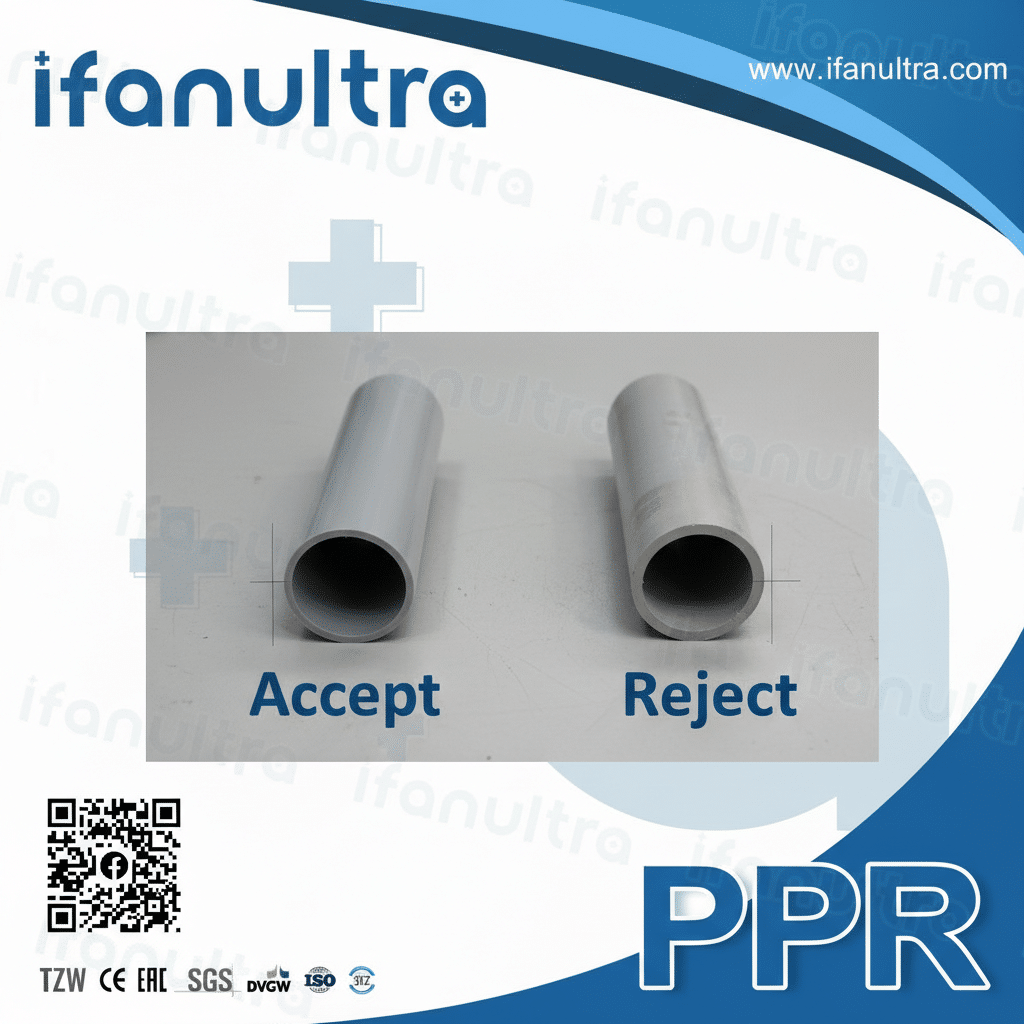
The most common causes of color variation are: 1) Inconsistent masterbatch dosing, 2) Thermal degradation from extrusion heat, 3) Contamination from uncleaned equipment, 4) Raw material inconsistencies, and 5) Poor mixing. Each cause has specific prevention methods that involve equipment maintenance, process control, and material quality management.
Cause 1: Inconsistent Masterbatch Dosing
We touched on this earlier, but it deserves emphasis. Dosing problems happen when:
- Equipment calibration drifts: Regular calibration prevents this
- Hopper bridges or empties: Anti-bridging devices and low-level alarms help
- Masterbatch flows poorly: Moisture absorption can cause clumping; drying may be needed
Prevention:
- Use gravimetric dosing systems with automatic adjustment
- Calibrate weekly and document results
- Install hopper level sensors with alarms
- Store masterbatch in climate-controlled conditions
Cause 2: Thermal Degradation
Plastic and pigments change when overheated. Extrusion temperatures that are too high or residence times that are too long can:
- Burn organic pigments, making them darker
- Break down polymer chains, affecting translucency
- Create “burn lines” where material stagnates in the barrel
Prevention:
- Monitor barrel temperatures continuously
- Use temperature profiling to maintain consistent heat
- Purge the barrel during extended stops
- Select masterbatch with heat-stable pigments
Cause 3: Contamination
Even tiny amounts of foreign material affect color. Common sources include:
| Contamination Source | How It Happens | Prevenção |
|---|---|---|
| Color changes | Residual old color in hopper or barrel | Thorough purging between runs |
| Regrind material | Recycled scrap with unknown color history | Segregate regrind by color |
| Dust and dirt | Open material handling | Enclosed systems, clean environment |
| Different polymers | Mixing incompatible materials | Strict material identification |
Prevention:
- Establish strict cleaning procedures for color changes
- Use dedicated equipment for each color when possible
- Keep production areas clean and organized
- Test regrind for color before reusing
Cause 4: Raw Material Inconsistencies
The base polymer itself can vary between lots. Different melt flow rates or additive packages affect how the material accepts pigment.
Prevention:
- Source base polymer from consistent suppliers
- Request certificates of analysis for each lot
- Test incoming material before production
- Maintain inventory rotation to use lots sequentially
Cause 5: Poor Mixing
If masterbatch doesn’t disperse evenly, you get streaking or mottling. This happens when:
- Mixing screws are worn or wrong for the material
- Mixing time or temperature is insufficient
- Masterbatch particle size doesn’t match base resin
Prevention:
- Use screws designed for good mixing
- Check mixing quality regularly with “burn-off” tests
- Work with masterbatch suppliers on particle size matching
A Prevention Checklist for Buyers
When qualifying a supplier, look for:
- Gravimetric dosing systems
- Temperature controls with alarms
- Documented calibration procedures
- Clean production environment
- Material traceability systems
- Regular color measurement logs
What to Do When Variation Happens
Even with good prevention, problems occur. Have a plan:
- Identify the cause immediately: Stop production if needed
- Segregate affected material: Don’t mix good and bad
- Document the issue: Photos, measurements, production records
- Communicate with the buyer: Transparency builds trust
- Determine disposition: Rework, scrap, or accept with discount
At IFAN, we treat every color variation as a learning opportunity. We investigate root causes and update our procedures to prevent recurrence. This commitment to continuous improvement is what separates reliable suppliers from the rest.
Conclusão
Color consistency requires attention to masterbatch quality, precise dosing, clear tolerance agreements, and verification at multiple stages. Choose IFAN for pipes manufactured with gravimetric dosing, rigorous in-process checks, and pre-shipment verification to ensure your batches match perfectly every time









 English
 Español
 Français
 Português do Brasil