
I once received a shipment where the fittings looked perfect on paper but failed in the field. This costly lesson taught me that real quality is built on the factory floor, not just in a certificate file.
You should partner with a supplier who conducts factory audits because they verify the manufacturer’s actual capability and consistency firsthand. This proactive step moves beyond trusting paperwork to physically confirming processes, equipment, and management systems, dramatically reducing your risk of delayed shipments, defective products, and ethical compliance issues.
Many suppliers simply forward factory brochures. A true partner acts as your eyes and ears on the ground. Let’s explore what this really means for your business security.
How Do Factory Audits Verify Consistent Quality Control Beyond Paperwork?
Relying only on certificates is a common and expensive mistake. Paperwork can be bought; consistent quality cannot.
Factory audits verify consistent quality control by physically inspecting the production line, interviewing production staff, and reviewing raw material logs and real-time inspection data. An auditor checks if daily practices match the written procedures, ensuring the quality system is alive and actively used, not just a document for show.
The Gap Between Paper and Practice
A factory might have an ISO 9001 certificate framed in the lobby. However, this does not guarantee that every worker on the night shift follows the procedures. An audit finds this gap. The auditor’s job is to see if the quality management system (QMS) described in the manual is the same system running on the shop floor.
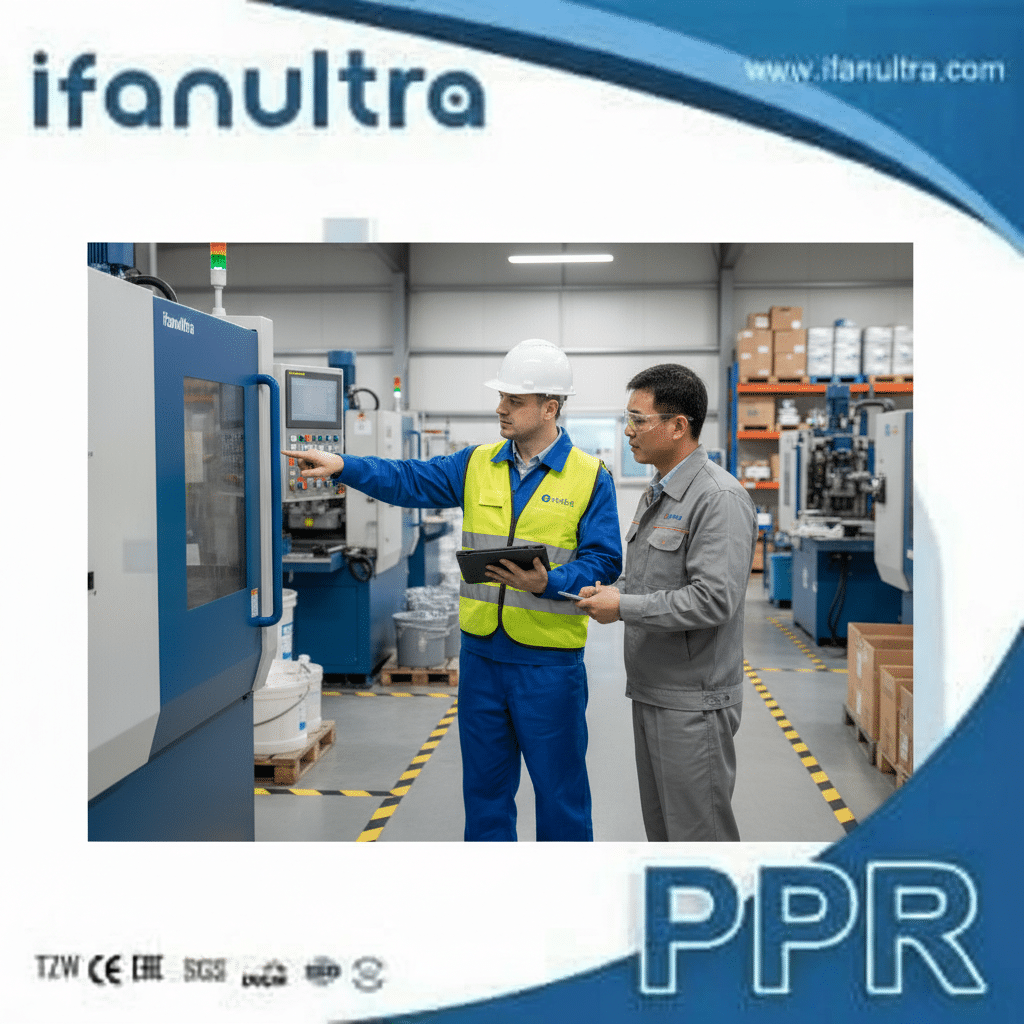
For example, the procedure may state “100% pressure testing for all Class 150 fittings.” The auditor will walk to the testing station and ask the operator to demonstrate the process. They will check the calibration date on the test gauge and review the handwritten or digital logs for the past week. If the logs are missing or the gauge is out of date, the paper certificate becomes meaningless.
Key Audit Checks for Tangible Quality
A thorough audit focuses on tangible evidence of control. Here are critical areas an auditor examines:
- Raw Material Incoming Inspection: Do they test batches of raw PP-R granules for melt flow index and density, or do they just trust the supplier’s COA? An auditor will ask to see the test equipment and records.
- In-Process Control (IPC): Do machine operators perform dimensional checks every two hours as the control plan requires? The auditor will observe this and check the IPC check sheets.
- Final Inspection and Testing: Is there a dedicated, well-lit inspection area? Are inspectors using calibrated gauges and following a clear Accept/Reject standard? The auditor will review rejected samples from that day.
- Equipment and Tooling Maintenance: Is the mold cavity clean and well-maintained? Poor maintenance leads to flash and dimensional errors. The auditor checks maintenance schedules and the physical condition of critical tooling.
Document Review vs. Physical Verification
The table below contrasts what a typical supplier sees versus what an auditing partner verifies:
| Quality Aspect | What Paperwork Shows | What an Audit Verifies |
|---|---|---|
| Material Certification | A Certificate of Analysis (COA) from the resin supplier. | Actual resin batch numbers tracked to specific production runs, and internal test results. |
| Dimensional Compliance | A generic specification sheet stating “meets ISO 15874.” | Use of calibrated calipers and gauges on random samples from the production line, with recorded data. |
| Testing Equipment | A list of owned equipment (e.g., “hydro-test machine”). | Current calibration stickers, operator training records, and logs showing regular use. |
| Personnel Training | An organizational chart with job titles. | Interviews with operators to confirm they understand quality standards and can operate machines correctly. |
By moving beyond paperwork, an auditing partner gives you confidence that quality is built into every fitting, every day.
Why Does Seeing Production Processes Mitigate Supply and Quality Risks?
A factory’s output tells you about its past. Seeing its processes tells you about your future.
Seeing production processes mitigates risks because it reveals the factory’s true capacity, process stability, and housekeeping standards. This firsthand view allows an auditor to identify bottlenecks, potential for contamination, and weak process controls that directly lead to delayed shipments, inconsistent quality, and production stoppages.
Identifying Hidden Bottlenecks and Capacity Constraints
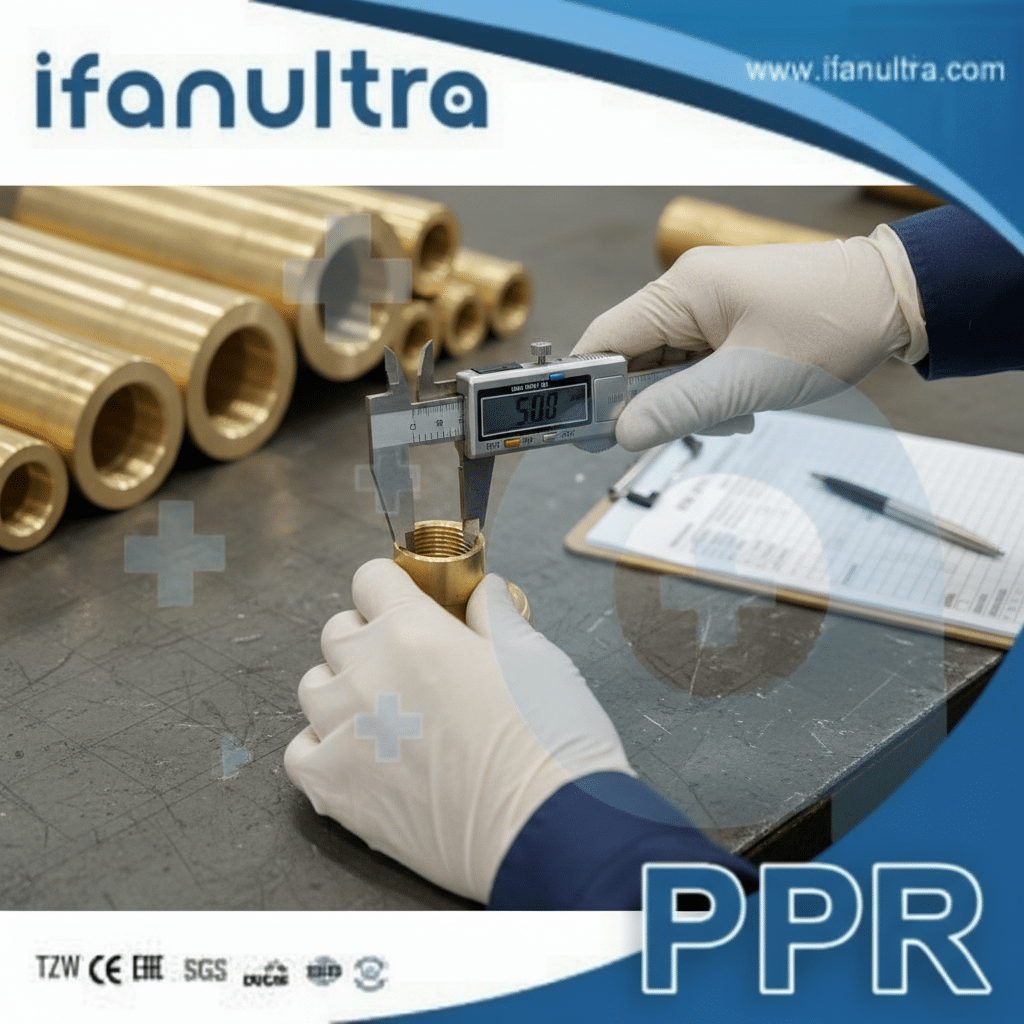
A factory may claim a monthly capacity of 500 tons. However, an auditor walking the line might see a single, aging injection molding machine as the bottleneck for a key fitting. If that machine breaks, all production stops. An auditor assesses the age and condition of core equipment, redundancy, and production planning. This insight prevents you from placing a large order with a factory that cannot logistically fulfill it on time.
Furthermore, observing material flow is crucial. Are raw materials stored properly away from contaminants? Is there a clear “FIFO” (First-In, First-Out) system? Poor material handling can lead to production delays and material degradation, affecting final product performance.
Assessing Process Stability and Control
Stable processes make consistent products. An auditor watches the production cycle. For instance:
- Injection Molding: Are the temperature, pressure, and cooling time parameters documented and controlled for each mold? Unstable parameters cause variations in fitting wall thickness and strength.
- Cooling and Handling: Are freshly molded fittings left to cool in a controlled manner, or are they tossed into bins while still hot, leading to deformation?
- Housekeeping (5S): A clean, organized factory is a predictable factory. Oil on the floor, tools everywhere, and mixed finished goods indicate poor management. This chaos directly increases the risk of shipping wrong or damaged items.
Connecting Process to Product Quality
Every step in the process impacts the final product. Seeing the process lets an auditor connect dots that a document cannot.
For example, if fittings are manually demolded and trimmed, the auditor looks at the tools used and the operator’s technique. A poorly sharpened trimming tool can create burrs and sharp edges inside the fitting socket, which later damage O-rings during installation, causing leaks in the field. This specific failure mode is rarely in a spec sheet but is a direct result of an uncontrolled process.
By identifying these risks early, an auditing partner can work with the factory to correct them before your order goes into production, securing both your timeline and your product reliability.
How Can an Auditing Partner Ensure Ethical and Environmental Compliance?
Your brand reputation is on the line with every purchase. Compliance cannot be an afterthought.
An auditing partner ensures ethical and environmental compliance by conducting specialized audits that verify business licenses, review wage and hour records, inspect safety equipment, interview workers privately, and check environmental permits and waste management systems. This protects you from legal, financial, and reputational damage associated with non-compliant suppliers.
Verifying Social Responsibility and Ethical Labor Practices
An ethical audit, often aligned with standards like SMETA or local labor laws, goes deep into human resource practices. An auditor does more than just ask the manager.
Key verification points include:
- Legal Employment: Checking employment contracts and age verification documents to prevent child or forced labor.
- Fair Wages and Hours: Reviewing time cards and payroll records to ensure workers receive at least minimum wage and overtime pay correctly.
- Working Conditions: Inspecting dormitories, canteens, and first-aid facilities. Checking if safety equipment (like goggles and ear protection) is available and used.
- Worker Interviews: Speaking with workers privately, without management present, to hear about their real working conditions, grievance procedures, and freedom of association.
Discovering violations after you’ve imported goods can lead to seized shipments, fines, and severe brand damage. An auditing partner screens this risk upfront.
Assessing Environmental Management and Impact
An environmental audit evaluates how the factory manages its impact. This is increasingly important for markets with strict regulations and for companies with sustainability pledges.
The auditor examines:
- Proper Permits: Valid environmental impact assessment approvals and wastewater discharge permits.
- Pollution Control: The operation of air filtration systems for molding fumes and proper treatment of cooling water.
- Waste Management: Segregation and lawful disposal of hazardous waste (like used machine oil) and recycling of plastic sprues and runners.
- Resource Efficiency: Efforts to reduce energy and water consumption.
The Compliance Audit Checklist
A professional audit covers a comprehensive checklist. Here is a summary of critical areas:
| Compliance Area | What is Verified | Why It Matters to You |
|---|---|---|
| Business Ethics | Valid business license, no history of bribery or fraud. | Ensures you are dealing with a legitimate entity, reducing fraud risk. |
| Labor Standards | Wage records, age documents, working hour compliance. | Protects your brand from scandals related to labor abuse. |
| Health & Safety | Safety equipment, emergency exits, chemical handling training. | Reduces risk of factory accidents disrupting your supply. |
| Environmental | Waste disposal contracts, emission control, necessary permits. | Prevents liability for environmental damage and ensures market access. |
An auditing partner translates complex regulations into actionable checks, building a responsible and sustainable supply chain for you.
What Long-Term Partnership Benefits Come from Supplier Transparency?
Transparency is not just about avoiding problems; it’s about building a foundation for growth and innovation.
Long-term partnership benefits from supplier transparency include predictable costs, collaborative problem-solving, continuous quality improvement, and priority support during market shortages. Transparency builds trust, which turns a transactional supplier into a strategic extension of your own team, driving efficiency and value over years.
From Cost to Value: Predictability and Joint Improvement
When you see into a factory’s operations, you move beyond price haggling. You understand their true cost structure. This allows for fair negotiations and predictable pricing, not just based on commodity swings, but on mutual efficiency gains.
More importantly, transparency enables joint improvement projects. For example, your auditing partner might notice high waste rates on a particular fitting. By sharing this data and working with the factory’s engineers, you can co-develop a solution—like a minor mold modification—that reduces waste, lowers cost for the factory, and secures a better price for you. This is a win-win that only deep transparency allows.
Building Resilience and Securing Supply
In times of raw material shortage or high demand, suppliers allocate capacity to their most trusted partners. A transparent, long-term relationship makes you a preferred client. The factory is more likely to give you honest lead time forecasts and reserve capacity for you because they see you as a stable partner, not a one-time buyer chasing the lowest bid.
This resilience is priceless. It prevents production stoppages in your own business and gives you a competitive edge over rivals who struggle to find supply during market crunches.
Fostering Innovation and Customization
With transparency comes open communication. When a factory trusts you, they are more willing to share technical capabilities and explore custom designs. You can work together early in the product development cycle, leveraging their engineering input to create better, more cost-effective fittings tailored to your market’s needs.
The Evolution of a Supplier Relationship
The table below shows how the relationship evolves with increasing transparency:
| Relationship Stage | Communication Basis | Typical Outcomes |
|---|---|---|
| Transactional | Price, quantity, delivery date. | Unpredictable quality, price volatility, no loyalty during shortages. |
| Audited/Transparent | Shared data on quality, processes, and costs. | Consistent quality, fair pricing, better risk management, reliable supply. |
| Strategic Partnership | Joint business planning, co-development, open books. | Cost innovation, customized solutions, priority allocation, shared growth. |
By choosing a partner who invests in transparency through audits, you invest in the future stability and growth of your own business.
Conclusion
Partnering with a supplier who audits factories protects your business today and builds a stronger, more valuable supply chain for tomorrow. For a transparent and reliable partnership in pipe fittings, choose IFAN as your supply chain manager.









 English
 Español
 Français
 Português do Brasil