
Choosing between HDPE and PPR pipes can make or break your plumbing project. Both materials offer distinct advantages. Your specific application determines the winner.
What Are HDPE Pipes?
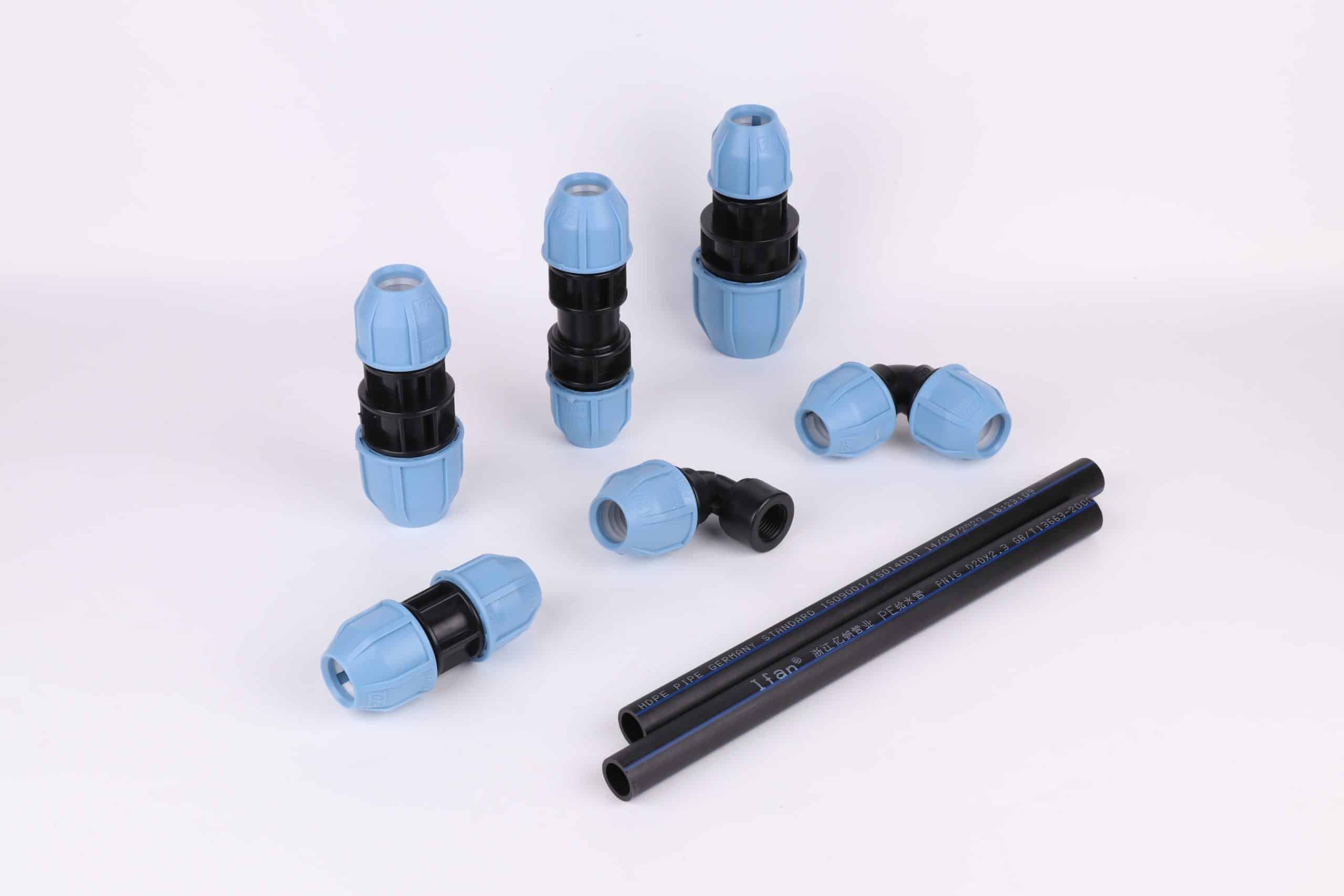
High-Density Polyethylene (HDPE) pipes are thermoplastic pipes made from petroleum. They resist corrosion and chemicals. HDPE pipes handle extreme temperatures from -40°F to 140°F.
These pipes are flexible yet strong. They bend without breaking. This flexibility reduces installation costs and joint failures.
What Are PPR Pipes?
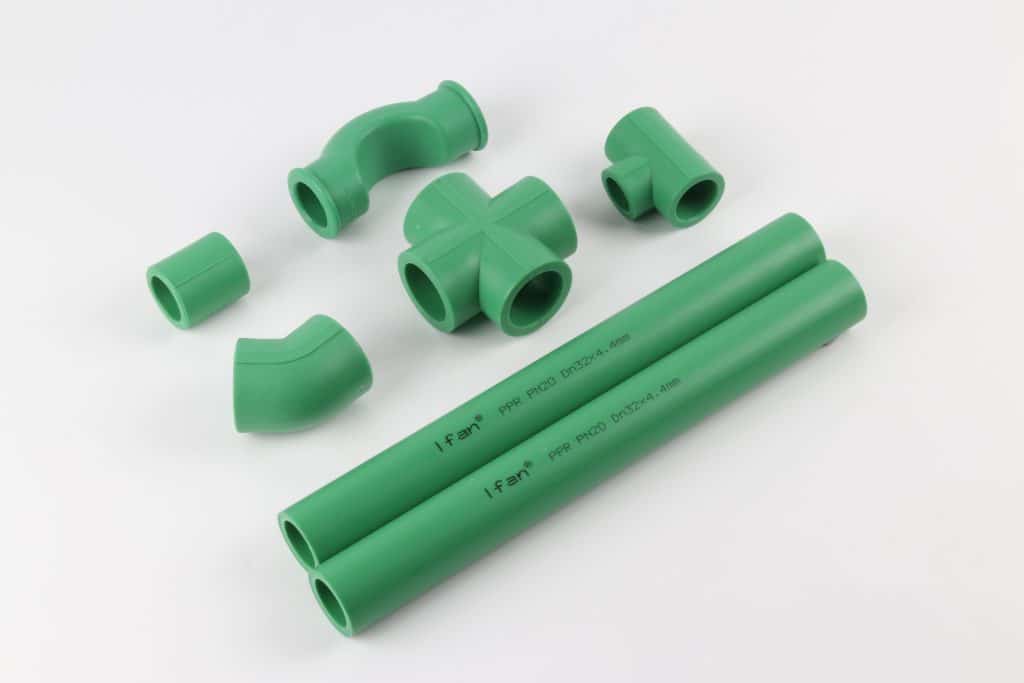
Polypropylene Random Copolymer (PPR) pipes are made from polypropylene plastic. They excel in hot water applications. PPR pipes operate safely up to 203°F (95°C).
PPR offers excellent chemical resistance. The material is food-grade safe. These pipes maintain structural integrity for decades.
HDPE vs PPR: Key Differences
Temperature Performance
HDPE pipes work best at moderate temperatures. They become soft above 140°F. PPR pipes handle high temperatures excellently. They maintain strength up to 203°F.
Winner for hot water systems: PPR
Flexibility and Installation
HDPE pipes bend easily around obstacles. This reduces fitting requirements. Installation is faster and cheaper. PPR pipes are rigid. They need more joints and fittings.
Winner for complex layouts: HDPE
Chemical Resistance
Both materials resist most chemicals. HDPE excels against acids and alkalis. PPR performs better with oils and organic solvents. Both are safe for drinking water.
Winner: Tie (application-dependent)
Lifespan and Durability
HDPE pipes last 50-100 years underground. They resist stress cracking. PPR pipes offer 50+ years of service. Both materials age well with proper installation.
Winner: Tie
Cost Comparison
HDPE pipes cost less initially. Installation saves money due to fewer fittings. PPR pipes have moderate material costs. Installation requires more labor and fittings.
Winner for budget projects: HDPE
When to Choose HDPE Pipes
Select HDPE pipes for:
- Underground water distribution
- Irrigation systems
- Industrial chemical transport
- Sewer and drainage lines
- Gas distribution networks
- Marine applications
HDPE works excellently in buried applications. The material resists ground movement. It handles freeze-thaw cycles without cracking.
When to Choose PPR Pipes
Choose PPR pipes for:
- Hot water supply systems
- Central heating networks
- Commercial plumbing
- Food processing plants
- Hospital applications
- Residential hot water lines
PPR pipes excel indoors. They maintain water quality. The smooth interior prevents bacterial growth.
Performance in Different Applications
Water Supply Systems
Cold water: Both materials perform excellently. HDPE offers cost advantages. PPR provides smoother flow.
Hot water: PPR wins decisively. HDPE cannot handle high temperatures safely.
Industrial Applications
Chemical transport: HDPE resists more chemical types. PPR works for specific chemicals only.
High-pressure systems: Both handle pressure well. HDPE offers better impact resistance.
Underground Installation
Burial depth: HDPE flexes with soil movement. PPR requires careful bedding and support.
Trenchless installation: HDPE allows directional drilling. PPR needs traditional trenching.
Impacto ambiental
HDPE pipes are fully recyclable. The material has a lower carbon footprint. Manufacturing requires less energy.
PPR pipes are also recyclable. They contain no harmful additives. Both materials avoid heavy metals.
Installation Considerations
HDPE Installation
Heat fusion creates permanent joints. The process requires specialized equipment. Trained technicians ensure proper connections. Cold weather doesn’t affect installation.
PPR Installation
Heat fusion welding joins PPR pipes. The process is simpler than HDPE. Installation works best above 32°F. Joints cool quickly for faster work.
Maintenance Requirements
HDPE pipes need minimal maintenance. The smooth interior resists scaling. Regular pressure testing ensures system integrity.
PPR pipes require little maintenance. The material doesn’t corrode. Thermal expansion needs accommodation in long runs.
Making the Right Choice
Consider these factors:
Temperature requirements: PPR for hot applications, HDPE for cold to moderate.
Installation complexity: HDPE for difficult routes, PPR for straight runs.
Budget constraints: HDPE typically costs less overall.
Application environment: HDPE for buried, PPR for exposed indoor.
Local regulations: Some areas specify pipe materials for certain uses.
Professional Recommendations
Industrial water systems benefit from HDPE’s flexibility and cost-effectiveness. Residential hot water demands PPR’s temperature performance.
Commercial buildings often use both materials. Cold water distribution uses HDPE. Hot water systems rely on PPR.
Municipal projects typically favor HDPE for its durability and installation advantages.
Quality Matters Most
Pipe quality trumps material choice in many cases. Premium HDPE outperforms cheap PPR. High-grade PPR exceeds low-quality HDPE.
Partner with experienced manufacturers. Quality control ensures long-term performance. Professional installation maximizes any pipe system’s lifespan.
Conclusão
Neither HDPE nor PPR pipes are universally better. Your specific needs determine the optimal choice. Hot water applications require PPR. Cold water and buried systems favor HDPE.
Consider temperature, installation complexity, and budget. Both materials offer decades of reliable service when properly specified and installed.
Need expert guidance on pipe selection? Professional manufacturers provide application-specific recommendations. Custom solutions optimize performance for your unique requirements.









 English
 Español
 Français
 Português do Brasil