
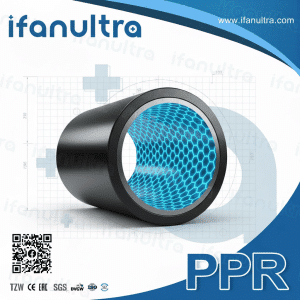
I still remember the first time I held a pipe sample infused with graphene. It felt different—lighter yet strangely stiffer. That moment made me realize we were looking at the next leap in piping technology.
The future of graphene-enhanced polymer pipes is bright and transformative. They promise a new generation of pipes with dramatically improved strength, barrier properties against chemicals and gases, and longer service life. While still emerging, this technology is set to redefine performance standards in water, gas, and industrial piping systems over the next decade.
But what exactly makes graphene so special, and how soon can we expect these pipes to become mainstream? Let’s dig into the science and the practical realities.
How Does Graphene Reinforcement Improve Mechanical Strength and Barrier Properties?
When I first explained graphene to a client, I compared it to adding rebar to concrete. The effect is that dramatic.
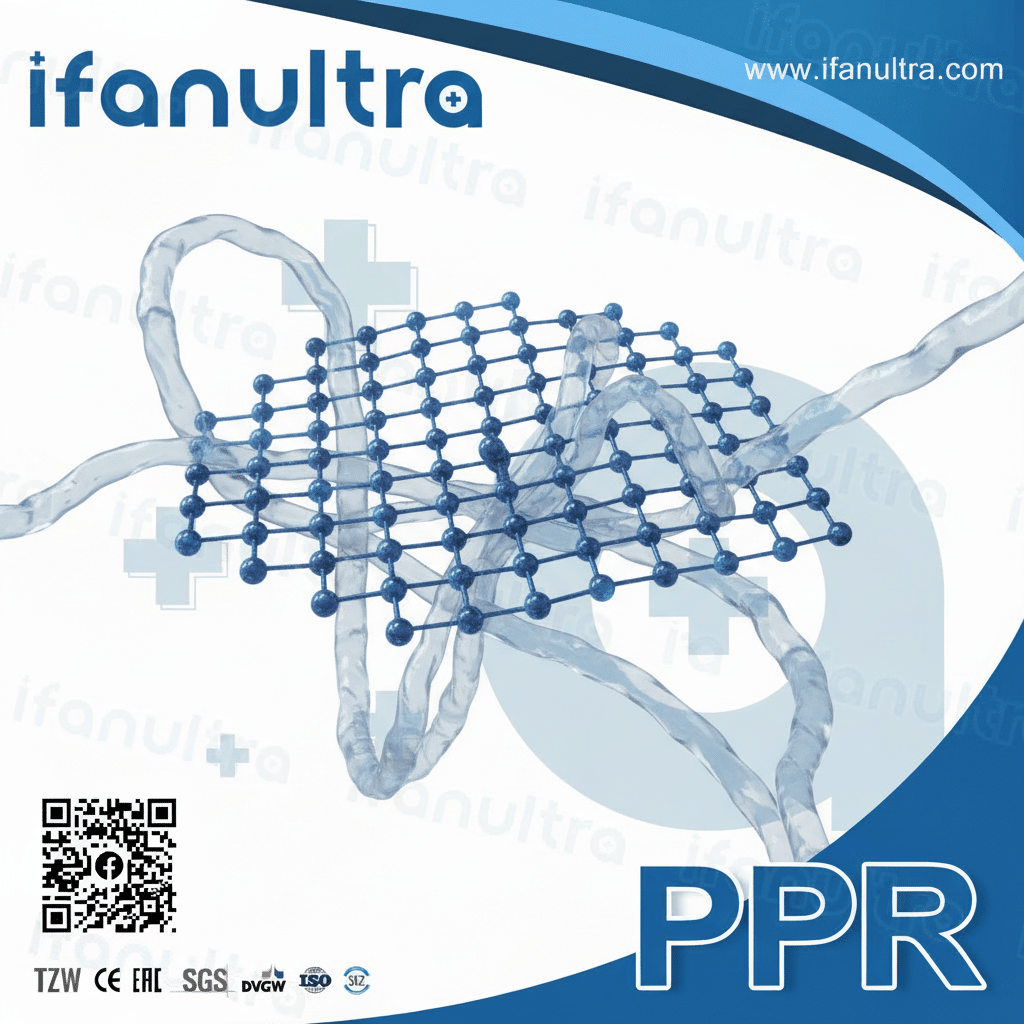
Graphene reinforcement improves mechanical strength by creating a strong interfacial bond with the polymer matrix, which restricts chain movement and transfers stress efficiently. It enhances barrier properties by creating a tortuous path—graphene nanosheets force gas or liquid molecules to travel a much longer, twisted route, dramatically slowing permeation through the pipe wall.
The Nano-Scale Reinforcement Mechanism
To understand how graphene improves pipes, we need to look at what happens at the molecular level. Graphene is a single layer of carbon atoms arranged in a hexagonal lattice. It is incredibly strong—about 200 times stronger than steel—yet flexible and lightweight. When you mix a small amount of graphene into a polymer like PP-R or PE, it doesn’t just sit there; it interacts with the polymer chains.
The key is the huge surface area of graphene. One gram of graphene can cover many square meters. This means that even a tiny percentage by weight creates extensive contact between the graphene sheets and the polymer. The polymer chains attach to the graphene surface through physical and chemical bonds. When you try to pull or stretch the pipe, the polymer chains want to slide past each other. But the attached graphene acts like an anchor, preventing that sliding. This is how tensile strength and modulus increase.
Additionally, graphene can bridge micro-cracks that form in the polymer under stress. When a crack begins to propagate, it encounters a graphene sheet, which stops it from growing. This crack-bridging effect contributes to higher toughness and fatigue resistance.
The Tortuous Path for Barrier Improvement
Polymer pipes are naturally permeable to some gases (like oxygen or methane) and certain chemicals. This can be a problem for gas distribution or for pipes carrying aggressive fluids. Graphene solves this by creating a physical barrier.
Imagine a highway with many straight roads. Cars (gas molecules) can move quickly. Now imagine placing huge concrete barriers (graphene sheets) perpendicular to the road. Cars must go around them, taking a much longer path. This is the “tortuous path” effect. Graphene nanosheets are impermeable themselves, so molecules cannot pass through them. They must diffuse around the edges. With many overlapping sheets, the effective path length increases dramatically, reducing permeation rates by orders of magnitude.
The table below summarizes the improvements typically seen with graphene addition:
| Property | Typical Polymer | With Graphene (0.5-2 wt%) | Improvement Factor |
|---|---|---|---|
| Tensile Strength | 25 MPa | 35-45 MPa | 1.5 – 2x |
| Elastic Modulus | 800 MPa | 1500-2000 MPa | 2 – 2.5x |
| Oxygen Permeability | Alta | Reduced by 50-80% | 2 – 5x reduction |
| Thermal Conductivity | Low (0.2 W/mK) | Up to 1.5 W/mK | 5 – 7x increase |
The thermal conductivity improvement is an added bonus. It helps dissipate heat in hot water systems, reducing thermal stress.
What Manufacturing Challenges Exist in Dispersing Graphene Uniformly in Polymers?
In our early experiments at IFAN, we quickly learned that mixing graphene is not like stirring sugar into coffee. It requires sophisticated techniques.
The main manufacturing challenge is achieving uniform dispersion of graphene nanosheets in the polymer matrix without agglomeration. Graphene sheets have a strong tendency to stick together due to van der Waals forces, forming clumps that act as stress concentrators rather than reinforcements. Additionally, the high aspect ratio of graphene can increase melt viscosity, making extrusion difficult, and the cost of high-quality graphene remains a barrier to mass adoption.
The Agglomeration Problem
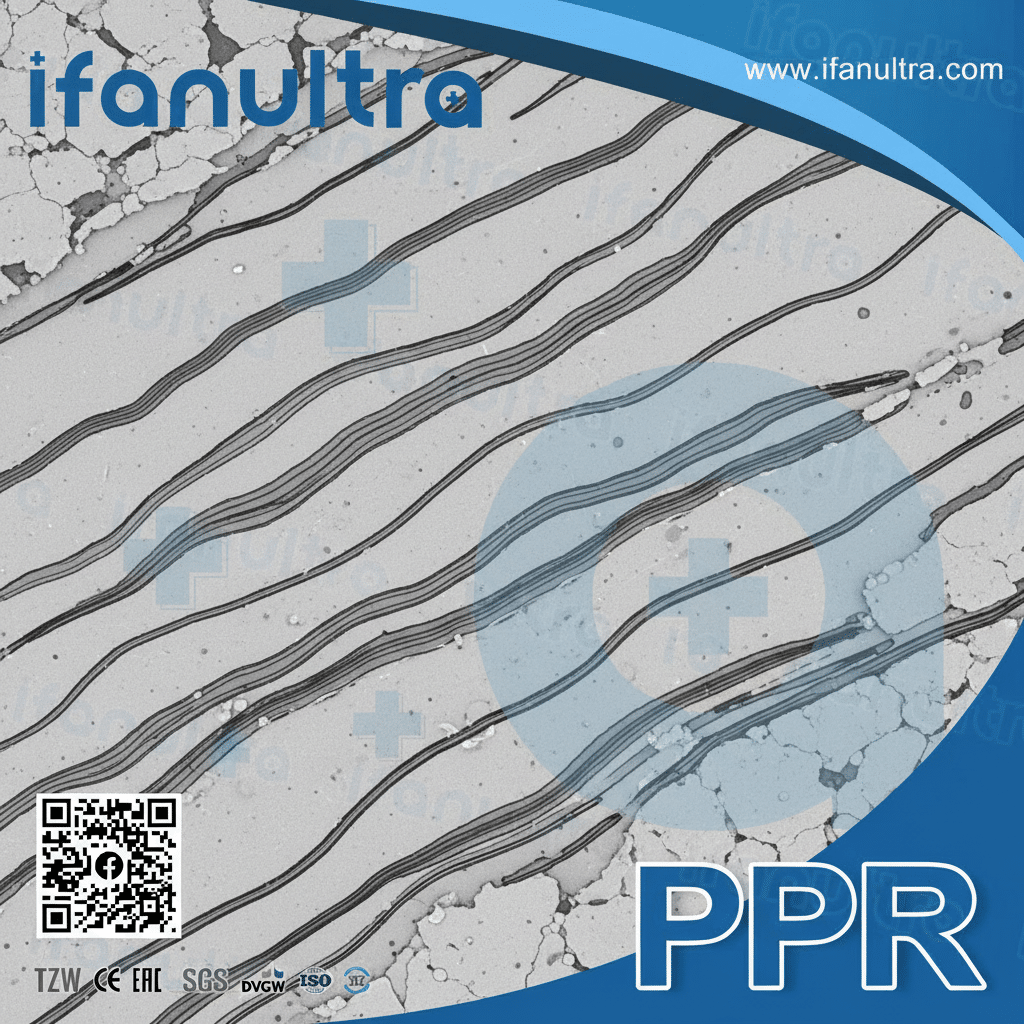
Graphene sheets are extremely thin—only one atom thick—but their lateral dimensions can be micrometers. This gives them an enormous surface area. The problem is that these sheets are attracted to each other. When you try to mix them into a molten polymer, they tend to stack back together like a deck of cards. This forms agglomerates—clumps of graphene that are poorly bonded to the polymer.
These agglomerates are weak points. Instead of reinforcing the pipe, they can actually initiate cracks. If you have a clump of graphene, stress concentrates around it, and the pipe may fail prematurely. Achieving a state where each sheet is individually separated and evenly distributed throughout the plastic is extremely difficult.
To overcome this, manufacturers use several strategies:
- Functionalization: Attaching chemical groups to the graphene surface to make it more compatible with the polymer and reduce attraction.
- High-shear mixing: Using special extruders with high shear forces to physically separate the sheets.
- Solvent-based methods: Dissolving the polymer in a solvent, dispersing graphene in the same solvent, then evaporating the solvent. This gives excellent dispersion but is not scalable for pipe production.
- In-situ polymerization: Growing polymer chains directly from the graphene surface. This is the most effective but also the most expensive method.
Viscosity and Processing Difficulties
Even if you achieve good dispersion, the next challenge is processing. Graphene increases the viscosity of the molten polymer. This means you need higher temperatures and pressures to push it through an extruder die. It also increases the risk of degradation because the polymer spends more time at high temperature.
Furthermore, the extrusion process itself can re-orient the graphene sheets. If they align too much in the flow direction, the pipe may have anisotropic properties—strong in the longitudinal direction but weaker in the hoop direction. Controlling orientation is another layer of complexity.
The table below outlines common dispersion methods and their trade-offs:
| Dispersion Method | Dispersion Quality | Scalability | Cost | Suitability for Pipes |
|---|---|---|---|---|
| Melt Mixing (Extruder) | Moderate | Alta | Baixa | Most practical |
| Solution Mixing | Excellent | Baixa | Alta | Lab scale only |
| In-situ Polymerization | Excellent | Moderate | Alta | Specialized applications |
| Masterbatch Dilution | Good | Alta | Moderate | Industry favorite |
The Cost Barrier
Finally, there is the cost. High-quality graphene (few-layer, defect-free) is still expensive, costing hundreds of dollars per kilogram. For a commodity product like pipes, adding even 0.5% graphene can significantly increase material cost. Manufacturers are therefore looking at lower-cost graphene grades, but these often come with more defects and poorer performance. Balancing cost and performance is the key challenge for commercial viability.
How Much Can Graphene Enhance the Pressure Rating and Lifespan of Pipes?
Numbers matter to engineers and procurement managers. They want to know: by how much can graphene boost performance?
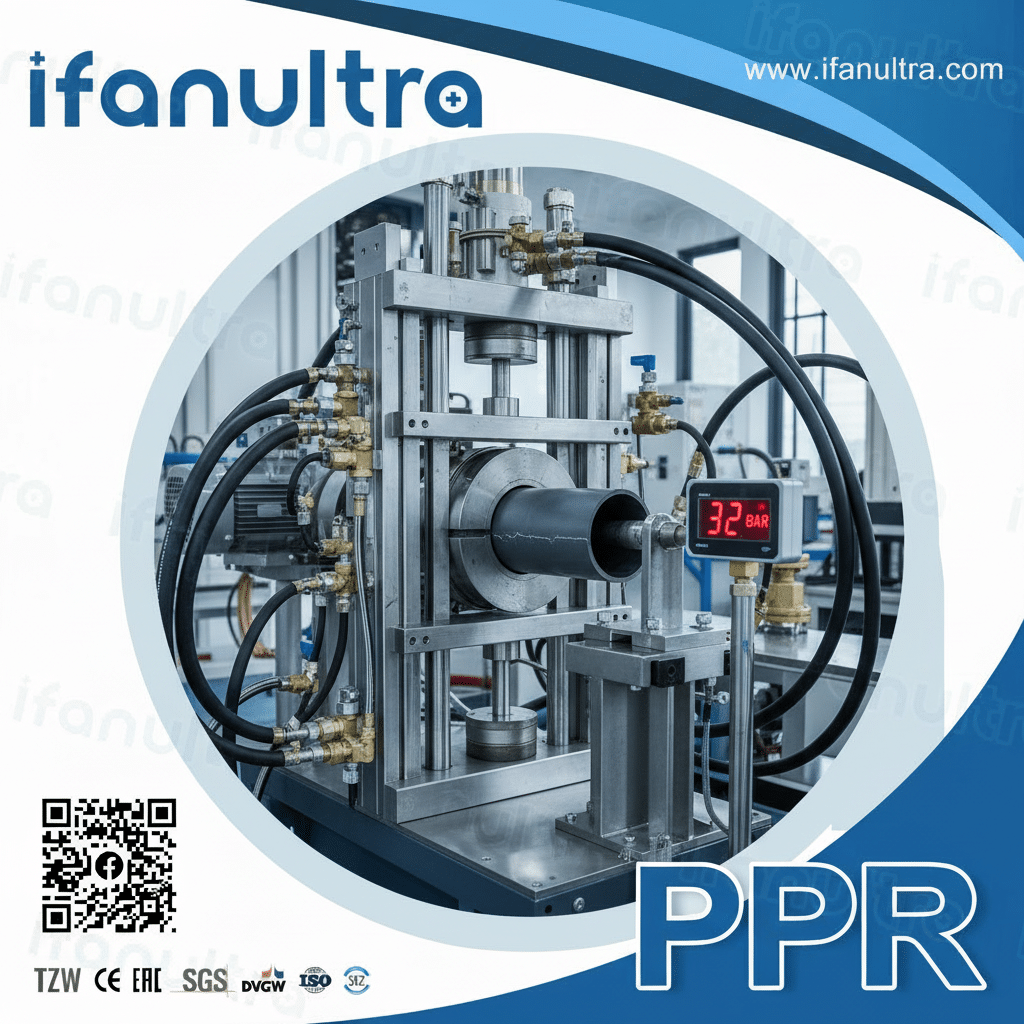
Graphene can enhance the pressure rating of polymer pipes by 50-100% with just 1-2% loading, allowing the same wall thickness to handle much higher pressures or enabling thinner walls for the same pressure. Lifespan can increase by a factor of 2-3 due to reduced creep, improved fatigue resistance, and lower permeability, which slows degradation from internal fluids and external environment.
Quantifying Pressure Rating Improvement
Pressure rating of a pipe is determined by its material strength (hydrostatic design stress) and wall thickness. For a given diameter, a higher strength material can either handle higher pressure or use less material. Graphene reinforcement directly increases the material’s long-term strength.
Standard plastic pipes like PE100 have a minimum required strength (MRS) of 10 MPa. With graphene, researchers have reported MRS values exceeding 15 MPa. This is not just a short-term boost; the key is long-term performance. Pipes must withstand pressure for 50 years or more. Graphene helps maintain strength over time because it reduces creep—the slow deformation under constant load. Polymer chains slowly slide past each other, but graphene anchors them, so creep rate drops significantly.
This means that a graphene-enhanced pipe of the same dimensions can be rated for a higher pressure class. For example, a standard SDR11 PE pipe might be rated for 16 bar; with graphene, it could be rated for 25 bar. Alternatively, you could reduce wall thickness to save material and weight while maintaining the original pressure rating. This is attractive for reducing costs and making installation easier.
Lifespan Extension Mechanisms
Lifespan is not just about pressure. Pipes fail due to multiple factors: oxidative degradation, UV exposure, chemical attack, and fatigue from pressure cycles. Graphene addresses several of these:
- Oxidation Resistance: Graphene acts as a radical scavenger, slowing the oxidative degradation that makes polymers brittle over time. It also reduces oxygen permeation, which limits the oxygen available to react with the polymer.
- UV Protection: Graphene absorbs UV light, protecting the polymer matrix from photo-degradation. This is especially important for above-ground installations.
- Fatigue Resistance: In systems with fluctuating pressure (water hammer, on-off cycles), cracks can initiate and grow. Graphene’s crack-bridging effect increases fatigue life.
- Chemical Barrier: By reducing permeation of aggressive chemicals (e.g., disinfectants like chlorine), graphene protects the pipe from internal chemical attack.
The table below shows estimated improvements based on current research:
| Performance Metric | Standard Pipe | Graphene-Enhanced | Typical Gain |
|---|---|---|---|
| Pressure Rating (SDR11) | 16 barras | 25 bar | +56% |
| Creep Rupture Life (at same stress) | 50 anos | >100 years | >2x |
| Fatigue Cycles to Failure | 1 million | 3 million | 3x |
| Oxidation Induction Time | 20 min | 60 min | 3x |
These numbers are promising, but real-world validation requires extensive long-term testing, which is ongoing.
Practical Implications for End Users
For a procurement manager like Jeff Weaver, these enhancements mean:
- Higher safety margins for critical applications.
- Potential material savings if using thinner walls.
- Reduced maintenance and replacement costs over the pipe’s life.
- Ability to use plastic pipes in applications previously dominated by metal (e.g., high-pressure gas, industrial chemicals).
However, it’s important to note that these benefits depend on good dispersion and quality control. Not all graphene pipes on the market will deliver these numbers.
What Early Applications Are Emerging for This Advanced Composite Material?
At IFAN, we are already seeing inquiries from forward-thinking clients who want to be early adopters. The first applications are where the unique properties of graphene give a clear advantage.
Early applications for graphene-enhanced polymer pipes are emerging in sectors demanding high performance: oil and gas midstream (for corrosive fluids), industrial chemical transport, high-temperature water systems, and potable water networks in aggressive soil conditions. These applications leverage graphene’s improved strength, barrier properties, and thermal conductivity to solve persistent problems with standard plastics.
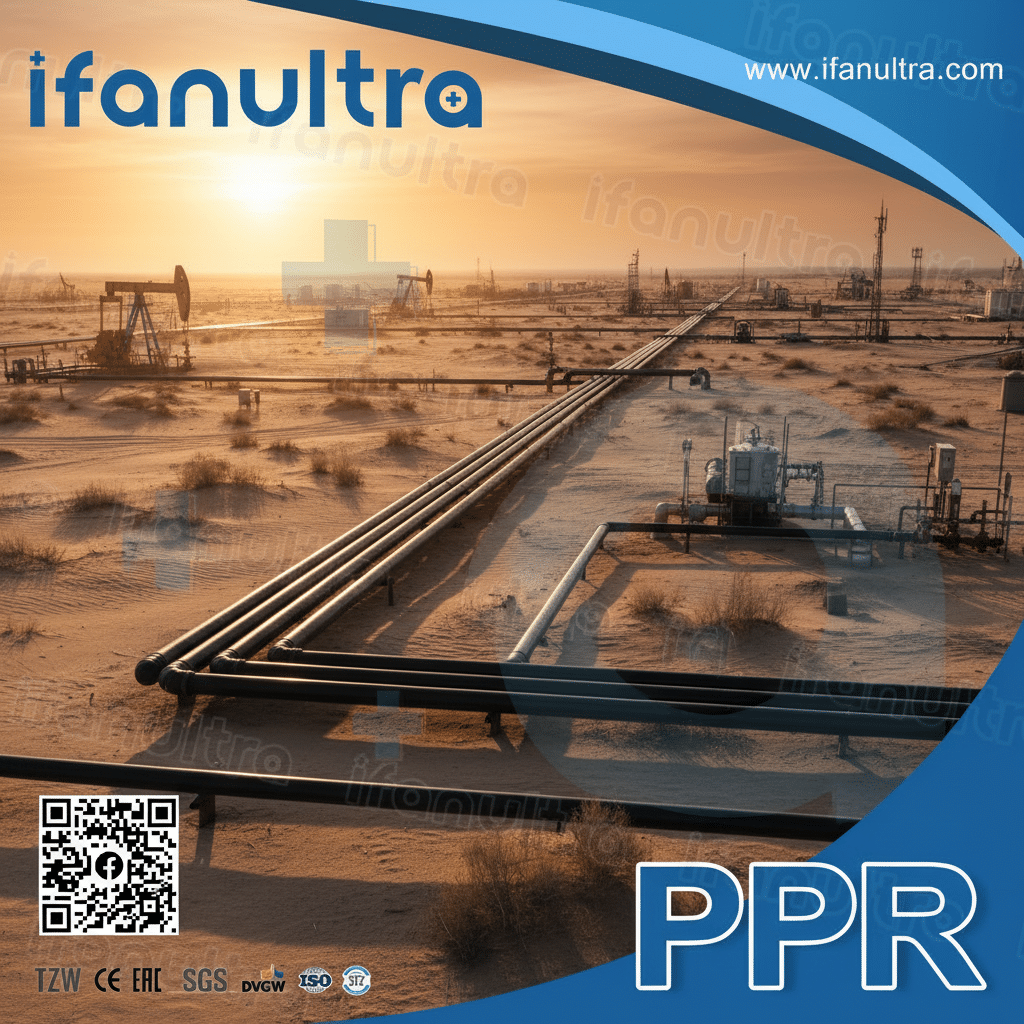
Oil and Gas: Replacing Steel in Corrosive Environments
The oil and gas industry has long wanted a plastic pipe that can handle high pressures and resist permeation of hydrocarbons and sour gas (H2S). Steel corrodes, especially with sour gas. Standard polyethylene has limited pressure rating and allows some gas permeation. Graphene-enhanced pipes are being trialed for gathering lines and water injection lines. They offer corrosion resistance plus higher pressure capability. The reduced permeation of methane and H2S is critical for environmental and safety reasons.
Industrial Chemical Transport
Many factories use stainless steel pipes for aggressive chemicals, but steel can still corrode with certain acids or chlorides. Plastic pipes like PVDF are used but have lower strength. Graphene-reinforced PP or PE can provide chemical resistance similar to the base polymer but with much higher strength, allowing them to be used in higher-pressure chemical transfer applications. This is attractive for chemical processing plants.
Hot Water Systems
One limitation of standard PPR pipes is their maximum operating temperature (usually 70°C continuous, 95°C peak). Graphene’s thermal conductivity helps dissipate heat more evenly, reducing hot spots and thermal stress. Additionally, the improved creep resistance allows higher temperatures without deformation. This could enable PPR pipes to be used in solar thermal systems or industrial hot water loops where metal was previously required.
Potable Water in Challenging Soils
In some soils, aggressive chemicals or microbiological activity can attack plastic pipes. Graphene’s barrier properties can reduce the ingress of contaminants. Also, its anti-bacterial properties (graphene can damage bacterial cell membranes) may help prevent biofilm formation inside pipes, maintaining water quality.
The table below summarizes emerging applications and the key graphene benefit driving adoption:
| Application Sector | Key Graphene Benefit | Example Use Case |
|---|---|---|
| Oil & Gas | Reduced hydrocarbon permeation, higher pressure | Gathering lines, water injection |
| Chemical Processing | Chemical resistance + high strength | Acid transfer lines |
| Hot Water Systems | Improved thermal conductivity, creep resistance | Solar thermal, district heating |
| Potable Water | Barrier to soil contaminants, anti-biofilm | Water mains in polluted soil |
| Mining | Abrasion resistance + chemical resistance | Slurry lines |
What This Means for Buyers
For buyers like Jeff, these early applications signal a shift. As the technology matures and costs come down, graphene pipes will become an option for standard residential and commercial plumbing as well. But for now, they are niche. The key is to partner with a supplier who has the technical expertise to source and qualify these advanced materials. IFAN, with its experience in innovative materials and supplier audits, can help clients navigate this emerging field, ensuring they get genuine, high-quality graphene-enhanced products.
Conclusão
Graphene-enhanced polymer pipes promise a future of stronger, longer-lasting, and more versatile piping systems. While manufacturing challenges remain, the potential benefits are too significant to ignore. For those ready to explore this frontier, IFAN offers expertise in sourcing and evaluating cutting-edge pipe materials.









 English
 Español
 Français
 Português do Brasil