
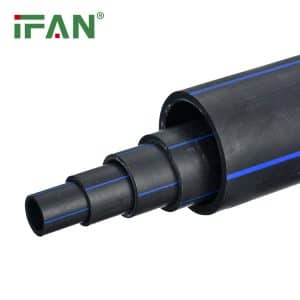
During a chemical plant retrofit, I witnessed stainless steel pipes failing after just two years while HDPE replacement sections showed no degradation after a decade of service. This dramatic comparison demonstrated HDPE’s superior chemical resistance in harsh industrial environments.
HDPE pipes offer exceptional chemical and corrosion resistance due to their non-polar polymer structure and high-density molecular arrangement, which prevents electrochemical reactions and chemical attacks that degrade metal pipes. This inherent inertness allows HDPE to safely handle a wide range of acids, bases, and salts without corroding or contaminating the transported media.
The molecular stability of HDPE makes it ideal for applications where metal pipes would rapidly deteriorate. Understanding the science behind this resistance helps engineers select the right material for challenging chemical environments.
What Chemical Compounds Can HDPE Pipes Safely Transport Without Corrosion?
I recently reviewed failure reports from a industrial facility where HDPE pipes had successfully transported aggressive chemicals for 15 years while metal alternatives required replacement every 3-5 years. The cost savings from reduced maintenance justified the initial higher installation cost.
HDPE pipes safely transport most acids (including hydrochloric, sulfuric, and phosphoric acids), alkaline solutions (sodium hydroxide, ammonia), salts, alcohols, and oxidizing agents at moderate temperatures and concentrations. However, HDPE shows limited resistance to strong oxidizing acids, certain hydrocarbons, and halogenated solvents at elevated temperatures.
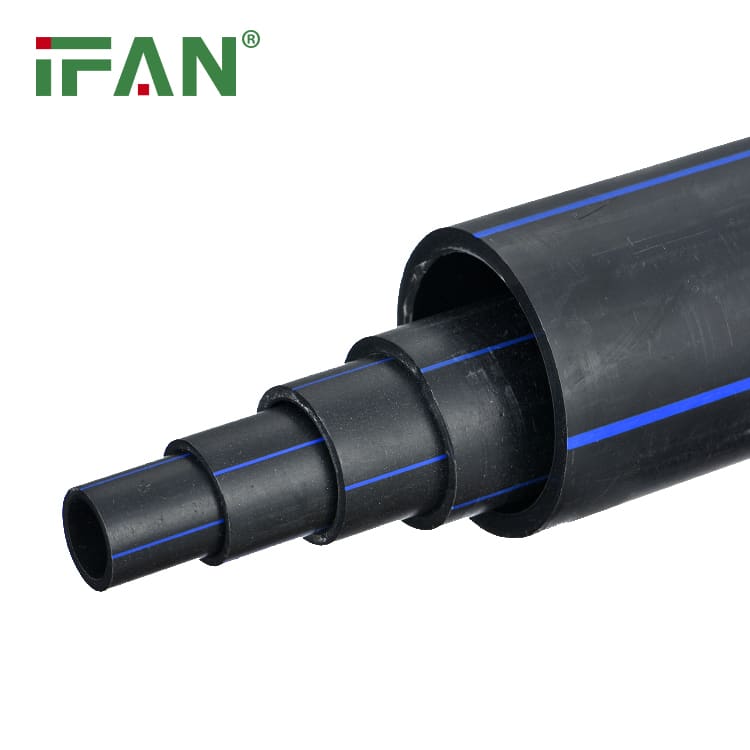
Chemical Compatibility Classification
HDPE’s performance varies by chemical type and concentration:
Excellent Resistance (No significant effect)
- Inorganic acids: Hydrochloric acid (all concentrations), Hydrofluoric acid (≤50%), Sulfuric acid (≤70%)
- Bases: Sodium hydroxide (all concentrations), Ammonium hydroxide (all concentrations)
- Salts: Sodium chloride, Calcium chloride, Potassium nitrate
- Alcohols: Methanol, Ethanol, Isopropanol
Good Resistance (Minor effects at elevated temperatures)
- Organic acids: Acetic acid (≤50%), Citric acid (all concentrations)
- Oxidizing agents: Hydrogen peroxide (≤30%), Sodium hypochlorite (≤10%)
- Aliphatic hydrocarbons: Diesel fuel, Kerosene, Mineral oils
Limited Resistance (Not recommended for continuous use)
- Aromatic hydrocarbons: Benzene, Toluene, Xylene
- Halogenated solvents: Chloroform, Trichloroethylene
- Strong oxidizing acids: Concentrated nitric acid, Chromic acid
Temperature Considerations
Chemical resistance decreases as temperature increases:
| Chemical | Max Safe Temperature (°F) | Concentration Limit | Notes |
|---|---|---|---|
| Hydrochloric Acid | 140°F | All concentrations | Excellent performance |
| Sulfuric Acid | 140°F | Up to 70% | Avoid >93% concentration |
| Sodium Hydroxide | 160°F | All concentrations | No stress cracking |
| Hydrogen Peroxide | 100°F | Up to 30% | Limited to moderate temperatures |
How Does HDPE Maintain Structural Integrity in Acidic or Alkaline Environments?
When a pharmaceutical client needed to transport highly acidic waste streams, we conducted accelerated aging tests that showed HDPE maintained 95% of its original tensile strength after 5,000 hours of exposure, while stainless steel samples showed significant pitting and stress corrosion cracking.
HDPE maintains structural integrity through its non-reactive polymer backbone, high molecular weight, and absence of hydrophilic groups that could participate in chemical reactions. The material’s corrosion resistance stems from its chemical inertness rather than forming protective layers like metals, ensuring consistent performance throughout its service life.
Molecular Defense Mechanisms
HDPE’s chemical resistance operates at the molecular level:
Inert Carbon Backbone
The simple -CH2- repeating units in HDPE lack functional groups that react with acids or bases. Unlike metals that undergo electrochemical reactions, HDPE molecules remain stable because:
- No ionic bonds to break in chemical reactions
- No free electrons available for oxidation-reduction reactions
- Hydrophobic nature prevents hydrolysis reactions
High Crystallinity Protection
The tightly packed crystalline regions in HDPE (typically 65-85% crystallinity):
- Create a tortuous path that slows chemical penetration
- Provide dimensional stability against swelling
- Maintain mechanical properties during chemical exposure
Additive Protection System
Quality HDPE compounds include:
- UV stabilizers for outdoor applications
- Antioxidants to prevent thermal degradation
- Processing aids that don’t compromise chemical resistance
Performance Validation Testing
We verify HDPE performance through standardized testing:
Long-Term Testing Results
Accelerated testing demonstrates HDPE’s durability:
- Acidic Environments: Less than 5% property change after 10,000 hours in pH 2 solutions
- Alkaline Environments: Minimal degradation in pH 12 solutions at 140°F
- Salt Solutions: No significant effect even in saturated brine solutions
Field Performance Data
Actual installation performance confirms laboratory findings:
- Chemical Processing: 20+ years service in acid waste lines
- Mining Applications: 15+ years in abrasive, acidic slurry transport
- Water Treatment: 30+ years in chlorinated water service
What Industry Standards Verify HDPE’s Corrosion Resistance for Industrial Applications?
When a client demanded certification for HDPE use in their corrosive chemical environment, we provided testing documentation meeting seven international standards. This comprehensive validation convinced their engineering team to approve HDPE despite initial skepticism.
ASTM D3350, ISO 4427, and NSF/ANSI 61 provide comprehensive verification of HDPE’s corrosion resistance through standardized chemical exposure testing, long-term hydrostatic strength validation, and material composition analysis. These standards ensure HDPE pipes meet minimum performance requirements for specific chemical services and operating conditions.
Key Standardization Framework
Multiple standards address different aspects of HDPE performance:
Material Composition Standards
- ASTM D3350: Standard specification for polyethylene plastics pipe and fittings materials
- ISO 4427: Plastics piping systems for water supply
- EN 12201: Plastics piping systems for water supply
Chemical Resistance Testing
- ASTM D543: Standard practices for evaluating resistance of plastics to chemical reagents
- ASTM D1693: Environmental stress-cracking of ethylene plastics
- ISO 175: Plastics determination of the effects of liquid chemicals
Application-Specific Standards
- ASTM F2619: Standard specification for high-density polyethylene line pipe
- NSF/ANSI 61: Drinking water system components health effects
Certification Requirements
Compliance verification involves multiple testing phases:
| Padrão | Testing Focus | Certification Period | Key Metrics |
|---|---|---|---|
| ASTM D3350 | Material classification | 5 years | Density, melt index, slow crack growth |
| ASTM D543 | Chemical resistance | 3 years | Weight change, dimensional change, property retention |
| NSF/ANSI 61 | Potable water safety | Annual | Extractables contamination, taste, odor |
| ISO 4427 | Overall system performance | 5 years | Hydrostatic strength, chemical resistance |
Why Does HDPE Outperform Metal Pipes in Corrosive Soil and Water Conditions?
We replaced failing steel pipes in a coastal wastewater treatment plant where saltwater corrosion had destroyed the metal in just 8 years. The HDPE replacement system has operated flawlessly for 12 years with no signs of degradation, demonstrating the dramatic performance difference in corrosive environments.
HDPE outperforms metals because it’s immune to electrochemical corrosion, resistant to microbiologically influenced corrosion, and unaffected by galvanic reactions that destroy metal pipes. The plastic material doesn’t rust, pit, or corrode, maintaining its wall thickness and pressure capacity indefinitely while metals gradually thin and weaken.
Corrosion Mechanism Immunity
HDPE avoids the primary failure modes of metal pipes:
Electrochemical Corrosion Resistance
Unlike metals, HDPE:
- Doesn’t participate in anodic/cathodic reactions
- Requires no cathodic protection systems
- Isn’t affected by soil resistivity or pH
- Doesn’t suffer from stray current corrosion
Microbiological Immunity
HDPE resists:
- Sulfate-reducing bacteria that cause MIC in steels
- Acid-producing bacteria that corrode concrete and metals
- Fungal growth that can degrade some plastics
Galvanic Corrosion Protection
HDPE eliminates:
- Dissimilar metal corrosion at connections
- Requirement for dielectric unions and isolation
- Stray current corrosion from electrical systems
Comparative Performance Data
Long-term studies show dramatic differences:
Soil Corrosion Environments
- Steel Pipes: 5-15 year lifespan in aggressive soils
- Ductile Iron: 10-25 years with proper coating and cathodic protection
- HDPE Pipes: 50-100 year expected service life
Water Corrosion Applications
- Carbon Steel: Frequent pitting in chlorinated water
- Stainless Steel: Chloride stress corrosion cracking in saltwater
- Copper: Erosion corrosion at high velocities
- HDPE: No corrosion regardless of water chemistry
Economic Advantages
The performance benefits translate to cost savings:
Life Cycle Cost Comparison
| Cost Factor | Steel Pipe | HDPE Pipe | Savings |
|---|---|---|---|
| Initial Installation | $ | $$ | Higher |
| Corrosion Protection | $$$ | $0 | Significant |
| Maintenance | $$ | $ | 50-70% |
| Replacement Frequency | 15-25 years | 50-100 years | 70%+ |
| Total 50-year Cost | $$$$ | $$ | 40-60% |
Conclusão
HDPE pipes provide superior chemical and corrosion resistance compared to metal alternatives, offering reliable performance in aggressive environments, verified by international standards, and delivering significant life cycle cost savings through minimal maintenance and extended service life exceeding 50 years in most applications.









 English
 Español
 Français
 Português do Brasil