
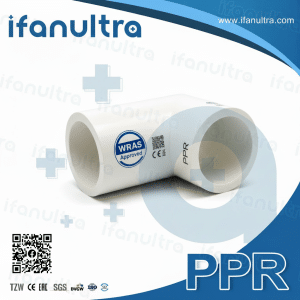
I once had a client ship a container of non-approved fittings to London. The products sat in customs, and he lost the entire order. That painful lesson taught me the real value of WRAS certification.
WRAS (Water Regulations Advisory Scheme) approval is a UK certification that confirms plumbing products meet the legal requirements for water fittings. It proves the product will not waste water, misuse water, or contaminate drinking water supplies. For the UK market, WRAS approval is not optional—it is essential for legal compliance and market acceptance.
Let’s explore what WRAS actually covers and why UK professionals demand it.
What Specific Water Contact Safety Aspects Does WRAS Certification Evaluate?
Water safety is about more than just stopping leaks. I’ve seen products fail WRAS tests because of materials that seemed fine but caused taste issues.
WRAS certification evaluates three specific water contact safety aspects: 1) Material compliance, which checks if substances leach into water at harmful levels, 2) Mechanical performance, which verifies the product withstands pressure without failing, and 3) Water quality protection, which ensures the product does not support bacterial growth or affect taste, odor, or appearance of drinking water.
Material Compliance Testing
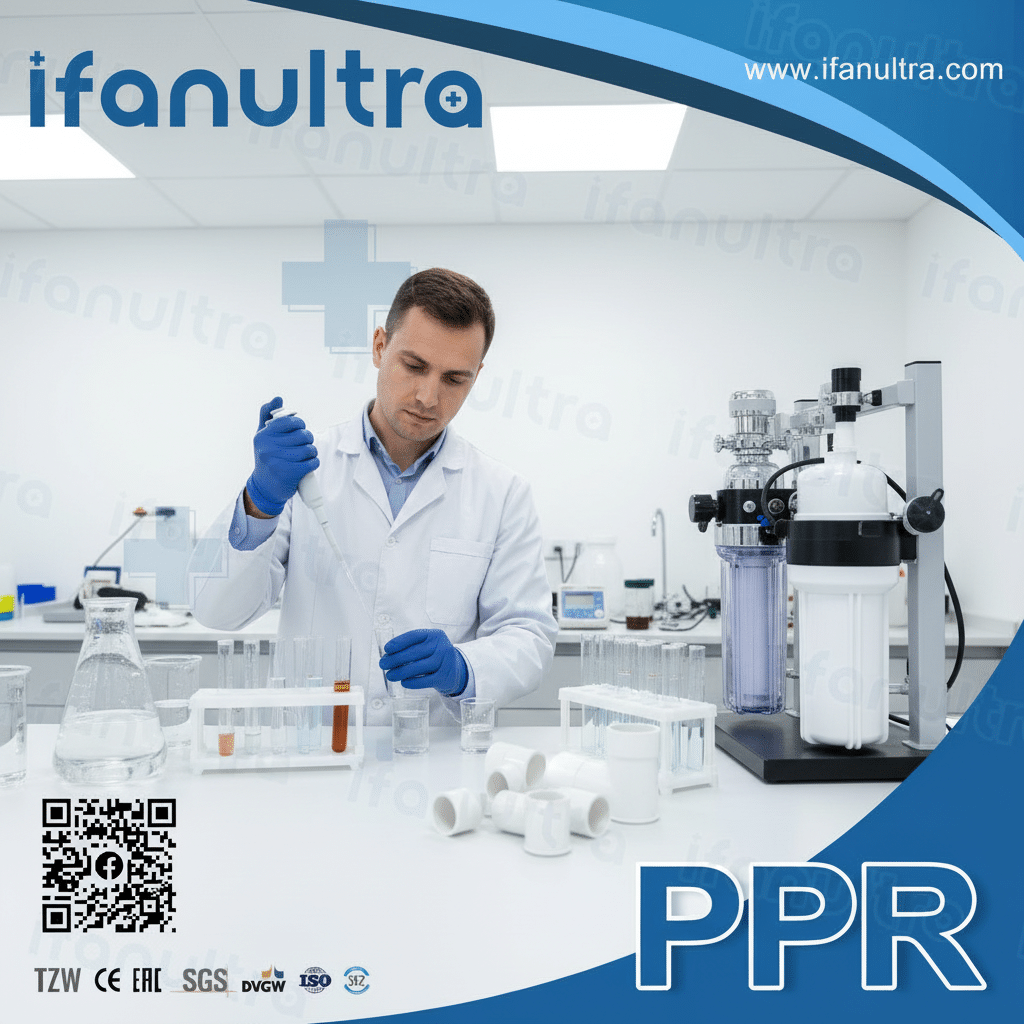
The first and most critical aspect is what the product is made of. WRAS puts materials through strict testing to ensure they do not contaminate drinking water.
Testing focuses on two main areas:
1. Toxicity and Migration: Laboratories test samples to see if any substances move from the pipe material into the water. They look for:
- Heavy metals like lead, cadmium, and mercury
- Organic compounds like plasticizers and stabilizers
- Any substance that could harm human health
2. Taste and Odor: Even non-toxic materials can affect water quality. WRAS tests whether the product imparts any taste or smell to water. Water must remain neutral and pleasant to drink.
Mechanical Performance Testing
A product must also work correctly under real conditions. WRAS evaluates:
- Pressure Resistance: Can the fitting handle normal operating pressures without bursting?
- Temperature Stability: Does it perform reliably with both hot and cold water?
- Durability: Will seals and joints remain leak-free over time?
Water Quality Protection
Finally, WRAS checks if the product helps maintain water quality by:
- Preventing bacterial growth on internal surfaces
- Resisting scale and biofilm formation
- Ensuring smooth internal walls that do not trap debris
The table below summarizes the main WRAS test categories:
| Test Category | What They Check | Por que é importante |
|---|---|---|
| Material Composition | Chemical makeup of all components | Prevents toxic substances from entering water |
| Migration Testing | Levels of substances leaching into water | Ensures water remains safe to drink |
| Taste and Odor | Any flavor or smell from the product | Keeps water pleasant for consumers |
| Mechanical Strength | Performance under pressure and temperature | Prevents failures and leaks |
| Hydraulic Performance | Flow characteristics and pressure loss | Ensures efficient system operation |
WRAS approval means a product has passed all these tests. It provides confidence that the fitting is safe for its intended use.
How Does WRAS Approval Ensure Compliance with UK Water Supply Regulations?
Regulations can feel confusing. WRAS simplifies them by providing one clear mark of compliance.
WRAS approval ensures compliance with the UK Water Supply (Water Fittings) Regulations by demonstrating that a product meets all legal requirements. These regulations aim to prevent waste, misuse, undue consumption, and contamination of the public water supply. WRAS-approved products give installers and water authorities confidence that the fittings comply with the law.
Understanding the Legal Framework
The Water Supply (Water Fittings) Regulations are the law in England and Wales. Similar regulations apply in Scotland and Northern Ireland. These rules cover any plumbing system connected to the public water supply.
The regulations have several key objectives:
- Prevent contamination of drinking water
- Avoid waste of water through leaks or inefficiency
- Prevent misuse or incorrect use of water
- Stop undue consumption that could affect supply to others
Any product installed in a plumbing system must meet these requirements. However, the regulations are complex technical documents. This is where WRAS provides value.
How WRAS Bridges the Gap
WRAS approval acts as a practical tool for demonstrating compliance. Here is how it works:
1. Independent Assessment: WRAS is not the manufacturer or the water company. It is an independent body that tests products against the regulations.
2. Clear Standards: WRAS has translated the legal requirements into clear, testable standards. Manufacturers know exactly what they need to prove.
3. Verification: When a product carries the WRAS mark, it means an independent expert has verified it meets the regulations.
4. Acceptance: UK water authorities accept WRAS approval as proof of compliance. This means fewer questions and faster approvals for new installations.
The Approval Process in Brief
To gain WRAS approval, a product must:
| Step | Descrição | Resultado |
|---|---|---|
| Aplicativo | Manufacturer submits product details | WRAS reviews scope of testing needed |
| Material Testing | Samples tested at UKAS-accredited lab | Report on material safety |
| Mechanical Testing | Product tested for performance | Report on durability and function |
| Site Inspection | WRAS inspects manufacturing facility | Confirms consistent quality control |
| Certificação | All tests passed | Product listed on WRAS directory |
This process ensures every approved product meets the same high standard. It removes guesswork for installers and specifiers.
Why Do UK Plumbers and Specifiers Insist on WRAS-Approved Products?
In my experience, UK professionals rarely compromise on this. They have good reasons for their insistence.
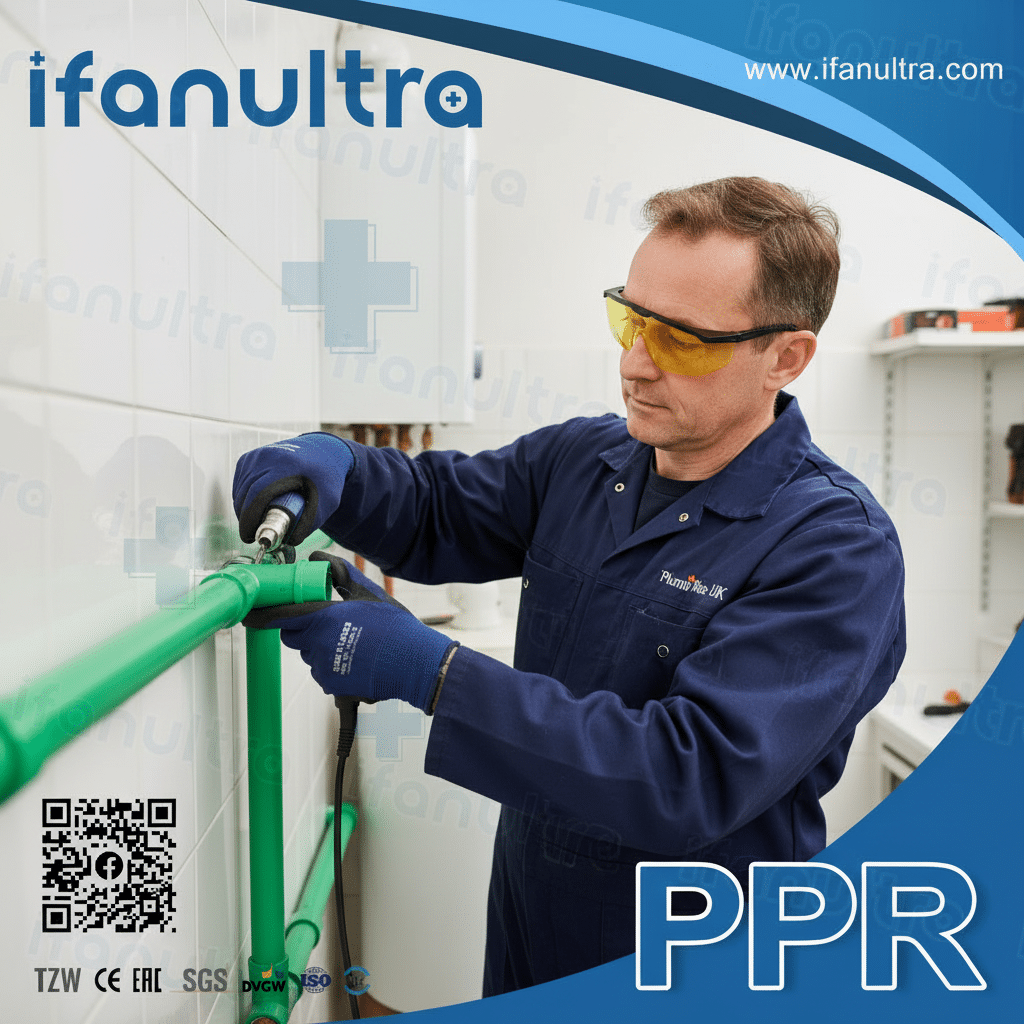
UK plumbers and specifiers insist on WRAS-approved products because it protects them legally, professionally, and financially. Using approved products ensures compliance with building regulations, avoids liability for water damage or health issues, and protects their reputation. Most importantly, it gives them confidence the job will pass inspection the first time.
Legal Protection for Professionals
When a plumber installs a non-approved fitting, they take a significant legal risk. Consider what can happen:
Building Control Inspections: In the UK, many plumbing installations require inspection by local building control or a certified competent person scheme. If an inspector finds non-approved fittings, they can:
- Fail the installation
- Require replacement of all non-compliant parts
- Report the installer to regulatory bodies
Water Authority Powers: Water companies have legal powers to inspect premises. If they find fittings that breach regulations, they can:
- Require immediate removal
- Disconnect the water supply
- Prosecute the property owner or installer
Financial Consequences
The financial risks are equally serious:
| Cenário | Potential Cost |
|---|---|
| Failed inspection requiring rework | £500 – £5,000+ |
| Water damage from failed fitting | £10,000 – £50,000+ |
| Legal defense if contamination occurs | £20,000+ |
| Lost future work due to reputation damage | Priceless |
Plumbers understand these risks. They choose WRAS-approved products because it transfers the compliance responsibility to a certified manufacturer.
Professional Reputation
Beyond legal and financial concerns, reputation matters deeply in the UK plumbing industry. Word spreads quickly among professionals. A plumber known for cutting corners will struggle to find work.
Using WRAS-approved products signals:
- Professionalism: You follow industry best practices
- Confiabilidade: Your work will last and perform as expected
- Trustworthiness: You prioritize customer safety
Practical Benefits for Installers
WRAS-approved products also offer practical advantages:
- Consistent quality: Approved products meet the same standard every time
- Technical support: Reputable manufacturers provide installation guidance
- Guarantees: Many offer warranties that depend on proper installation
For all these reasons, UK professionals view WRAS approval as non-negotiable.
What Are the Risks of Selling Non-WRAS Approved Fittings in the UK?
Selling into the UK without WRAS approval is risky. I have seen companies lose entire market footholds because of this oversight.
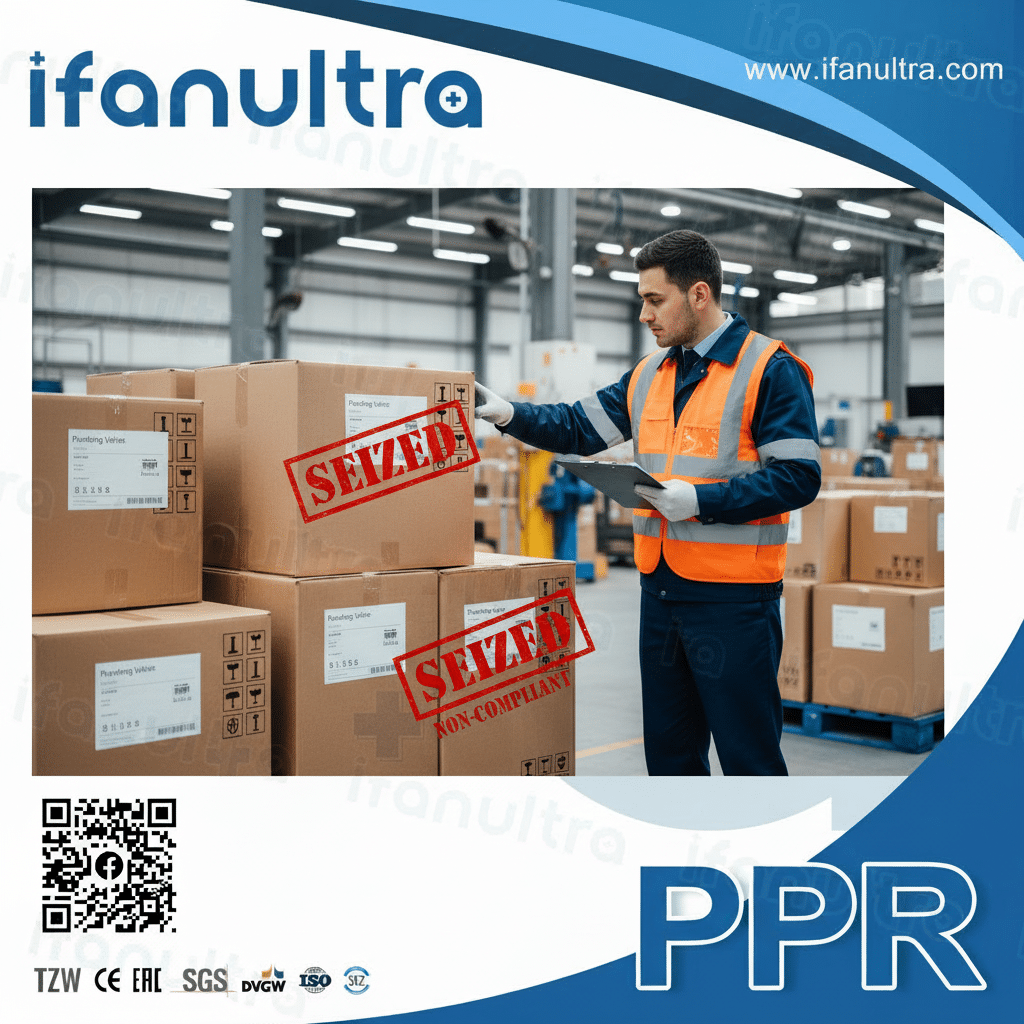
Selling non-WRAS approved fittings in the UK carries serious risks: products can be seized at customs, customers will refuse to buy them, and sellers face legal liability if installations fail or cause contamination. Ultimately, non-approved products have no legitimate market in the UK because water authorities, plumbers, and specifiers will not accept them.
Customs and Border Issues
The first barrier is at the border. UK customs authorities work with water companies to stop non-compliant products.
Seizure and Destruction: If customs identifies a shipment of non-approved fittings, they can:
- Detain the goods for inspection
- Require proof of compliance
- Seize and destroy non-compliant products
This means losing not just the shipment value but also shipping costs and potential sales.
Reputation Damage with Importers: UK importers who receive seized goods will not work with that supplier again. They face their own costs and delays from the seizure.
Market Rejection
Even if products clear customs, they will not sell. Consider the UK supply chain:
| Customer Type | Will They Buy Non-WRAS? | Reason |
|---|---|---|
| Plumbers | No | Cannot risk failed inspections or liability |
| Builders Merchants | No | Will not stock products their customers reject |
| Contractors | No | Contracts require compliant materials |
| Homeowners | No | Informed consumers check for approval marks |
| Exporters | No | Cannot resell to UK market |
Without WRAS approval, there is simply no route to market.
Legal and Financial Liability
The most serious risks involve liability after installation:
Product Liability Law: UK law holds manufacturers responsible for defective products. If a non-approved fitting fails and causes:
- Water damage to property
- Health issues from contamination
- Injury from bursting pipes
The manufacturer faces full liability. This can include:
- Compensation payments
- Legal costs
- Cleanup expenses
- Regulatory fines
Case Example from Experience
I recall a supplier who shipped non-approved fittings to a UK distributor. The distributor sold them to a contractor who installed them in a new apartment building. Within six months, several fittings failed, causing water damage to multiple units.
The result was catastrophic:
- The contractor had to replace every fitting at their own cost
- The distributor lost their business and closed
- The manufacturer faced a lawsuit and withdrew from the UK entirely
All of this could have been avoided with WRAS approval.
Summary of Risks
| Risk Category | Specific Consequence | Impact Level |
|---|---|---|
| Customs | Seizure and destruction | Alta |
| Market Access | No sales channel | Critical |
| Legal | Liability claims | Severe |
| Reputation | Brand damage | Long-term |
| Financial | Lost investment | Total loss |
For anyone serious about the UK market, WRAS approval is essential.
Conclusão
WRAS approval is the gateway to the UK plumbing market, ensuring safety, compliance, and professional acceptance. IFAN offers a full range of WRAS-approved PP-R fittings certified for UK installation requirements.









 English
 Español
 Français
 Português do Brasil