
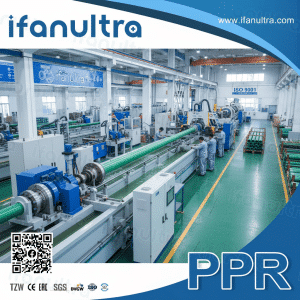
I once lost a major deal because our competitor had an ISO certification and we didn’t. That painful lesson taught me these standards are more than just wall plaques.
ISO 9001 and ISO 14001 apply to pipe manufacturers as comprehensive management frameworks. ISO 9001 focuses on quality control and consistent production processes. ISO 14001 addresses environmental impact, covering waste management, resource use, and regulatory compliance. Together, they demonstrate a manufacturer’s commitment to quality and sustainability.
Let me explain exactly how these certifications shape pipe production and why they matter for your purchasing decisions.
How Does ISO 9001 Ensure Consistent Quality in Pipe Production Processes?
Poor quality pipes fail. I’ve seen this happen when manufacturers lack proper process controls.
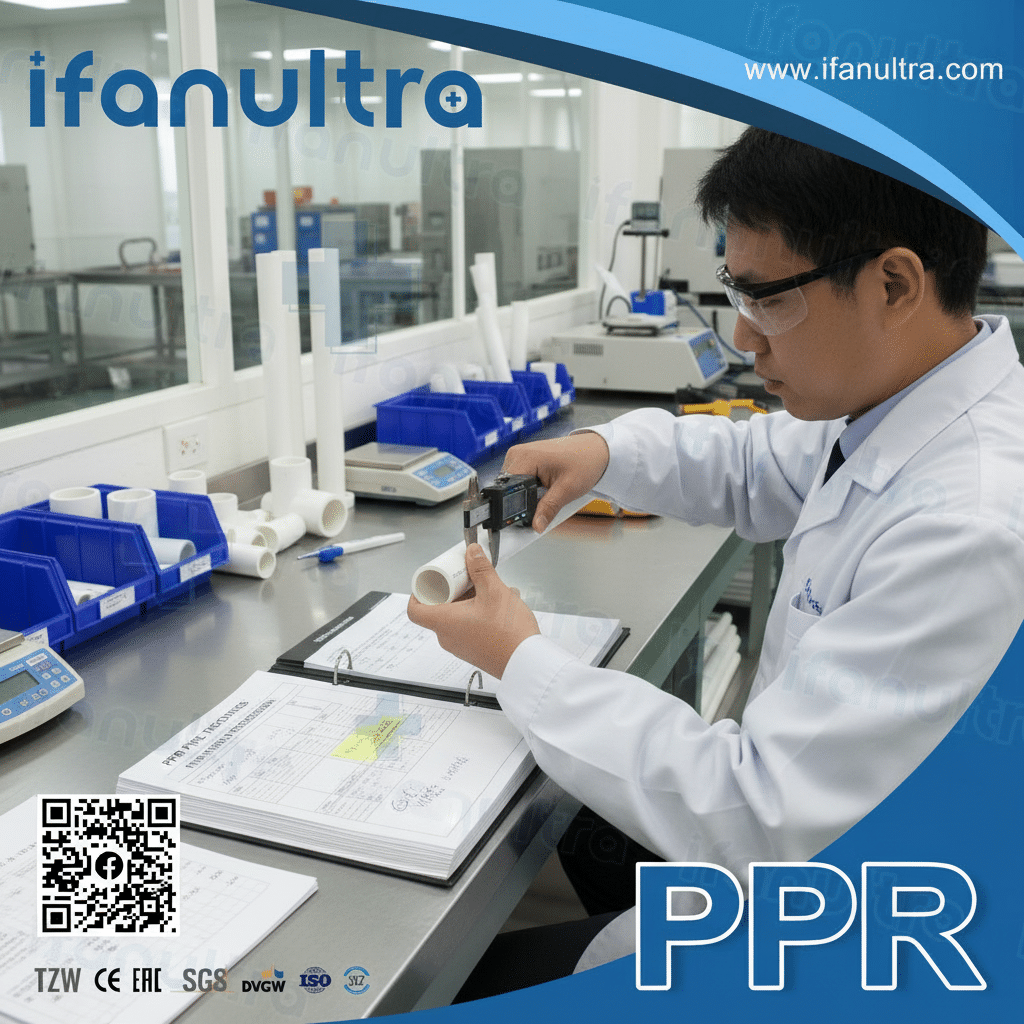
ISO 9001 ensures consistent quality by requiring manufacturers to document every step of their production process. It demands regular internal audits, strict raw material inspections, and continuous monitoring of production parameters. This systematic approach catches potential issues before they become product defects, ensuring every pipe meets the same quality standards.
The Core Requirements of ISO 9001 for Pipe Making
ISO 9001 is not about the pipes themselves. Rather, it focuses on how a company manages its processes. For a pipe manufacturer, this means several specific things happen in a structured way.
First, the company must define its quality policy and objectives. This sounds simple, but it forces leadership to commit to quality goals. For example, a pipe maker might set a target of zero defects or 100% dimensional accuracy.
Second, ISO 9001 requires documented procedures for every critical operation. Consider these production steps:
| Production Step | ISO 9001 Requirement | How It Ensures Quality |
|---|---|---|
| Raw Material Receiving | Documented inspection process for incoming resin or metal. | Only approved materials enter production. |
| Extrusion/Molding Settings | Standard operating procedures for temperature and pressure. | Consistent production conditions every time. |
| In-Process Testing | Defined checkpoints and testing methods. | Early detection of problems. |
| Final Inspection | Clear acceptance criteria and sampling plans. | Only good products ship to customers. |
| Non-Conformance Handling | Procedure for identifying and isolating bad products. | Defective pipes never reach buyers. |
How This Prevents Common Pipe Problems
The real value of ISO 9001 lies in its prevention focus. Rather than just finding defects at the end, it builds quality into every step.
Think about dimensional tolerance issues. Without ISO 9001, a manufacturer might only check pipe diameters at the end of the day. If they find a problem, they have already produced hundreds of bad pipes. With ISO 9001, they check every hour, record the measurements, and adjust the machine immediately if numbers drift.
This systematic approach directly addresses the pain points we discussed earlier. Remember Jeff Weaver’s frustration with poor dimensional tolerances? An ISO 9001-certified manufacturer would have caught that problem before shipping.
The Documentation Advantage
ISO 9001 also creates traceability. If a problem occurs, the manufacturer can trace back through records to find the root cause. They can tell you which batch of raw material caused the issue, which machine produced it, and which operator ran that machine. This level of accountability simply does not exist in non-certified factories.
What Aspects of Environmental Management Does ISO 14001 Cover for Factories?
Environmental rules are getting stricter every year. I’ve helped clients avoid fines by choosing ISO 14001-certified suppliers.
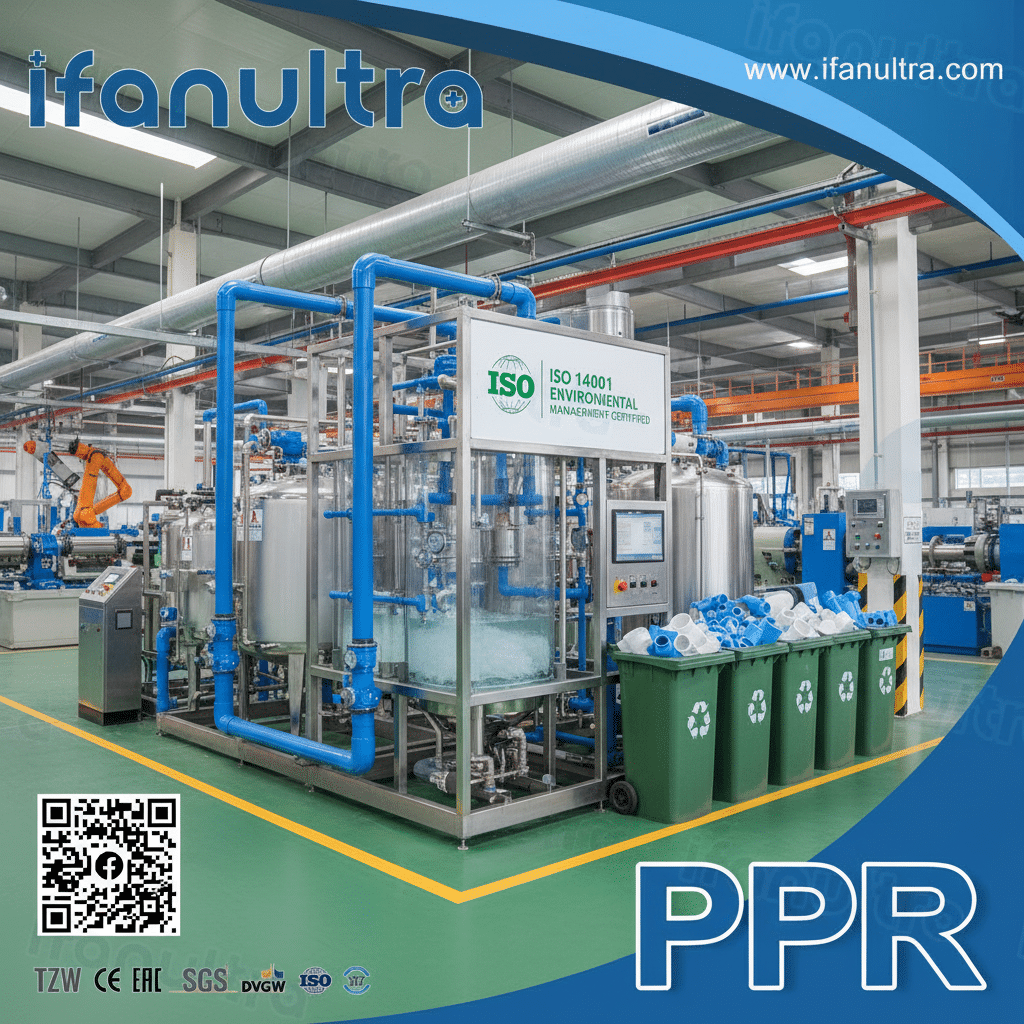
ISO 14001 covers all aspects of a factory’s environmental impact. This includes waste disposal methods, air emissions control, water usage and treatment, energy consumption, and chemical storage. The standard requires manufacturers to identify their environmental risks, set reduction targets, and prove they meet local environmental regulations.
Breaking Down the Environmental Requirements
For pipe manufacturers, ISO 14001 touches many daily operations. Let’s look at the main areas it covers.
Waste Management: Pipe production creates waste. There are off-cuts from cutting pipes, rejected products, and packaging materials. ISO 14001 requires a plan for handling this waste. The manufacturer must separate recyclable materials, properly dispose of hazardous waste, and track where everything goes.
Emissions Control: Some pipe production processes release fumes or dust. ISO 14001 requires monitoring these emissions and installing control equipment if needed. This protects both workers and the surrounding community.
Chemical Management: Pipe makers use various chemicals for cleaning, printing, or bonding. ISO 14001 demands proper storage, spill prevention measures, and staff training on handling these materials safely.
The table below shows common environmental aspects and how ISO 14001 addresses them:
| Environmental Aspect | ISO 14001 Requirement | Practical Implementation |
|---|---|---|
| Plastic Waste | Waste reduction targets and tracking. | Recycling scrap material back into production. |
| Energy Use | Monitoring and improvement plans. | Installing efficient motors and lighting. |
| Water Discharge | Treatment before release. | On-site water treatment systems. |
| Air Emissions | Regular testing and controls. | Exhaust filters and stack monitoring. |
| Chemical Spills | Prevention and response plans. | Secondary containment and spill kits. |
The Business Benefits of ISO 14001
Beyond compliance, ISO 14001 often saves money. When a factory tracks energy use, they find ways to reduce it. When they focus on waste reduction, they buy less raw material for the same output. These savings can make a manufacturer more competitive on price.
For buyers, ISO 14001 provides peace of mind. You know your supplier won’t face sudden shutdowns from environmental violations. You also protect your own company’s reputation by avoiding suppliers with poor environmental records.
Why Are These Certifications Often Prerequisites for Major Project Bids?
I have sat through many bid reviews. Without ISO certifications, we did not even get to present our price.
ISO 9001 and ISO 14001 are prerequisites for major projects because they reduce risk for the buyer. Large construction projects cannot afford delays from poor quality pipes or environmental violations. These certifications provide proof that a manufacturer has systems in place to deliver consistent quality and operate responsibly. They act as a pre-qualification filter.
Understanding the Buyer’s Perspective
Put yourself in the shoes of a project manager building a hospital or a large residential complex. They have hundreds of suppliers and thousands of products to coordinate. They cannot personally audit every pipe factory.
ISO certifications serve as a shortcut. They tell the project manager: “This manufacturer has been audited by an independent third party. Their systems meet international standards.”
Consider what happens when a project chooses a non-certified manufacturer:
| Risk Area | Potential Consequence | Why ISO Helps |
|---|---|---|
| Quality Failure | Pipes leak after installation. Huge repair costs. | ISO 9001 ensures consistent production and testing. |
| Delivery Delay | Factory cannot produce consistently. Project stalls. | ISO 9001 requires production planning and capacity management. |
| Regulatory Issue | Factory gets shut down for environmental violations. | ISO 14001 ensures compliance with environmental laws. |
| Legal Liability | Buyer gets sued for using substandard materials. | ISO certification shows due diligence in supplier selection. |
The Tender Process Reality
In my experience, most government projects and large commercial developments explicitly require ISO certifications. The tender documents will state: “Bidders must provide valid ISO 9001 and ISO 14001 certificates.”
If you cannot provide these, your bid is rejected immediately. The project team does not even look at your price or technical proposal. This is not about being unfair. It is about managing their own risk and compliance requirements.
The Reputation Factor
There is also a reputation element. Architects and engineering firms put their names on these projects. They need assurance that every component meets specifications. Specifying ISO-certified suppliers protects their professional reputation.
For international buyers, like Jeff Weaver importing to Russia, ISO certifications bridge the trust gap. He cannot easily visit factories in China. The certifications tell him these factories operate to globally recognized standards.
How Can Buyers Verify a Manufacturer’s ISO Certifications Are Valid?
Fake certificates exist. I have seen companies claim certifications they do not actually hold.
Buyers can verify ISO certifications by checking the issuing body’s website, requesting the scope of certification, and looking for the accreditation mark of a recognized national body. Valid certificates always include a unique number, issue date, expiry date, and the specific scope of activities covered. Buyers should also ask for recent surveillance audit reports.
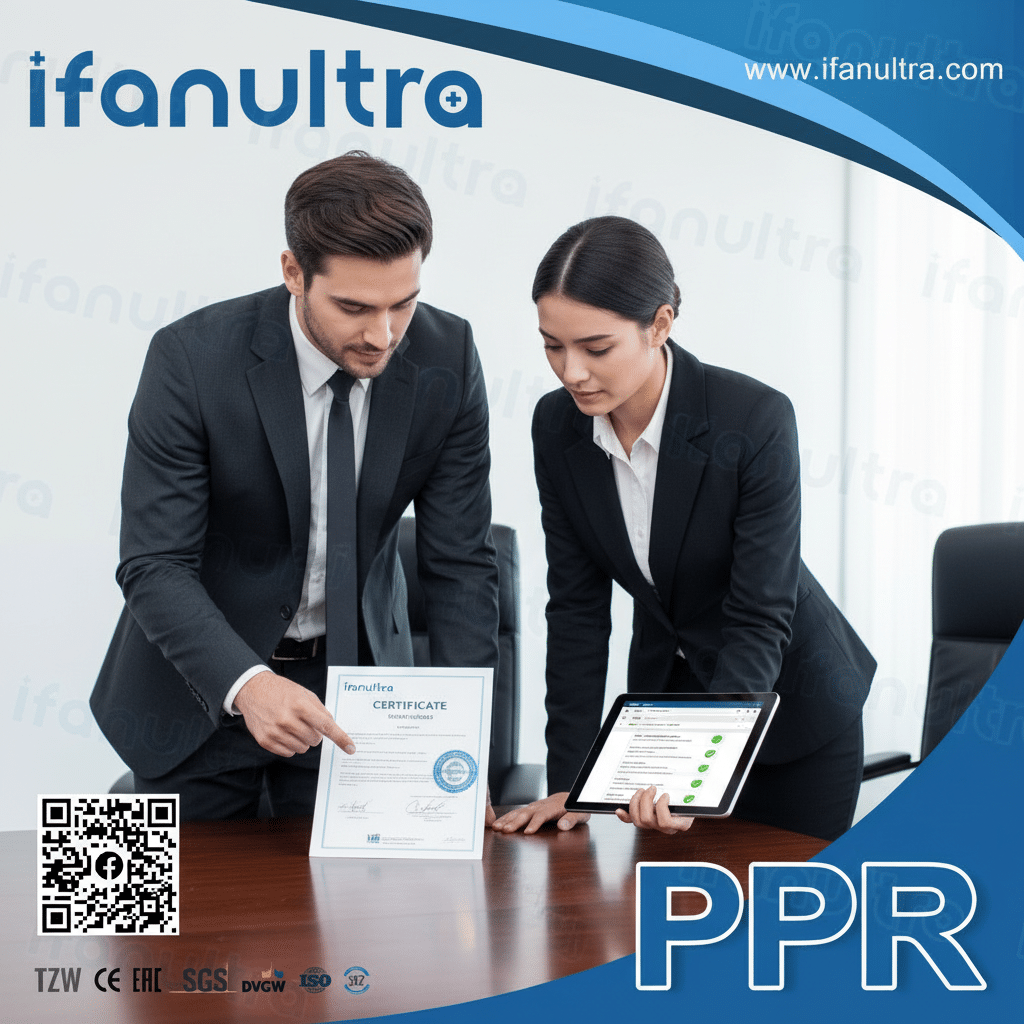
Step-by-Step Verification Process
Do not just accept a PDF certificate. Follow these steps to confirm authenticity.
Step 1: Check the Certificate Details
Look for these elements on any valid certificate:
- A clear certification body logo (like SGS, TÜV, BV, DNV)
- A unique certificate number
- Issue date and expiry date
- The specific scope of certification (e.g., “Manufacturing of plastic pipes and fittings”)
- The standards referenced (ISO 9001:2015, not just ISO 9001)
- The accreditation mark (like UKAS, ANAB, IAS)
Step 2: Verify with the Certification Body
Most certification bodies have online databases. Go to their website and search for the company name or certificate number. If you cannot find it online, email the certification body directly. They will confirm if the certificate is valid.
Step 3: Check the Scope Carefully
A company might be certified for trading activities but not for manufacturing. The scope must specifically include pipe production. If the scope says “trading of plastic products,” they are not certified as a manufacturer.
Step 4: Request Audit Reports
Serious buyers ask for recent surveillance audit reports. These show any non-conformities found during audits and how the company fixed them. A manufacturer with nothing to hide will share these.
The table below summarizes what to check:
| Verification Method | What to Look For | Red Flags |
|---|---|---|
| Certificate Visual Check | Logo, dates, scope, accreditation marks. | Missing information, poor print quality. |
| Online Database Search | Company name matches certificate. | Cannot find record. |
| Scope Verification | “Manufacturing of pipes” explicitly stated. | Vague scope like “trading” or “services.” |
| Audit Reports | Recent surveillance with no major issues. | Refusal to share, outdated reports. |
Common Fake Certificate Signs
Watch for these warning signs:
- Certificates that never expire
- Certification bodies you cannot find online
- Certificates showing standards from 2008 (current version is 2015)
- Companies that get defensive when you ask for verification
The IFAN Approach
At IFAN, we maintain valid ISO certifications and we are happy to help buyers verify them. We provide our certificate numbers and certification body contacts openly. We also share our audit results with serious buyers. This transparency builds trust and speeds up the purchasing process.
Conclusion
ISO 9001 and ISO 14001 certifications prove a pipe manufacturer’s commitment to quality and environmental responsibility. For your next project, choose IFAN’s certified piping systems backed by these internationally recognized standards.









 English
 Español
 Français
 Português do Brasil