
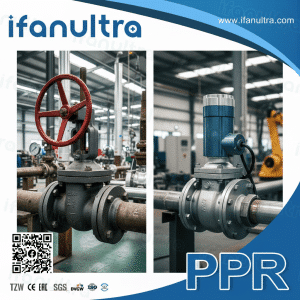
I remember a client who insisted on manual valves to save money, only to pay triple in labor costs within two years. That mistake taught me the true meaning of cost-effectiveness.
Choosing between manual and automated valves depends on your specific application, labor costs, and long-term operational goals. Manual valves have lower upfront costs but require ongoing human intervention. Automated valves involve higher initial investment but offer significant savings in labor, precision, and remote control capabilities, often delivering a higher return on investment (ROI) in large or complex systems.
However, the decision isn’t always black and white. Let’s break down the key factors to help you make the right choice.
What Are the Initial Purchase and Installation Cost Differences Between Them?
Upfront costs often scare people away from automation. I’ve seen procurement teams choose manual valves solely based on the price tag, missing the bigger picture.
Manual valves typically cost 30-70% less to purchase than their automated counterparts. Installation of manual valves is also simpler and cheaper because they require no electrical wiring, control systems, or programming. Automated valves include an actuator (electric, pneumatic, or hydraulic) and often need additional components like positioners, solenoids, and control panels, which drive up initial expenses.
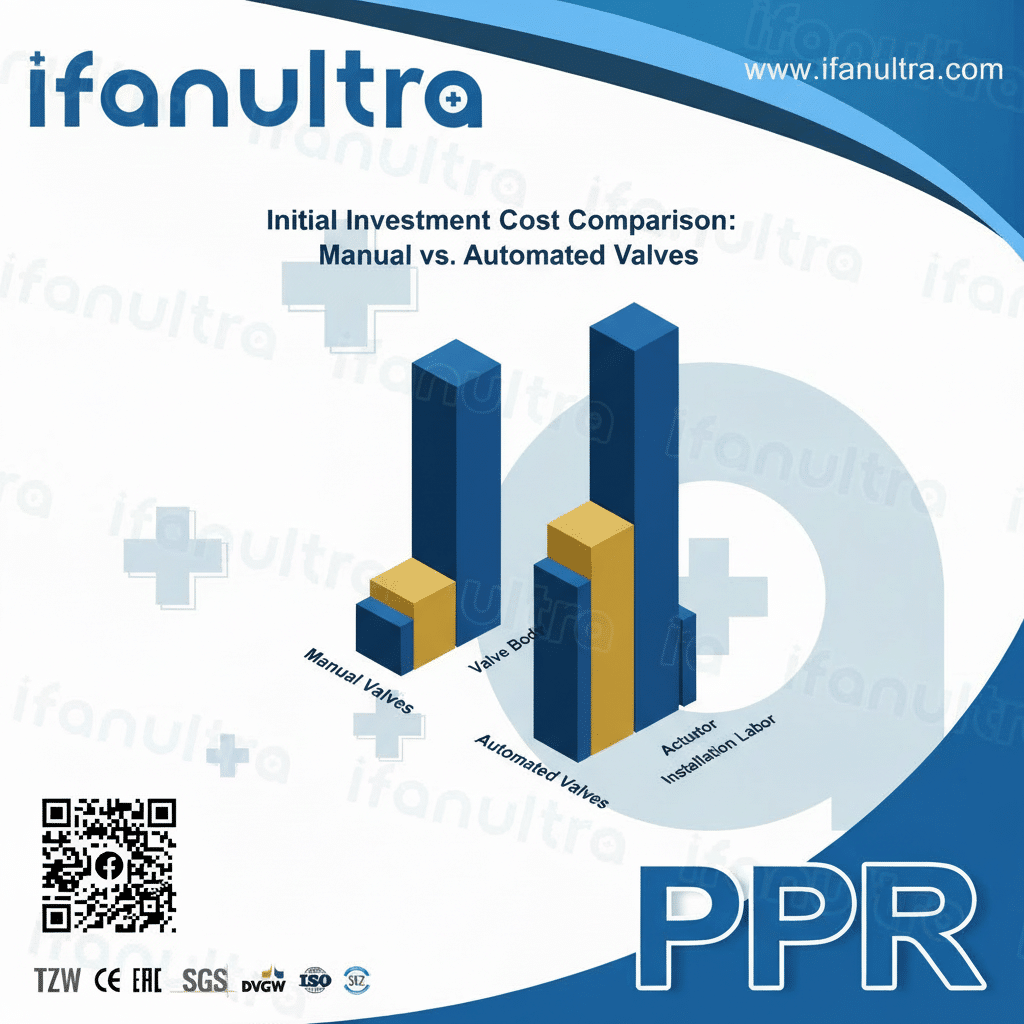
Breaking Down the Initial Costs
To understand the real difference, we need to look beyond the valve body itself. A manual valve is just the valve. An automated valve is a system.
Valve Body: The base valve (gate, globe, ball, butterfly) is roughly the same for both types. The cost difference starts when you add an actuator.
Actuator: This is the biggest added expense. Actuators can be:
- Electric: Most common for remote control; includes a motor, gears, and often a control module. Prices range from a few hundred to several thousand dollars depending on size and features.
- Pneumatic: Uses compressed air; generally cheaper than electric but requires an air supply system.
- Hydraulic: Uses fluid pressure; used for very high forces; most expensive.
Control Accessories: Automated valves often need:
- Positioners to precisely control opening.
- Solenoid valves for pneumatic actuation.
- Limit switches to indicate open/close status.
- Wiring, conduits, and control panels.
- Programming and integration with SCADA or building management systems.
Installation Labor: Installing a manual valve usually involves just piping work. Automated valves require electricians or instrument technicians to connect power and controls, which adds labor hours.
The table below summarizes typical cost ranges for a medium-sized industrial valve (e.g., 4-inch ball valve):
| Cost Component | Manual Valve | Automated Valve (Electric) |
|---|---|---|
| Valve Body | $500 – $800 | $500 – $800 |
| Actuator | $0 | $800 – $2,500 |
| Controls & Accessories | $0 | $300 – $1,000 |
| Installation Labor (Piping) | $200 – $400 | $200 – $400 |
| Electrical/Controls Installation | $0 | $500 – $1,500 |
| Total Estimated Initial Cost | $700 – $1,200 | $2,300 – $6,200 |
As you can see, the initial investment for an automated valve can be 3 to 5 times higher than a manual one. But as we’ll see, this gap often narrows when you consider operational savings.
How Do Automated Valves Reduce Labor Costs for Routine System Operations?
I’ve watched workers walk miles each day just to open and close valves. That time adds up to real money.
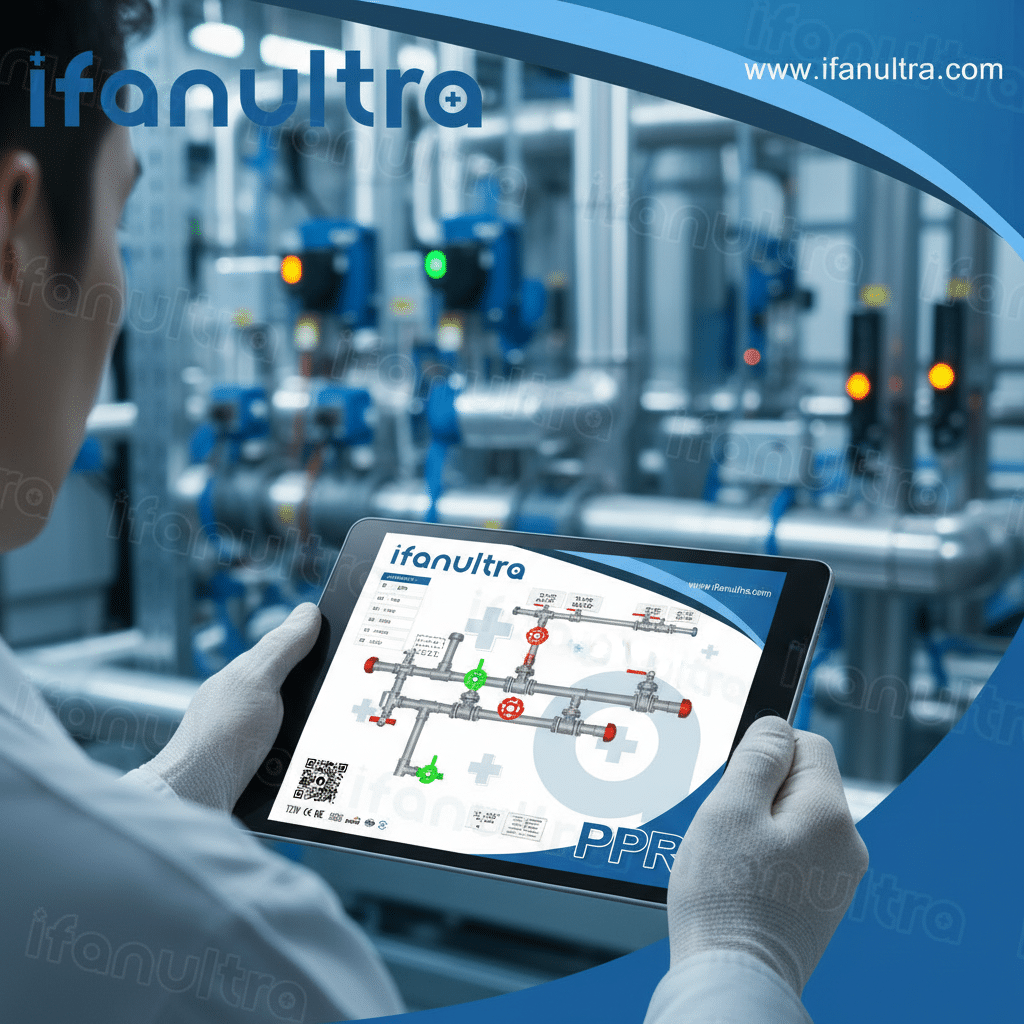
Automated valves reduce labor costs by eliminating the need for personnel to physically travel to each valve and operate it manually. With remote control from a central control room or even a smartphone app, one operator can manage hundreds of valves simultaneously. This saves significant time, especially in large facilities, and allows staff to focus on higher-value tasks.
Quantifying Labor Savings
Let’s put some numbers on this. Imagine a water treatment plant with 50 valves that need to be operated twice a day for different processes.
Manual Operation Scenario:
- Walking distance between valves: average 100 feet.
- Total walking per round: 50 valves × 100 ft = 5,000 ft (nearly a mile).
- Time per valve: 2 minutes to walk, open/close, and record.
- Total time per round: 50 × 2 min = 100 minutes (1.67 hours).
- Two rounds per day: 3.34 hours.
- Labor cost: $30/hour (including overhead) × 3.34 = $100 per day.
- Annual labor cost: $100 × 365 = $36,500 per year.
Automated Operation Scenario:
- Operator clicks a button on a screen: 1 minute for all valves.
- Labor cost per day: $30 × (1/60) hour = $0.50.
- Annual labor cost: $182.50.
That’s a labor saving of over $36,000 per year. In just one year, the automation investment could pay for itself, depending on the number of valves.
Other Labor-Related Benefits
Beyond direct operation time, automation reduces labor in other ways:
- Fewer Errors: Manual operation can lead to mistakes (e.g., leaving a valve open). Automated sequences ensure consistent, repeatable actions, reducing rework and emergency repairs.
- No Overtime: If a process requires valve adjustments at 2 AM, an automated system handles it without paying overtime wages.
- Data Logging: Automated systems can record every valve movement automatically, eliminating manual logbook entries and reducing administrative work.
Applications with High Labor Savings
Labor savings are most dramatic in:
- Large facilities with many valves (water/wastewater plants, refineries).
- Processes requiring frequent valve changes (batch processing, mixing operations).
- Remote or hazardous locations where sending a worker is time-consuming or dangerous.
In Which Applications Does Remote Control and Automation Provide the Highest ROI?
Not every application needs automation. I’ve guided clients away from automating a simple garden hose valve because the ROI wasn’t there.
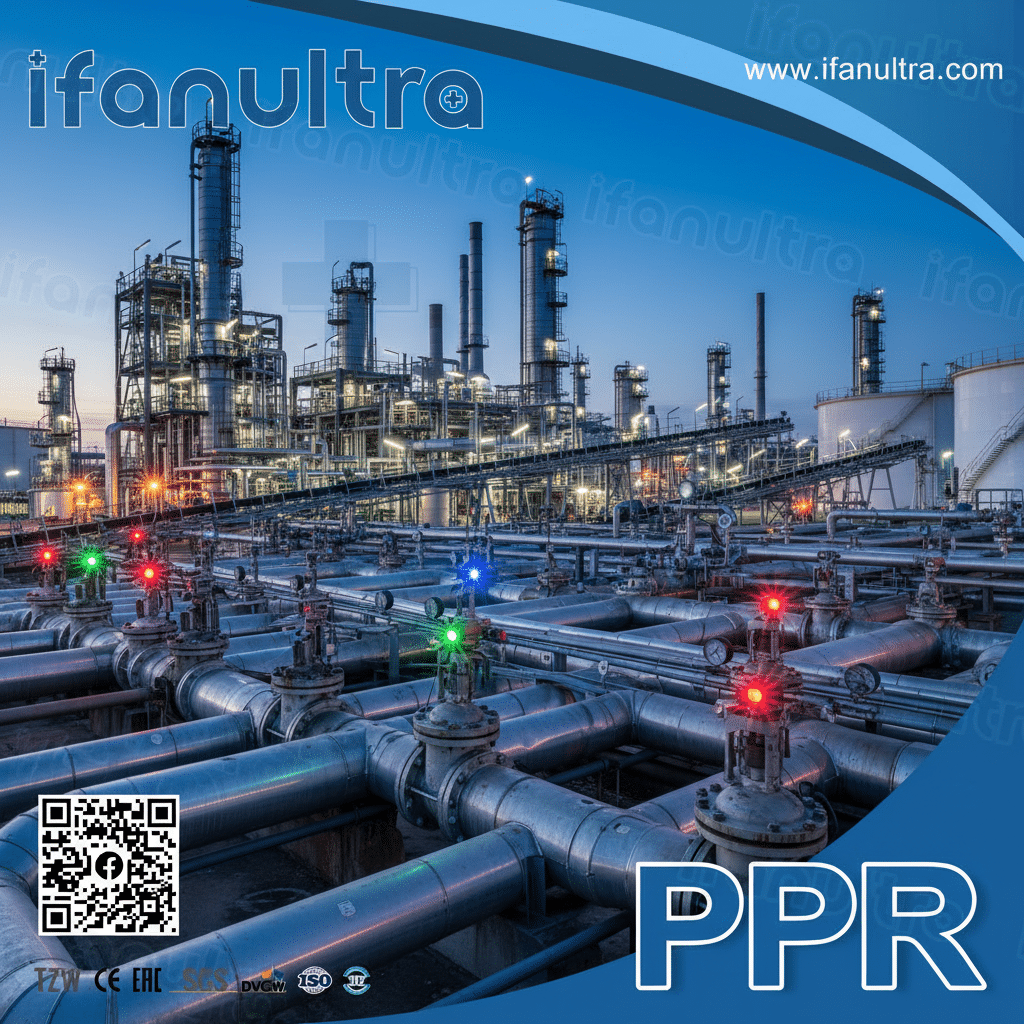
Remote control and automation provide the highest ROI in applications involving: large numbers of valves, frequent operation, difficult-to-access locations, processes requiring precise timing or positioning, and systems where quick response to changing conditions is critical. Examples include water distribution networks, industrial batch processes, and HVAC systems in large buildings.
Identifying High-ROI Scenarios
Let’s examine specific applications where automation pays off fastest.
1. Water and Wastewater Treatment Plants
These facilities often have hundreds of valves controlling flow, chemical dosing, and filtration. Operators must adjust valves multiple times daily based on demand. Automated valves integrated with SCADA allow for:
- Optimized chemical dosing based on real-time water quality.
- Automatic backwashing of filters.
- Remote monitoring and control of remote pump stations.
ROI Drivers: High labor savings, improved process control, reduced chemical waste.
2. Oil and Gas Pipelines
Valves along pipelines are often miles apart in remote areas. Sending a technician to manually operate a valve can cost hundreds of dollars in travel time. Automated valves with remote control enable:
- Emergency shutdown from a central control room.
- Regular flow adjustments without field visits.
- Leak detection by quickly isolating sections.
ROI Drivers: Avoided travel costs, faster emergency response, reduced product loss.
3. Large Commercial HVAC Systems
In skyscrapers or campus facilities, automated valves control chilled water and hot water flow to different zones. Integration with building management systems allows:
- Scheduling based on occupancy.
- Precise temperature control.
- Energy savings by adjusting flow to demand.
ROI Drivers: Energy savings, improved comfort, reduced maintenance calls.
4. Industrial Batch Processes
Factories that produce food, beverages, chemicals, or pharmaceuticals often use recipes requiring precise valve sequencing. Manual operation risks human error and batch inconsistency. Automated valves ensure:
- Exact timing and positioning.
- Repeatable quality.
- Paperless tracking for compliance.
ROI Drivers: Reduced product waste, improved quality, compliance with regulations.
ROI Calculation Example
Consider a food processing plant with 20 automated valves controlling a mixing vessel. The system costs $50,000 extra compared to manual valves. Benefits per year:
- Labor savings: $15,000
- Reduced product waste: $10,000
- Energy savings: $5,000
- Total annual benefit: $30,000
Simple payback period: $50,000 / $30,000 = 1.67 years. After that, it’s pure savings.
The table below summarizes typical ROI drivers for different applications:
| Application | Key ROI Drivers | Typical Payback Period |
|---|---|---|
| Water/Wastewater | Labor savings, process optimization | 2-4 years |
| Oil & Gas Pipelines | Travel cost avoidance, emergency response | 1-3 years |
| Systèmes CVC | Energy savings, comfort | 3-5 years |
| Industrial Batch Processes | Waste reduction, quality | 1-2 years |
What Are the Maintenance and Reliability Considerations for Automated Systems?
Automation adds complexity, and complexity can mean more things to break. But modern designs have addressed many of these concerns.
Automated systems require more specialized maintenance than manual valves because they include actuators, sensors, and electronics. However, predictive maintenance techniques and robust design have made them highly reliable. Manual valves, while simpler, can still fail due to seat wear, stem leakage, or corrosion, and their lack of diagnostic capability can hide developing problems until it’s too late.
Maintenance Needs of Automated Valves
Automated valves have additional components that need attention:
- Actuator: Electric actuators have motors, gears, and limit switches that may require lubrication, adjustment, or replacement. Pneumatic actuators have seals and solenoids that can leak or clog.
- Controls: Positioners, controllers, and wiring can develop faults. Software may need updates.
- Sensors: Feedback devices (like potentiometers or encoders) can drift or fail.
However, modern smart actuators include self-diagnostics that alert operators before a failure occurs. This enables predictive maintenance—fixing issues on schedule rather than reacting to breakdowns.
Reliability Statistics
Industry studies show that properly maintained automated valves have a mean time between failures (MTBF) of 5-10 years for the actuator, while the valve body itself can last 20+ years. Manual valves, without actuators, have fewer parts to fail but still need periodic packing adjustment and seat replacement.
One often overlooked factor: manual valves that are rarely operated can seize up due to lack of use. Automated valves can be programmed to exercise themselves periodically, preventing seizure.
Cost of Downtime
For critical processes, the cost of an unexpected shutdown can dwarf the cost of any valve. Automated systems with remote monitoring can detect issues early and allow planned maintenance during scheduled outages. Manual systems may not reveal a problem until it causes a failure.
Maintenance Cost Comparison
The table below compares typical annual maintenance costs (as a percentage of initial cost) for manual vs. automated valves:
| Maintenance Aspect | Manual Valve | Automated Valve |
|---|---|---|
| Routine Inspection | 1-2% of valve cost | 2-4% of total assembly cost |
| Repair/Replacement of Parts | 3-5% every 5-10 years | 5-10% every 5-8 years |
| Predictive Diagnostics | Not available | Built-in; reduces unplanned repairs |
| Labor Skill Required | General plumber/pipefitter | Instrument technician/electrician |
| Typical Annual Maintenance Cost | 1-3% of initial cost | 2-5% of initial cost |
As the table shows, automated valves have slightly higher maintenance costs, but they also offer better failure prediction and can prevent catastrophic downtime.
Practical Advice from IFAN’s Experience
Based on our work with clients worldwide, here are some tips:
- For non-critical, infrequently used valves in accessible locations: Manual valves are perfectly adequate and cost-effective.
- For valves in remote, hazardous, or frequently cycled services: Invest in automation. The labor savings and safety benefits outweigh the extra maintenance.
- Choose quality actuators: Cheap actuators fail often and negate the benefits. Look for IP-rated enclosures, manual override, and local position indication.
- Plan for maintenance: Train your staff or contract with a service provider familiar with automated systems.
Conclusion
Manual valves win on upfront cost; automated valves win on long-term operational savings and control. For large or complex systems, IFAN offers a full range of both manual and automated valves, including electric and pneumatic actuated options, designed for reliability and easy integration. Choose IFAN for expert guidance and quality products tailored to your application.









 English
 Español
 Français
 Português do Brasil