
I once had a client who received a shipment of “certified” pipes that failed pressure testing. The MTC looked real, but it was completely fake. That costly lesson taught me the importance of proper verification.
To verify a Material Test Certificate (MTC) for imported pipes, you must cross-check the document against product markings, confirm the issuing body’s accreditation, examine the certificate for signs of tampering, and maintain a systematic record-keeping process. An MTC is only valid when it directly matches the physical products you received and comes from a traceable, certified source.
Let me walk you through the exact steps we use at IFAN to ensure every MTC we handle is authentic and accurate.
What Key Information Should Be Cross-Checked Between the MTC and Product Markings?
A certificate means nothing if it doesn’t match the pipes in your warehouse. I’ve seen this simple mismatch cause major disputes.
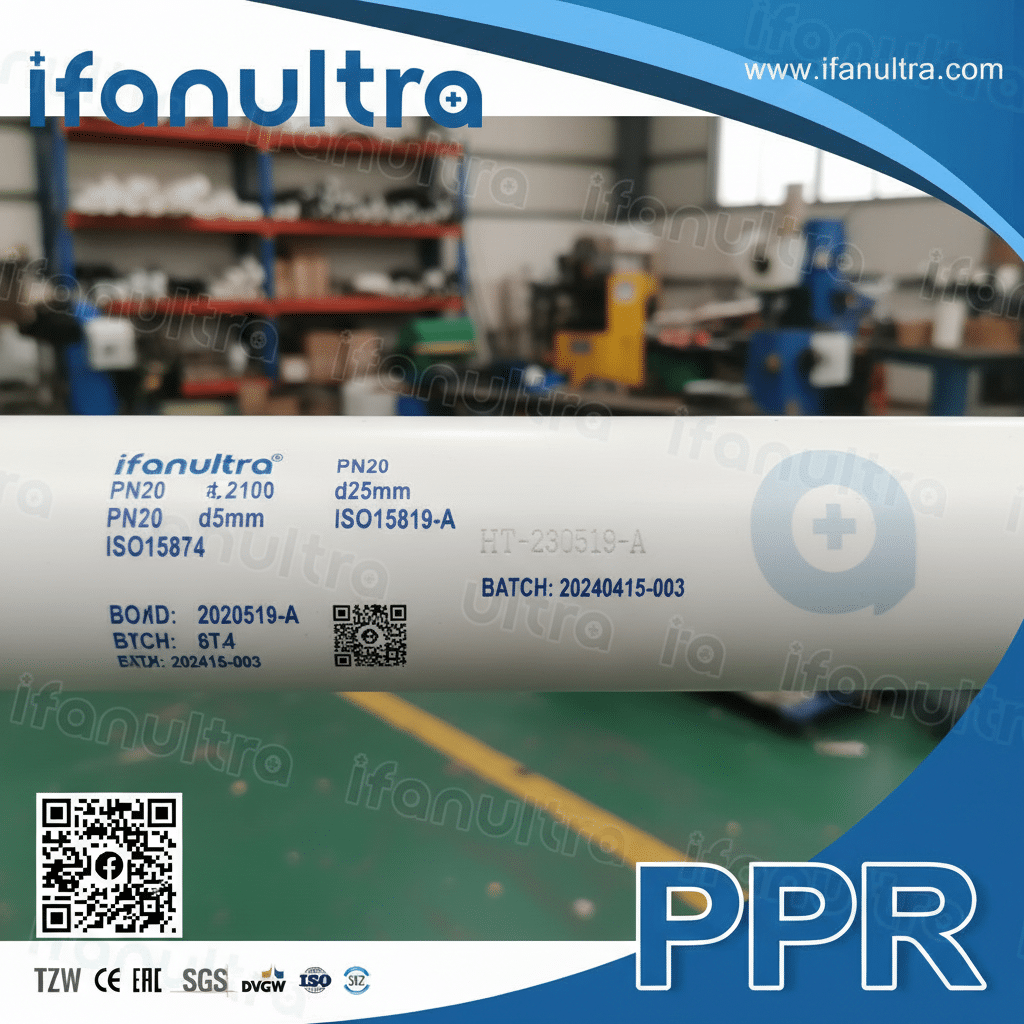
You must cross-check the heat number, batch number, or lot number printed on the pipe itself against the same number on the MTC. Additionally, verify that the pipe dimensions, wall thickness, material grade (e.g., PP-R 100), and pressure ratings listed on the certificate match the markings on the product packaging and pipe surface.
The Heat Number: Your Product’s Fingerprint
The most critical piece of information on an MTC is the heat number (also called cast number or batch number). This is the unique identifier for the specific batch of raw material used to manufacture your pipes.
Think of it like a person’s fingerprint. Every batch of pipes has a unique heat number. This number should appear in two places:
- On the MTC document: Usually near the top, under “Heat No.” or “Batch No.”
- On the actual pipes: Printed or stamped directly onto the pipe surface at regular intervals.
Your first step is simple but crucial: Confirm these numbers match exactly. If the number on the pipe differs from the number on the certificate, the document does not apply to your product.
Additional Information to Verify
Beyond the heat number, you should check these items against the physical products:
| Information on MTC | Where to Find on Product | Ce qu'il faut vérifier |
|---|---|---|
| Material Grade/Standard | Printed on pipe surface (e.g., “PP-R 100”, “ISO 15874”) | Confirms the pipe meets the specified material standard. |
| Dimensions (Diameter & Wall Thickness) | Printed on pipe surface (e.g., “32mm x 4.4mm”) | Use calipers to physically measure a sample pipe. |
| Pressure Rating (PN) | Printed on pipe surface (e.g., “PN20”) | Ensures the pipe is rated for your system’s operating pressure. |
| Manufacturing Date | Often printed as a date code on the pipe. | Verifies the pipe is from the claimed production batch. |
| Quantity | Count the pieces or bundles received. | Confirms the certificate covers the entire shipment. |
The Risk of Mismatched Information
Why is this cross-check so important? Because fraudulent suppliers sometimes use a single genuine MTC to cover multiple shipments of lower-quality pipes. They print the real heat number on fake pipes. A physical check exposes this fraud immediately.
We always recommend taking a photo of the pipe markings next to the MTC during inspection. This creates visual proof that the two match.
How Do You Confirm the MTC Is Issued by an Accredited Mill or Testing Laboratory?
Anyone can print a certificate. The question is whether the organization behind it has the authority to certify your pipes.
You confirm the MTC’s issuer by checking if the laboratory or mill holds relevant international accreditation, such as ISO/IEC 17025 for testing labs, and by verifying the accreditation body’s mark on the certificate. You should also contact the issuer directly using official contact information, not the details provided on the certificate you receive.
Understanding Accreditation vs. Issuance
First, understand the difference between who issued the certificate and who accredited them.
- The Issuer: This is the mill that made the pipes or the independent laboratory that tested them. Their name and logo appear on the certificate.
- The Accreditor: This is an independent body that has verified the issuer’s competence. For example, a lab might be accredited by UKAS (United Kingdom), ANAB (USA), or CNAS (China).
A valid MTC will typically show both the issuer’s information and the accreditor’s logo or mark.
Steps to Verify the Issuer’s Credibility
Follow these steps to confirm you’re dealing with a legitimate certifying body:
1. Check for Accreditation Marks: Look for logos like:
* ISO/IEC 17025: The international standard for testing laboratory competence.
* CNAS (China): China National Accreditation Service.
* UKAS (UK): United Kingdom Accreditation Service.
* DAkkS (Germany): Deutsche Akkreditierungsstelle.
2. Verify the Mark Online: Every accreditation body maintains a public database of accredited organizations. Visit their website and search for the issuer’s name. If they are not listed, the certificate is not valid.
3. Contact the Issuer Directly: This is the most reliable step. Use Google to find the official website and phone number of the mill or laboratory named on the MTC. Do not use the contact details printed on the certificate itself, as these could be fake.
4. Confirm the Signatory: A valid MTC should have a signature and printed name of an authorized person. When you contact the issuer, you can ask to verify that this person works there and had the authority to sign.
Real-World Example
We once received an MTC from a “respected” European lab. The document looked perfect. However, when we checked the UKAS database, the lab’s name was not listed. A quick phone call revealed the lab had ceased operations years ago. The certificate was completely fabricated.
What Are the Red Flags Indicating a Potentially Fraudulent or Altered Certificate?
Fraudsters are getting smarter. But they still leave traces. Learning to spot these red flags can save your business.
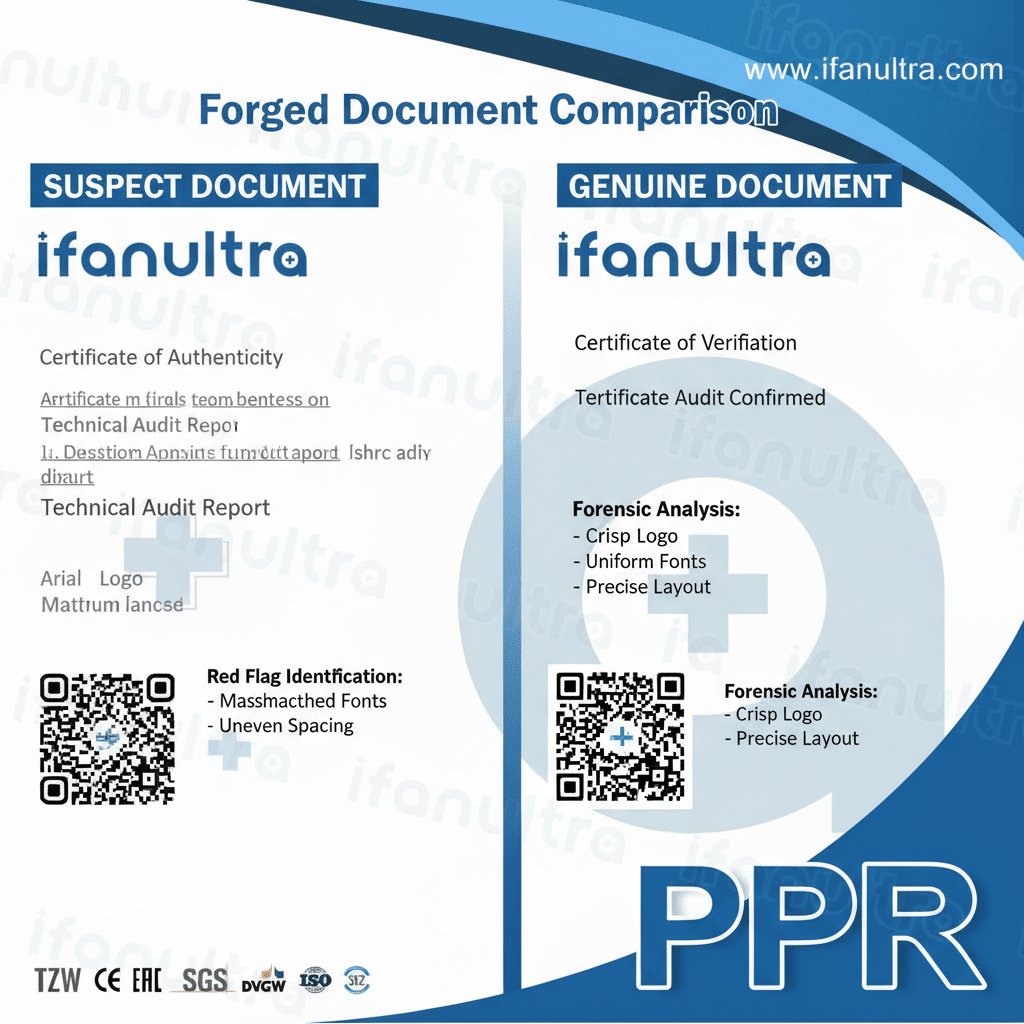
Red flags include mismatched fonts or alignment on the document, poor print quality or pixelation of logos, generic email addresses (like @gmail.com) from the issuer, missing accreditation body logos, altered numbers or dates visible upon close inspection, and certificates that arrive separately from the shipment rather than with the goods.
Visual Inconsistencies
The first line of defense is your eyes. Look closely at the document itself.
- Font Variations: If the document uses multiple different fonts, or if the text alignment suddenly changes, someone may have edited the file.
- Pixelated Logos: Legitimate certificates have crisp, clear logos. Blurry or pixelated images suggest the logo was copied from a website and pasted in.
- Inconsistent Borders or Shading: Look for uneven lines or shading that doesn’t line up properly. This indicates digital manipulation.
- Spelling and Grammar Errors: Official documents from accredited bodies rarely contain basic spelling mistakes.
Information-Based Red Flags
Beyond how the document looks, examine what it says.
| Drapeau rouge | What It Means | Pourquoi c'est important |
|---|---|---|
| Generic Contact Info | Email ends in @gmail, @yahoo, or similar. | Accredited labs and mills have corporate email domains. |
| Missing Accreditation Logos | No ISO/IEC 17025 or national body mark. | Without these, the issuer’s authority is unverified. |
| Vague Product Descriptions | Describes pipes as “PP-R pipes” without grade or standard. | Real certificates specify exact material grades and standards. |
| Missing Test Data | Only shows a passing result without actual test values. | Genuine MTCs include numerical test results (tensile strength, melt flow, etc.). |
| Inconsistent Date Formats | Mixes formats (e.g., MM/DD/YYYY and DD/MM/YYYY). | Suggests the document was compiled from multiple sources. |
The Separate Shipment Trick
A common fraud tactic is to send the MTC separately by email while shipping uncertified goods. Legitimate mills include the MTC with the shipment, often inside the packaging itself. If your supplier cannot provide the certificate until after you ask for it, be suspicious.
Digital Verification Tools
Some manufacturers now use digital signatures and blockchain-based verification systems. These allow you to scan a QR code on the MTC and view the original, unaltered document on a secure server. If your supplier offers this, use it. It is the most reliable verification method available.
Why Is It Essential to Retain MTCs as Part of Your Quality Traceability Records?
An MTC isn’t just paperwork to file away. It is your legal protection and your quality assurance for years to come.
Retaining MTCs is essential because they provide traceability back to the raw material source in case of future failures, serve as proof of compliance during inspections or audits, protect you from liability claims, and document the quality history of your building’s plumbing system for maintenance and resale value.
Legal and Liability Protection
Imagine this scenario: Five years after installation, a pipe fails and causes water damage to a building. The owner sues everyone involved—the installer, the distributor, and the manufacturer.
Your MTC is your evidence. It proves:
- The pipe met the specified material standards at the time of installation.
- You purchased from a legitimate source.
- The raw materials came from a certified mill.
Without this document, you have no proof. You become liable for damages simply because you cannot show the product was up to standard when it left your control.
Audit and Compliance Requirements
Many industries require traceability as part of their quality management systems.
- ISO 9001 Certified Companies: If your company holds ISO certification, you must maintain records of purchased product verification. MTCs are part of this requirement.
- Government and Infrastructure Projects: Public works projects often require complete documentation for every material used. Missing MTCs can disqualify you from future bids.
- Insurance Requirements: Some insurers now require proof of material certification before covering buildings against defects.
Long-Term Maintenance Value
For building owners, retaining MTCs adds long-term value.
When a building needs repairs or renovations decades later, plumbers need to know what materials they are working with. The MTC tells them:
- The exact material composition
- The pressure ratings
- The dimensional specifications
This information ensures they use compatible fittings and repair methods. It also helps when ordering replacement parts.
Best Practices for MTC Retention
Based on IFAN’s experience working with global clients, here are practical recommendations:
| Pratique | Pourquoi c'est important | How to Implement |
|---|---|---|
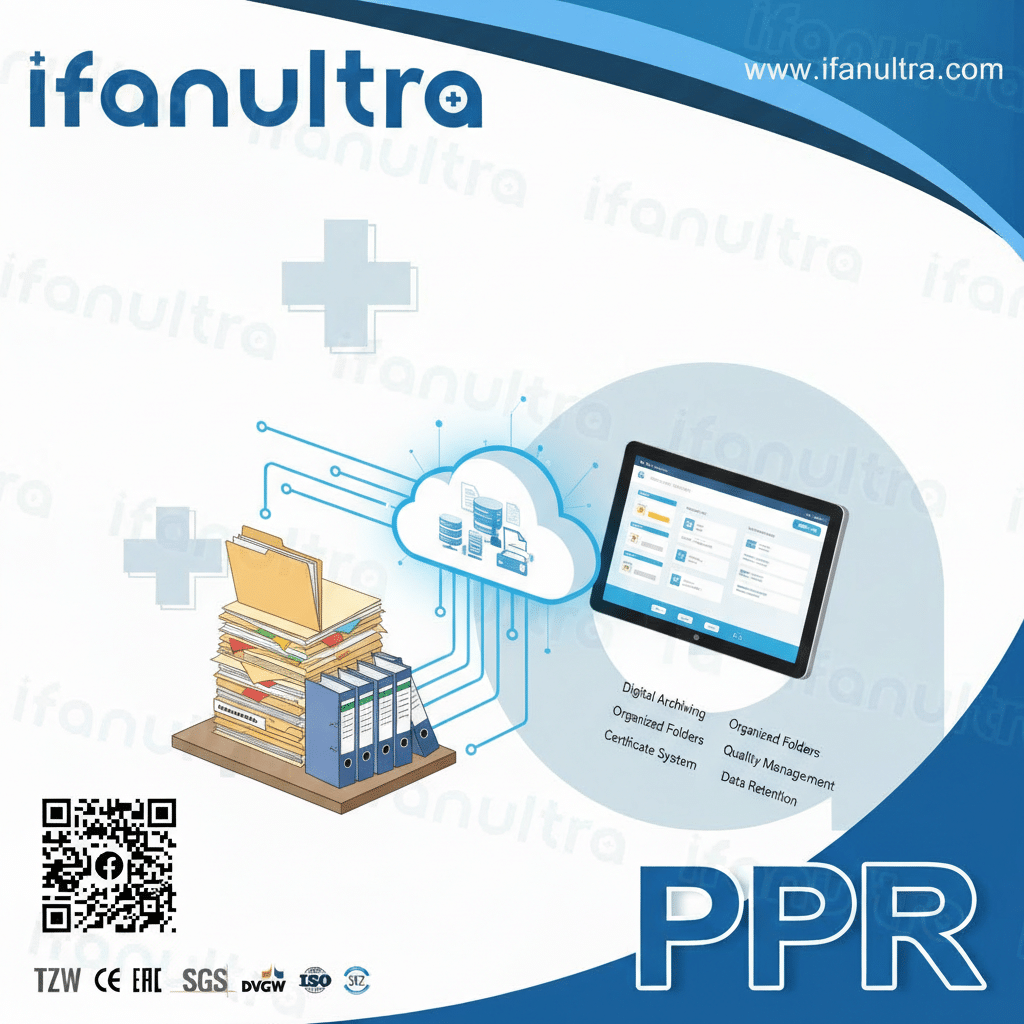
| Digital Archiving | Physical copies fade and get lost. | Scan all MTCs to PDF and store in cloud backup. |
| Organized by Batch | Makes retrieval quick during audits. | Name files with heat number, date, and product type. |
| Link to Purchase Orders | Creates complete traceability. | Store MTCs with corresponding PO and invoice records. |
| Retain for 50+ Years | Pipe lifespan can exceed 50 years. | Keep records as long as the building stands. |
| Share with End Users | Helps building owners maintain value. | Provide MTC copies to the final client at project completion. |
The IFAN Commitment
At IFAN, we provide authenticated MTCs with every shipment. Our certificates come from ISO 17025 accredited labs and include QR codes for digital verification. We also maintain our own digital archive of every MTC we have ever issued, ensuring our clients can access their records even years later.
Conclusion
Verifying MTCs protects your business from fraud and liability. Always cross-check numbers, confirm accreditation, spot red flags, and keep records forever. IFAN provides fully traceable, authenticated MTCs with every pipe shipment for complete peace of mind.









 English
 Español
 Français
 Português do Brasil