
During a recent industrial project, I witnessed the costly consequences of using white PVC in an application requiring grey UV-resistant piping. The failed installation taught me that color coding in PVC isn’t just aesthetic—it communicates critical performance characteristics that directly impact system longevity and safety.
The primary difference between white PVC and grey PVC lies in their composition and intended applications. White PVC is typically manufactured for pressure applications like potable water systems, while grey PVC is formulated for electrical conduit and drainage uses where UV resistance and different performance characteristics are required.
Understanding these color-coded distinctions helps professionals select the right material for each application, preventing premature failures and ensuring compliance with industry standards. Let’s examine what these color differences truly mean in practical terms.
Why Are PVC Pipes Manufactured in Different Colors Like White and Grey?
I once investigated a plumbing failure where white electrical conduit had been mistakenly installed for drinking water, contaminating the system and causing health concerns. This incident highlighted how color coding prevents dangerous misapplications.
PVC pipes are manufactured in different colors to provide immediate visual identification of their intended application, material composition, and performance capabilities. This color standardization allows installers, inspectors, and maintenance personnel to quickly identify pipe purpose without checking markings or documentation.
Color Coding System Explained
The PVC color system serves multiple important functions:
Application Identification
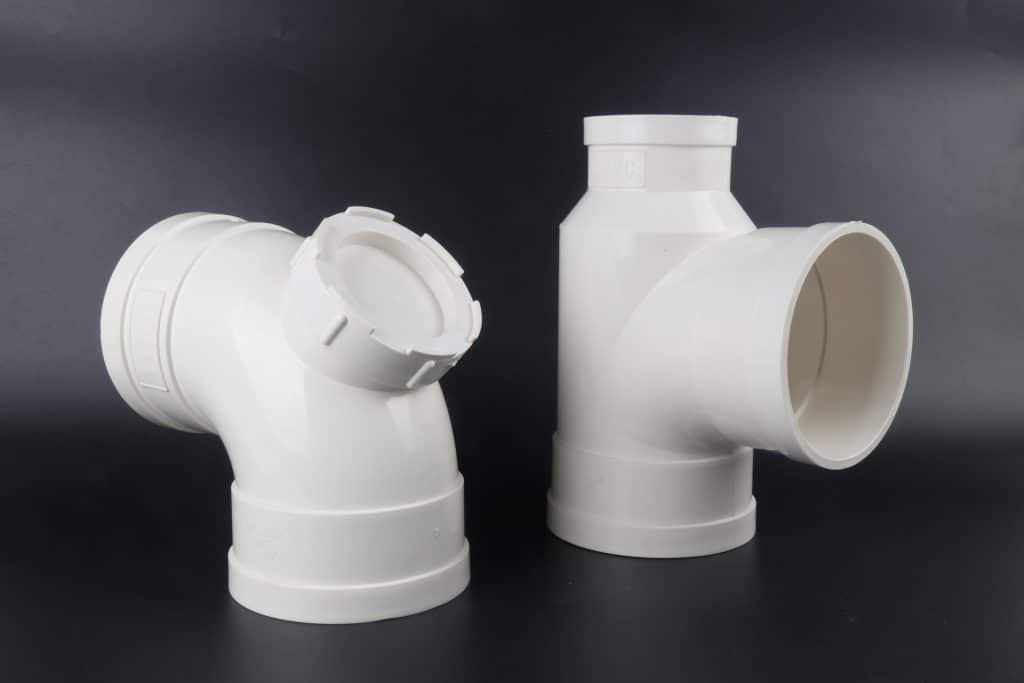
- White PVC: Primarily for potable water under pressure
- Grey PVC: Typically for electrical conduit and drainage applications
- Other Colors: Industry uses additional colors for specific purposes
Material Composition Indicators
Different colors signify varying material formulations:
- White PVC contains different UV stabilizers than grey
- Grey PVC often includes carbon black for ultraviolet protection
- Some colors indicate recycled material content
- Specific colors denote special chemical resistance properties
Industry Standardization Benefits
Color coding creates efficiency throughout the project lifecycle:
- Warehouse personnel can quickly sort and stock materials
- Installers can grab correct pipes without reading small print
- Inspectors can verify compliance visually from a distance
- Maintenance teams can identify systems during repairs
How Does UV Resistance Differ Between White and Grey PVC Piping?
We installed both white and grey PVC on a rooftop application to test real-world UV performance. After six months, the white PVC showed significant brittleness and cracking, while the grey maintained its flexibility and strength, demonstrating the dramatic difference UV protection makes.
Grey PVC typically offers superior UV resistance due to carbon black additives that absorb ultraviolet radiation, while white PVC contains alternative UV inhibitors that provide limited protection. This makes grey PVC better suited for outdoor applications where prolonged sun exposure occurs.
UV Protection Mechanisms
The different colors employ distinct protection strategies:
Carbon Black Advantage
Grey PVC’s superior UV resistance comes from:
- 2-3% carbon black content throughout the material
- Absorption of UV radiation before it damages polymer chains
- Protection that continues even if the surface is scratched
- Consistent performance throughout the pipe wall
White PVC Limitations
White PVC uses alternative UV protection:
- Titanium dioxide pigment provides some UV reflection
- Chemical UV absorbers degrade over time
- Surface-level protection that diminishes if scratched
- Typically designed for indoor or buried applications
Performance Comparison Data
Testing reveals significant performance differences:
| Exposure Condition | White PVC Performance | Grey PVC Performance | Real-World Impact |
|---|---|---|---|
| Direct sunlight (1 year) | Becomes brittle, discolors | Maintains flexibility | White fails outdoors |
| Intermittent outdoor use | 2-3 year lifespan | 10+ year lifespan | Grey costs less long-term |
| Buried applications | Excellent performance | Excellent performance | Equal performance |
| Indoor use | Optimal performance | Optimal performance | Equal performance |
Which Applications Typically Require White PVC Versus Grey PVC Pipes?
A factory manager once asked me to explain why his maintenance team kept installing the wrong PVC type, causing frequent failures. By creating a simple color-coded application guide, we eliminated these errors and reduced material waste by 30%.
White PVC is required for potable water applications where NSF certification matters, while grey PVC is specified for electrical conduit applications where UV resistance and electrical safety are priorities. Understanding these application-specific requirements prevents code violations and system failures.
White PVC Applications
Specific applications demand white PVC:
Potable Water Systems
- Residential and commercial water supply lines
- Irrigation systems for edible crops
- Food processing facility plumbing
- Healthcare facility water distribution
Why White for Water?
- NSF/ANSI 61 certification for drinking water safety
- Smooth interior walls minimize flow resistance
- Easy detection of contamination or buildup
- Standardization for inspection and maintenance
Grey PVC Applications
Grey PVC serves different purposes:
Electrical Conduit Systems
- Commercial and residential electrical raceways
- Underground utility conduit
- Outdoor electrical applications
- Data and communication cable protection
Industrial Applications
- Chemical drainage systems
- Industrial process drainage
- Vent piping for certain applications
- Non-potable water drainage
Selection Guidelines
Choose based on application requirements:
| Application Type | Recommended PVC Color | Primary Reason | Key Standards |
|---|---|---|---|
| Drinking water | White | NSF certification | NSF/ANSI 61 |
| Electrical conduit | Grey | UV resistance | UL 651, NEMA TC-2 |
| Drain waste vent | Either (varies) | Local codes | ASTM D2665 |
| Underground irrigation | White | Drinking water safety | NSF/ANSI 61 |
| Outdoor electrical | Grey | Sunlight resistance | UL 651 |
Are There Performance Differences Between White and Grey PVC Materials?
When a client insisted on using grey PVC for a pressurized water system to save money, we conducted comparative testing that revealed significant performance differences. The data convinced them to use the proper white PVC, preventing what would have been a system-wide failure.
Significant performance differences exist in UV resistance, pressure rating flexibility, chemical compatibility, and temperature tolerance between white and grey PVC. While both share the same PVC resin base, their additive packages create distinct performance profiles suited to different applications.
Material Composition Variations
The same base resin with different additives:
White PVC Formulation
- Titanium dioxide for whiteness and opacity
- Calcium carbonate for rigidity and cost control
- Tin-based stabilizers for processing
- Impact modifiers for pressure applications
Grey PVC Formulation
- Carbon black for UV protection
- Lead-based stabilizers (in some older formulations)
- Different plasticizer packages
- Alternative impact modifiers
Performance Characteristic Comparison
Testing reveals measurable differences:
Physical Properties
- Tensile Strength: White PVC typically higher
- Impact Resistance: Grey PVC often superior
- Flexibility: Similar when new, grey maintains longer outdoors
- Pression nominale: White PVC generally rated for higher pressures
Chemical Resistance
- Weathering: Grey PVC significantly outperforms white
- Chemical Exposure: Varies by specific formulation
- Oxidation Resistance: Grey provides better long-term protection
- Biological Resistance: Equal performance in both types
Certification and Standards Compliance
Different standards govern each type:
White PVC Standards
- NSF/ANSI 61 for potable water
- ASTM D1785 for water pressure piping
- CSA B137.3 for plumbing applications
- UPC and IPC code compliance
Grey PVC Standards
- UL 651 for electrical conduit
- NEMA TC-2 and TC-6 for raceways
- ASTM F512 for conduit applications
- NEC article 352 compliance
Conclusion
White and grey PVC serve distinct purposes with white optimized for pressure-rated potable water applications requiring NSF certification, while grey is formulated for electrical conduit and drainage uses where UV resistance and different performance characteristics are paramount. Selecting the appropriate color ensures compliance, safety, and long-term system reliability.









 English
 Español
 Français
 Português do Brasil