
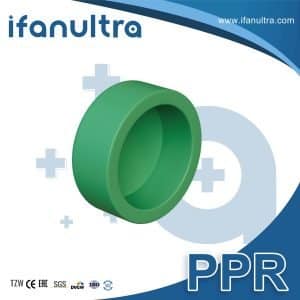
End caps play a crucial role in ensuring the proper sealing and protection of pipes across a wide range of plumbing and industrial applications. In this article, we will explore how to properly install and maintain end caps for long-lasting performance, and highlight the key advantages they offer.
What is an PPR End Cap?
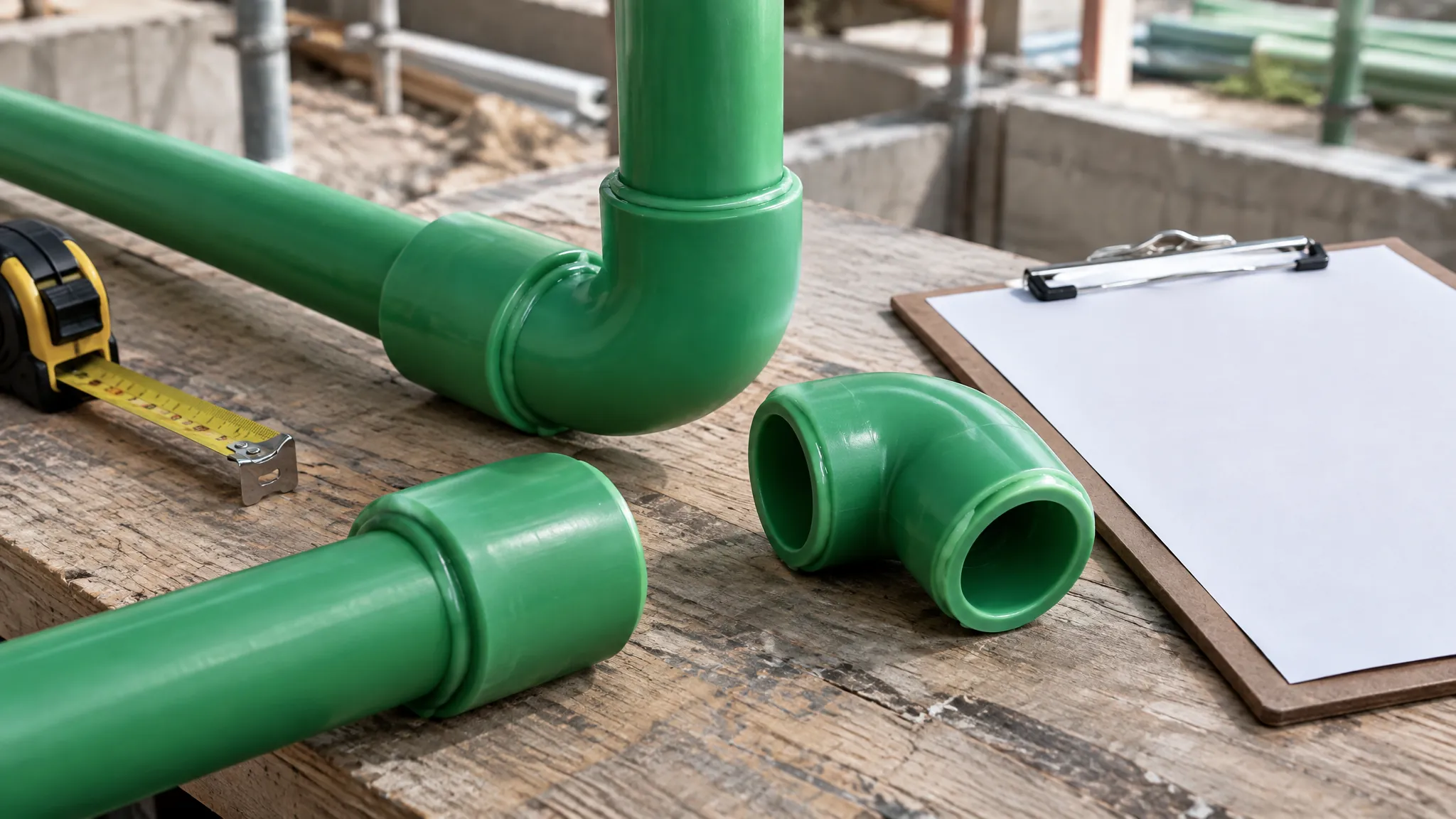
An end cap is a type of fitting used to seal the open ends of pipes or tubes. They come in a variety of materials, including plastic, metal, and rubber, and are available in different sizes to fit a wide range of pipe diameters.
PPR End caps are typically used in plumbing, heating systems, gas lines, and even industrial processes to prevent contaminants from entering pipes, ensure pressure retention, and protect the pipe ends from damage during storage or transit.

Key Features of PPR End Caps
| Recurso | Descrição |
|---|---|
| Material Options | Available in plastic (PVC, PPR), metal (stainless steel, brass), and rubber. |
| Resistência à pressão | Can withstand high pressures, depending on the material and pipe application. |
| Durabilidade | Offers long-lasting protection against corrosion, physical damage, and leaks. |
| Versatilidade | Suitable for use in water, gas, HVAC, and industrial pipelines. |
| Instalação | Simple installation through thread, weld, or push-fit systems. |
| Size Variations | Available in a wide range of sizes to fit different pipe diameters. |
| Custo-benefício | Low-cost solution for preventing contamination and leaks. |
Benefits of Using PPR End Caps
1. Prevention of Contaminants and Debris
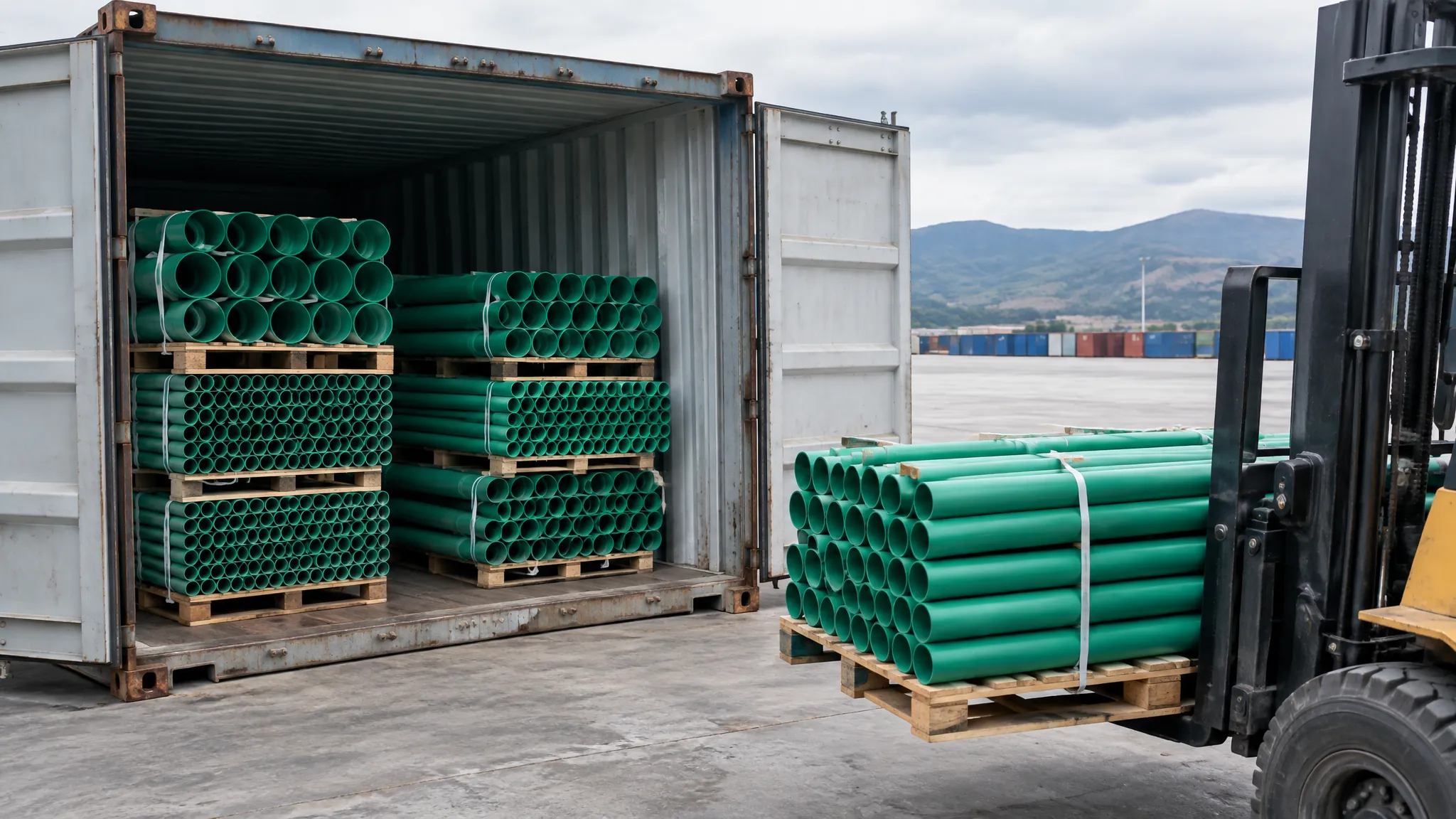
One of the primary reasons to use end caps is to keep contaminants, debris, and dirt from entering the pipes during storage or transportation. When pipes are left open, they become vulnerable to foreign particles, which can block or damage the system when installed. End caps create a secure, sealed barrier that prevents these issues.
2. Pressure Retention and Leak Prevention
End caps help maintain the integrity of a closed system by preventing any leakage of liquids or gases. They are essential in maintaining system pressure, especially in high-pressure pipelines. When installed correctly, end caps ensure that there are no weak points at the ends of the pipe, effectively preventing pressure loss or leaks.
3. Durability and Long-Term Performance
Made from robust materials, end caps can endure harsh environmental conditions. Whether you’re using PVC in a residential plumbing system or stainless steel in an industrial pipeline, end caps provide long-lasting protection and durability, contributing to the overall lifespan of the pipe.

How to Properly Install PPR End Caps
Proper installation of end caps is essential for ensuring their effectiveness and achieving long-term performance. Below are key steps for correctly installing end caps:
Step 1: Select the Right PPR End Cap
Ensure that the end cap matches the material, size, and pressure rating of the pipe you’re working with. For example, a PPR end cap is ideal for use with polypropylene pipes, while metal end caps should be used for steel or copper pipes. The correct size is equally important to ensure a snug fit.
Step 2: Prepare the PPR Pipe End
Before installation, check the pipe end for any debris, dirt, or moisture. Clean the end thoroughly to ensure that the end cap fits tightly and forms a secure seal. If necessary, use a pipe cleaning tool to remove any build-up inside the pipe.
Step 3: Install the Tampa da extremidade PPR
There are several ways to install end caps, depending on the type:
- Threaded end caps: Screw the cap onto the pipe end, ensuring it is tight and secure.
- Push-fit end caps: Simply push the cap onto the pipe until it clicks into place. This is common for plastic piping systems.
- Welded end caps: For metal or high-pressure applications, welding the cap onto the pipe ensures a permanent and leak-proof seal.
Step 4: Check for Leaks
After installation, pressurise the system (if applicable) and check for any signs of leakage around the end cap. If there is a leak, remove the cap, re-clean the pipe, and reinstall the cap ensuring it fits correctly.

Maintenance of PPR End Caps
To ensure the long-term performance of end caps, regular maintenance is required. Here are some tips:
1. Inspect Regularly
Inspect ppr end caps periodically for signs of wear, cracking, or corrosion, particularly in harsh environments. Replace damaged end caps promptly to avoid system failure.
2. Keep Caps Clean
Ensure that the PPR end caps remain free from dirt and contaminants, especially if they are temporarily used for storage. Clean the caps regularly to prevent build-up that could compromise the seal.
3. Monitor System Pressure
For systems under pressure, regularly monitor the pressure levels to ensure there are no leaks around the PPR end caps. If pressure loss is detected, inspect the caps immediately for any signs of failure.
4. Armazenar adequadamente
If you are storing unused pipes or caps, ensure they are kept in a dry, clean, and secure environment to prevent damage during storage.
Conclusão
PPR End caps are an essential yet often overlooked component in plumbing, heating, and industrial systems. When selected and installed properly, they provide robust protection against leaks, contamination, and physical damage. By following correct installation procedures and maintaining your end caps, you can ensure long-lasting performance and reduce the risk of costly repairs or system failure.


 English
 Español
 Français
 Português do Brasil