
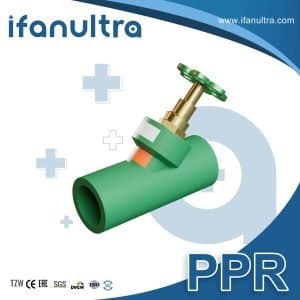
Polypropylene Random Copolymer (PPR) pipes are widely used in plumbing and industrial applications across Europe, Asia, and the Middle East. However, their adoption in the United States has been relatively limited compared to materials like PVC, CPVC, copper, and PEX. This article explores whether PPR pipes are used in the USA, their advantages, and the reasons behind their market presence or absence.
What is PPR Pipe?
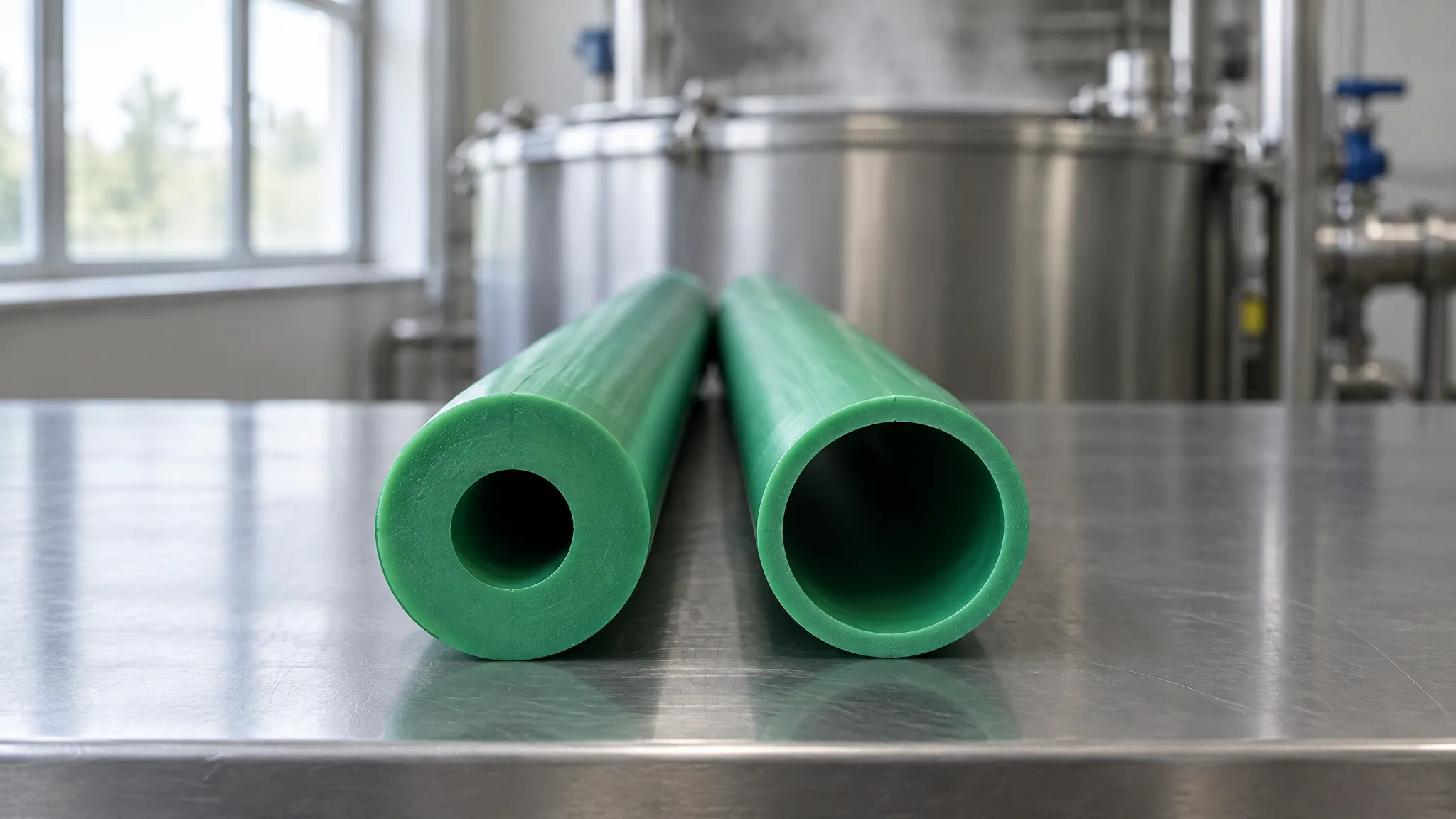
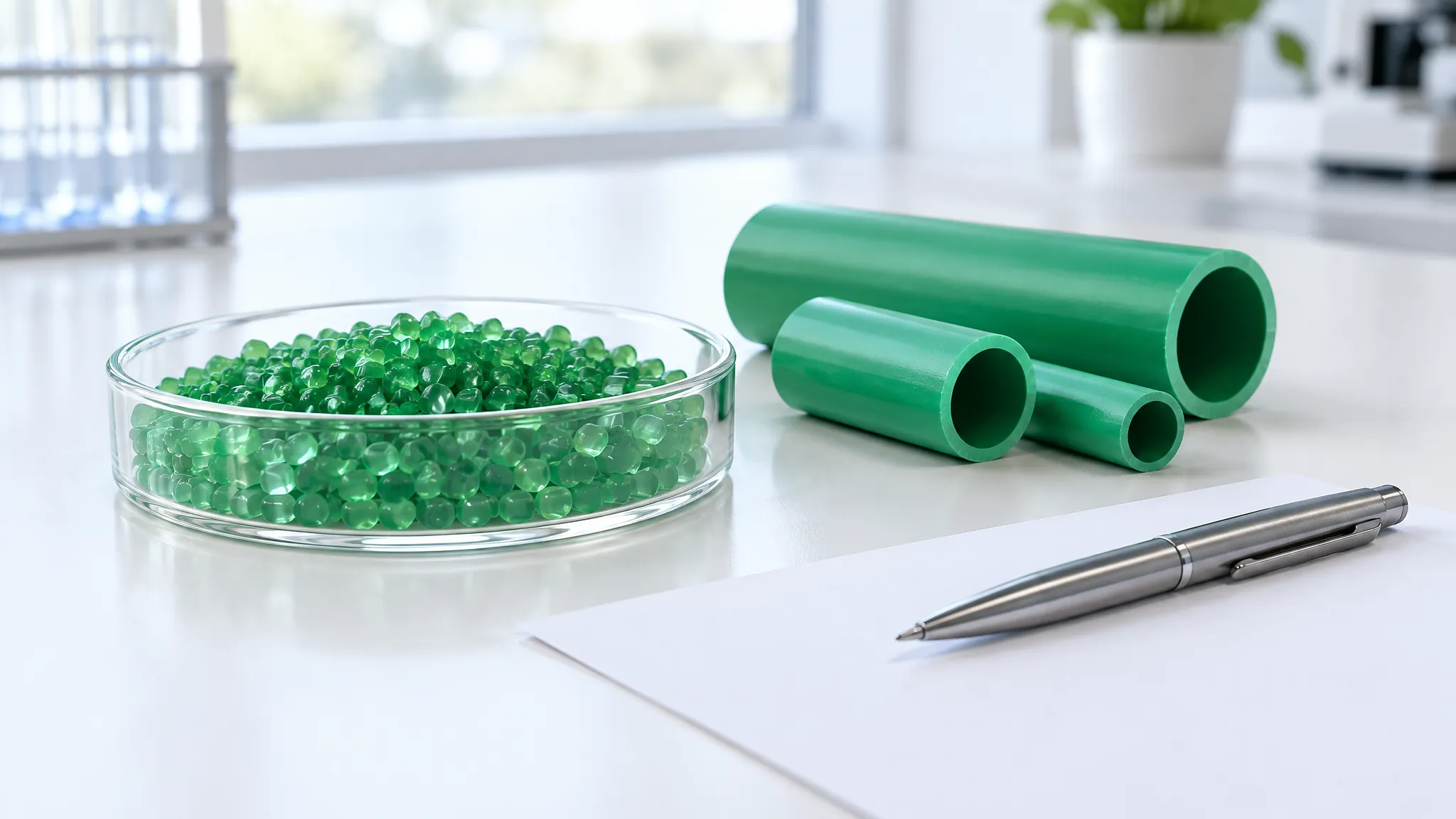
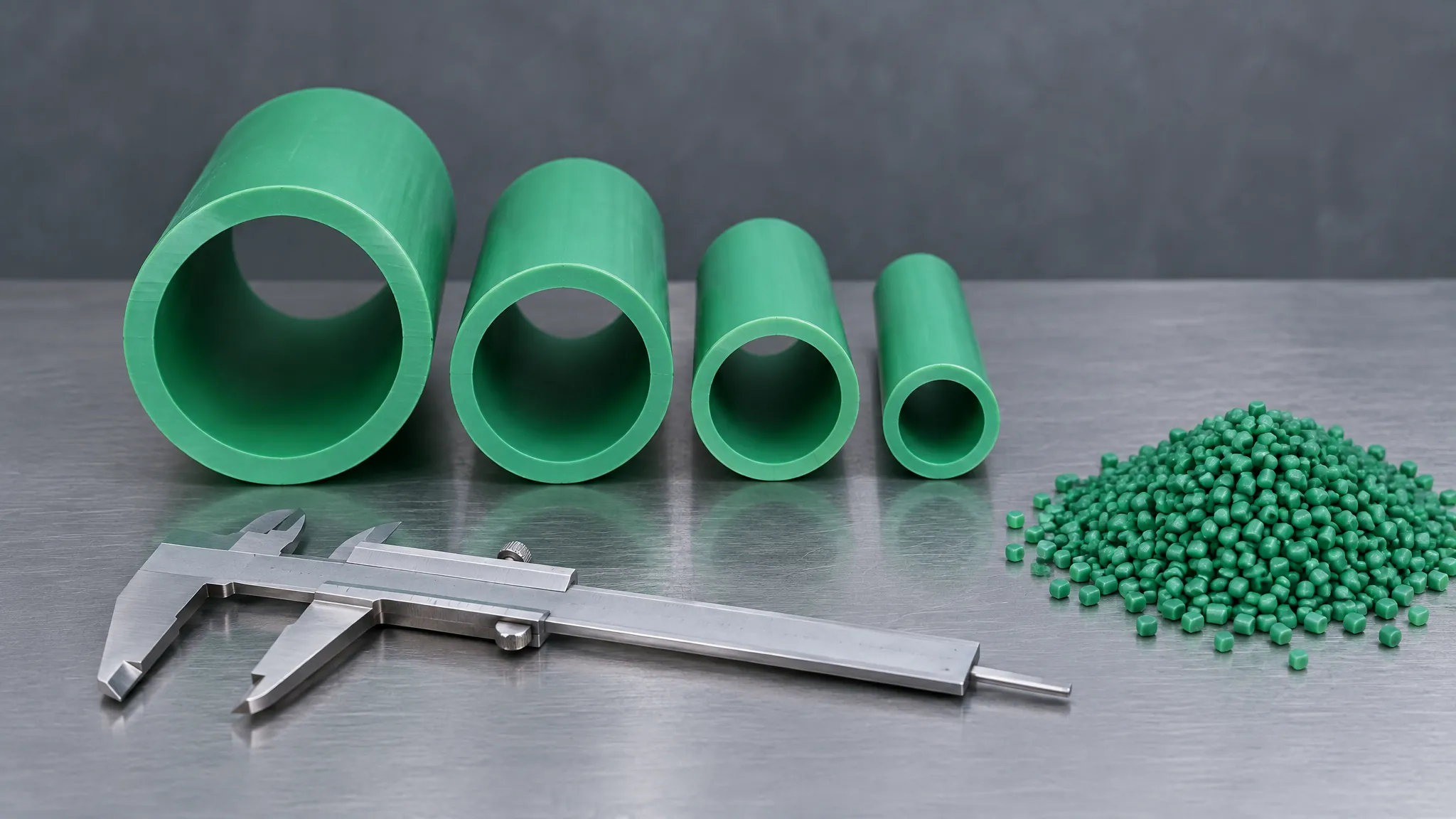
PPR pipes are made from polypropylene random copolymer, a type of plastic known for its high-temperature resistance, chemical durability, and long service life. These pipes are primarily used in hot and cold water supply systems, heating systems, and industrial applications.
Is PPR Pipe Commonly Used in the USA?
While PPR pipes are popular in Europe and many parts of Asia, they have not gained widespread adoption in the USA. The American plumbing industry has traditionally relied on copper, PEX, PVC, and CPVC for water supply and heating systems.

Reasons for Limited PPR Usage in the USA
- Building Code Regulations
- The USA follows strict plumbing codes, such as the Uniform Plumbing Code (UPC) and the International Plumbing Code (IPC), which tend to favour materials like PEX, CPVC, and copper.
- Some jurisdictions may not explicitly include PPR in their approved materials list.
- Established Market Preferences
- The plumbing industry in the USA has a long history of using copper for durability and PEX for flexibility.
- Contractors and plumbers are more familiar with these materials, making them the preferred choice.
- Availability and Supply Chain
- PPR pipes are not as widely stocked by American distributors and home improvement stores.
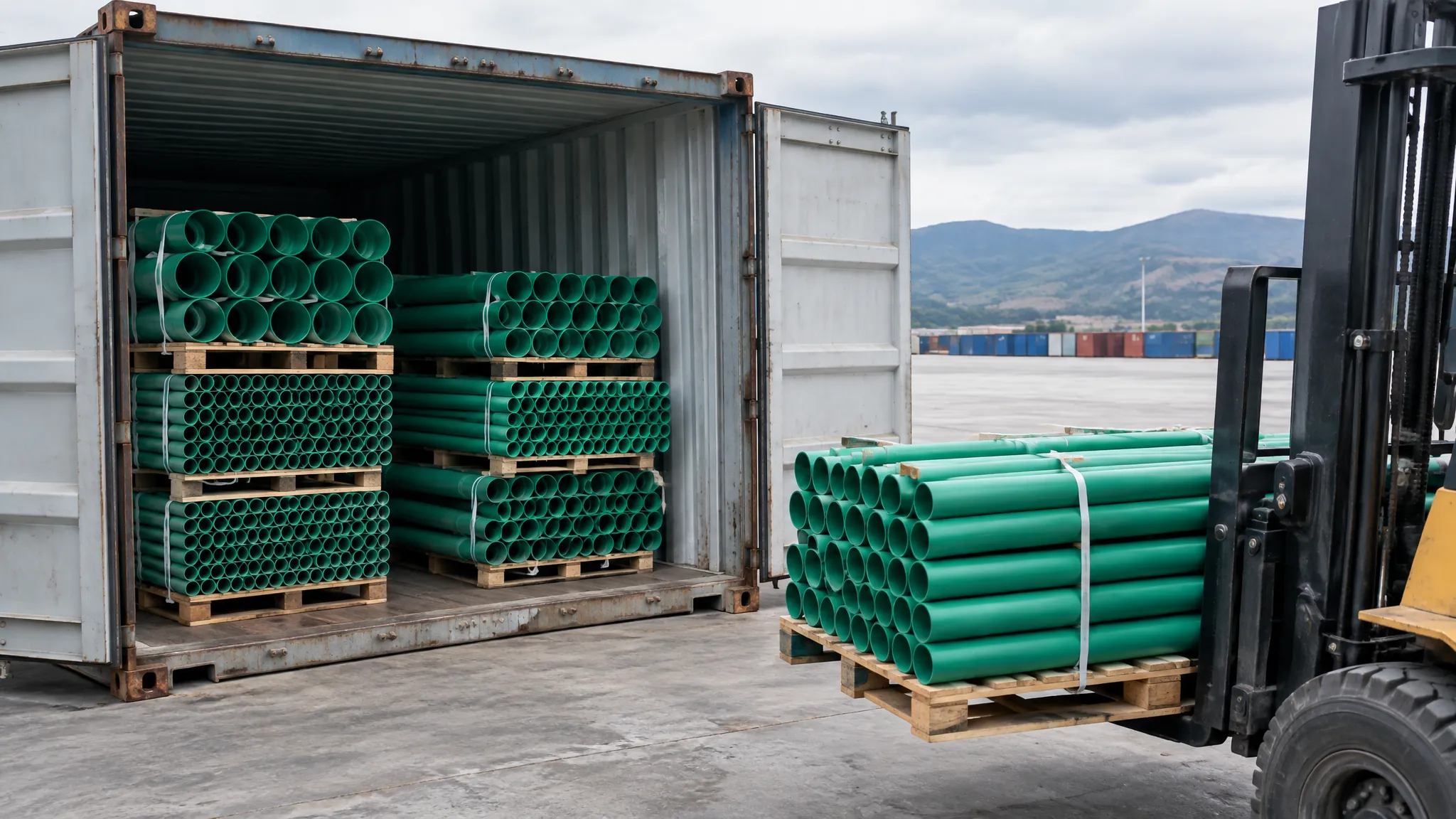
- Most PPR manufacturers are based in Europe and Asia, limiting their availability in the North American market.
- Cost Considerations
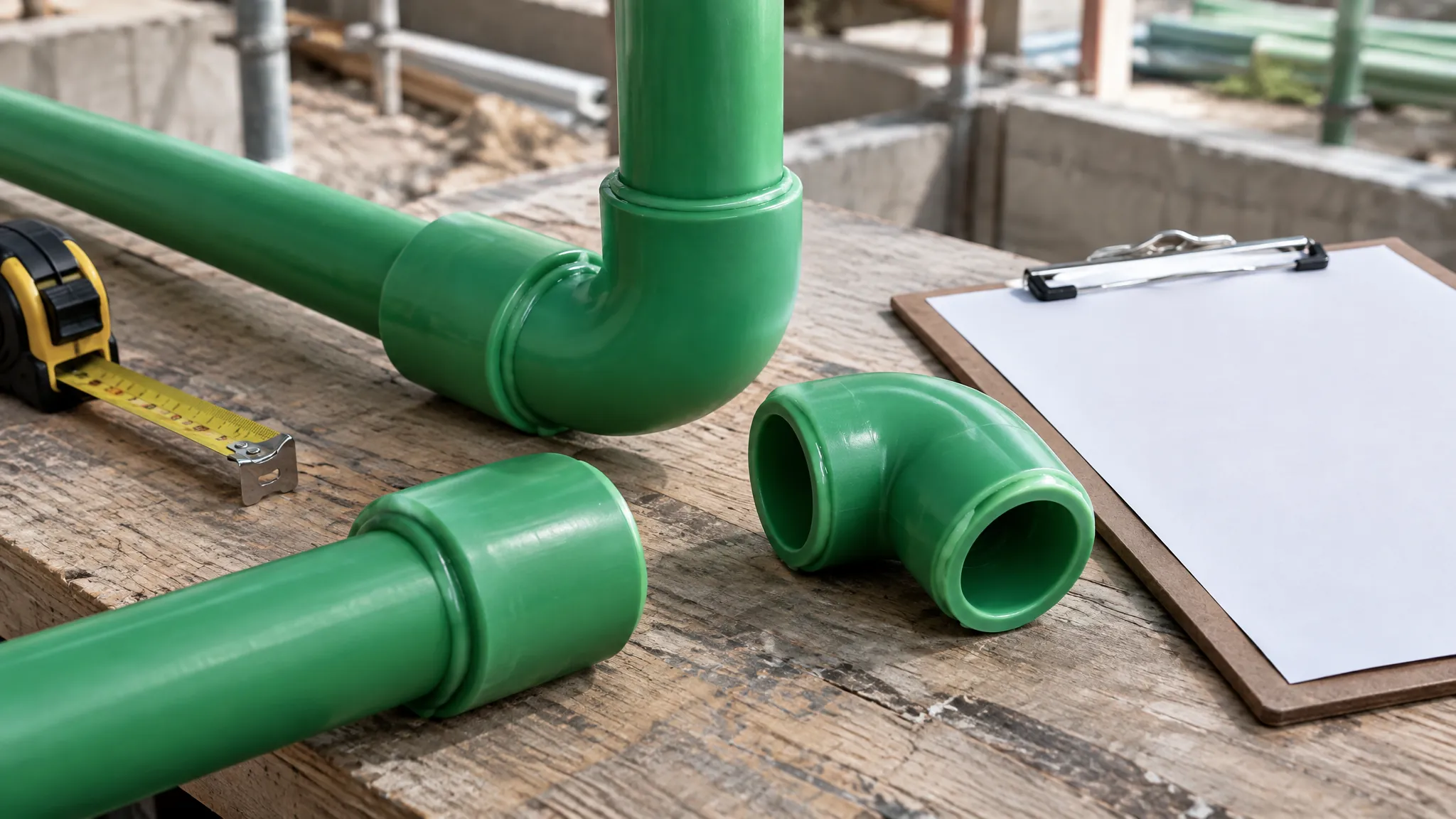
- While PPR pipes offer long-term savings due to their durability and resistance to corrosion, their initial adoption may require special welding tools and training.
- PEX, CPVC, and copper remain more competitive in terms of initial installation costs.

Benefits of Tubos de PPR
Although not widely used in the USA, PPR pipes offer several advantages over traditional piping materials:
| Recurso | PPR Pipe Advantage |
|---|---|
| Resistência à temperatura | Withstands high temperatures, ideal for hot water systems. |
| Resistência à corrosão | Does not rust or corrode like metal pipes. |
| Chemical Resistance | Resistant to acids, alkalis, and other chemicals. |
| Long Lifespan | Lasts over 50 anos with proper installation. |
| Smooth Interior | Reduces friction, preventing scale build-up. |
| Eco-Friendly | Fully recyclable and non-toxic. |
Potential Future Adoption in the USA
Despite its current limited use, PPR piping has the potential to grow in the American market due to its durability, safety, and efficiency. Several factors could influence its increased adoption:
- Changes in Plumbing Codes
- If major regulatory bodies update their codes to include PPR pipes, their acceptance in the USA could expand.
- Green Building and Sustainability Trends
- As the construction industry shifts towards eco-friendly materials, PPR’s recyclability and energy efficiency may make it more attractive.
- Increased Availability and Training
- If more suppliers and contractors start offering PPR pipes and welding tools, it could become a viable alternative to PEX and CPVC.
- Growing Popularity in Commercial and Industrial Use
- Some industrial applications in the USA, such as chemical processing and HVAC systems, are already using PPR pipes. Expansion into residential plumbing could follow.

Conclusão
While PPR pipes are not yet widely used in the USA, they offer several benefits that could make them a strong alternative to existing materials like PEX and copper in the future. Regulatory approvals, market education, and supply chain expansion could increase their adoption over time.
For now, American builders and homeowners primarily rely on PEX, CPVC, copper, and PVC due to their familiarity, cost-effectiveness, and regulatory acceptance. However, as sustainability and durability become more important in construction, PPR pipes may see a rise in demand in the coming years.



 English
 Español
 Français
 Português do Brasil