

Introdução
As the world becomes more and more concerned about sustainability, industries are constantly seeking more environmentally friendly materials. In the field of pipes, this trend is no exception, and ifanultra PPR pipes and fittings stand out as a sustainable choice. Made from high-quality, environmentally friendly materials, these pipes can last for decades without harming the earth. In this article, we will explore why ifanultra PPR pipes are a sustainable choice for modern plumbing systems and how they can contribute to a greener future.
What makes ifanultra PPR pipes eco-friendly?
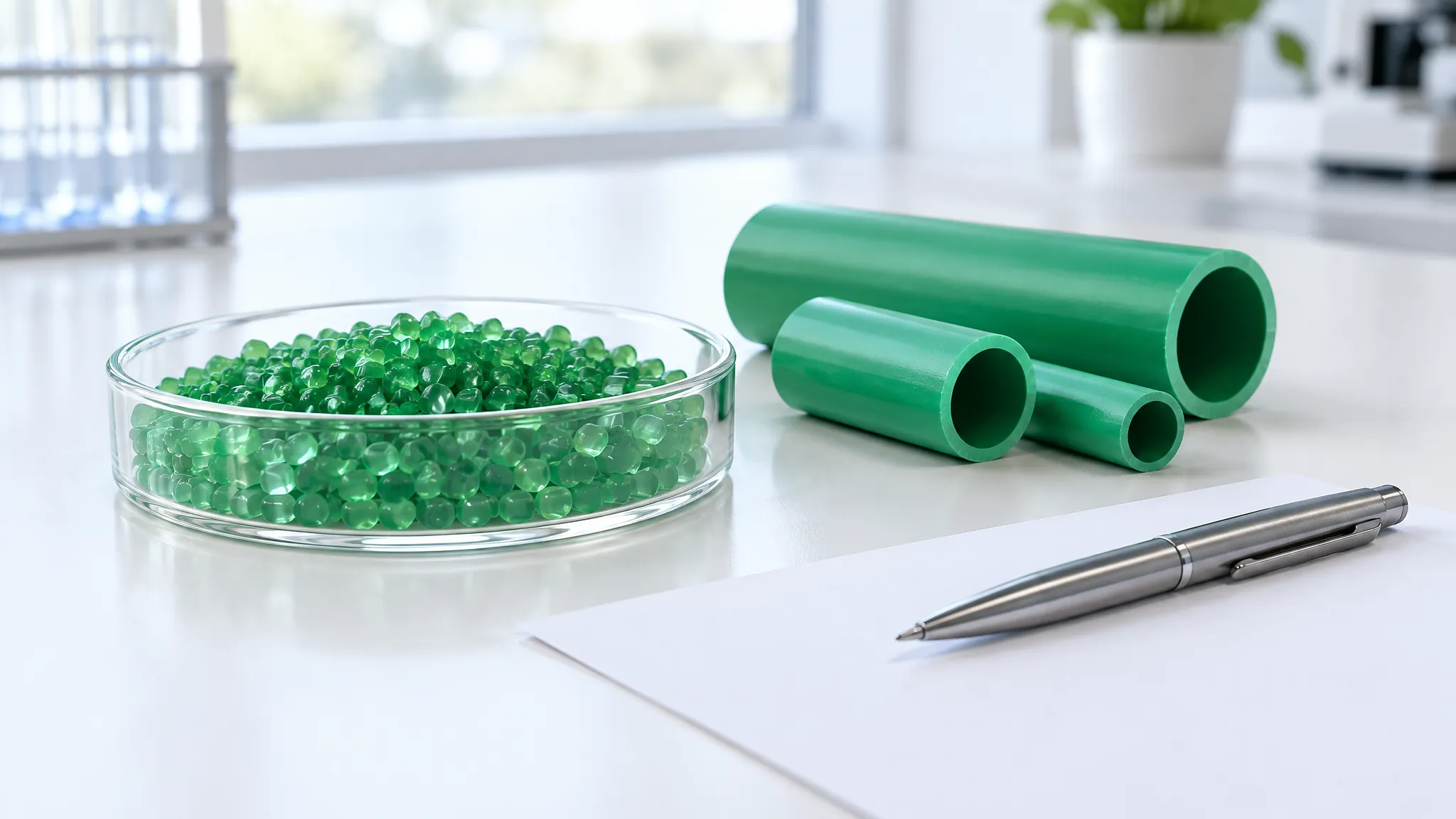
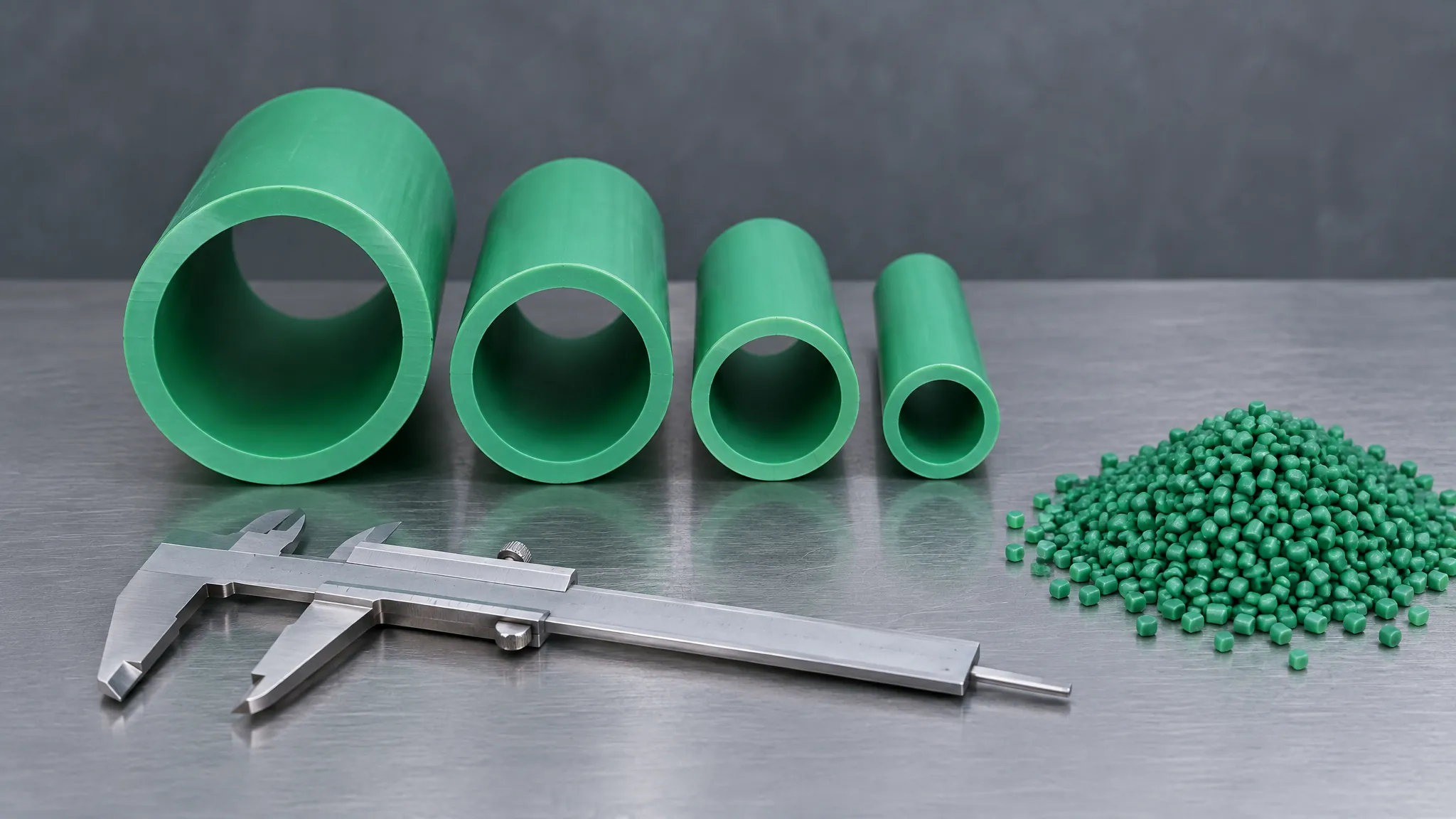
ifanultra PPR pipes are made from polypropylene random copolymer (PPR), a material that is not only durable but also environmentally responsible. Unlike other materials such as PVC or metal pipes, PPR pipes do not leach harmful chemicals into the environment during production or use. Their environmentally friendly nature stems from several key characteristics, which we will introduce one by one in the following sections.

1. Low Carbon Footprint
ifanultra PPR pipe production has a relatively low carbon footprint compared to other materials used in plumbing systems. The manufacturing process for PPR pipes requires less energy and produces fewer emissions than the production of metal or PVC pipes. By choosing PPR pipes, homeowners and businesses can help reduce overall greenhouse gas emissions and contribute to a more sustainable future.
2. No Harmful Chemical Leaching
Unlike PVC pipes, which can release harmful chemicals like dioxins into the environment, ifanultra’s PPR pipes are non-toxic. They do not leach harmful substances into the soil or water supply during use. This makes them a safe choice for domestic and industrial plumbing systems, especially those used to carry drinking water. With growing concerns about water contamination, choosing non-toxic materials like PPR pipes ensures the safety of the water you drink.

3. Long-Lasting and Durable
Another aspect of ifanultra PPR pipes being environmentally friendly is their long service life. These pipes are designed to withstand high temperatures and pressures, making them a reliable choice for residential and industrial systems. Their durability means they are less likely to need replacement, reducing the overall demand for raw materials. More durable products can be manufactured less frequently, which reduces the resources consumed over time.
4. Energy Efficiency
ifanultra Tubos de PPR are also known for their excellent thermal insulation properties. These pipes minimize heat loss in hot water systems, which helps save energy. Lowering energy consumption not only reduces your energy bills, but also reduces the overall carbon footprint of your pipe system. This energy efficiency makes a significant contribution to the sustainability of residential and commercial buildings.

5. Reduced Risk of Water Contamination
The smooth surface of ifanultra PPR pipes reduces the likelihood of bacterial growth and scale accumulation within the pipes. This is particularly important in systems that transport drinking water. Reduced risk of contamination means cleaner residential and industrial water, contributing to healthier ecosystems and better water quality in the long run.
How ifanultra Tubos de PPR Contribute to a Greener Future
Choosing ifanultra PPR pipes is part of a wider movement towards sustainable construction and home improvement. Whether you are building a new home, renovating an old one, or working on a commercial project, choosing eco-friendly materials can help create a more sustainable future for everyone.
As the demand for sustainable products continues to increase, ifanultra is leading the way in providing eco-friendly piping solutions. Their commitment to reducing the environmental impact of piping materials is reflected in innovative designs and the use of recyclable, non-toxic, and durable materials.
Comparison and Advantages of PPR e PVC Pipes
| Recurso | PPR Pipe | PVC Pipe |
|---|---|---|
| Material | Polypropylene Random Copolymer | Polyvinyl Chloride |
| Resistência à temperatura | High-temperature resistance, long-term use up to 70°C, short-term up to 95°C | Poor temperature resistance, long-term use below 60°C |
| Resistência à pressão | Strong pressure resistance, suitable for high-pressure water systems | Moderate pressure resistance, suitable for low-pressure systems |
| Environmental Friendliness | Non-toxic, odorless, recyclable, eco-friendly | May produce harmful substances during production, less eco-friendly |
| Installation Method | Heat fusion connection, excellent sealing, leak-resistant | Glue bonding or threaded connection, simpler installation |
| Tempo de vida | Long lifespan, typically over 50 years | Shorter lifespan, typically 20-30 years |
| Cost | Higher cost | Low cost, economical |
| Peso | Leve | Lighter, easier to transport and handle |
| Resistência à corrosão | Good corrosion resistance | Excellent corrosion resistance, suitable for chemical pipelines |
| Aplicativos | Household water supply (hot/cold water), HVAC systems, industrial fluid transport | Building drainage, electrical cable protection, agricultural irrigation |
| Vantagens | High-temperature and pressure resistance, eco-friendly, leak-proof heat fusion, long lifespan | Low cost, easy installation, excellent corrosion resistance, lightweight |
Why choose ifanultra PPR pipes for your eco-friendly piping needs?
If sustainability is important to you, ifanultra PPR pipes are an excellent choice. Not only do they provide the reliability and durability required of modern piping systems, but they also support eco-friendly construction


 English
 Español
 Français
 Português do Brasil