
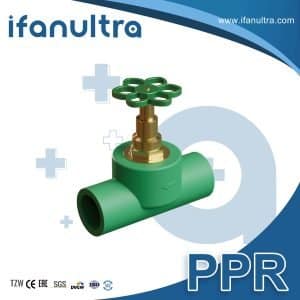
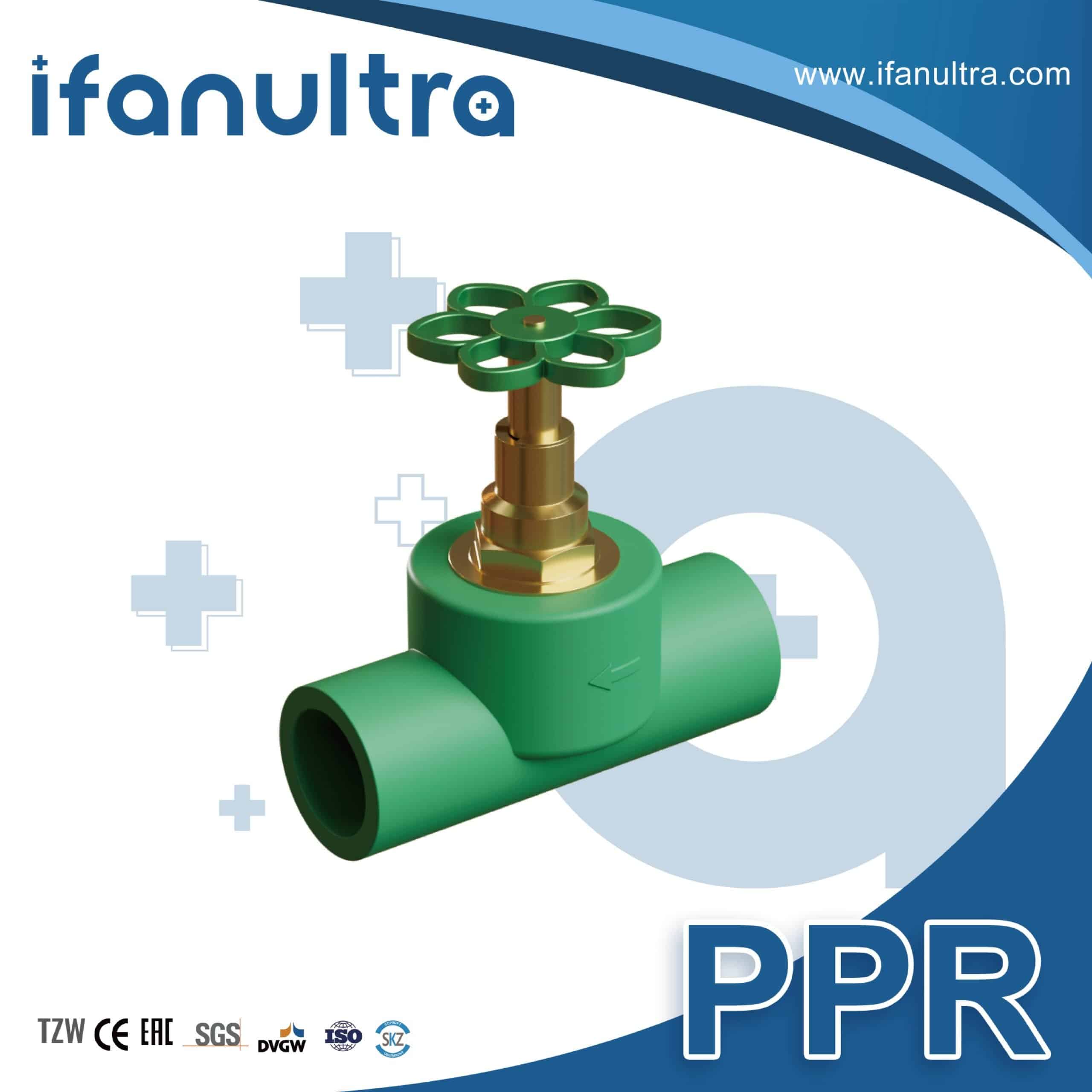
PPR screw-down stop globe valves control water flow in residential and commercial plumbing systems. Ordering the right valve ensures optimal performance and longevity. This guide covers everything you need to know before placing your order.
Understanding PPR Screw-down Stop Globe Valves
PPR (Polypropylene Random Copolymer) globe valves feature a screw-down mechanism for precise flow control. The globe design provides excellent throttling capabilities. These valves work perfectly with PPR piping systems.
The screw-down operation allows gradual opening and closing. This prevents water hammer and extends valve life. Globe valves also offer superior sealing compared to other valve types.
Key Specifications to Consider
Size and Diameter
Standard sizes range from 20mm to 110mm. Choose the diameter that matches your existing PPR pipes. Incorrect sizing leads to flow restrictions or installation problems.
Classificação de pressão
Most PPR globe valves handle 10-16 bar pressure. Commercial applications may require higher ratings. Always verify your system’s operating pressure before ordering.
Faixa de temperatura
Quality PPR valves operate from -10°C to 95°C. Hot water applications need valves rated for sustained high temperatures. Check the manufacturer’s temperature specifications.
Material Quality Factors
Grau PPR
Look for Type 3 PPR material (PPR-C). This grade offers the best chemical resistance and durability. Avoid cheaper alternatives that may fail prematurely.
Brass Components
Quality valves use brass stems and seats. Brass resists corrosion and provides smooth operation. Stainless steel options are available for aggressive water conditions.
Sealing Materials
EPDM rubber seals work best for water applications. These seals maintain flexibility across temperature ranges. Poor seals cause leaks and valve failure.
Ordering Process Steps
Step 1: Measure Your Requirements
Measure the existing pipe diameter accurately. Note the installation space available. Consider future maintenance access needs.
Step 2: Specify Operating Conditions
Document your system pressure and temperature. Include water quality information if available. This helps manufacturers recommend suitable materials.
Step 3: Choose Connection Type
PPR globe valves typically use socket welding connections. Some models offer threaded connections for specific applications. Match your piping system requirements.
Step 4: Select Quantity
Order extra valves for maintenance stock. Bulk orders often receive better pricing. Consider standardizing on fewer valve sizes to reduce inventory.
Custom Manufacturing Options
Non-Standard Sizes
Manufacturers can produce valves in custom diameters. Special applications may require unique dimensions. Custom orders typically have longer lead times.
Pressure Ratings
Higher pressure ratings are available for industrial use. Specialized sealing systems handle extreme conditions. Discuss your requirements with the manufacturer.
Material Modifications
Alternative materials suit specific chemical environments. Reinforced PPR handles higher stresses. Discuss options with technical support teams.
Quality Standards and Certifications
ISO Compliance
Look for ISO 9001 certified manufacturers. This ensures consistent quality control processes. Documentation proves compliance with international standards.
Testing Requirements
Pressure testing validates valve performance. Hydrostatic tests confirm structural integrity. Request test certificates with your order.
Industry Approvals
Some applications require specific approvals. Building codes may mandate certain certifications. Verify requirements before ordering.
Delivery and Lead Times
Standard Products
Common sizes ship within 7-14 days. Keep popular sizes in inventory for quick replacement. Emergency orders may incur rush charges.
Custom Orders
Custom valves require 3-6 weeks production time. Complex modifications take longer. Plan custom orders well in advance.
International Shipping
Export orders need additional documentation. Consider shipping costs in your budget. Group orders reduce per-unit shipping expenses.
Installation Preparation
Tools Required
PPR welding equipment is essential for installation. Proper cutting tools ensure clean pipe ends. Temperature-controlled welding prevents joint failures.
Site Preparation
Clear access space around valve locations. Ensure adequate support for valve weight. Plan for future maintenance requirements.
Safety Considerations
Shut off water supply before installation. Test all joints before system pressurization. Follow local plumbing codes and regulations.
Common Ordering Mistakes
Incorrect Sizing
Measuring errors cause installation delays. Double-check all dimensions before ordering. Consider thermal expansion in your calculations.
Inadequate Pressure Rating
Undersized pressure ratings cause valve failure. System pressure spikes exceed valve limits. Always specify maximum operating pressure.
Wrong Connection Type
Mismatched connections require additional fittings. This increases costs and potential leak points. Verify connection requirements carefully.
Maintenance and Replacement Planning
Vida útil
Quality PPR globe valves last 20-25 years. Poor installation reduces service life significantly. Regular maintenance extends valve performance.
Spare Parts Availability
Order spare parts with initial valve purchase. Critical seals may have long lead times. Maintain adequate spare inventory for quick repairs.
Upgrade Opportunities
New valve technologies improve performance. Consider upgrades during planned maintenance. Modern valves offer better efficiency and control.
Cost Optimization Strategies
Volume Discounts
Larger orders receive better pricing. Group purchases across multiple projects. Annual contracts provide predictable costs.
Local vs. Import
Compare local and imported valve options. Factor shipping and duty costs. Consider delivery times in your decision.
Total Cost of Ownership
Quality valves cost more initially but last longer. Poor valves require frequent replacement. Calculate lifecycle costs for accurate comparison.
Conclusão
Ordering PPR screw-down stop globe valves requires careful specification. Consider size, pressure rating, and material quality. Work with experienced manufacturers for custom requirements. Proper ordering ensures reliable valve performance and system longevity.
Contact qualified suppliers for technical support. Request samples for critical applications. Document all specifications for future reference.









 English
 Español
 Français
 Português do Brasil