
I once watched a client install Schedule 40 pipe in a high-pressure industrial line. Within months, they had a catastrophic failure. That expensive mistake taught me the critical importance of choosing the right pipe schedule.
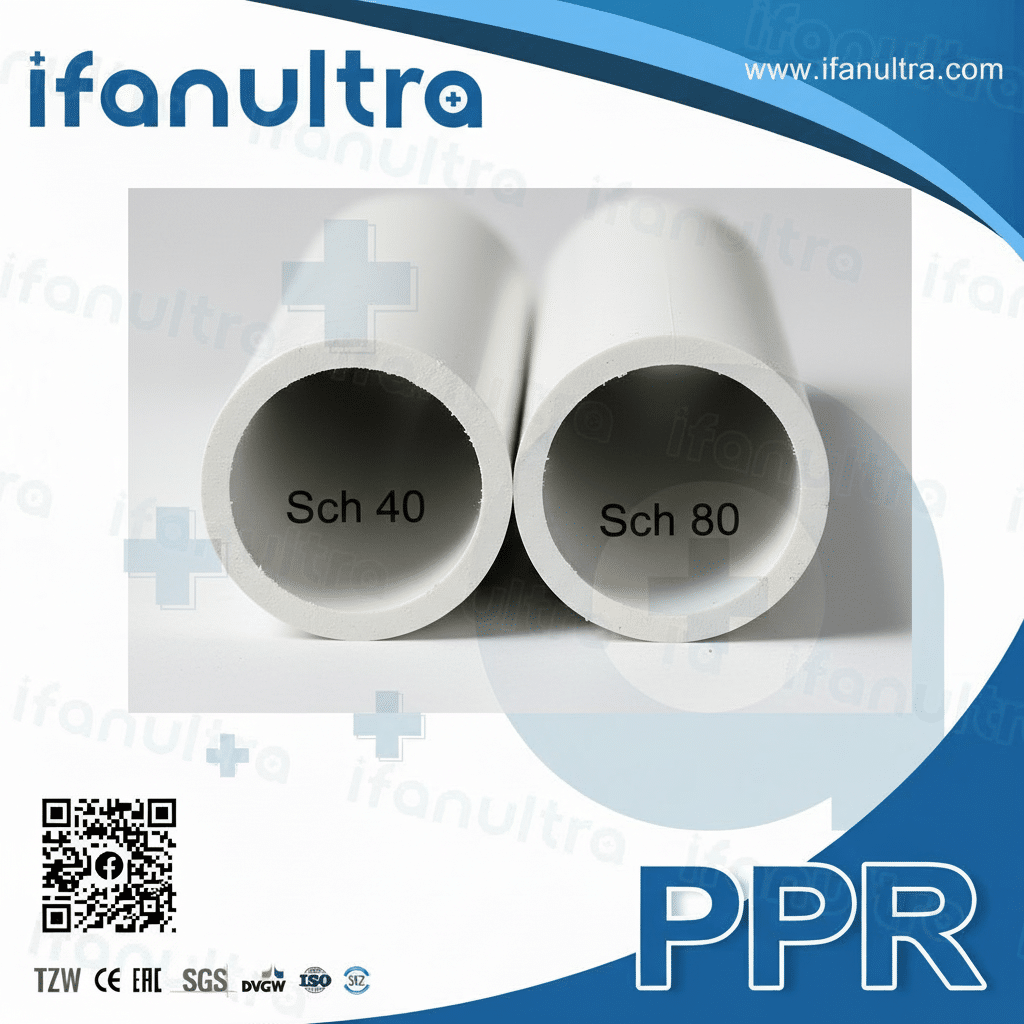
Schedule 40 and Schedule 80 refer to the wall thickness of PVC pipes. Schedule 80 pipes have thicker walls than Schedule 40 pipes of the same size. This makes Schedule 80 stronger, with a higher pressure rating, but also more expensive and with a slightly smaller inner diameter. You should use Schedule 80 for high-pressure applications, exposed installations prone to impact, and systems carrying hot liquids. Schedule 40 works well for most residential drainage and low-pressure water applications.
Let’s dive deeper into the differences so you can make the right choice for your next project.
How Does Wall Thickness Differ Between Schedule 40 and Schedule 80 Pipes?
Many buyers assume all PVC pipes are the same. I’ve had to correct this misconception countless times with clients ordering for critical projects.
The wall thickness of Schedule 80 pipe is significantly greater than Schedule 40 for every nominal pipe size. For example, a 2-inch Schedule 40 pipe has a wall thickness of approximately 0.154 inches, while a 2-inch Schedule 80 pipe has a wall thickness of about 0.218 inches. This difference in material directly affects the pipe’s strength and pressure capacity.
Understanding the Schedule System
The “schedule” number originally came from a system developed for steel pipes, but the plumbing industry now applies it to PVC as well. Simply put, a higher schedule number means a thicker pipe wall.
This thickness is not just a random measurement. Engineers designed these standards to give builders and plumbers a reliable way to specify pipes based on their needs. When you ask for Schedule 80, every manufacturer produces a pipe with the same wall thickness for a given size. This standardization ensures consistency across different brands and projects.
Wall Thickness Comparison by Size
The difference becomes more dramatic as pipe size increases. Here is a comparison of common sizes:
| Nominal Pipe Size | Schedule 40 Wall Thickness | Schedule 80 Wall Thickness | Difference |
|---|---|---|---|
| 1/2 inch | 0.109 inches | 0.147 inches | +35% |
| 1 inch | 0.133 inches | 0.179 inches | +35% |
| 2 inch | 0.154 inches | 0.218 inches | +42% |
| 4 inch | 0.237 inches | 0.337 inches | +42% |
| 6 inch | 0.280 inches | 0.432 inches | +54% |
As you can see, the wall thickness difference grows with pipe size. For large diameter pipes, Schedule 80 provides substantially more material.
How This Affects Weight and Handling
Thicker walls mean heavier pipes. A 20-foot length of 4-inch Schedule 40 pipe weighs about 50 pounds. The same length in Schedule 80 weighs approximately 70 pounds. This extra weight matters for installation. Workers need more support when lifting and positioning Schedule 80 pipes. The hanging hardware must also be stronger to support the additional weight over time.
What Is the Pressure Rating Advantage of Schedule 80 Over Schedule 40?
Pressure ratings confuse many buyers. I regularly explain that wall thickness directly determines how much internal pressure a pipe can safely handle.
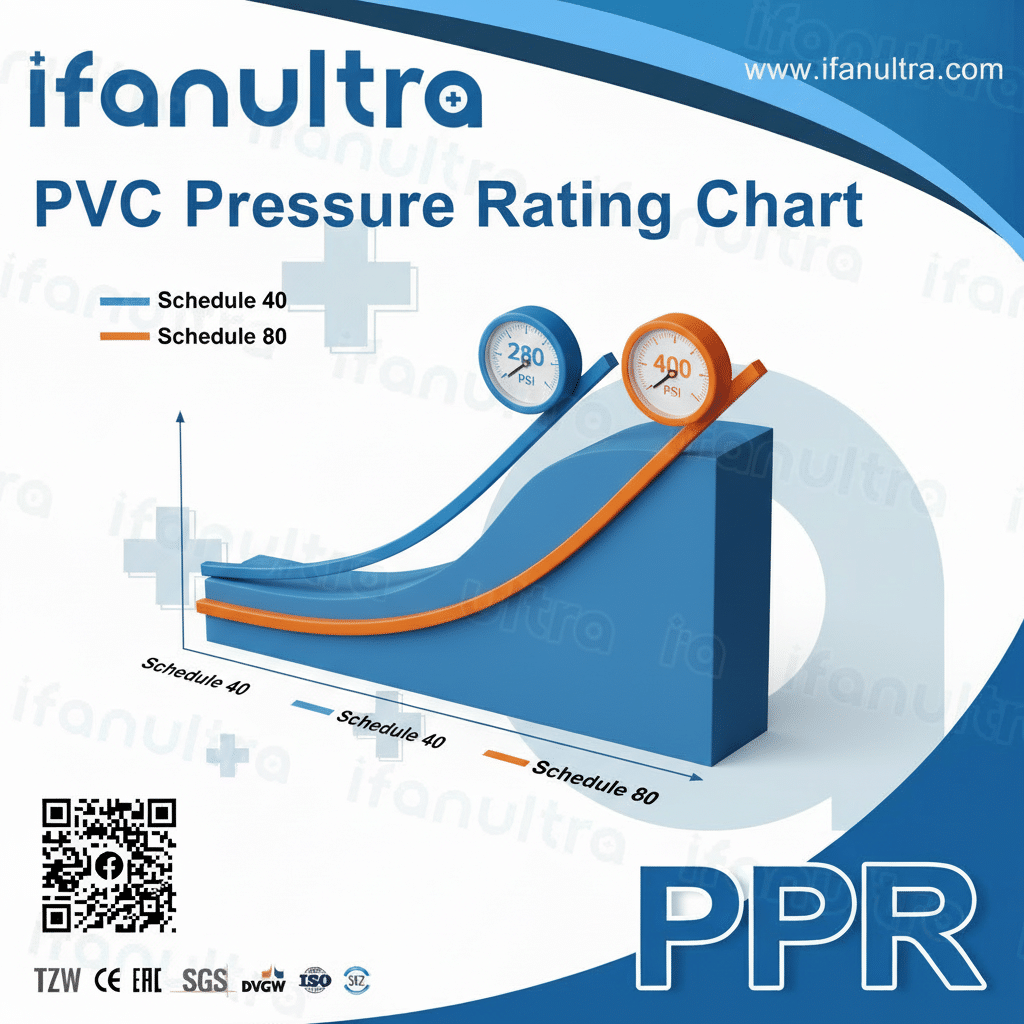
Schedule 80 pipes have significantly higher pressure ratings than Schedule 40 pipes of the same size. For a 2-inch pipe at room temperature, Schedule 40 typically handles up to 280 PSI, while Schedule 80 handles up to 400 PSI. This advantage comes directly from the thicker walls, which can withstand greater internal force without bursting.
The Science Behind Pressure Ratings
Pressure rating follows a basic engineering principle. The thicker the wall, the more force required to push it apart. When water or other fluids move through a pipe, they exert pressure outward in all directions. The pipe walls must resist this force.
Engineers calculate pressure ratings using a formula that considers:
- Wall thickness
- Pipe diameter
- Material strength
- Temperature
Because Schedule 80 has thicker walls, it scores higher in this calculation for every pipe size.
Temperature Effects on Pressure Capacity
Here is a critical point many installers miss. Pressure ratings assume room temperature water (around 73°F). As temperature increases, PVC becomes softer and loses strength. This means the pressure rating drops for both schedules, but Schedule 80 maintains a larger safety margin.
The table below shows how temperature affects maximum working pressure:
| Temperature | Schedule 40 Pressure Rating (2-inch) | Schedule 80 Pressure Rating (2-inch) |
|---|---|---|
| 73°F (23°C) | 280 PSI | 400 PSI |
| 100°F (38°C) | 220 PSI | 320 PSI |
| 120°F (49°C) | 170 PSI | 250 PSI |
| 140°F (60°C) | 100 PSI | 160 PSI |
Notice how both pipes lose capacity at higher temperatures. However, Schedule 80 maintains a usable pressure rating at temperatures where Schedule 40 becomes too weak for many applications.
Real-World Safety Margins
Beyond just the maximum rating, Schedule 80 provides a larger safety buffer. In any piping system, pressure surges can occur. Pumps start suddenly. Valves close quickly. These events create momentary pressure spikes above normal operating levels. Schedule 80’s thicker walls absorb these spikes without damage. Schedule 40 might fail if spikes approach its maximum rating too often.
When Is the Extra Cost of Schedule 80 Justified for Specific Applications?
Budget always matters in construction. I’ve helped many clients decide whether paying extra for Schedule 80 makes financial sense for their specific situation.
The extra cost of Schedule 80 is justified for high-pressure systems, exposed installations subject to physical damage, applications involving hot fluids, underground installations under heavy loads, and chemical processing where safety margins are critical. For simple drainage, low-pressure water lines, or buried pipes under light loads, Schedule 40 usually provides adequate performance at lower cost.
High-Pressure Applications
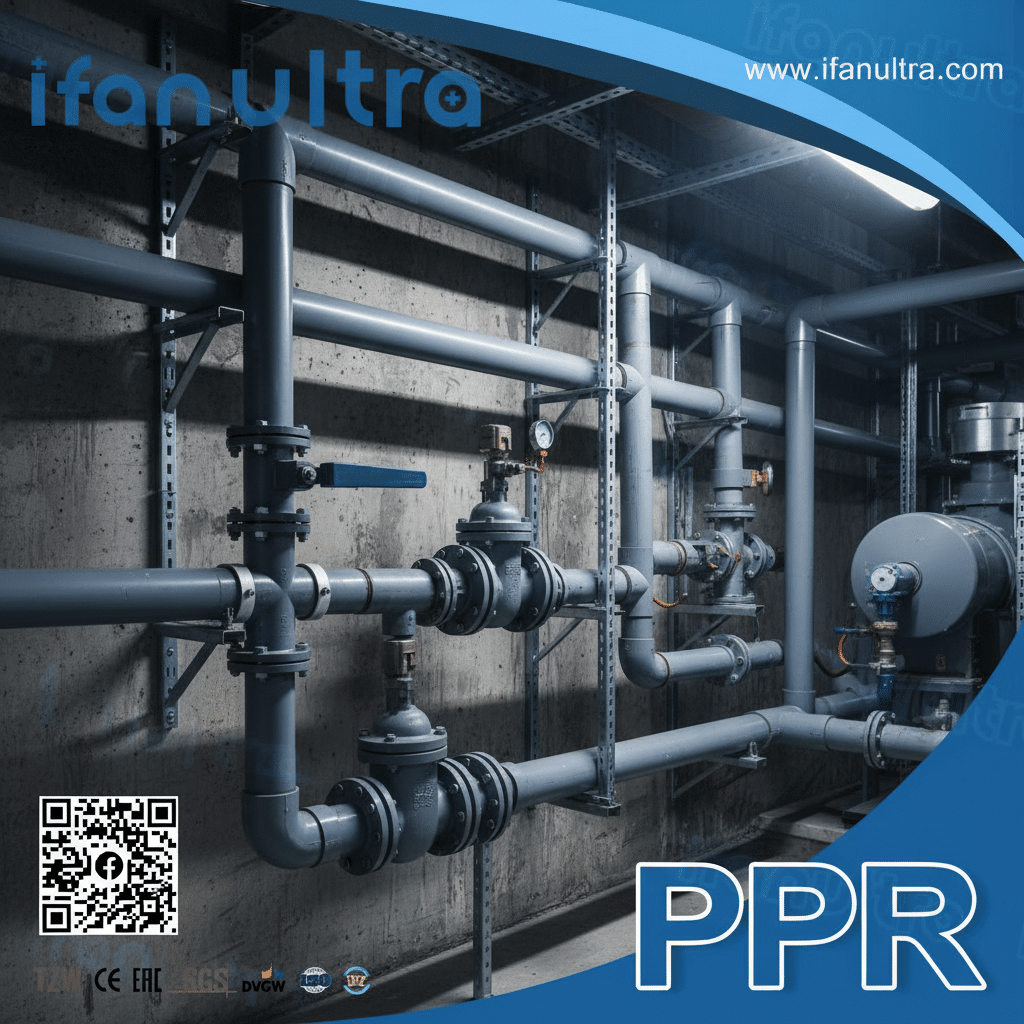
Any system operating above 200 PSI deserves serious consideration of Schedule 80. This includes:
- Industrial cooling lines
- Pressure washing supply lines
- Municipal water main connections
- Pump discharge piping
In these cases, the pressure rating difference provides a necessary safety margin. A burst pipe in these applications can cause major property damage or injury. The small extra cost of Schedule 80 becomes cheap insurance.
Exposed Installations
Pipes running along walls, ceilings, or outdoors face physical risks. Workers might bump into them. Equipment could fall on them. Vehicles might park too close. Schedule 80’s thicker walls resist impact much better than Schedule 40. In industrial settings where pipes remain exposed, Schedule 80 is the standard choice.
Hot Liquid Applications
As we saw in the temperature table, PVC loses strength as temperature rises. If your system regularly carries liquids above 100°F, Schedule 80 maintains acceptable pressure ratings while Schedule 40 may drop too low. For continuous service near 140°F, Schedule 80 remains viable while Schedule 40 becomes unsafe for most pressure applications.
Análise de custo-benefício
The table below helps decide which schedule fits your project:
| Cenário do aplicativo | Recommended Schedule | Reasoning |
|---|---|---|
| Residential DWV (Drain-Waste-Vent) | Schedule 40 | No pressure, low cost priority |
| Residential Cold Water Supply | Schedule 40 | Low pressure, buried or protected |
| Commercial Pressure System >200 PSI | Schedule 80 | Safety margin essential |
| Exposed Industrial Piping | Schedule 80 | Impact resistance needed |
| Hot Water Drainage | Schedule 80 | Temperature tolerance |
| Chemical Processing | Schedule 80 | Safety and chemical resistance |
When Schedule 40 Works Perfectly
Many applications simply don’t need Schedule 80’s extra strength. Gravity drainage systems have near-zero internal pressure. Underground sprinkler systems operate at moderate pressures. Vent pipes carry only air. In these cases, Schedule 40 performs perfectly for decades. Paying extra for Schedule 80 would waste money without providing any real benefit.
How Does the Increased Wall Thickness Affect Flow Capacity and Installation?
Clients often overlook the practical effects of thicker walls. I always remind them that Schedule 80 changes more than just strength.
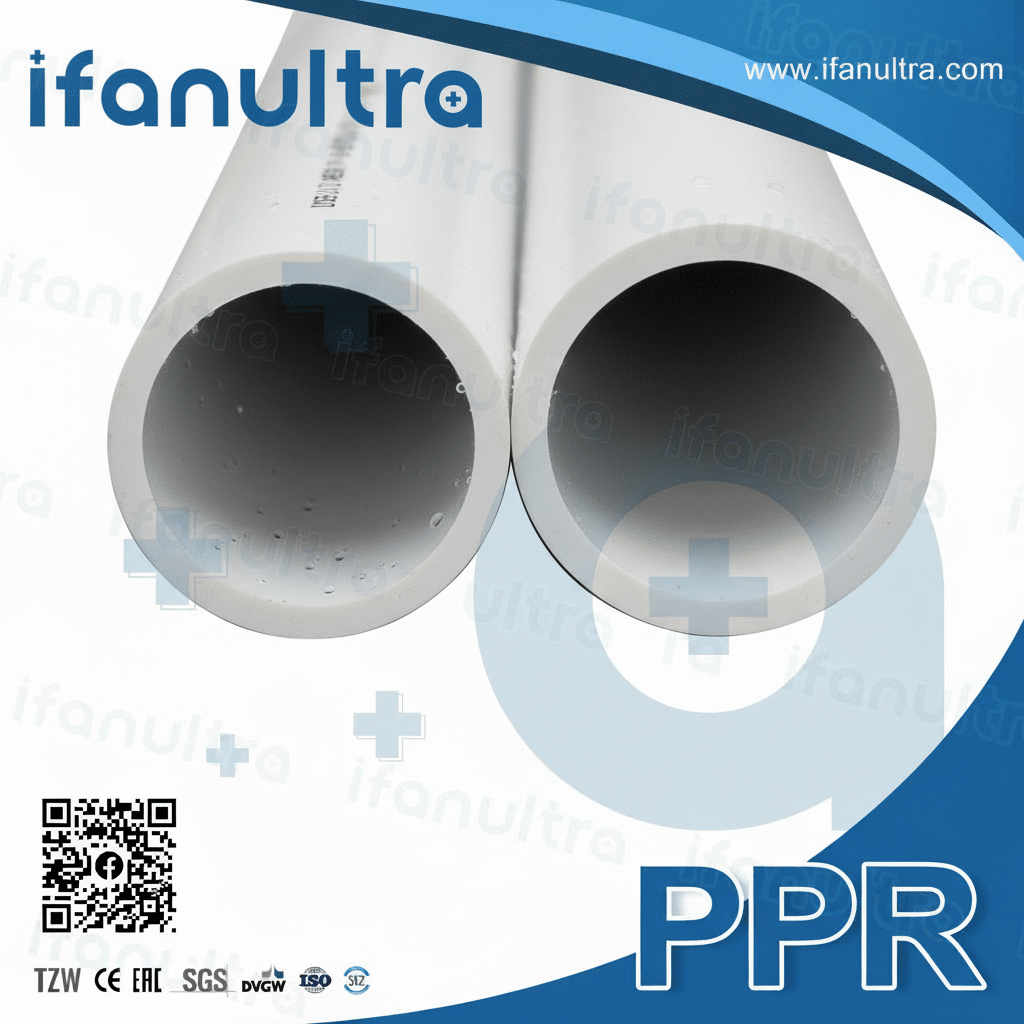
The increased wall thickness of Schedule 80 reduces the inner diameter of the pipe compared to Schedule 40 of the same nominal size. This means less flow capacity for the same outer pipe size. Schedule 80 pipes also weigh more, require different fittings, need stronger supports, and demand more effort to cut and join during installation.
Impact on Flow Capacity
Here is the trade-off most people miss. Schedule 80 uses the same outer dimensions as Schedule 40, which allows them to connect to standard fittings. However, because the walls are thicker, the inner passage gets smaller. This reduces the cross-sectional area available for flow.
For a 2-inch pipe:
- Schedule 40 inner diameter: approximately 2.067 inches
- Schedule 80 inner diameter: approximately 1.939 inches
- Area reduction: about 12% less flow area
This means for the same flow rate, Schedule 80 creates higher friction loss and may require larger pipe sizes or more pumping energy.
Installation Considerations
Thicker walls change the installation process in several ways:
Cutting: Schedule 80 requires more force to cut. Hand cutters may struggle with larger sizes. Power saws work better but create more plastic dust and debris.
Joining: The thicker walls need more solvent cement and longer curing time. Joints must align perfectly because you cannot force them into position after the cement starts setting.
Support Spacing: Heavier pipes need closer support spacing. The table below shows recommended maximum support distances:
| Pipe Size | Schedule 40 Support Spacing | Schedule 80 Support Spacing |
|---|---|---|
| 1 inch | 5 feet | 4 feet |
| 2 inch | 6 feet | 5 feet |
| 4 inch | 7 feet | 6 feet |
| 6 inch | 8 feet | 7 feet |
The extra weight of Schedule 80 means you need more hangers and supports. This adds to both material cost and installation labor.
Thermal Expansion Differences
Thicker walls also affect how pipes respond to temperature changes. Schedule 80 has more material to heat and cool. This means it expands and contracts slightly less than Schedule 40 under the same temperature change. However, the difference is small enough that expansion loops and compensation methods remain similar for both schedules.
Chemical Resistance Benefits
One often-overlooked advantage of thicker walls is chemical resistance. In corrosive environments, the extra material provides a longer service life before chemical attack could penetrate the pipe wall. For aggressive chemical applications, Schedule 80 offers this additional safety margin even beyond its pressure advantages.
Conclusão
Choose Schedule 40 for standard drainage and low-pressure water applications where cost matters most. Choose Schedule 80 for high-pressure systems, exposed locations, hot liquids, and applications requiring maximum safety margins. For reliable PVC piping solutions, consider IFAN’s complete range of Schedule 40 and Schedule 80 pipes and fittings, manufactured to strict international standards for consistent quality and performance.









 English
 Español
 Français
 Português do Brasil