
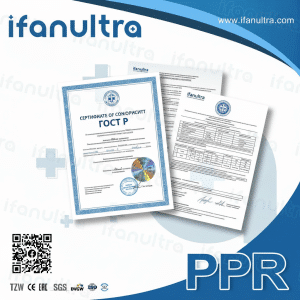
I remember a client who shipped a container of pipes to Moscow, only to have them stuck at customs for three months. That costly mistake taught me the true value of proper certification.
To ensure your piping products meet Russian GOST standards, you must first identify the specific GOST or GOST R standards that apply to your product type, then engage an accredited certification body to perform required testing and issue the official certificate. Additionally, for the broader Eurasian market, your products must also comply with the Technical Regulations of the Customs Union to receive EAC marking.
Let’s walk through the complete process of navigating Russian certification requirements for piping products.
What Are the Key GOST Standards Governing Plastic and Metal Pipes in Russia?
The Russian regulatory system can feel overwhelming. I’ve seen suppliers get lost in the alphabet soup of standards.
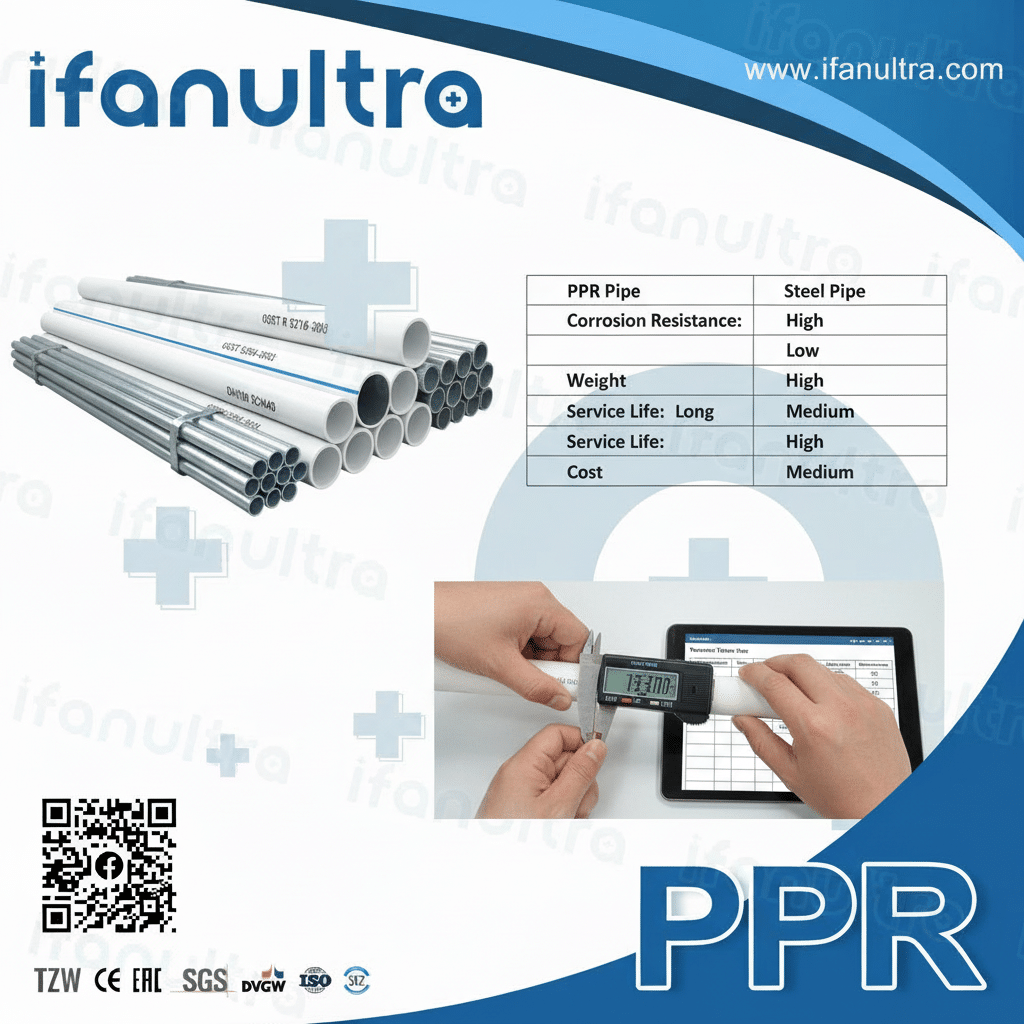
The key GOST standards for pipes include GOST 32415-2013 for thermoplastic pressure pipes and fittings, GOST R 52134-2003 for thermoplastics pipes, and GOST 3262-75 for steel water and gas pipes. Additionally, fire safety standards like GOST 30244 and GOST 30402 apply to pipe materials used in building applications.
Understanding the GOST Standard System
GOST standards originated in the Soviet era as interstate standards. Today, they continue to govern technical requirements across Russia and many CIS countries. For piping products, these standards define everything from material composition to dimensional tolerances and performance testing.
The system has two main components:
- GOST Standards: These are interstate standards valid across multiple CIS countries.
- GOST R Standards: These are national standards specific to the Russian Federation.
Primary Pipe Standards by Material Type
Different pipe materials fall under different GOST standards. Here’s a breakdown of the most important ones:
| Pipe Material | Key Standard | What It Covers |
|---|---|---|
| PP-R / Polypropylene | GOST 32415-2013 | Technical specifications for thermoplastic pressure pipes and fittings |
| All Thermoplastics | GOST R 52134-2003 | General specifications for pipes and fittings |
| Steel Pipes | GOST 3262-75 | Steel water and gas pipes |
| Tubos de PVC | GOST R 51613-2000 | Unplasticized PVC pressure pipes |
| PE Pipes | GOST 18599-2001 | Polyethylene pressure pipes |
Beyond Basic Material Standards
Russian regulations also require compliance with additional standards that affect installation and use:
1. Fire Safety Standards: Pipes used in buildings must meet strict fire performance requirements.
- GOST 30244: Determines flammability of building materials
- GOST 30402: Tests ignition susceptibility
- GOST 12.1.044: Defines fire hazard classification
2. Sanitary and Hygienic Standards: Pipes carrying drinking water must comply with SanPiN (Sanitary Rules and Norms) requirements. These ensure materials don’t leach harmful substances into water.
3. Mechanical Performance Standards: These cover pressure ratings, temperature resistance, and long-term durability under operating conditions.
Practical Application for Importers
When you source pipes from China, you need to ensure the manufacturer’s production aligns with these standards. This means:
- Verifying raw materials meet GOST-specified compositions
- Confirming dimensional tolerances match GOST requirements
- Ensuring pressure ratings align with Russian climate and usage conditions
At IFAN, we maintain a comprehensive database of GOST requirements for each pipe type we supply. We work with our factory partners to ensure production parameters match the specific GOST standards required for each Russian region.
How Does the EAC Marking Relate to GOST Certification for the Eurasian Market?
Clients often confuse GOST and EAC requirements. This confusion can delay shipments significantly.
EAC marking (Eurasian Conformity) is the mandatory certification for products entering the Eurasian Economic Union (EAEU), which includes Russia, Belarus, Kazakhstan, Armenia, and Kyrgyzstan. It has largely replaced national GOST certifications for many product categories. However, GOST standards still serve as the technical basis for EAC certification, and some products may still require additional GOST R certification depending on their classification.
The Evolution from GOST to EAC
The Eurasian Economic Union established the Technical Regulations (TR) to create a unified market. These regulations define safety requirements for products sold across member states.
When a product meets these requirements, it receives EAC marking. This marking allows free movement of goods across all EAEU countries without additional national certifications.
However, the relationship between EAC and GOST isn’t simple replacement. Instead, it’s a layered system:
Layer 1: EAC Certification (TR CU)
- Mandatory for products covered by specific Technical Regulations
- Issued by accredited bodies within the EAEU
- Valid across all member states
- Based on harmonized standards that often reference GOST requirements
Layer 2: GOST R Certification
- Still required for products not fully covered by Technical Regulations
- Issued by Russian certification bodies
- Valid only within Russia
- Directly based on GOST standards
Layer 3: Voluntary GOST Certification
- Optional certification demonstrating compliance
- Can provide market advantage
- Often required by specific Russian buyers or industries
Determining What Your Product Needs
The certification path depends on your specific product and its intended use. Here’s a decision framework:
| Product Category | Primary Requirement | Additional Considerations |
|---|---|---|
| PP-R Pipes for Potable Water | EAC (TR CU 010/2011) | Voluntary GOST for quality differentiation |
| Steel Pipes for Gas | EAC + Declaration of Conformity | Strict fire safety documentation |
| Specialty Industrial Pipes | GOST R Certification | May need expert review of application |
| Fittings and Accessories | EAC (if part of pipe system) | Separate certification if standalone |
Practical Implications for Importers
When you work with IFAN, we help you navigate this complexity by:
- Identifying the correct TR CU regulation for your product category
- Matching factory production to the GOST standards referenced in those regulations
- Coordinating with accredited certifiers to obtain proper documentation
- Ensuring all markings (EAC, manufacturer info, pressure ratings) appear on products and packaging
A Common Misunderstanding
Many suppliers assume EAC completely replaces GOST. This isn’t accurate. The Technical Regulations themselves reference GOST standards as the technical basis for compliance. Your product must still meet the underlying GOST requirements, even if you receive EAC certification.
Think of it this way: EAC is the passport that lets your product travel across borders. GOST standards are the rules that ensure your product deserves that passport.
What Testing and Documentation Are Required for GOST-R Certification?
The paperwork requirements can intimidate even experienced exporters. Breaking them down step by step makes the process manageable.
GOST-R certification requires comprehensive testing of your piping products by accredited Russian laboratories, along with technical documentation including factory quality certificates, material specifications, and test reports. The process typically involves sample selection, laboratory testing, factory audit (for serial production), and issuance of the certificate valid for 1 to 5 years.

The Complete Certification Process
Understanding the full workflow helps you prepare properly and avoid delays.
Step 1: Application and Documentation Preparation
Your first step is submitting a formal application to an accredited certification body. Along with the application, you need:
- Technical specifications for your products
- Quality management system certificate (ISO 9001 preferred)
- Previous test reports from recognized laboratories
- Product descriptions and photographs
- Information about the manufacturer and production facilities
Step 2: Sample Selection and Testing
The certification body selects samples from your production batch or warehouse. These samples undergo testing at accredited laboratories. For piping products, tests typically include:
| Test Type | What It Measures | Relevant Standard |
|---|---|---|
| Hydrostatic Pressure | Burst strength and long-term pressure resistance | GOST 24157 |
| Dimensional Inspection | Wall thickness, diameter, ovality | GOST 32415 |
| Thermal Stability | Resistance to temperature extremes | GOST R 52134 |
| Chemical Resistance | Material stability in various environments | GOST 12020 |
| Migration Tests | Substance leaching for potable water | SanPiN requirements |
Step 3: Production Analysis (For Serial Certification)
If you seek certification for ongoing production rather than a single shipment, certifiers will analyze your manufacturing process. This may include:
- Factory audit by Russian inspectors
- Review of quality control procedures
- Assessment of raw material sourcing
- Verification of testing equipment calibration
Step 4: Certificate Issuance
Upon successful completion, the certification body issues your GOST-R certificate. The certificate specifies:
- Product name and description
- GOST standards met
- Certificate validity period
- Manufacturer details
- Certification body information
Types of GOST-R Certificates
Choose the right certificate type based on your business model:
| Certificate Type | Validity | Melhor para | Requirements |
|---|---|---|---|
| Single Shipment | One batch | Test orders, small volumes | Sample testing only |
| Serial Production (1 Year) | 1 year | Regular shipments | Sample testing + production analysis |
| Serial Production (3 Years) | 3 years | Established partnerships | Full testing + annual surveillance |
| Serial Production (5 Years) | 5 years | Long-term contracts | Comprehensive certification + audits |
Critical Documentation Checklist
Ensure you have these documents ready before starting certification:
- Product Specifications: Detailed technical data sheets in Russian
- Material Certificates: Raw material compliance documentation
- Factory Quality Certificate: ISO 9001 or equivalent
- Previous Test Reports: From recognized laboratories
- Product Labels: Draft versions showing required markings
- Instruction Manuals: Installation and usage guides in Russian
- Factory Registration: Business license and manufacturing permits
- Authorized Representative Agreement: If using a local representative
Common Documentation Pitfalls
From our experience at IFAN, these issues cause most certification delays:
- Incomplete translations: All documents need professional Russian translation
- Missing signatures: Every document requires proper authorization
- Expired certificates: Ensure all supporting certifications are current
- Inconsistent specifications: Product specs must match across all documents
Why Is Working with Accredited Local Certifiers Critical for Russian Market Access?
Some suppliers try to cut corners by using uncertified intermediaries. This almost always ends badly.
Working with accredited local certifiers is critical because only they have the legal authority to issue valid GOST and EAC certificates recognized by Russian customs and regulatory authorities. Unaccredited intermediaries cannot perform required testing or issue legally valid documentation, putting your shipments at risk of rejection, fines, or seizure at the border.

The Legal Framework of Certification
Russian law明确规定 that only certification bodies included in the Unified Register of the EAEU can issue legally valid certificates. These bodies undergo rigorous accreditation and maintain:
- Registered status with Russian authorities
- Accredited testing laboratories
- Qualified experts in your product category
- Legal liability for certificates issued
When you work with an unaccredited intermediary, you receive documentation that carries no legal weight. Customs officers can immediately reject it.
The Risks of Unaccredited Intermediaries
The consequences of using unaccredited providers extend beyond simple rejection:
1. Customs Seizure and Fines
Russian customs has the authority to seize shipments with invalid documentation. Importers face fines that can exceed the value of the goods. Repeat violations can lead to import bans.
2. Legal Liability
As the importer of record, you bear full responsibility for compliance. Using fraudulent certificates doesn’t protect you from penalties. Russian authorities pursue importers, not just certificate providers.
3. Reputation Damage
Failed shipments damage your relationship with Russian customers. They may face production delays while you resolve certification issues. Trust erodes quickly when deliveries fail.
4. Financial Losses
Beyond fines, you face:
- Storage fees while goods wait at customs
- Return shipping costs if rejected
- Replacement production costs
- Penalties from downstream customers
How Accredited Certifiers Add Value
Legitimate certification bodies do more than just issue paperwork:
| Serviço | What It Provides | Por que é importante |
|---|---|---|
| Pre-Assessment | Review products before formal testing | Identifies issues early, saves time |
| Technical Consultation | Guidance on meeting specific standards | Reduces test failures |
| Factory Audit | On-site verification of production | Builds confidence in quality |
| Document Preparation | Professional translation and formatting | Ensures complete submissions |
| Post-Certification Support | Assistance with customs clearance | Smooth market entry |
Selecting the Right Certification Partner
When choosing a certification body, verify these credentials:
- Accreditation Status: Check the Unified Register of Certification Bodies
- Product Expertise: Confirm experience with piping products
- Laboratory Capabilities: Ensure they have accredited testing facilities
- Language Support: Professional English-Russian communication
- References: Speak with other exporters they’ve served
IFAN’s Approach to Certification
At IFAN, we maintain relationships with multiple accredited certification bodies across Russia. This allows us to:
- Match clients with certifiers experienced in their specific products
- Coordinate sample selection and shipping efficiently
- Manage documentation preparation and translation
- Track certificate validity and handle renewals
- Provide customs support for smooth clearance
We never use unaccredited intermediaries. Every certificate we help clients obtain comes from properly registered, legally authorized certification bodies.
A Practical Suggestion
If you’re new to the Russian market, start with a single-shipment certificate from an accredited body. This limits your initial investment while establishing a compliant track record. Once you’ve successfully cleared customs, consider serial certification for ongoing shipments.
Conclusão
Navigating Russian GOST and EAC certification requires understanding the standards, working with accredited certifiers, and preparing complete documentation. IFAN simplifies this process by connecting you with certified partners and ensuring your piping products meet all requirements.









 English
 Español
 Français
 Português do Brasil