

A hot-water recirculation pump needs a complete water path back to the heater. That path may be a dedicated return or, where the equipment and local requirements permit, a matched crossover system using cold-water piping. Adding a pump to a dead-end hot-water branch does not create that route. PP-R selection is a separate application check.
Key Takeaways
- A pump needs a complete route back to the heater.
- A dedicated return and a cold-line crossover are different designs.
- Only branches on the circulating route receive its benefit.
- Use an approved, matched crossover system where applicable.
- PP-R material names do not approve continuous potable recirculation.
- Keep controls, balancing and application acceptance in the design review.
A pump symbol does not close an open water path
Imagine a hot-water branch ending at a closed tap. Moving water out of the heater into that branch requires somewhere for the displaced water to go. A pump drawn in the supply line does not provide that destination. The drawing must connect the remote part of the supply back to a permitted heater connection through a defined return route. Without the route, “add recirculation” is an incomplete scope.
A. O. Smith’s recirculation guide distinguishes a dedicated return from an arrangement using the cold-water line. Grundfos’s Comfort System manual describes a particular residential retrofit arrangement for situations without a dedicated return. These are different piping concepts with different equipment requirements. They are not interchangeable instructions for any available pump.
Before selecting pipe, trace the proposed route on the drawing: heater outlet, hot supply, remote connection, return path and heater connection. Show intended flow direction. If the trace stops at a closed fixture, an isolation valve or an unconnected pipe end, the proposal has not established recirculation. Ask the design team to resolve that missing connection before a component enquiry becomes a purchase order.
A dedicated return keeps the return function in its own pipe
In a dedicated arrangement, the return pipe takes circulating water from the remote part of the hot-water distribution back to the heater arrangement. The physical advantage is a distinct return route that can be identified and reviewed. The trade-off is that the pipe must actually exist or be provided, with its routing, access and related building work included in the project.
Do not infer its existence from a second pipe beside the heater. Identify both ends and the intervening route on the as-built information. A pipe can serve another purpose. The design team should confirm where the return joins the heater arrangement and how it interacts with the heater’s permitted recirculation connections. An unused tapping is not enough evidence to assign it a function.
In a multi-branch installation, a single return can leave other branches outside the circulating route. Additional returns may change hydraulic distribution and need balancing. A drawing with several loops therefore has a separate question: how will the intended circulation reach each branch? Pipe material does not decide that allocation. The pump, branch arrangement and balancing design must be reviewed together.
A dedicated return may be the sensible candidate where a new route is practical and an independently identifiable return is required. It is not automatically a complete system. The engineer still reviews controls, temperature distribution, insulation, component suitability and commissioning evidence against the applicable project requirements.
A cold-line crossover is an equipment arrangement
Some retrofit systems use an engineered crossover between the remote hot and cold lines so displaced water can return through the cold-water piping. The Grundfos Comfort System manual is a named example. Its pump and bypass arrangement establish how that product is intended to circulate. This is not permission to connect hot and cold pipes using an ordinary tee or a manually opened valve.
Using the cold line changes that line’s role during circulation. The owner and designer must understand the resulting cold-water behavior and assess the system against the applicable plumbing and equipment requirements. A purchaser should not accept “no return pipe needed” as meaning “no return path needed.” The path remains necessary; this arrangement uses existing piping as part of it.
A crossover system needs its own compatibility review. Identify the heater, pump, bypass valve, controls and permitted connection arrangement. Verify that the proposed combination is supported rather than assembling independently described parts. The relevant instructions may define a specific service, building type or mounting arrangement. A residential manual is not blanket approval for a commercial multi-riser building.
Where the cold-water system has functions that cannot accept the proposed circulation behavior, keep the crossover proposal unresolved or select a different supported design. The decision belongs in design review. This article does not provide installation steps for modifying hot, pressurized potable-water plumbing or electrical connections.
| Review item | Required relationship | Result |
|---|---|---|
| Dedicated return | Hot supply → remote return → heater | Review coverage and balancing |
| Engineered crossover | Hot supply → matched bypass → cold path → heater | Review cold-side consequences |
| Pump without return | No closed water route | No established recirculation path |
Two branches show why the furthest fixture is not the whole drawing
Consider a teaching scenario with no assumed flow or temperature values. A heater supplies a corridor main that divides into a kitchen branch and a bathroom branch. The proposed dedicated return starts at the end of the bathroom branch. Trace the closed circulation path: heater, corridor main, bathroom branch, return, heater. The kitchen’s terminal branch is not on that path.
With no draw-off at the kitchen, its water is not made part of the loop merely because the bathroom return is described as being at the furthest fixture. The shared main may be within the circulation route while the kitchen branch remains a dead end. The useful output is a marked drawing distinguishing included pipe from excluded branch length, not a claim that every tap will deliver at the same time.
Now change the scenario: the proposal adds a kitchen return. Both branches have potential circulating routes, but that drawing alone does not establish the distribution of flow between them. Branch balancing and pump duty become part of the review. Two returns do not guarantee two effective circulation paths under the intended operating conditions.
For a crossover proposal, perform the same tracing exercise using the permitted bypass position and cold-water return route. Do not transfer the bathroom coverage conclusion to the kitchen without tracing its actual path. This conceptual example decides route membership only. It calculates no wait time, pipe size, flow, pump head or temperature drop, and it represents no IFANULTRA installation.
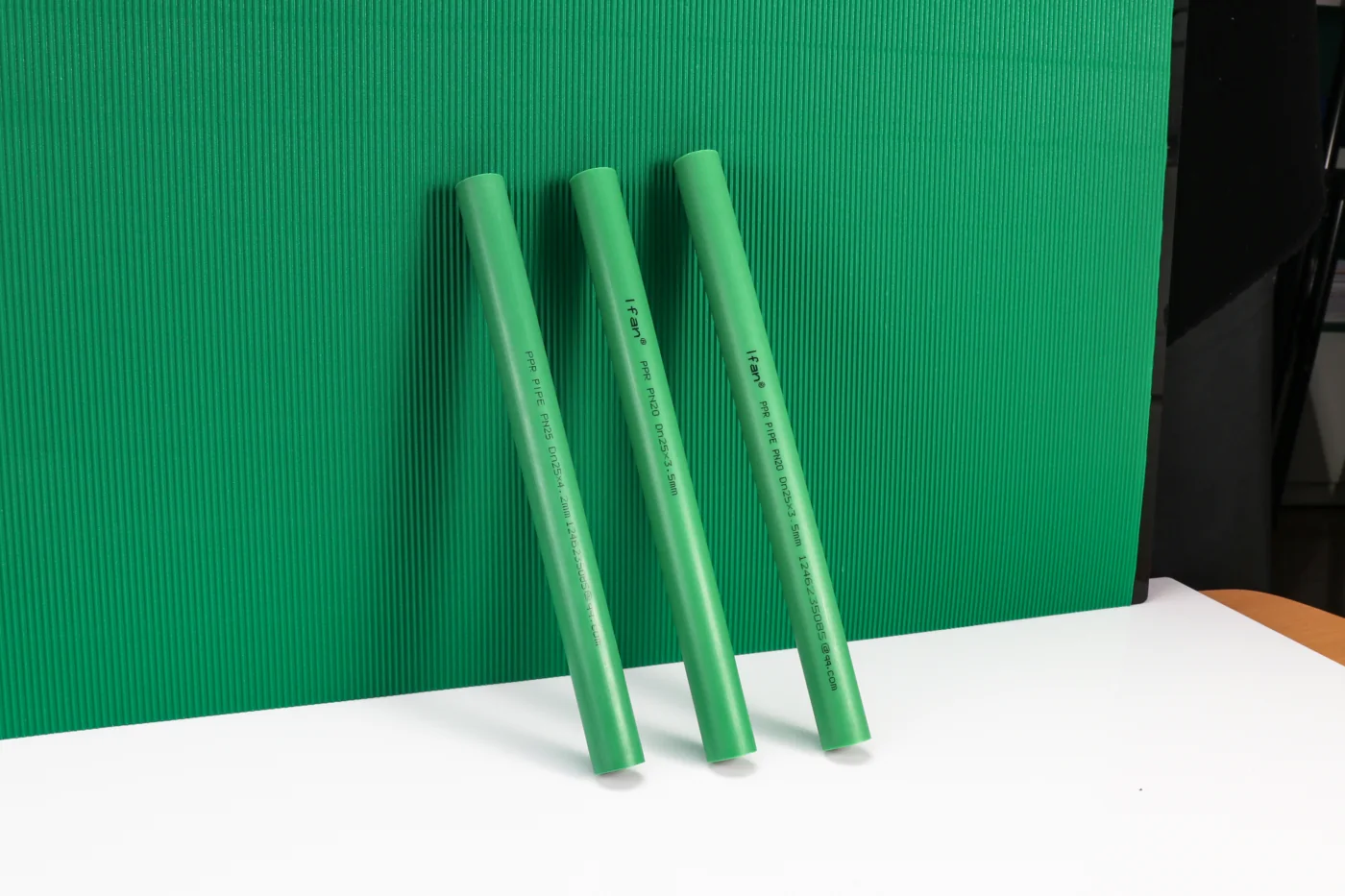

Selecting PP-R does not settle continuous hot-water suitability
The route decision and the material decision must remain separate. A complete route can still use an unsuitable component. A pipe described as suitable for hot water does not, by that description alone, establish approval for the proposed potable hot-water recirculation duty. Identify the exact product and its current application conditions, including the full operating exposure and retained system materials.
Continuous or controlled circulation changes the exposure that the designer must assess. Record the temperature conditions, water treatment and intended operating pattern. Do not substitute a cold-water nominal pressure marking for a supported hot-water duty. The same caution applies to fittings, seals, metal transitions and other components in the water path. The system review must include them rather than stopping at the pipe wall.
For a partial copper-to-PP-R change, the site’s existing mixed-material recirculation acceptance article addresses the retained-copper question separately. A route sketch cannot settle that chemistry and product-terms review. Replacing a length of pipe also does not remove the rest of the materials that share its circulating water.
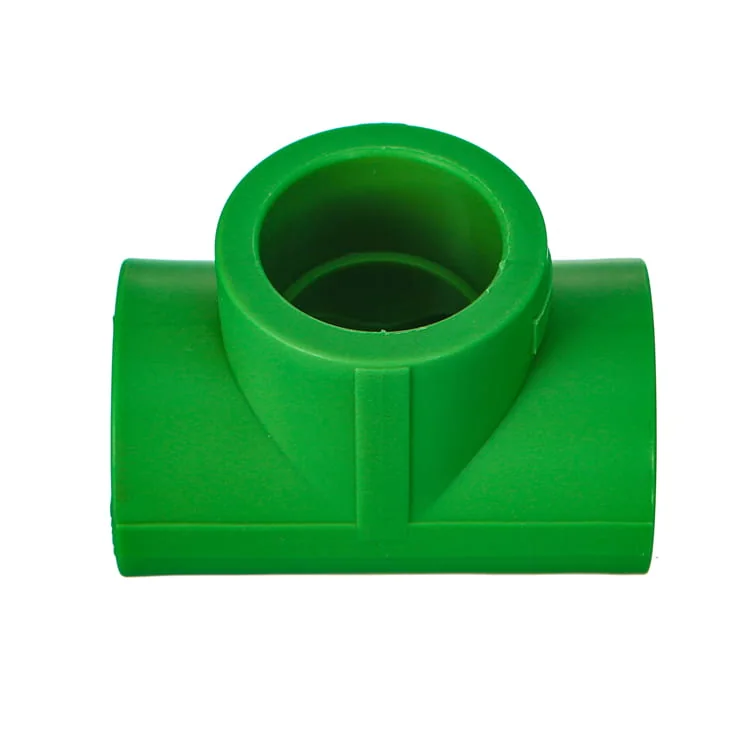
The IFANULTRA Global Series product page provides catalogue context. It does not establish that a particular listed pipe, crossover fitting or valve is approved for this proposed recirculation system. A product named cross-over can describe a geometric pipe fitting; the name does not establish the thermostatic bypass function required by a particular retrofit system. Confirm function and application with the actual model documents.
Controls and commissioning must answer what the path cannot
A complete water path answers where circulation can occur. Controls answer when the pump runs and what causes it to stop. Those are different design questions. Record the selected control method and the conditions it monitors. A timer schedule, an occupant request and a temperature-responsive control are not interchangeable descriptions of the same operation.
A pump-running indication does not demonstrate that each intended branch receives circulation. Likewise, a warm reading at one point cannot establish the condition everywhere in a branching network. Define the commissioning observations the engineer needs to verify the selected route and control arrangement. Preserve the locations and operating states associated with those observations so later changes can be assessed.
Heater compatibility also remains model-specific. Tankless and storage arrangements can have different permitted connections and control requirements. A general recirculation diagram cannot override the heater manufacturer’s instructions. Have the qualified design and installation team reconcile the equipment manuals, local requirements and water-temperature strategy before release.
Do not claim an energy saving from the existence of a loop. Circulation, operating time, insulation and the actual distribution arrangement all affect performance. Nor should a buyer select a water temperature from this article as a hygiene setting. Those decisions require the project’s competent design and operating authorities. The deliverable here is a route decision and a defined handover, not a universal operating prescription.

Complete the route decision before asking for matching components
Give the designer and supplier the marked path, branch coverage and intended operating method. If no return route exists, the record should say “route unresolved,” with dedicated-return feasibility and a supported crossover option considered separately. If a return route is documented, the record should identify its exact connections and which branches it includes.
Then attach the exact heater, pump and bypass or return-control requirements. State the pipe and fitting specification, retained materials, service conditions and project jurisdiction. Keep product availability conditional until the proposed models and application terms have been checked. Request quantity, MOQ and lead-time confirmation against that defined scope rather than treating a generic catalogue as a delivery promise.
The release decision has three distinct parts: the drawing establishes a complete intended route; the equipment arrangement is supported for that route and location; the complete piping system is accepted for its actual duty. Missing one part leaves a specific hold. A documented incompatibility requires revision. Completing the first part cannot silently approve the other two.
Technical basis: the named manufacturer’s official manual. Its product-specific instructions and values do not establish an IFAN model specification.
Review flow

- Trace supply, branches and return.
- Complete permitted return route? Yes: mark connections and branch coverage. No: review a supported crossover option.
- If no supported crossover option exists, hold: route unresolved. Otherwise trace the permitted cold-line return and mark connections and branch coverage.
- Check heater, pump and controls.
- Check complete piping system for actual duty.
- All three accepted: release. Missing input: hold and obtain evidence. Incompatibility found: revise.
Inputs for the three-part release check
| Review line | Evidence to attach | Unresolved result |
|---|---|---|
| Complete route | Marked supply and return drawing, exact connections and branch coverage | Hold if the route remains unresolved |
| Supported equipment | Exact heater, pump and return-control or bypass models with applicable instructions | Hold missing inputs; revise a documented incompatibility |
| Accepted piping duty | Exact pipe and fittings, retained materials, service conditions and project jurisdiction | Route acceptance alone does not release the piping duty |
Conclusion
Distinguish a complete dedicated-return route, an engineered cold-line crossover and a missing return; identify branch coverage and separate that route decision from PP-R application approval. Use the completed decision record to distinguish a demonstrated match, a specific missing input and a documented mismatch before releasing the purchase.
Frequently asked questions
Can a pump circulate through a closed dead-end branch?
A pump does not create a return route. The design needs a complete permitted path back to the heater.
Does no dedicated return mean recirculation is impossible?
A supported crossover system may use cold-water piping as the return path where equipment and local requirements permit. It is a separate design review.
Will one remote return serve every branch?
Only pipes on the actual circulating route are included. Trace each branch; additional returns also need hydraulic distribution review.
Does a PP-R crossover fitting replace a thermal bypass valve?
No such equivalence follows from the name. Confirm the exact component’s function and its role in the supported recirculation system.




 English
 Español
 Français
 Português do Brasil