

For a closed hydronic loop containing PP-R, choose the glycol protection target before choosing a concentration. A loop that must circulate or restart at its lowest design temperature needs freeze protection. Burst protection can allow ice or slush and is a different shutdown duty. Neither a fluid’s burst rating nor the PP-R material name establishes that the complete system can operate safely at that temperature.
The important question is what the loop must do during a cold event. “Protected to minus twenty” is incomplete if it does not state the fluid, concentration basis, protection type and operating condition. A dormant loop and an outdoor coil that must start immediately can require different decisions.
Key Takeaways
- Separate remaining pumpable from avoiding expansion damage during shutdown.
- Use the named fluid’s data at the selected design temperature.
- A burst-protection value does not prove cold-start capability.
- Check the entire assembly, including equipment, seals, expansion provision and PP-R limits.
- Measure the final mixed fluid; concentrate added is not the final concentration.
Define the cold-event operating requirement
Record the lowest temperature the fluid may experience in each exposed part of the system, including shutdown and loss of power. The normal heating supply temperature does not describe an unheated outdoor coil after a prolonged stoppage. Keep the pipe-insulation review alongside the fluid-protection review; it does not choose the freeze or burst column for you. Equally, a warm plant-room sensor cannot establish the temperature of a remote exposed branch.

Next, state the required action at that cold condition. Must the pump keep circulating? Must the equipment restart before the outdoor section has warmed? Or is the system deliberately dormant, with a controlled recovery plan? Answering that question determines which fluid protection data are relevant.
Dry Coolers’ technical FAQ distinguishes freeze protection, which prevents ice-crystal formation at the selected temperature, from burst protection, which can permit a slushy mixture. It explains that burst protection does not necessarily keep the fluid pumpable. That distinction is the starting point for a fill specification, rather than a reason to choose the lower percentage automatically.
| Required condition | Target to evaluate | Decision boundary |
|---|---|---|
| Circulation must continue in the cold | Freeze protection | Check cold-fluid properties and equipment operating limits too |
| Restart required while the exposed loop remains cold | Freeze protection | A burst rating alone does not establish restart capability |
| Deliberately dormant loop | Burst protection may be evaluated | Requires an approved shutdown, expansion and recovery arrangement |
| Cold state or restart requirement unknown | Unresolved design input | Hold final fill selection until the duty is defined |
Editorial decision aid based on the cited freeze/burst distinction. It is not a universal system approval or a substitute for equipment instructions.
Read both protection columns in a named example
Dry Coolers gives a DOWFROST example: for an expected minimum of −15°F, it selects the −20°F line as its additional protection margin. It lists 45% DOWFROST for freeze protection and 30% for burst protection at that selected temperature. Preserve the fluid name and the source’s volume basis when reading those values.
The difference changes the operating decision. In a transparent planning example, assume the loop must restart while still at that cold design condition. Selecting the 30% burst value would answer the wrong question. The 45% freeze-protection value is the relevant starting point in this named example, subject to the actual fluid supplier’s current instructions and complete system checks.
Now change only the operating requirement: the loop is intentionally dormant and its designer has approved the relevant expansion and recovery arrangement. A burst-protection option may then enter consideration. That does not mean every idle PP-R loop is eligible; the system conditions still have to support it.
Do not transfer these percentages to a different glycol formulation, a different temperature or a percentage by mass. Nor should a container’s prominently printed burst temperature be read as the temperature at which a pump can circulate its contents. Obtain the selected fluid’s actual freeze and burst data, mixing basis and permitted concentration range.
Check the complete PP-R loop before specifying the fill
A fluid table describes a fluid. A pipe pressure-temperature table describes a particular pipe system under its stated conditions. Neither document automatically approves the heat exchanger, pump seals, valves or expansion equipment connected between them. The final specification must satisfy those requirements together.
Raypak’s hydronic antifreeze guidance notes that glycol selection affects heat transfer, pumping and expansion, and that material compatibility and operating conditions require attention. Its equipment guidance must be applied within its own scope. It does not establish an IFAN ULTRA concentration limit or approve every PP-R system for the same mixture.
Obtain the cold-fluid properties needed for the pump and heat-transfer check rather than reusing water-only selections. A concentration chosen for protection may alter the operating duty. If the pump, coil or expansion arrangement fails that review, the response is to revise the design or protection strategy; it is not to quietly dilute the fluid below the selected protection requirement.
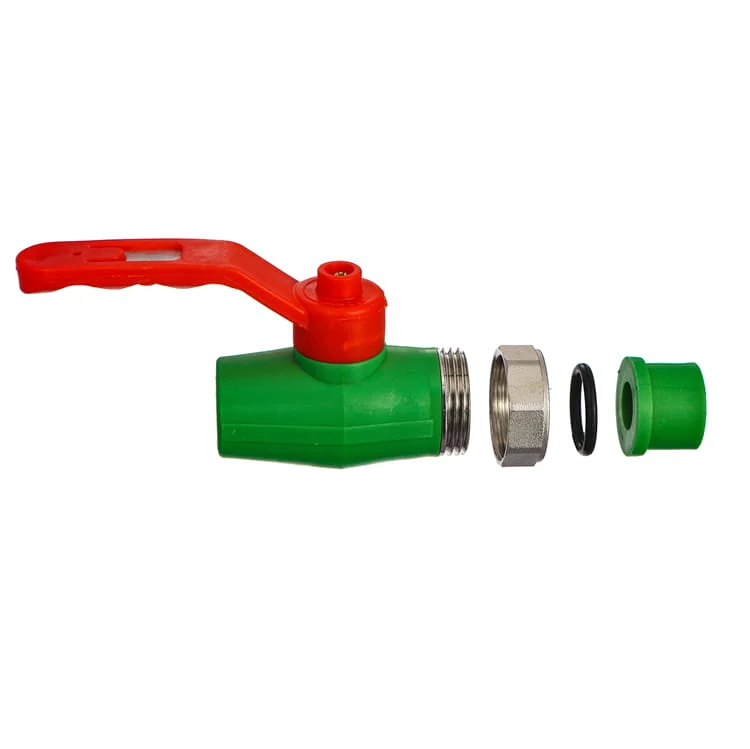
PP-R also needs its own documented minimum operating temperature and fluid compatibility for the exact pipe, fittings and service. As a named boundary example, Aquatherm’s freeze-protection bulletin 201606B distinguishes accidental freeze tolerance from intended repeated freeze/thaw exposure and requires protective measures for the latter. Those statements concern Aquatherm products. They are no guarantee that another PP-R assembly may repeatedly freeze without damage.
This article concerns a closed, non-potable hydronic loop. The presence of propylene glycol does not make a formulated heat-transfer fluid drinking water. Product labelling, permitted use, water-supply separation and local requirements remain applicable. Follow the selected equipment and fluid instructions rather than substituting automotive or winterizing products based only on a glycol ingredient.
Make the final mixture auditable
Specify the delivered mixture and its verification, not just the quantity of concentrate to order. Residual flushing water and later top-up water can change the final concentration. The commissioning record should identify the final circulating fluid after mixing, the test method suitable for that product and the protection result assessed against the chosen design target.
| Item | Record | Why it matters |
|---|---|---|
| Cold-event duty | Lowest design condition; circulation, restart or dormancy | Selects freeze or burst criteria |
| Fluid identity | Exact formulation; volume or mass basis; supplier data | Prevents transferring a percentage between products |
| System acceptance | Pipe, equipment, seals, pump and expansion checks | Separates fluid protection from assembly approval |
| Final mixture | Measured result, method, location and date | Checks the actual fill after residual water and mixing |
| Ongoing control | Top-up product, monitoring and recovery instructions | Keeps later additions consistent with the selected duty |
Editorial specification aid based on the cited fluid and equipment guidance. No generic PP-R glycol concentration is prescribed.
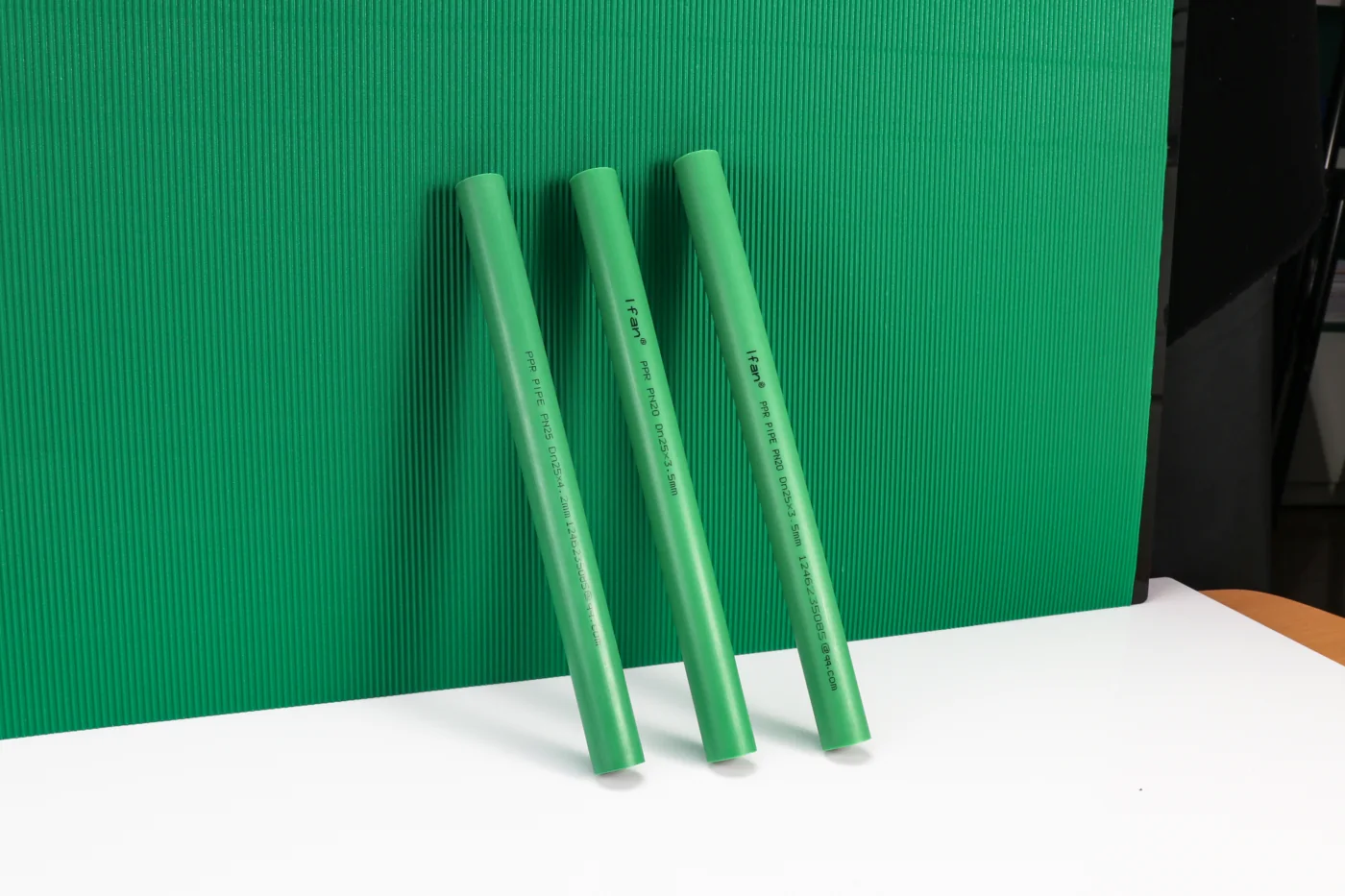
For the pipework portion, the IFAN ULTRA PP-R Global Series identifies a product category, not a confirmed hydronic-glycol approval. Submit the specification for an availability check with country, application, pipe size and wall series, pressure and temperature range, exact fluid formulation and concentration, quantities and required approvals. Matching pipe-and-fitting suitability and availability must be confirmed before ordering.
Conclusion
A usable glycol specification states what the loop must do in the cold, selects the corresponding named-fluid data, passes the complete system checks and records the measured final mixture. If circulation or cold restart is required, do not substitute a burst-protection label for that operating requirement.
Frequently asked questions
Does burst protection mean the fluid remains liquid?
No. It can permit ice or slush. That is why it does not by itself establish pumping or cold-start capability.
Can I use the example’s percentages for any glycol?
No. Use the exact formulation’s data, concentration basis, selected temperature and equipment instructions.
Does a PP-R material label prove the loop can freeze safely?
No. Obtain the exact system’s limits and protection requirements; other components and the intended operating duty also matter.



 English
 Español
 Français
 Português do Brasil