

In this article, we’ll answer that question in detail—covering pressure ratings, relevant standards, temperature factors, and best practices for long-term, leak-proof installations.
Understanding Pressure Ratings of PPR Pipes
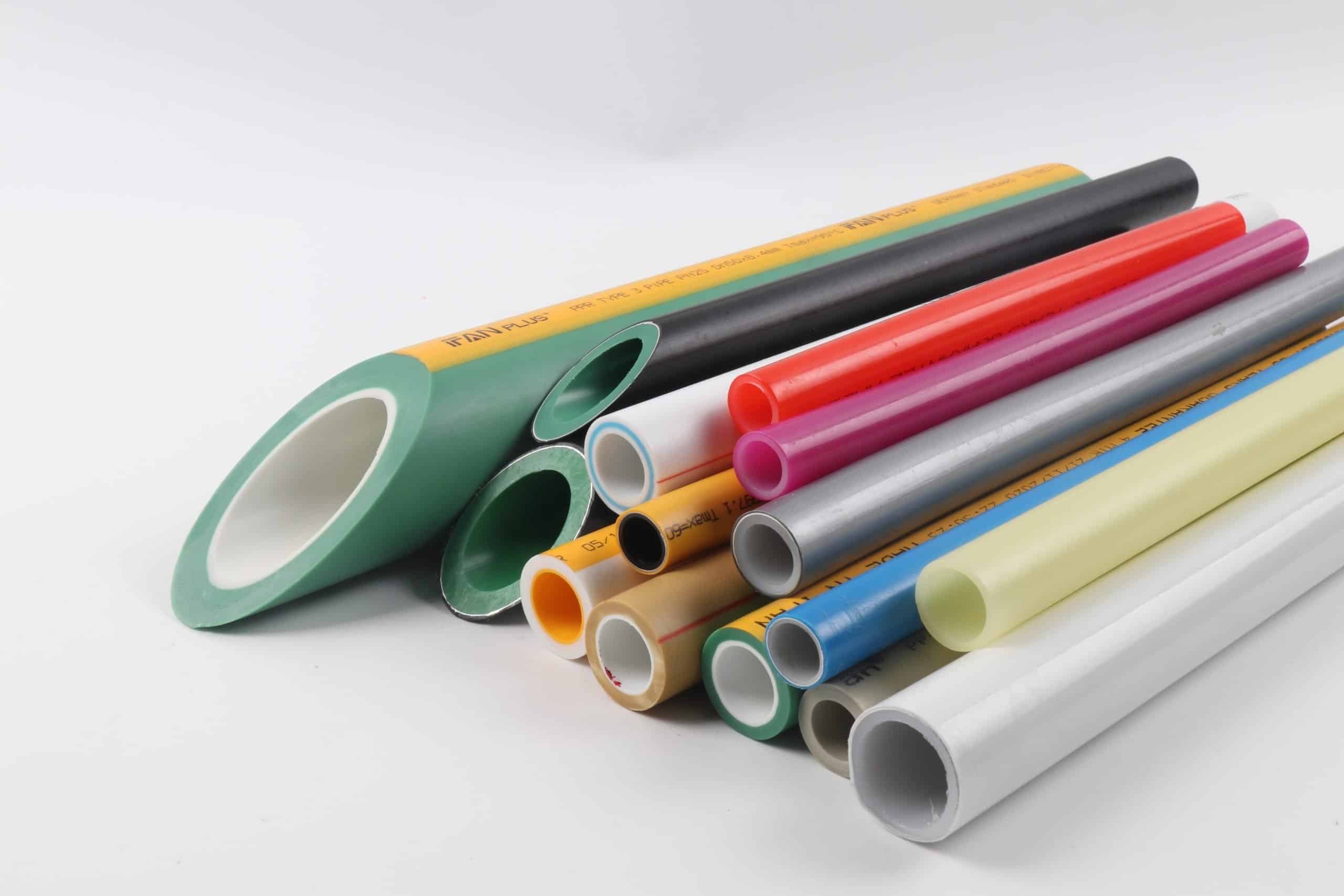
PPR pipes are manufactured in different pressure classes, commonly referred to by their PN rating (short for Pressure Nominal). These ratings define the maximum pressure (in bars) that the pipe can withstand at 20°C (68°F) over a 50-year service life.
| PN Rating | Pressure Limit @ 20°C | Typical Use |
|---|---|---|
| PN10 | 10 bar (145 psi) | Cold water |
| PN16 | 16 bar (232 psi) | Hot & cold water |
| PN20 | 20 bar (290 psi) | High-temperature water |
| PN25 | 25 bar (362 psi) | High-pressure hot water, HVAC |
Pressure Performance in Floor Heating Applications
Floor heating systems typically operate at low to moderate pressure to safely circulate hot water through the piping network under the floor. Standard system pressure is:
- Operating Pressure: 1.5 to 4 bar (22 to 58 psi)
- Test Pressure (during system commissioning): 6 to 10 bar (87 to 145 psi)
This means that even PN10 PPR pipes can technically handle floor heating pressure, but higher-rated pipes (PN16, PN20) are recommended for added safety margin, especially when dealing with hot water and long pipe runs.
How Temperature Affects Pressure Resistance
Pressure ratings decrease as temperature increases. This is a critical factor in floor heating, where water temperatures can range from 35°C to 60°C (95°F to 140°F).
Here’s how temperature affects a PN20 PPR pipe’s pressure resistance:
| Temperature | Max Working Pressure (PN20 pipe) |
|---|---|
| 20°C (68°F) | 20 bar |
| 40°C (104°F) | ~13.2 bar |
| 60°C (140°F) | ~8.4 bar |
| 70°C (158°F) | ~6.5 bar |
| 90°C (194°F) | ~4.0 bar |
Key Takeaway: Always choose a PN class that provides enough buffer after factoring in temperature derating.
Relevant Standards for Pressure Testing and Safety
PPR piping systems in Europe and many other regions must comply with international standards such as:
- DIN 8077 / DIN 8078 – Technical dimensions and pressure resistance of PPR pipes
- ISO 15874 – Guidelines for hot and cold water piping systems in buildings
- EN 1055 – Testing methods for pressure performance
These standards recommend hydrostatic pressure testing after installation:
- Testing at 1.5x working pressure, usually 6–10 bar for floor heating systems
- Maintain test pressure for at least 30 minutes, monitor for leaks or pressure drop
Best Practices for Pressure-Safe Floor Heating with PPR Pipes
- Use PN16 or PN20 pipes for most underfloor heating systems
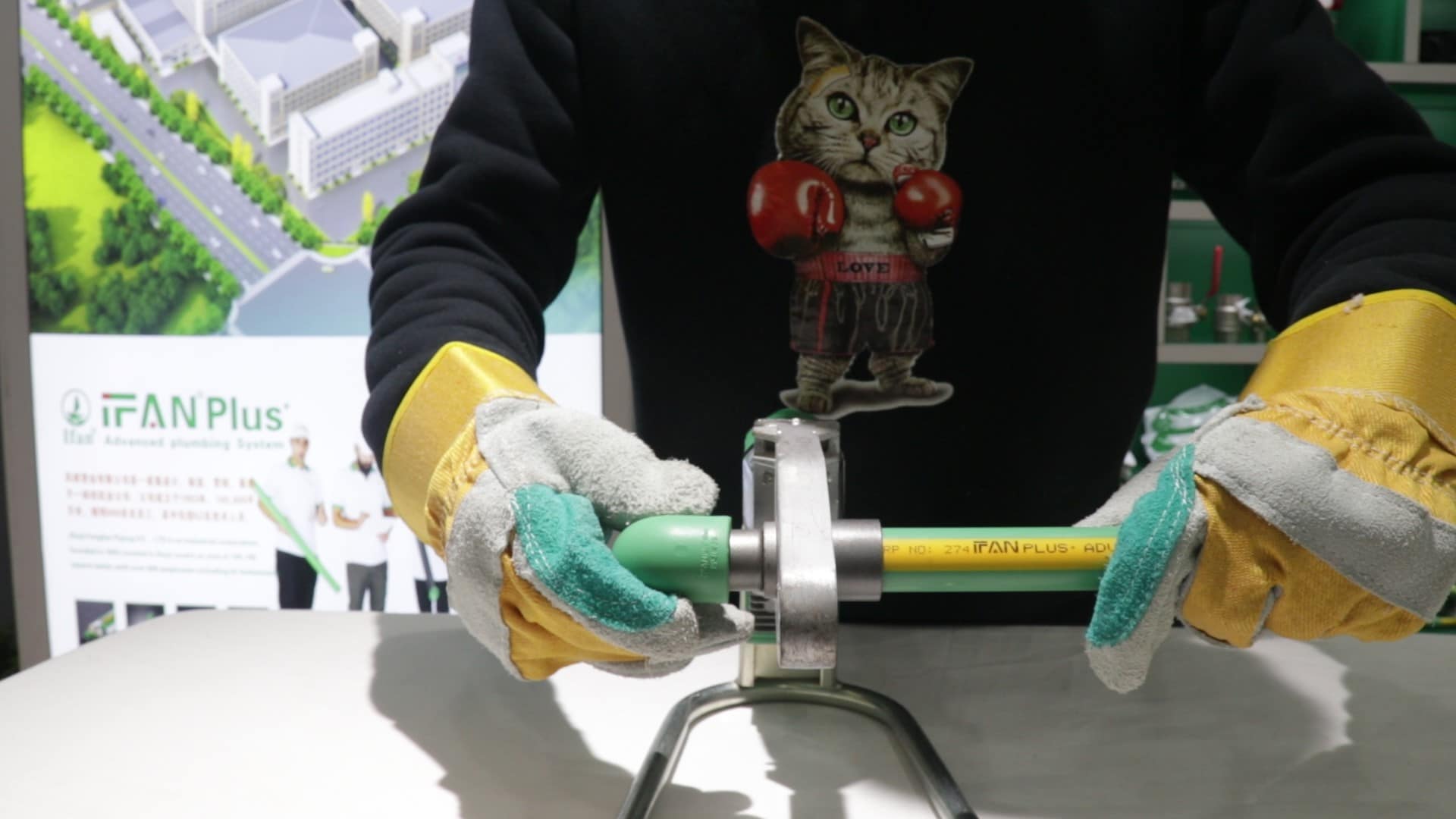
- Ensure proper welding or mechanical fittings are used—no cold joints
- Perform pressure tests before covering the floor with screed or insulation
- Account for temperature-pressure derating in system design
- Use products that are ISO-certified and meet local building codes
Where to Source Pressure-Rated PPR Pipes?
For reliable performance in floor heating applications, choose certified manufacturers that provide full technical documentation and compliance with DIN/ISO standards.
ifanultra – A professional Chinese PPR pipe manufacturer offering:
- PN16, PN20, and PN25 rated PPR pipes
- Full compliance with DIN 8077/8078 and ISO 15874
- OEM and custom branding for importers and distributors
- Competitive pricing and fast delivery to Europe, the Middle East, and beyond



 English
 Español
 Français
 Português do Brasil