
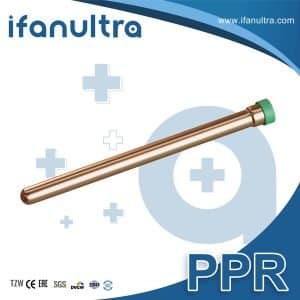
When it comes to choosing materials for plumbing systems, two of the most commonly debated options are PPR pipes (Polypropylene Random Copolymer) and copper pipes. Each has its strengths and weaknesses depending on the specific application. In this article, we’ll compare PPR pipes and copper pipes, helping you make the best decision for your project.
At ifanultra Pipe (from ifanultra.com, we specialize in providing high-quality PPR pipes for a range of applications, from plumbing systems to industrial use. Our products are customized to meet your unique requirements, offering both standard solutions and tailored services**. Let’s dive into the key differences between these two popular pipe materials.
1. Cost Comparison: PPR Pipes vs Copper Pipes
PPR Pipes:
- Affordable and cost-effective: One of the most significant advantages of PPR pipes is their cost. Compared to copper, PPR is significantly cheaper, making it an attractive choice for large-scale plumbing projects or businesses on a budget.
- Long-term savings: Although PPR pipes may require a slightly higher upfront cost for installation materials, their durability and low maintenance costs make them a long-term investment that can save businesses money over time.
Copper Pipes:
- Expensive: Copper pipes are much more expensive, both in terms of material costs and labor to install them. The high price of copper pipes is one of the main factors driving businesses to consider alternatives like PPR pipes.

2. Durability and Longevity: PPR Pipes vs Copper Pipes
PPR Pipes:
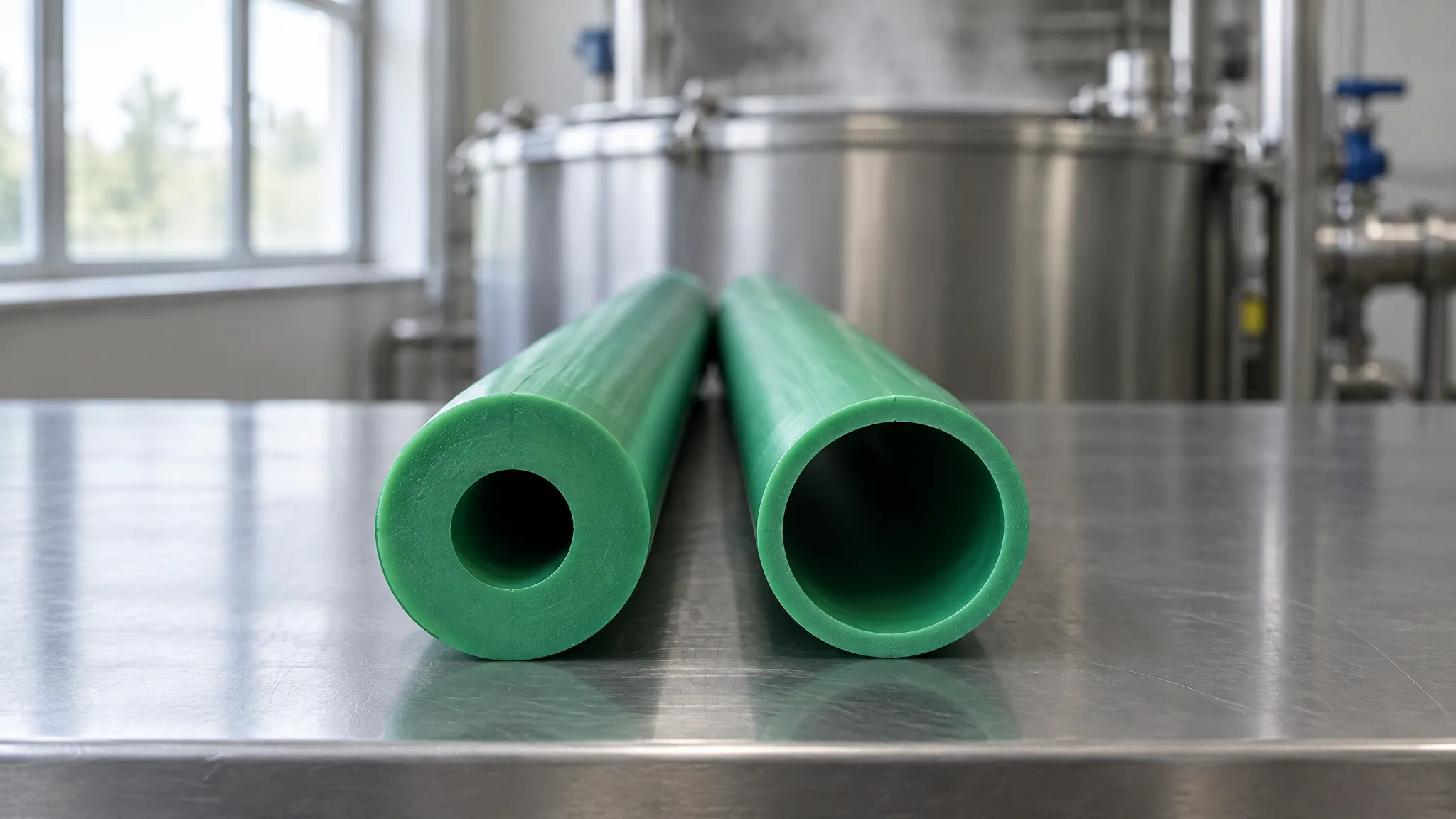
- Corrosion-resistant: Unlike copper pipes, PPR pipes are immune to corrosion, rust, and scale buildup, making them ideal for both residential and industrial applications where water quality is crucial.
- Resistant to chemical reactions: PPR is highly resistant to most chemicals, which makes it a great option for chemical processing pipelines or aggressive water conditions. It can handle a wide range of temperatures and pressures, offering durability that lasts for decades.
- Lasts up to 50 years: Under proper conditions, PPR pipes can have a lifespan of over 50 years.
Copper Pipes:
- Corrosion-prone: Copper pipes are susceptible to corrosion, especially in high-moisture environments or areas with acidic water. Over time, the buildup of minerals and corrosion can lead to leaks or blockages.
- Lifespan of 20-30 years: Although copper pipes can last for decades, they are less durable than PPR pipes, especially in areas with corrosive water or harsh chemicals.
—
3. Installation: PPR Pipes vs Copper Pipes
PPR Pipes:
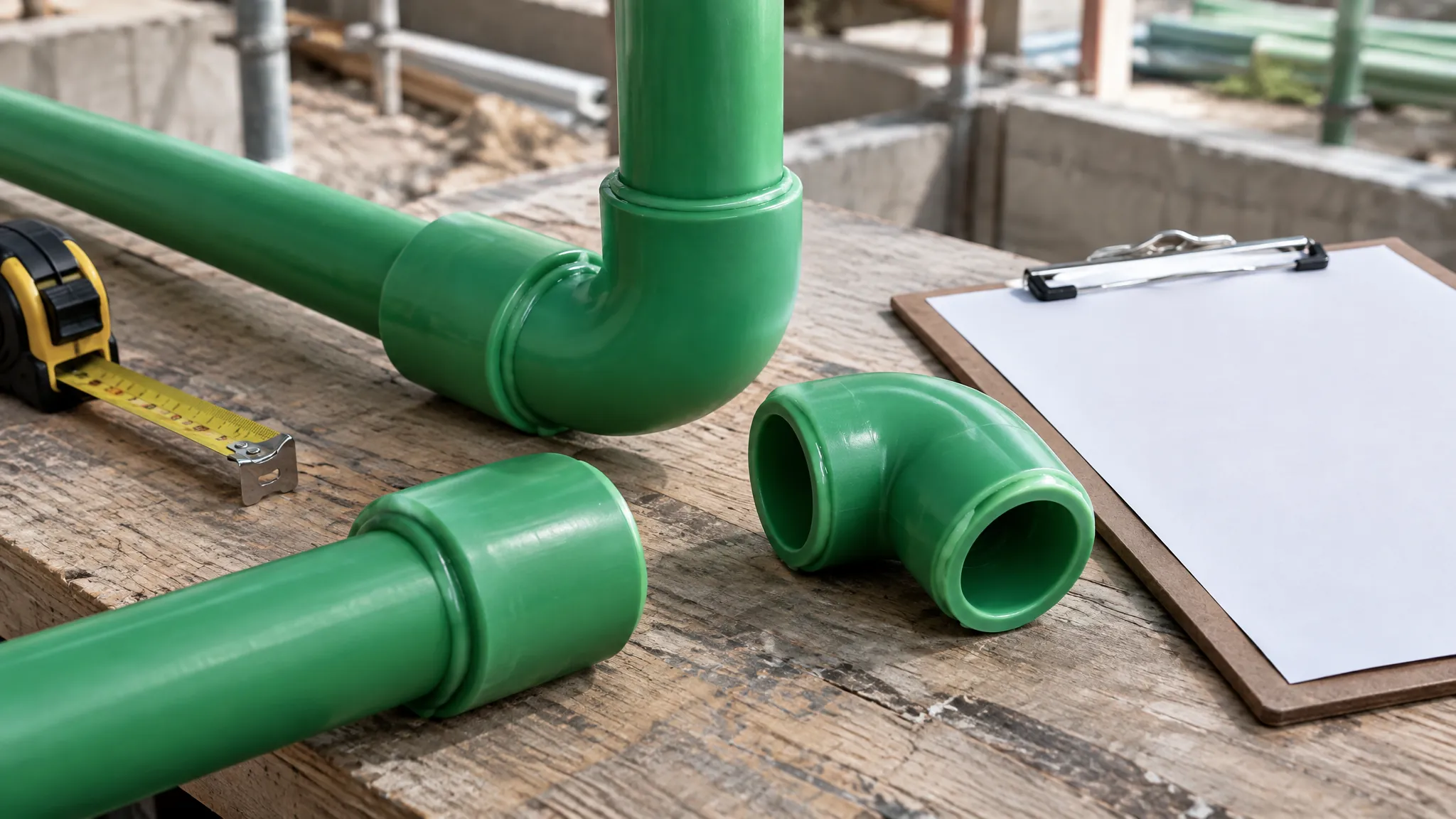
- Easy installation: Installing PPR pipes is faster and more straightforward compared to copper. PPR pipes can be heat-welded together, which makes the process smoother and reduces the need for fittings or complicated connections.
- No special tools required: The tools needed for PPR pipe installation are less expensive and more commonly available than the specialized tools required for copper pipework.
- Lightweight and flexible: The lightweight nature of PPR pipes makes them easier to handle, reducing installation time and labor costs.
Copper Pipes:
- Complex installation: Installing copper pipes requires soldering and special tools, which can increase installation time and costs. Additionally, the installation process requires skill to avoid leaks.
- Heavy and hard to work with: Copper pipes are heavy and harder to handle than PPR pipes, which can make installation more labor-intensive and expensive.

4. Performance: PPR Pipes vs Copper Pipes
PPR Pipes:
- Superior insulation properties: PPR pipes have better thermal insulation, which means that hot water remains at the desired temperature for longer. This reduces energy loss and increases energy efficiency.
- Non-toxic material: PPR pipes are made from non-toxic materials, making them safe for drinking water applications. This is a huge benefit for businesses that need a clean, safe drinking water supply.
- Ideal for heating systems: PPR pipes are widely used in floor heating and other heating systems due to their ability to withstand high temperatures without degrading.
Copper Pipes:
- Conductive properties: Copper pipes are an excellent conductor of heat, which means that they can transfer hot water quickly. However, this also means that heat loss is greater compared to PPR pipes, especially in cold climates.
- Metallic taste: In some cases, copper pipes can introduce a metallic taste to drinking water, which can be a concern for businesses or homeowners using them for drinking water systems.
5. Environmental Impact: PPR Pipes vs Copper Pipes
PPR Pipes:
- Environmentally friendly: PPR pipes are made from recyclable materials and have a lower carbon footprint during production. Additionally, their long lifespan reduces the need for frequent replacements, contributing to less waste over time.
- Lower energy consumption during production: The production of PPR pipes requires less energy compared to copper, making them a more environmentally sustainable choice.
Copper Pipes:
- Resource-intensive production: Copper production is energy-intensive and has a significant environmental impact. Mining and processing copper require considerable natural resources, making it less environmentally friendly compared to PPR pipes.
- Recyclability: While copper is recyclable, the process of recycling copper still consumes energy and can lead to emissions.
Conclusion: Which is Better—PPR Pipes or Copper Pipes?
The choice between PPR pipes and copper pipes ultimately depends on your project’s specific requirements. If you’re looking for an affordable, durable, and corrosion-resistant solution, PPR pipes are an excellent option. They offer long-lasting performance and are easier and cheaper to install. Copper pipes, on the other hand, are a more traditional option and may be ideal in certain applications where aesthetic or historical value is important.
At ifanultra Pipe, we specialize in providing high-quality PPR pipes for a wide range of applications, including plumbing systems, floor heating, and chemical processing systems. We also offer customized solutions tailored to your specific needs. Whether you’re in need of standard products or tailored services, we can provide the perfect piping solution for your project.
For more information, visit our website ifanultra.com.



 English
 Español
 Français
 Português do Brasil