

Materials Used for Elbow Fittings
Elbow fittings come in various materials, each suited for specific types of applications. The most common materials include:
1. PVC (Polyvinyl Chloride)
PVC elbows are widely used in residential plumbing, irrigation, and drainage systems. They are cost-effective, lightweight, and resistant to corrosion and chemicals. However, PVC elbows are typically not suitable for high-temperature or high-pressure applications.
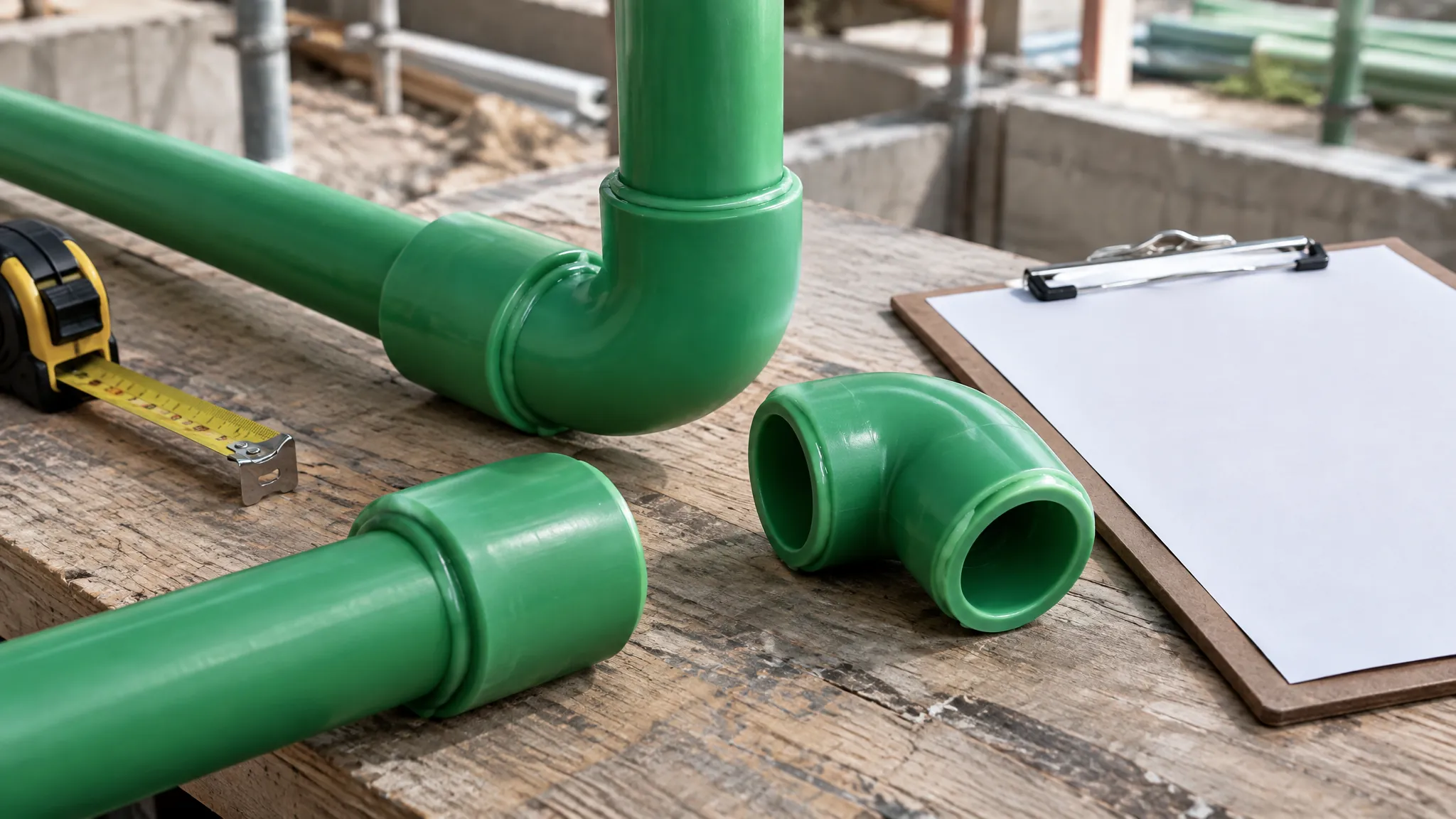
2. PPR (Polypropylene Random Copolymer)
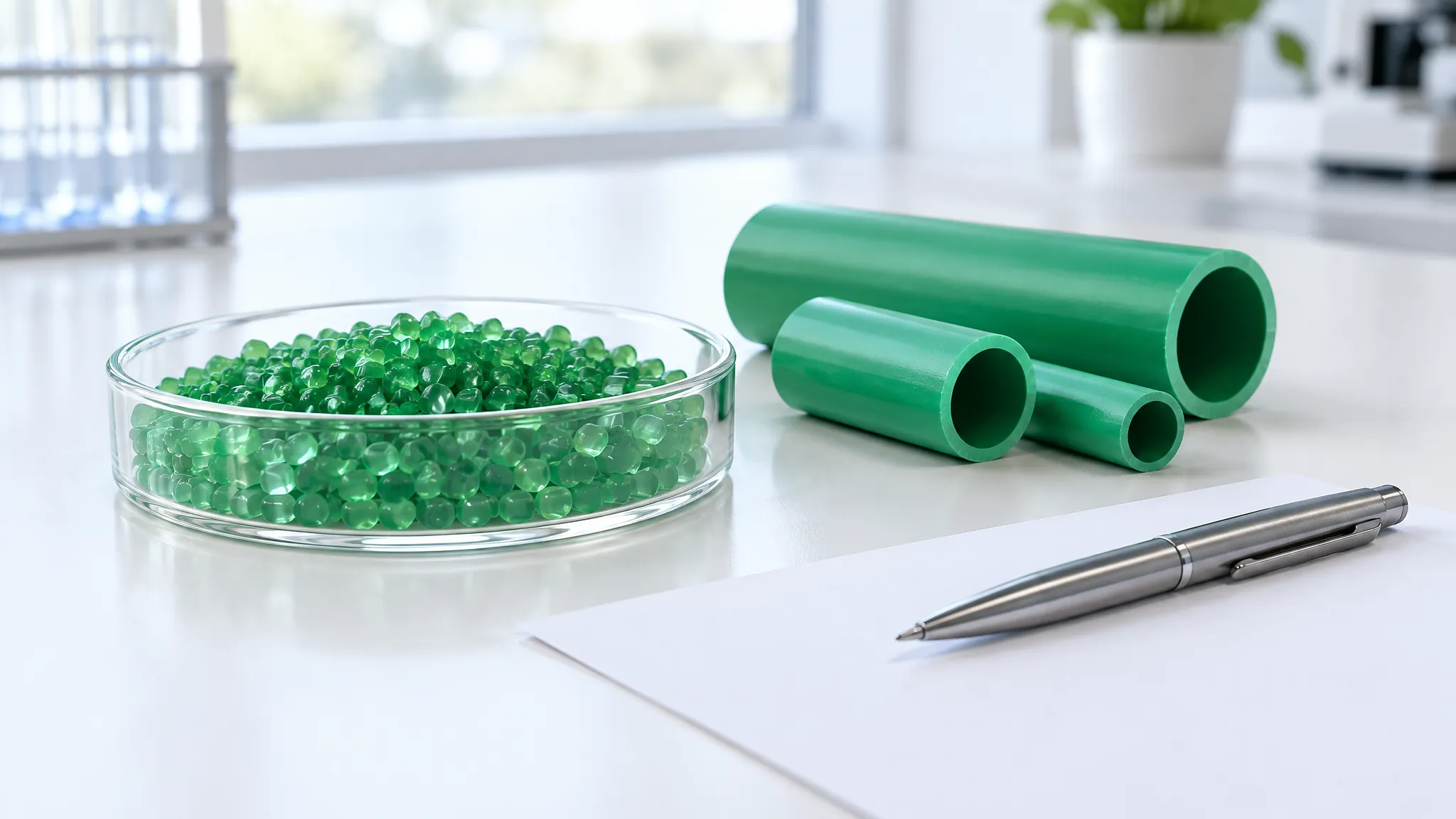
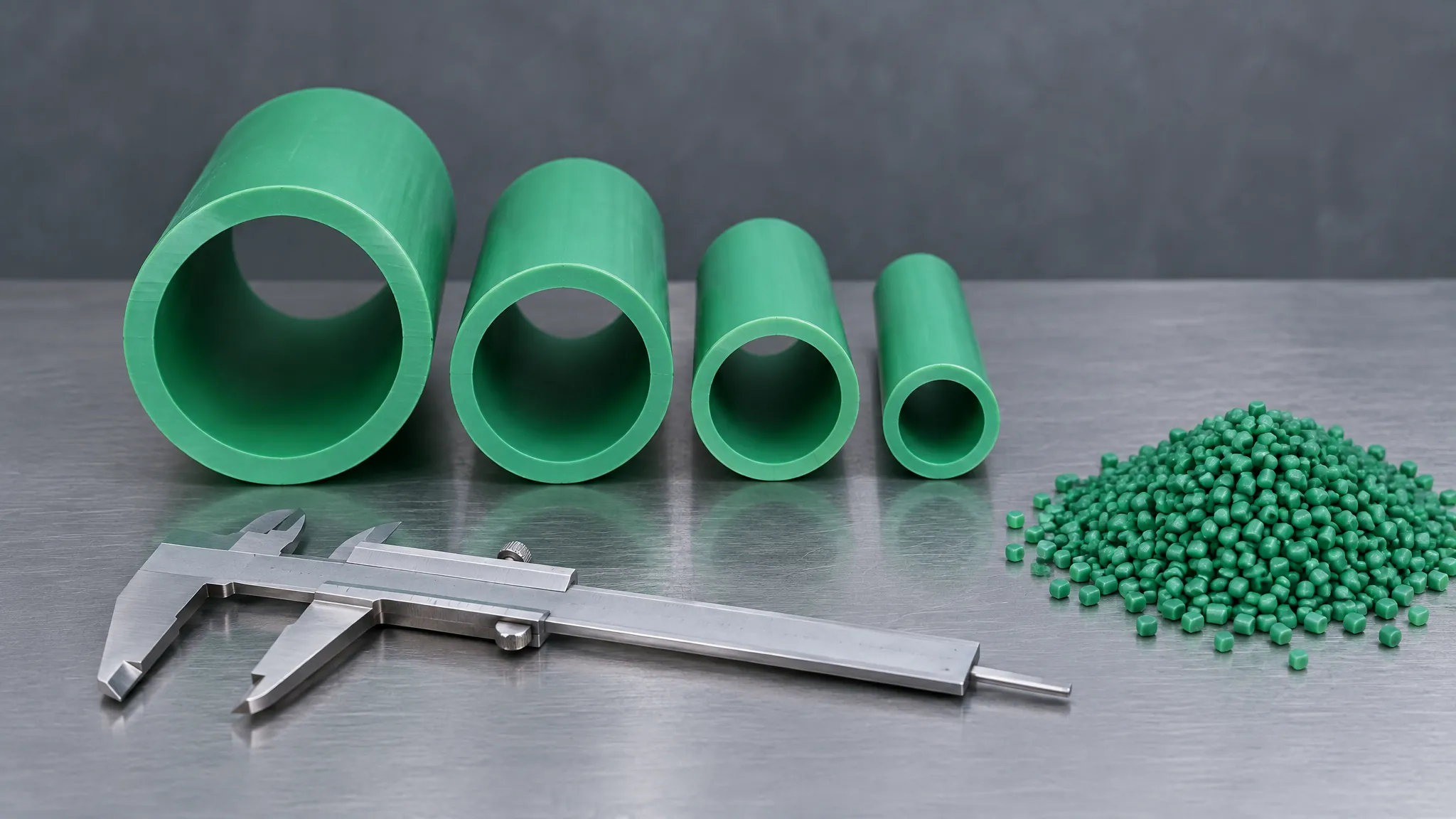
PPR elbows are a popular choice in modern plumbing systems, especially for hot and cold water supply pipes. They are durable, resistant to high temperatures, and offer good resistance to chemical corrosion. PPR fittings are often used in both domestic and commercial installations.
| Types of Angles | Common angles include 90°, 45°; custom angles available. |
| Matériaux | Available in materials such as PVC, PPR, stainless steel, copper, and brass. |
| Size Variations | Range from small domestic sizes to large industrial diameters. |
| Pression nominale | Can handle varying pressures, depending on material and design. |
| Résistance à la corrosion | Different materials offer varying degrees of resistance to corrosion and wear. |
| Installation Methods | Options include threaded, welded, or push-fit depending on the application. |
| Durability | Elbows made from high-quality materials offer long-lasting durability. |

3. Stainless Steel
Stainless steel elbows are commonly used in industrial piping systems, including oil and gas, chemical, and food processing industries.
They offer excellent strength, durability, and resistance to corrosion in harsh environments. Stainless steel elbows are typically welded or threaded.
4. Copper
Copper elbows are often used in plumbing systems for both residential and commercial installations. Copper offers excellent resistance to corrosion, is durable, and is highly effective for water systems. These elbows are commonly used in HVAC, refrigeration, and heating systems.
How to Choose the Right Elbow Fitting
Selecting the right elbow fitting for your project depends on several factors, including the type of system, material compatibility, size requirements, and pressure ratings. Here are some tips for choosing the right elbow fitting:
1. Consider the Material
The material of the elbow fitting should match the material of the pipe it connects. For example, use PVC elbows with PVC pipes, and copper elbows with copper pipes. The material choice also affects the pressure rating and temperature tolerance of the system.
2. Select the Right Angle
Choose the elbow angle based on the required flow direction. A 90° elbow is suitable for sharp turns, while a 45° elbow is better for smoother transitions. If custom angles are required, a specially designed elbow can be sourced.

3. Check Pressure and Temperature Ratings
Ensure that the elbow fitting is designed to handle the pressure and temperature conditions of your system. Industrial systems and those carrying hot liquids or gases may require elbows with higher pressure and temperature ratings.
4. Correspondance des tailles
Make sure the elbow fitting matches the diameter of your pipes. Using an incorrectly sized elbow fitting can lead to poor connections, leaks, and reduced flow efficiency.
Installation Tips for Elbow Fittings
Proper installation is key to ensuring the longevity and performance of elbow fittings in your system.
1. Clean the Pipe Ends
Before installing an elbow fitting, clean the ends of the pipes to remove any dirt, dust, or debris. This ensures a secure connection and prevents leaks.
2. Use the Right Joining Method
Depending on the material of the elbow and pipe, you may need to use different joining methods:
- Threaded Elbows: Screw the elbow onto the pipe using thread sealant to ensure a tight seal.
- Welded Elbows: Use welding equipment to fuse the elbow securely to the pipe.
- Push-Fit Elbows: Simply push the elbow fitting onto the pipe until it locks into place.
3. Ensure Proper Alignment
When connecting pipes with elbows, make sure the pipes are aligned correctly to avoid stress on the fittings, which could lead to leaks or damage over time.


 English
 Español
 Français
 Português do Brasil