
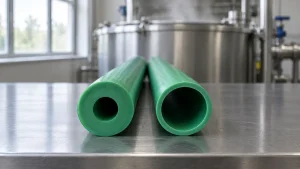
A procurement request for a PP-R pipe vacuum rating can stall even when the pipe has a clear PN designation. The missing evidence is resistance to collapse under external pressure. An internal-pressure rating alone does not settle that question; the reviewer needs the exact pipe, operating duty and installation conditions.
Key takeaways
- PN does not establish a PP-R vacuum rating.
- Define inside and outside pressure on the same basis.
- Use material data for the stated temperature and duration.
- Review wall geometry, ovality and the installed layout.
- Obtain written, product-specific acceptance before procurement.
Keep the purchase decision separate from a generic buckling calculation. The public Aliaxis engineering manual provides a thermoplastic design framework, but it does not establish an IFAN ULTRA PP-R vacuum limit. Use the review sheet below to expose missing inputs before you accept a specification or request a firm quote.
PN pressure ratings do not establish external-pressure resistance
An internal-pressure duty loads the pipe outward. Vacuum duty creates an inward pressure difference, so accepting the PN label as the whole answer skips the collapse review. A purchase order that says only “PP-R, vacuum service” leaves the supplier unable to confirm which load case the buyer expects.
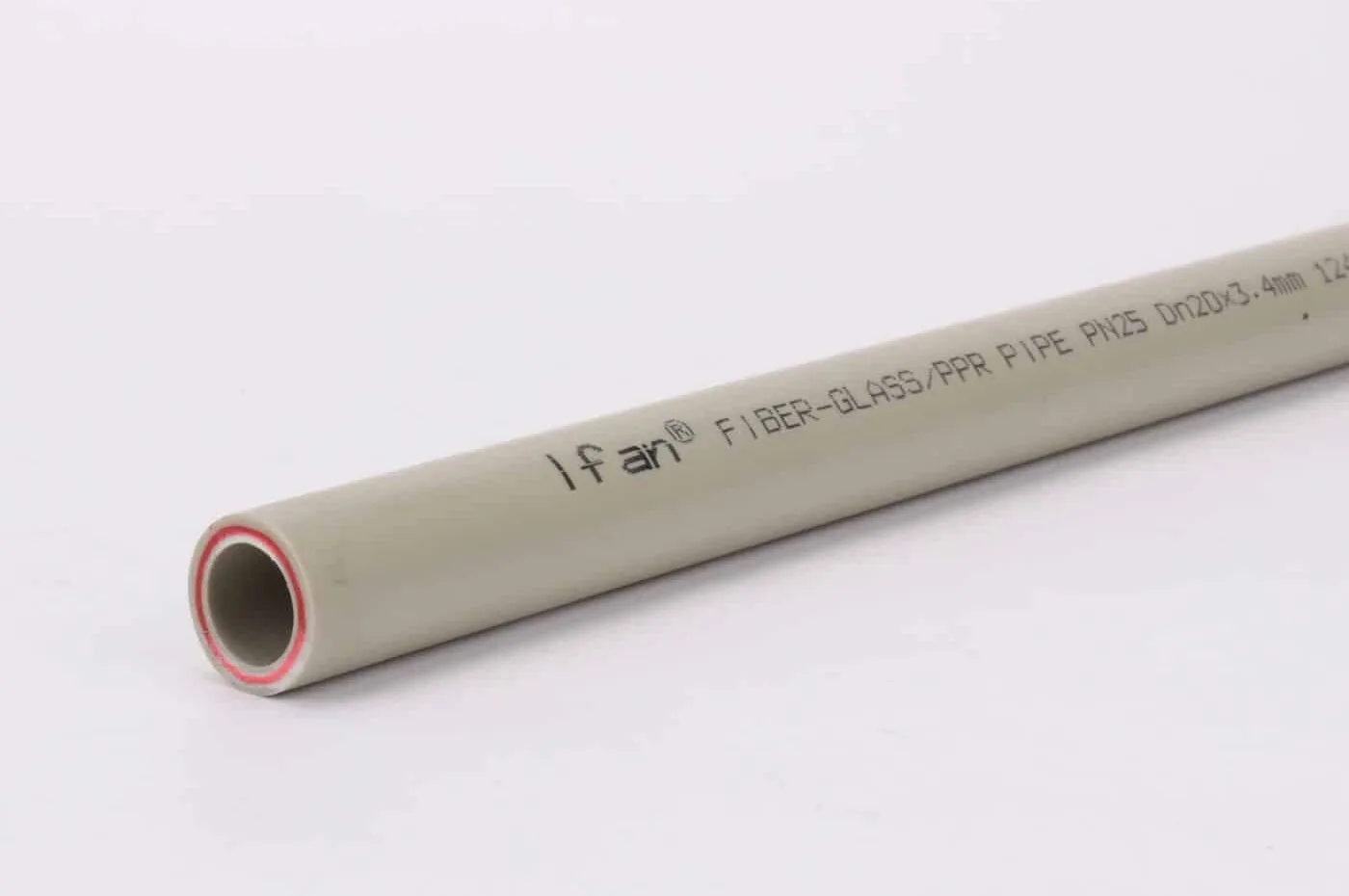
Start with the actual catalog item. The IFAN ULTRA PPR Global Series is a product-selection route, not proof of vacuum suitability. Attach the selected pipe and fitting references to the request. Ask for external-pressure evidence that names those references, rather than a general statement about polypropylene.
A response that repeats an internal-pressure test should remain open for review. It may support the pressure duty it tested, but it leaves the external-pressure question unanswered. Record that distinction in the technical approval sheet so procurement does not treat a catalog selection as engineering acceptance.
For example, a buyer may shortlist a pipe because it fits the existing pressure specification, then add suction duty during equipment selection. Keep the pressure shortlist as a candidate list. The new duty still needs its own approval record, linked to the equipment and line revision that introduced it. This prevents a later change from inheriting an earlier acceptance.
Define the worst pressure differential
Define the pressure outside the pipe and the lowest pressure inside it on a consistent basis. State whether each value is absolute or gauge pressure, and name the operating condition behind it. “Suction line” is a description of use; it is not a complete design load.
Include normal operation, the relevant startup or shutdown condition, and any other low-pressure event the system designer identifies. State how long each condition lasts and whether it repeats. The reviewer should decide which case governs instead of borrowing a value from a different installation.
The Aliaxis Engineering Manual, section 2.7 identifies vacuum suction, submerged piping and buried systems as external-pressure cases. Those cases still need separate descriptions: surrounding water, burial conditions and an atmospheric suction line do not create identical design assumptions. Ask the designer to identify external loads as well as the fluid duty.
Consider two inquiries for the same catalog item: one describes a short suction event in an exposed line; the other describes a line that stays under vacuum while submerged. The product identity may match, but the load history and surrounding pressure do not. Give each case its own duty row and ask whether one review covers both. A combined statement must identify the cases it actually evaluated.
Ask for material and geometry data for the collapse check
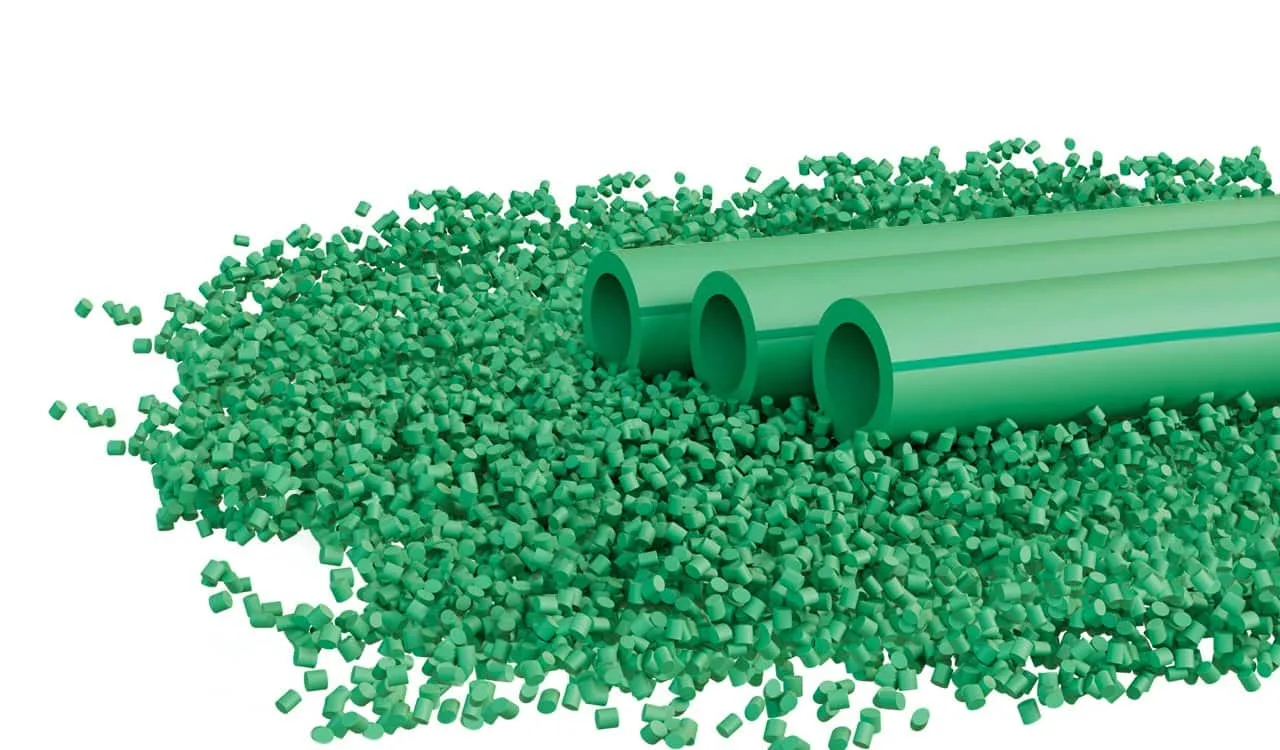
The manual relates critical buckling to creep modulus and pipe geometry. That makes the material designation, outside diameter and wall information part of the acceptance evidence. A nominal size alone cannot describe the wall used in a collapse assessment.
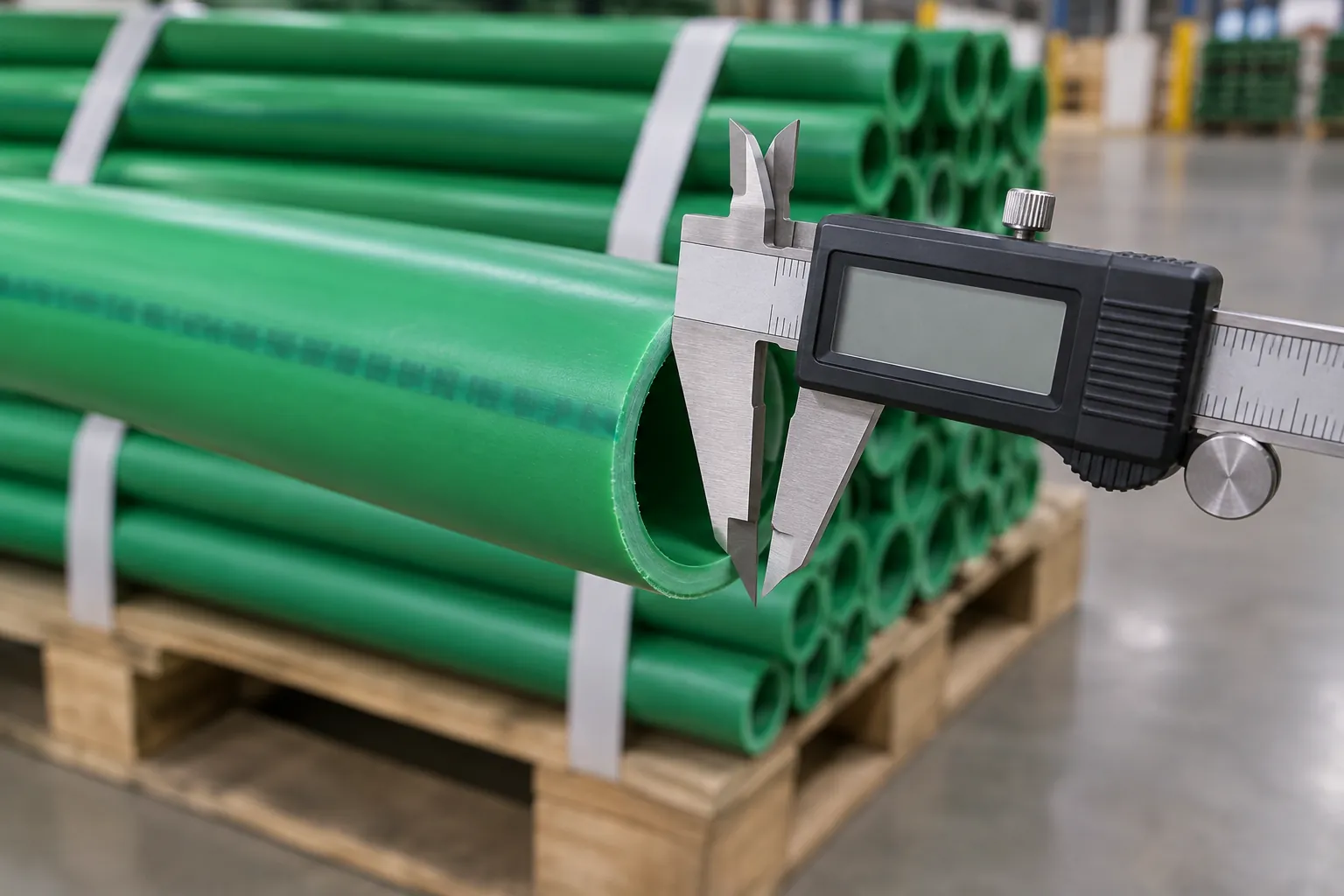
Request the applicable dimensions and tolerances for the selected product. Include the installed layout, unsupported lengths, restraint conditions and joint arrangement for the engineer to assess. Do not assume that an internal-pressure support table also validates an external-pressure case.
Roundness matters at this handoff. The same manual explicitly says its calculation does not account for variations in roundness and eccentricity. A calculated result based on an ideal cylinder cannot silently stand in for the delivered pipe. Ask the reviewer how ovality, wall variation and other geometric imperfections enter the assessment and what inspection evidence supports those inputs.
Separate drawing data from inspection data. The drawing describes the intended geometry; the inspection record describes what the reviewer can rely on for the supplied product. If the review needs a minimum wall or a roundness limit, ask who defines it, how it will be checked and where the acceptance record will live. Do not fill those limits from this general guide.
| Review item | Evidence to attach | What the reviewer must resolve |
|---|---|---|
| Load case | Inside/outside pressure basis and duty history | Which pressure differential and external loads govern |
| Pipe identity | Series, size, wall data and tolerances | Whether the evidence covers the exact item |
| Material condition | Grade and creep data at temperature and duration | Whether the chosen modulus applies |
| Installed geometry | Layout, restraints, ovality and wall variation | How model limits and imperfections enter review |
| Acceptance | Named reviewer, basis and stated restrictions | Whether procurement can release this duty |
Temperature and exposure time change the calculation
Creep modulus is tied to the material and the design condition. Ask for data applicable to the stated temperature and exposure duration; do not substitute a short-term stiffness value merely because it is easy to find on a resin sheet. The manual’s thermoplastic framework does not make one modulus valid for every PP-R grade.
Separate the fluid temperature from the surrounding temperature when the duty requires it, and describe the condition in which vacuum coincides with heat. A room-temperature demonstration would answer a different question from the same pipe under a sustained hotter duty. Avoid merging those cases into a single “tested under vacuum” note.
Ask the engineer to state the data source, assumptions and limitations beside the conclusion. If the available material curves describe another polypropylene type or another manufacturer’s pipe, the reviewer must resolve their applicability. Procurement should carry that gap forward, rather than convert it into a promised rating.
A repeated suction cycle raises a different evidence question from one isolated event. State the expected sequence and duration without choosing a substitute modulus yourself. If the reviewer assesses a simplified governing condition, ask them to explain which part of the duty it represents. The buyer then has a traceable assumption to revisit when the process changes, instead of an undocumented blanket approval.
Turn the vacuum requirement into a supplier approval request

The useful supplier response is a written acceptance or a clearly bounded rejection for the named pipe, duty and layout. It should identify the reviewed inputs, supporting data, calculation or test basis, and any restrictions. A reply that says “suitable” without those boundaries is hard to compare against another offer.
Ask which pipe and fitting specification ranges the supplier can evaluate, and which product-specific reports or verification steps the project requires. Also name the destination market and applicable project specification. Catalog certifications should not be treated as approval for this external-pressure application.
After technical scope is clear, request MOQ by the selected size or series, the quotation basis and the lead time for review, production and delivery separately. Ask whether a special verification requirement changes the sample route, order quantity or schedule. These are inquiry variables, not fixed vacuum-service commercial promises.
If the supplier cannot support the requested duty, return the open items to the system designer before releasing the order. A different product or material may need evaluation. Increasing the catalog pressure class without a fresh review does not close the evidence gap.
Keep the technical review and commercial offer connected by revision. A quote based on one pipe series should not survive a switch to another series without confirmation of the acceptance basis. Likewise, a changed temperature or exposure duration should reopen the affected duty row. Name the change in the request so the supplier can identify the data, verification work or restriction that needs revision.

Conclusion
Prepare the approval request before you fix the order quantity. Keep every unresolved material or load assumption visible, and let the named technical reviewer close it for the selected pipe.
You can then compare quotations on the same accepted scope, including verification work and delivery timing. If an offer covers only the catalog pipe while another includes a review of the proposed external-pressure duty, mark that difference in the comparison sheet; the prices do not yet represent the same accepted application or evidence package.
Frequently Asked Questions
Does PN establish a PP-R pipe vacuum rating?
No. An internal-pressure designation does not establish collapse resistance under external pressure; the selected pipe needs a separate duty-specific review.
Can the Aliaxis equation rate IFAN ULTRA pipe?
Not by itself. Its general thermoplastic framework requires applicable material and geometry inputs, and its stated model omits roundness and eccentricity variations.
What should a vacuum-duty RFQ include?
Include the exact product, inside and outside pressure basis, temperature, exposure duration, relevant duty events and installed layout, then request written acceptance with supporting evidence.
Does a short vacuum demonstration prove long-term suitability?
It does not establish suitability for a different temperature or exposure duration. Ask the reviewer to connect the evidence to the actual duty and identify its limitations.









 English
 Español
 Français
 Português do Brasil