
Introduction to PPR Calculation
PPR (Polypropylene Random) pipe calculation is crucial for selecting the right pipes for various plumbing and heating applications. PPR pipes are known for their durability, corrosion resistance, and suitability for both hot and cold water systems. Understanding how PPR is calculated helps in choosing the appropriate pipe for specific pressure and temperature requirements.
Overview of PPR (Pressure Pipe Rating)
PPR, or Pressure Pipe Rating, indicates the maximum pressure a pipe can safely handle under specific conditions. It’s typically expressed in bar units and is a key factor in determining a pipe’s suitability for different applications.
Importance of PPR in Pipe Selection
Accurate PPR calculation ensures safety, efficiency, and longevity in piping systems. It helps prevent issues like pipe bursts, leaks, and system failures by ensuring the selected pipes can withstand the intended operating conditions.

Key Factors in PPR Calculation
Pressure Rating and Temperature Effects
PPR calculation considers both pressure and temperature. As temperature increases, the pressure rating of PPR pipes typically decreases. For example, a pipe rated for 20 bar at 20°C may have a lower rating at higher temperatures.
Pipe Diameter and Wall Thickness
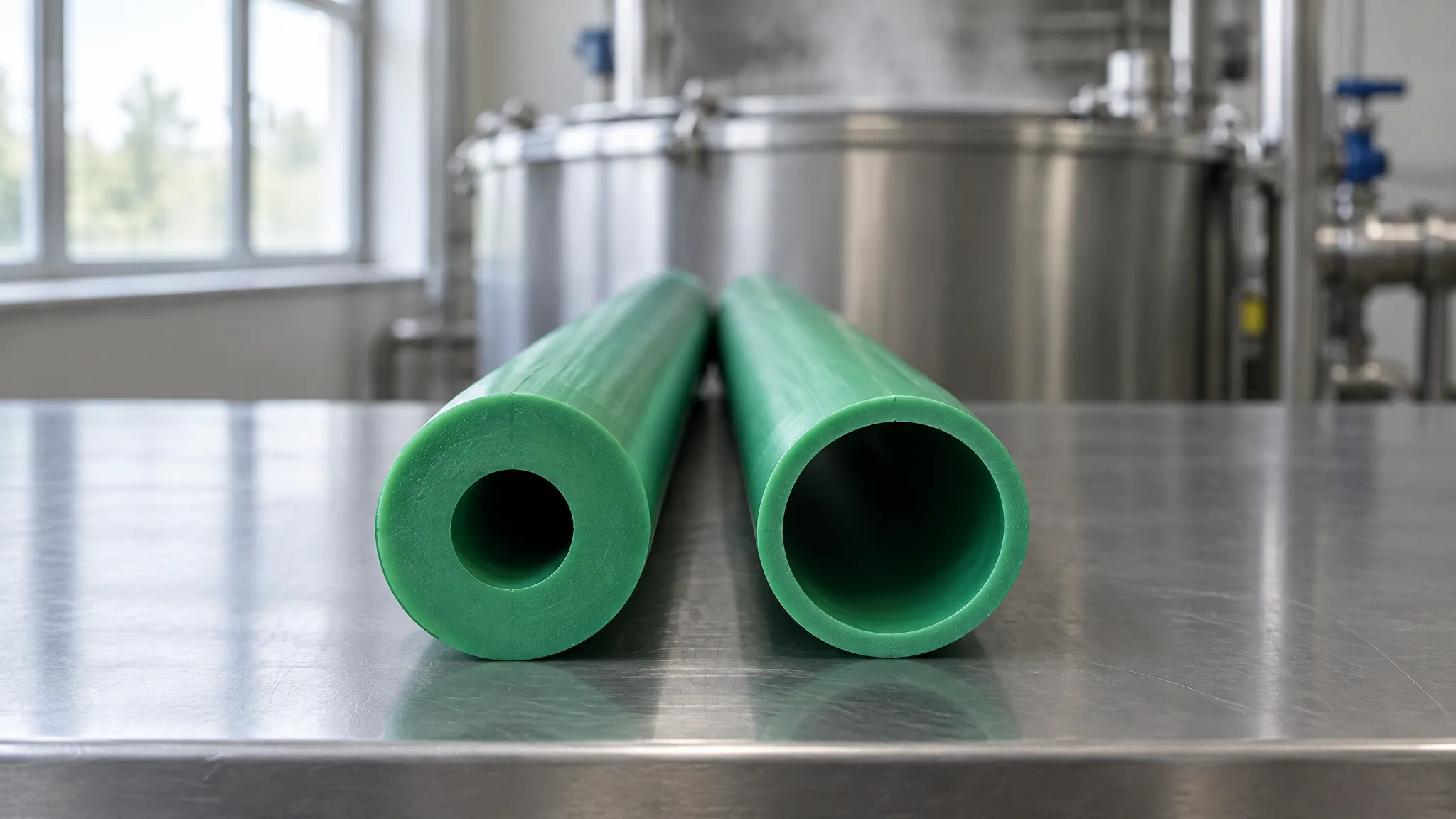
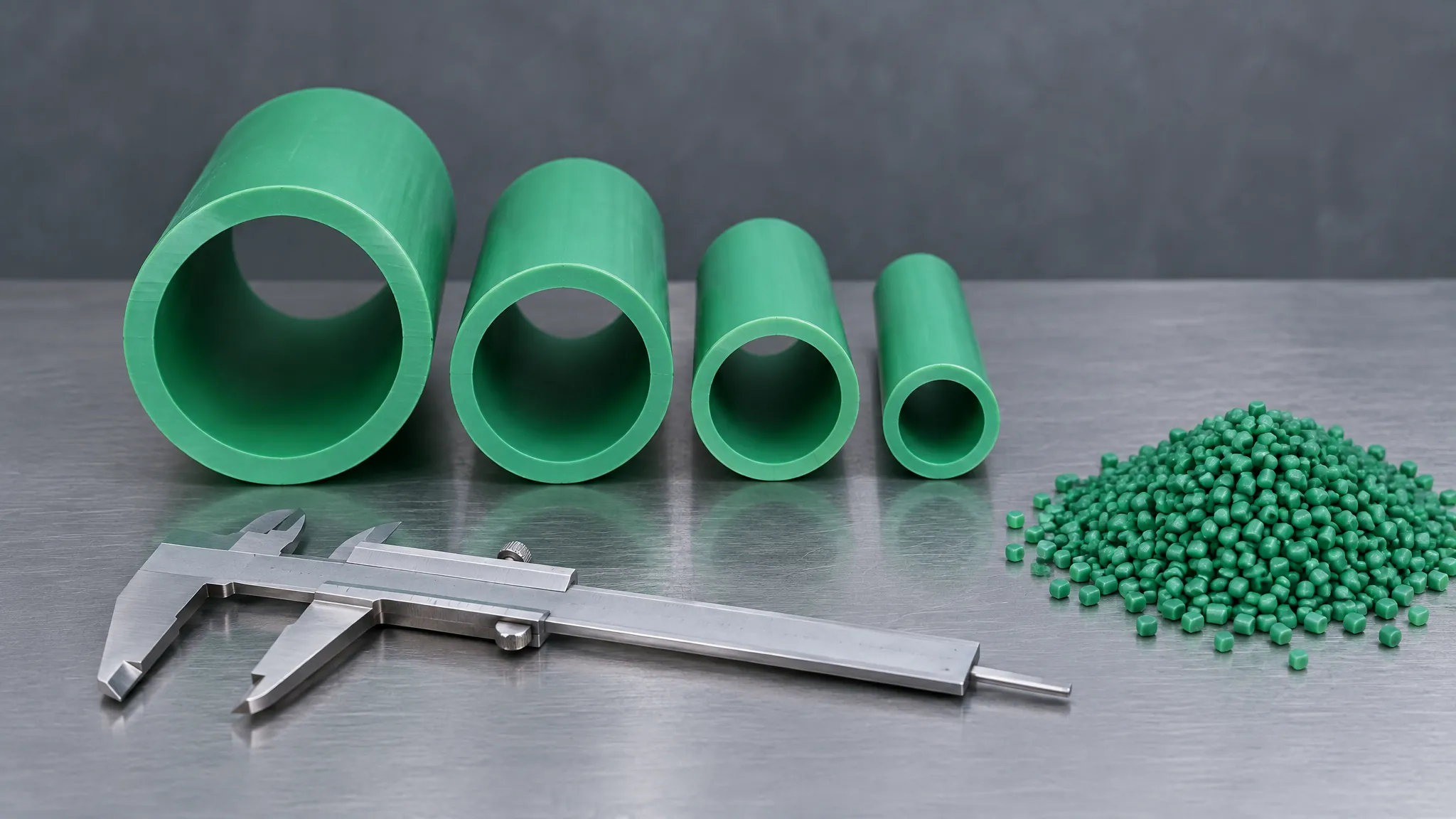
The Standard Dimension Ratio (SDR), which is the ratio of pipe diameter to wall thickness, plays a crucial role in PPR calculation. A lower SDR indicates a thicker wall and higher pressure rating.
Material Standards and Specifications
PPR pipes must comply with international standards like ISO 15874, which specify performance requirements and ensure pipes meet pressure and temperature conditions.
Step-by-Step PPR Calculation Process
Formula for Calculating PPR
The basic formula for PPR calculation is:
PN = (20 * σ) / (C * (SDR – 1))
Where PN is Nominal Pressure, σ is Hoop Stress of PPR, SDR is Standard Dimension Ratio, and C is the Safety Coefficient.
Input Variables and Measurements
To calculate PPR, you need to know the pipe’s SDR, the material’s hoop stress, and the desired safety factor. These values are often provided in the PPR pipe catalogue.

Example of PPR Calculation
For instance, if σ = 5 MPa, SDR = 11, and C = 1.25, the PN would be:
PN = (20 * 5) / (1.25 * (11 – 1)) = 8 bar
Understanding the PPR Pipe Catalogue
Role of the PPR Pipe Catalogue in Selection
The PPR pipe catalogue is an essential tool for selecting the right pipe. It provides detailed information on pipe dimensions, pressure ratings, and temperature capabilities.
How to Use the PPR Pipe Catalogue
When using the catalogue, consider the required pressure rating, operating temperature, and pipe diameter. Cross-reference these with the catalogue specifications to find the most suitable pipe.
Interpreting PPR Ratings in Catalogues
Catalogues often list pipes by their PN rating (e.g., PN10, PN16, PN20). These ratings indicate the maximum pressure at 20°C. For higher temperatures, consult the temperature derating factors provided.
Conclusion
Understanding PPR calculation is crucial for selecting the right pipes for your plumbing or heating system. By considering factors like pressure, temperature, and pipe dimensions, and utilizing the PPR pipe catalogue effectively, you can ensure a safe, efficient, and long-lasting installation. Always consult with professionals or manufacturers when in doubt about PPR calculations or pipe selection.






 English
 Español
 Français
 Português do Brasil