
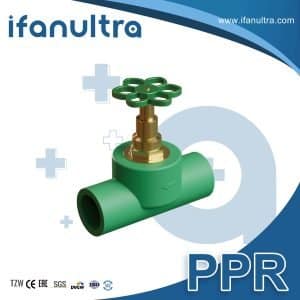
Selecting the right raccords de tuyauterie is essential for ensuring a reliable, leak-free, and efficient plumbing or industrial pipeline system. The right choice depends on material compatibility, size, pressure rating, and connection type.
What Are Pipe Fittings?
Pipe fittings are components used to connect, redirect, or control fluid flow in a piping system. They come in various types, such as:
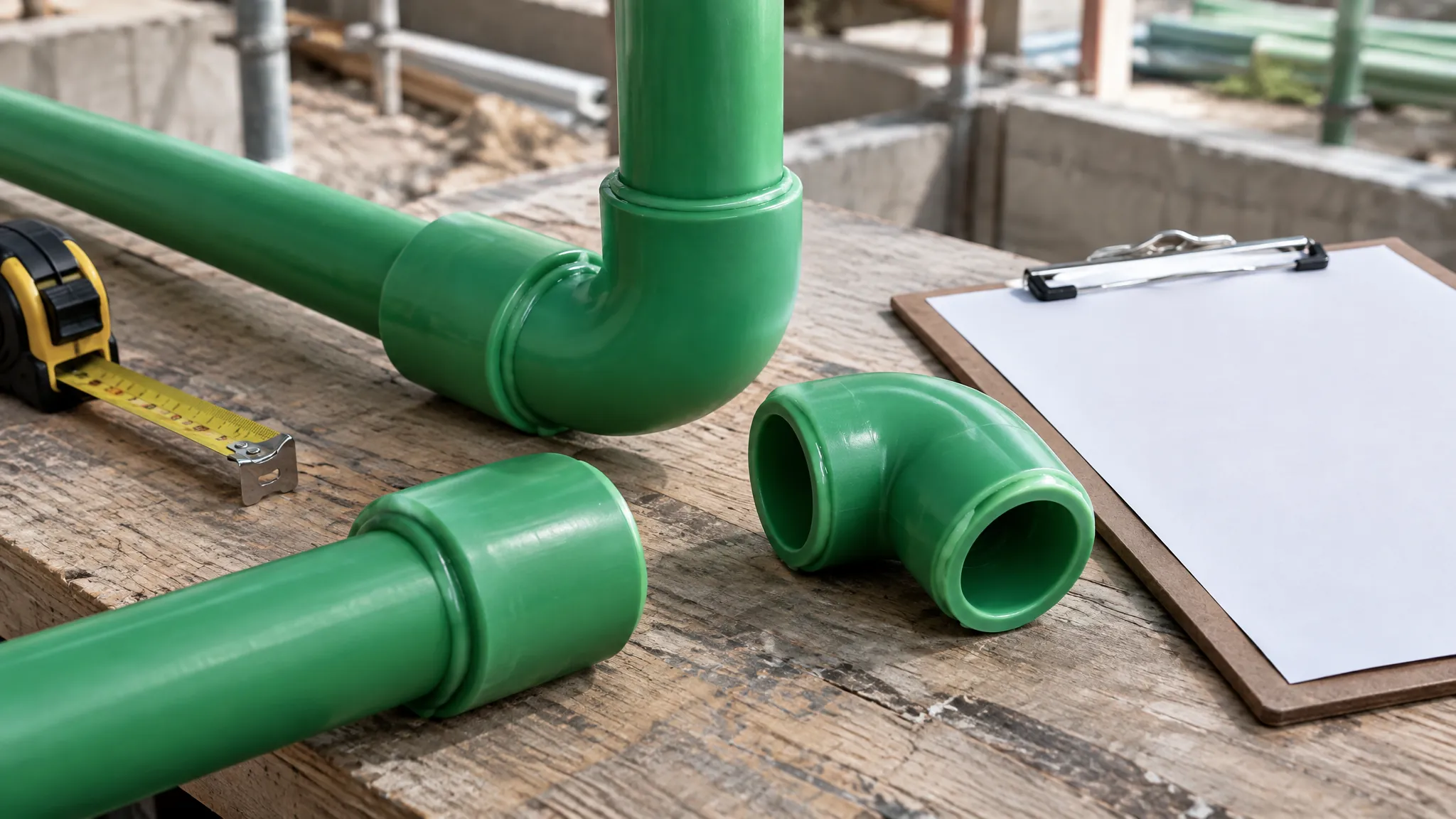
- Elbows – Change the direction of flow
- Tees – Split or combine the flow of fluids
- Reducers – Connect pipes of different diameters
- Couplings – Join two pipes together
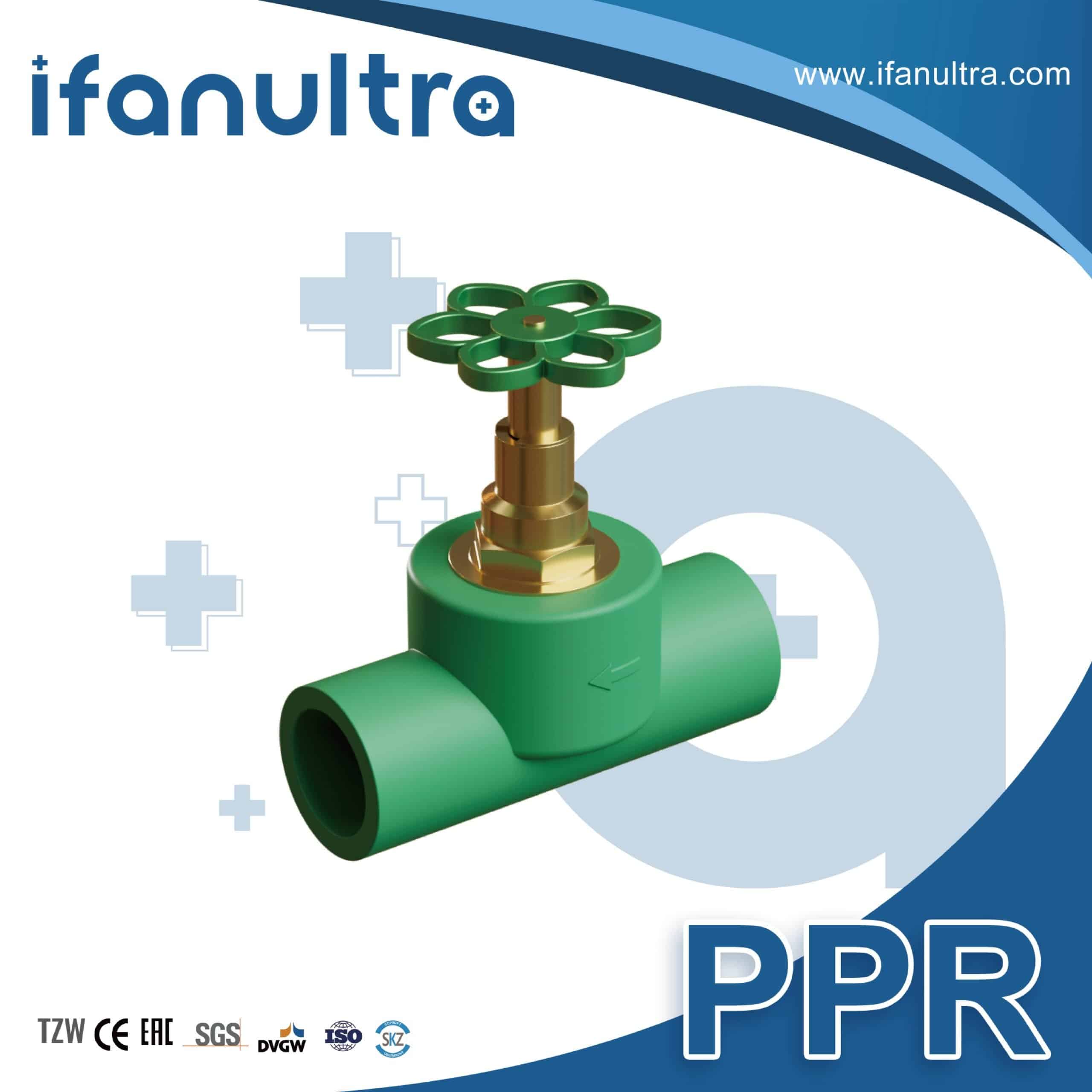
- Valves – Regulate the flow of liquids or gases
Factors to Consider When Choosing Pipe Fittings
1. Sélection des matériaux
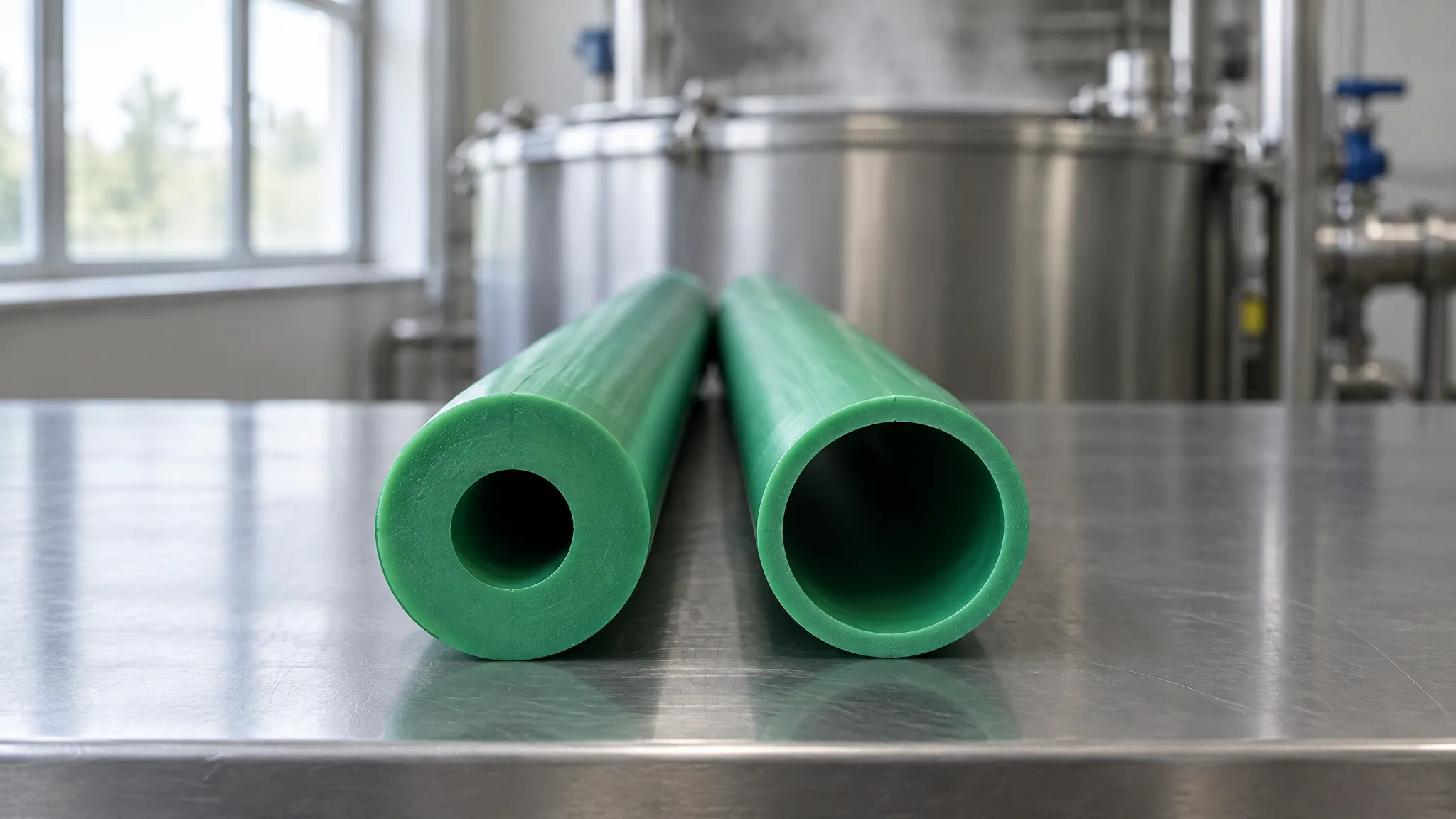
Choosing the right material is crucial for durability and performance. Different applications require different materials, depending on temperature resistance, pressure rating, and chemical compatibility.
| Matériau | Applications courantes | Avantages |
|---|---|---|
| PVC (chlorure de polyvinyle) | Water supply, irrigation, drainage | Lightweight, corrosion-resistant, cost-effective |
| CPVC (Chlorinated PVC) | Hot and cold water, chemical transport | Handles higher temperatures than PVC |
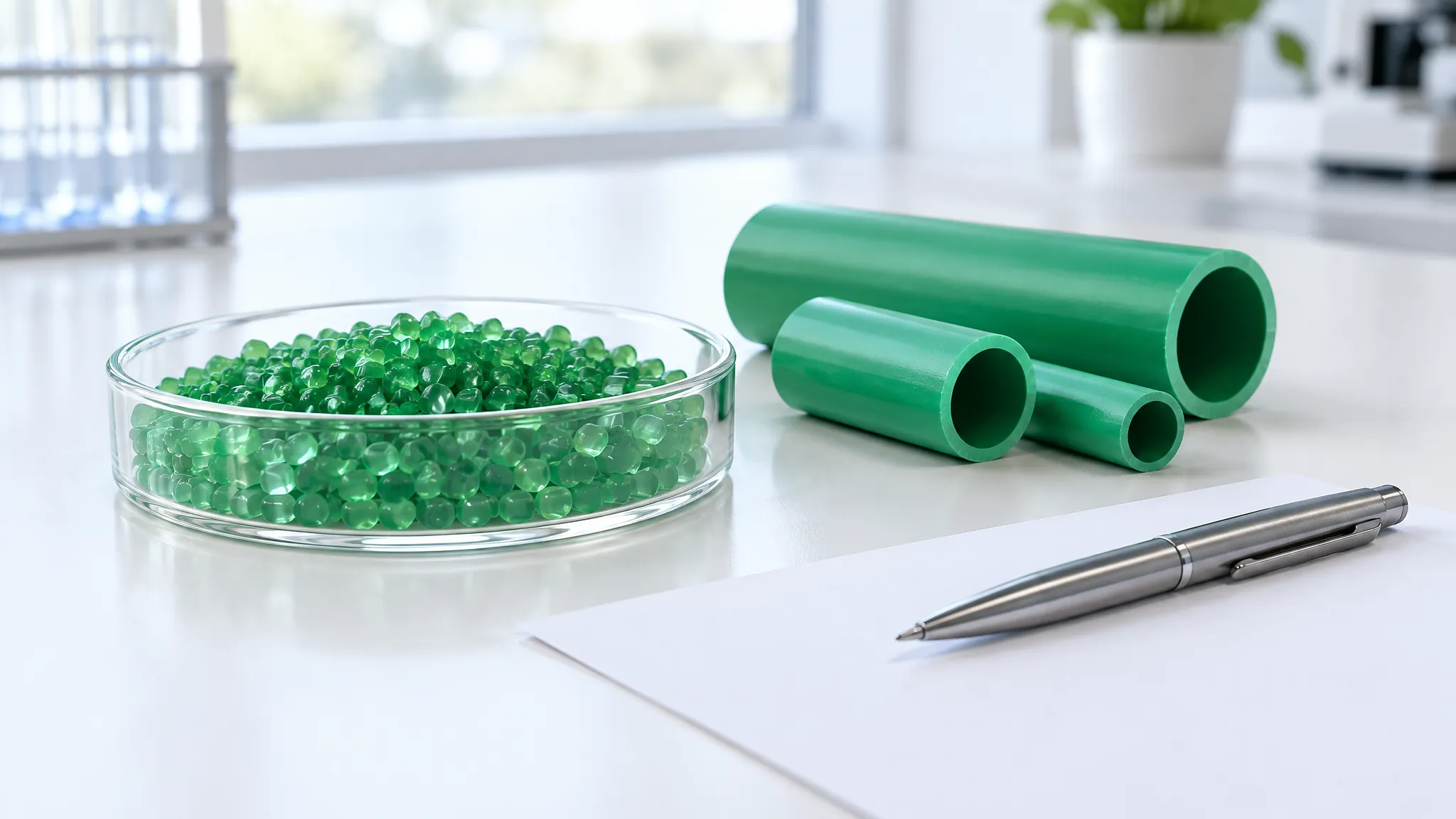
| PPR (Polypropylene Random Copolymer) | Hot/cold water, heating, industrial applications | Durable, heat-resistant, eco-friendly |
| Copper | Potable water, HVAC, refrigeration | Corrosion-resistant, long lifespan, heat-conductive |
| Brass | Gas lines, potable water, industrial settings | Corrosion-resistant, strong, good for high pressure |
| Stainless Steel | Industrial pipelines, chemical transport | High durability, corrosion-resistant |
2. Pipe Size and Dimensions
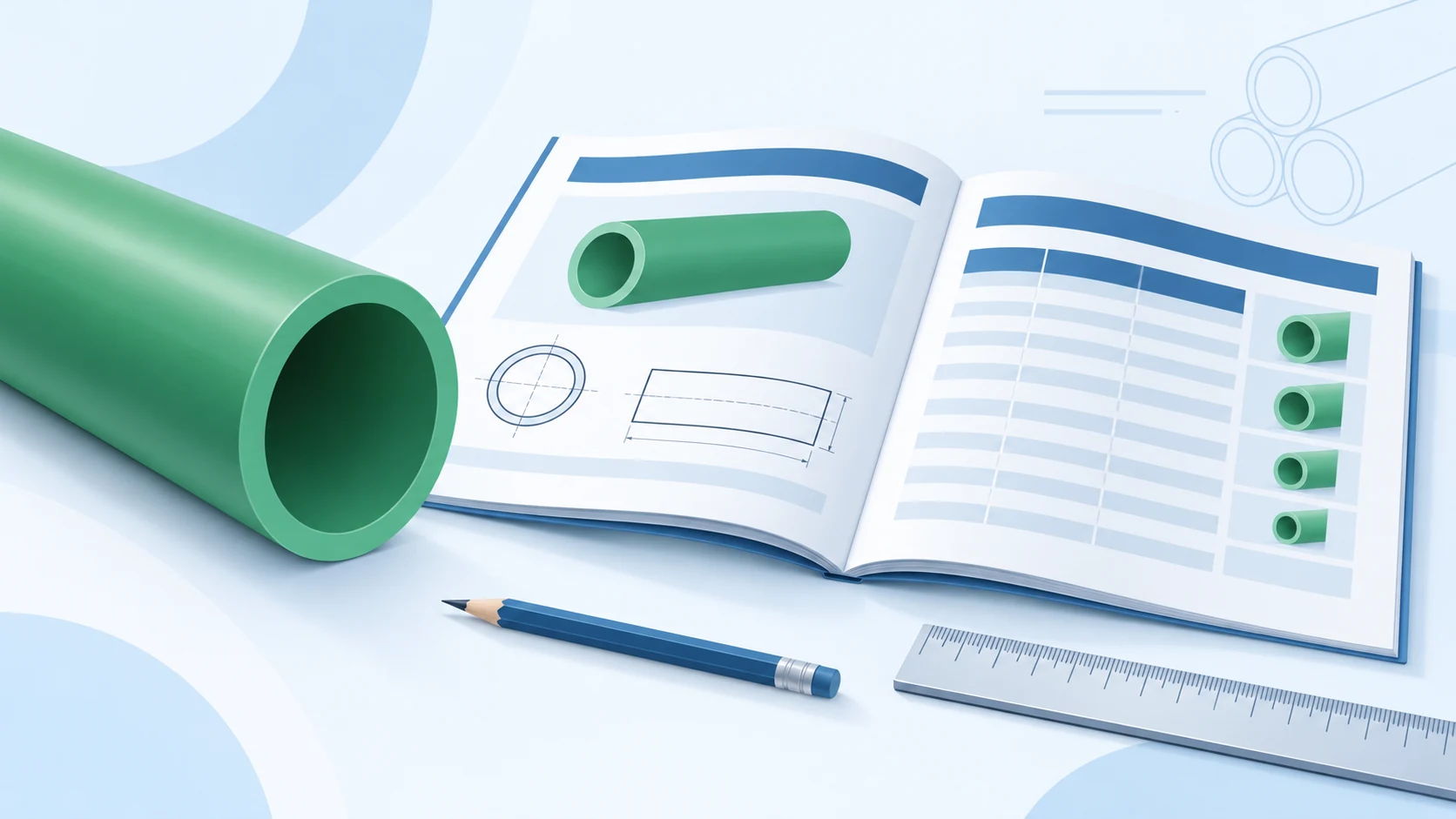
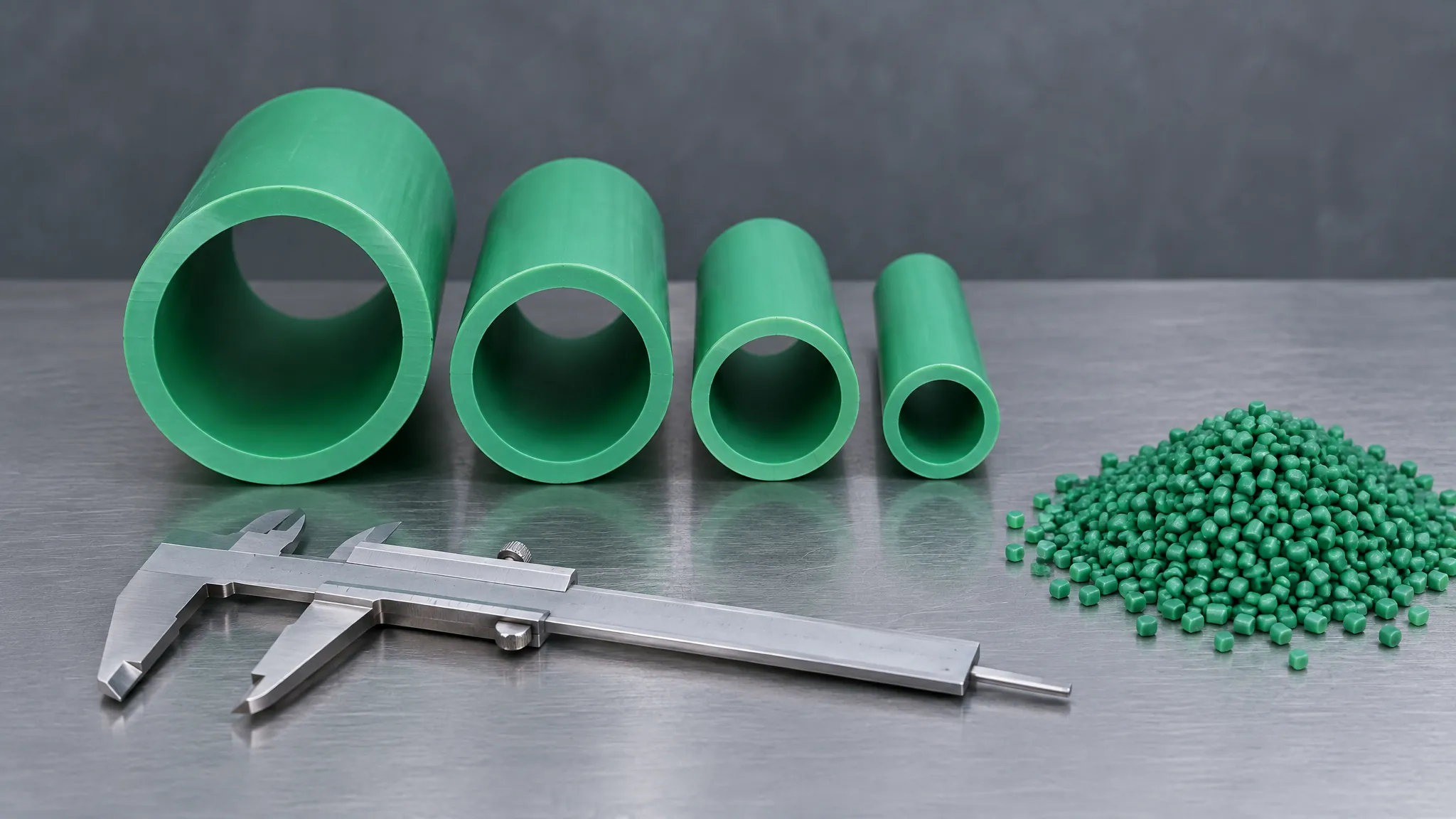
Pipe fittings must match the diameter and thickness of the pipes being connected. Understanding the following size terms is essential:
- Nominal Pipe Size (NPS) – Standard measurement for pipes and fittings
- Inside Diameter (ID) – Affects flow capacity
- Outside Diameter (OD) – Determines fitting compatibility
- Wall Thickness (Schedule) – Influences pressure resistance

3. Type de connexion
Different fittings use different connection methods. The right type depends on the pipe material, installation ease, and long-term reliability.
| Type de connexion | Description | Meilleur pour |
|---|---|---|
| Fileté | Screwed connections for quick assembly | Metal pipes (brass, stainless steel) |
| Welded | Permanent, strong connection using welding | Industrial applications, high-pressure lines |
| Push-Fit | Tool-free installation, easy to use | PEX and copper pipes in plumbing |
| Compression | Uses a nut and ring for a tight seal | Copper pipes, gas lines |
| Solvent Cement | Chemically fuses plastic pipes | PVC, CPVC, and PPR pipes |
| Flanged | Bolted connections for easy disassembly | Large-diameter pipes, industrial systems |
4. Pressure and Temperature Ratings
Each fitting is designed to handle specific pressure and temperature conditions. Choosing the wrong one can result in leaks, cracks, or even system failure.
- Residential plumbing – Operates under 80-100 psi
- Industrial applications – Require fittings rated for 300+ psi
- High-temperature systems – Need heat-resistant materials like copper, PPR, or stainless steel
5. Flow Efficiency
Pipe fittings can impact water pressure and flow rate. Poorly chosen fittings may cause:
- Increased friction – Leads to pressure loss
- Flow restrictions – Reduce efficiency
- Unnecessary turbulence – Causes wear and noise
To optimise water flow, always:
✅ Use larger-diameter fittings when necessary
✅ Minimise sharp angles to reduce pressure drops
✅ Choose smooth-walled materials to lower friction

Best Practices for Installing Pipe Fittings
✅ Choose High-Quality Fittings
Select certified fittings that meet industry standards like NSF, ASTM, ISO, and UPC to ensure reliability and safety.
✅ Ensure Proper Sealing
- For threaded fittings, use Teflon tape or pipe sealant
- For PVC fittings, apply solvent cement
- For compression fittings, ensure proper tightening without over-torquing
✅ Pressure Test After Installation
Always conduct a leak test under full operating pressure before completing the installation.
Why Choosing the Right Pipe Fittings Matters
Selecting the right pipe fittings ensures:
✔ Leak-free performance
✔ Longer system lifespan
✔ Better water pressure and flow
✔ Lower maintenance costs
If you’re looking for high-quality raccords de tuyauterie for plumbing or industrial use, consider reliable options that meet your specific project needs.


 English
 Español
 Français
 Português do Brasil