
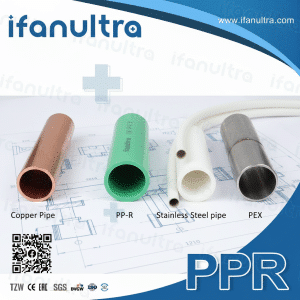
A client once complained about a strange metallic taste in their morning coffee. After much investigation, we traced the problem back to their newly installed copper pipes. This real experience taught me how deeply pipe materials affect the water we consume.
Pipe material choice directly impacts water quality and taste because different materials can leach various compounds into the water, provide surfaces for bacteria to grow, and alter the water’s chemical stability. Materials like PP-R and stainless steel preserve water purity effectively, while others like unlined copper or low-quality plastics can introduce unwanted tastes, odors, or contaminants.
Understanding these differences is crucial for anyone responsible for drinking water systems. Let’s examine exactly how your pipe choice affects what comes out of the tap.
How Do Different Materials Leach Compounds That Affect Taste or Odor?
I’ve tasted water from systems using different pipes. The difference is noticeable, and the science explains why.
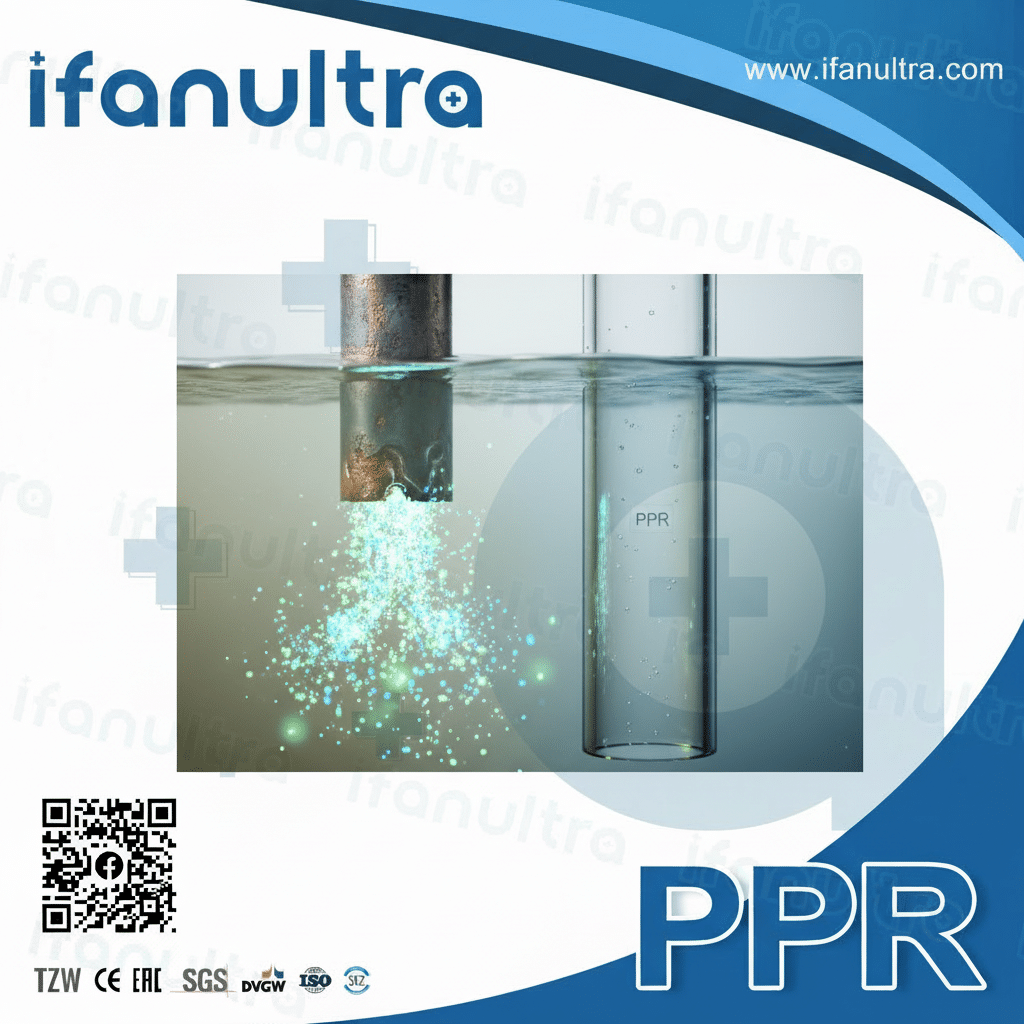
Different pipe materials leach compounds based on their chemical composition and stability. Metal pipes can release ions like copper, iron, or lead into water. Plastic pipes may leach residual monomers, stabilizers, or antioxidants. These compounds reach the water through direct contact, and factors like water temperature, pH, and stagnation time all influence how much leaching occurs.
Understanding the Leaching Mechanism
Leaching happens when water dissolves or extracts substances from the pipe material. Think of it like tea brewing. Hot water pulls compounds from tea leaves into the water. Similarly, water pulls compounds from pipe walls into your drinking supply.
Several factors control this process:
Water Chemistry: Acidic water (low pH) aggressively attacks metal pipes. Soft water also tends to be more corrosive than hard water. For plastic pipes, chlorine in treated water can slowly break down certain materials over time.
Temperature: Hot water speeds up chemical reactions. Therefore, pipes carrying hot water typically show higher leaching rates than those carrying cold water. This explains why hot water from old metal pipes often tastes more metallic than cold water.
Contact Time: Water that sits stagnant in pipes overnight has more time to absorb compounds. This is why many people notice a strange taste in their first morning glass of water.
Common Materials and Their Leaching Profiles
| Pipe Material | Compounds That May Leach | Effect on Taste/Odor |
|---|---|---|
| Copper | Copper ions | Metallic, bitter taste; blue-green staining |
| Galvanized Steel | Zinc, iron, lead (if present) | Metallic taste; rusty color |
| PVC | Vinyl chloride monomer, tin stabilizers | Plastic-like taste in new systems |
| PP-R | Virtually none when properly manufactured | No noticeable taste or odor |
| PEX | Antioxidants, degradation byproducts | Chemical taste in early use, usually temporary |
The IFAN Approach to Material Purity
At IFAN, we use only virgin polypropylene random copolymer for our pipes. We avoid recycled materials that might contain unknown contaminants. Our production process strictly controls temperature and pressure to prevent material degradation. The result is a pipe that adds nothing to the water it carries.
What Certifications Ensure Materials Do Not Contaminate Drinking Water?
Certifications matter because they represent independent verification. I always tell clients to look for these marks before buying.
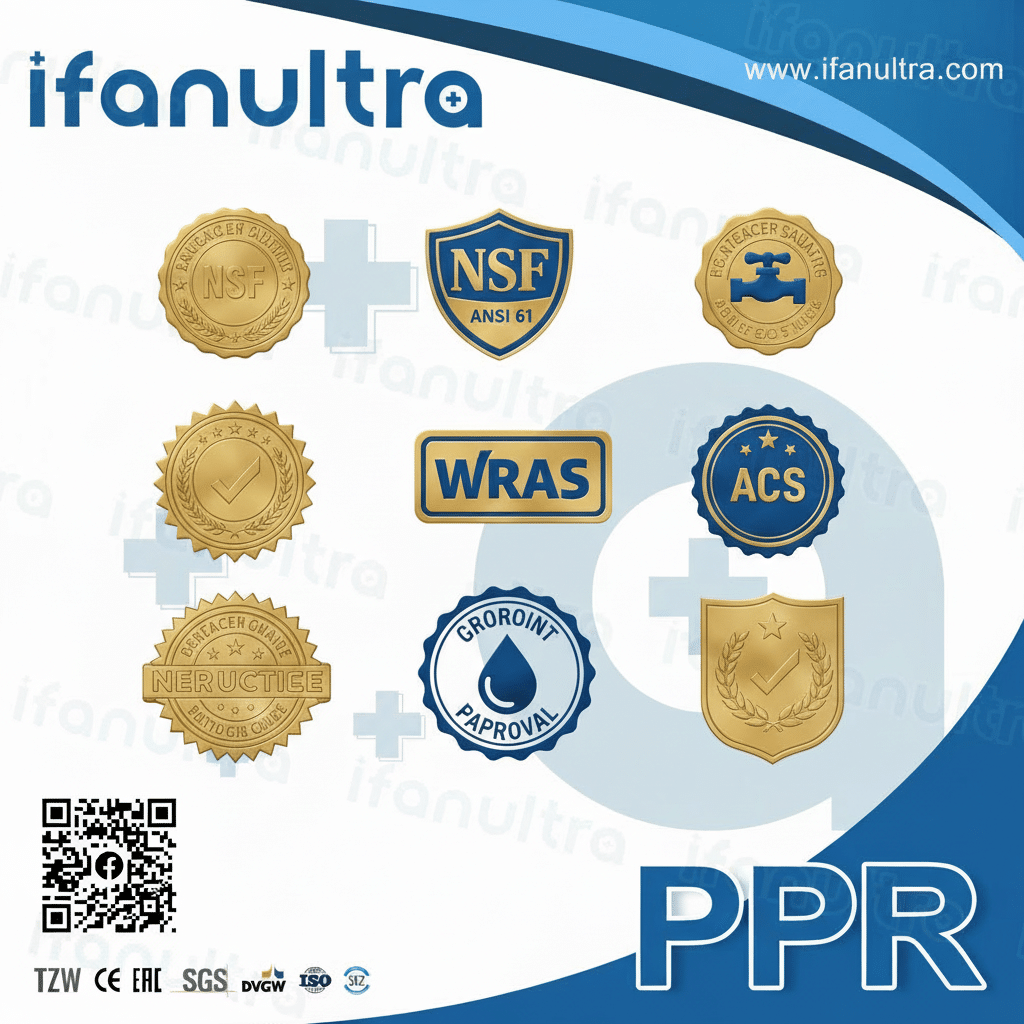
Several key certifications verify that pipe materials are safe for drinking water. These include NSF/ANSI 61 in North America, WRAS in the UK, KIWA in the Netherlands, and ACS in France. These standards test for leaching of harmful chemicals and metals, ensuring products meet strict safety thresholds for potable water contact.
Understanding What Certifications Actually Test
Certifications are not just marketing stickers. They involve rigorous testing procedures that simulate real-world conditions.
Extraction Testing: Labs expose pipe samples to water under controlled conditions. They test the water after specific contact times to measure what compounds have leached out. The tests use both fresh water and water treated with common disinfectants like chlorine.
Biological Testing: Some certifications also check whether pipe materials support bacterial growth. They expose pipe surfaces to bacteria cultures and measure how much biofilm develops.
Long-Term Performance: Many standards require testing over extended periods. They want to ensure materials don’t degrade and start leaching after years of service.
Key Drinking Water Certifications Worldwide
| Certification | Region | What It Covers |
|---|---|---|
| NSF/ANSI 61 | USA, Canada | Leaching of contaminants into drinking water |
| WRAS | United Kingdom | Materials that contact public water supplies |
| KIWA | Netherlands | Drinking water system components |
| ACS | France | Health safety for materials in contact with water |
| DVGW | Germany | Gas and water installation products |
Why Certification Matters for Your Project
Using certified pipes protects you legally and practically. In many countries, building codes require certified materials for potable water systems. Insurance companies may deny claims if uncertified pipes caused water damage or health issues.
For international buyers like our clients in Russia, Southeast Asia, and the Middle East, certifications provide confidence. They know the product meets recognized standards, even if their local regulations differ.
How Does Material Surface Roughness Influence Biofilm Growth Potential?
This is something many people overlook. I’ve seen perfectly good water turn bad because bacteria found a home inside the pipes.
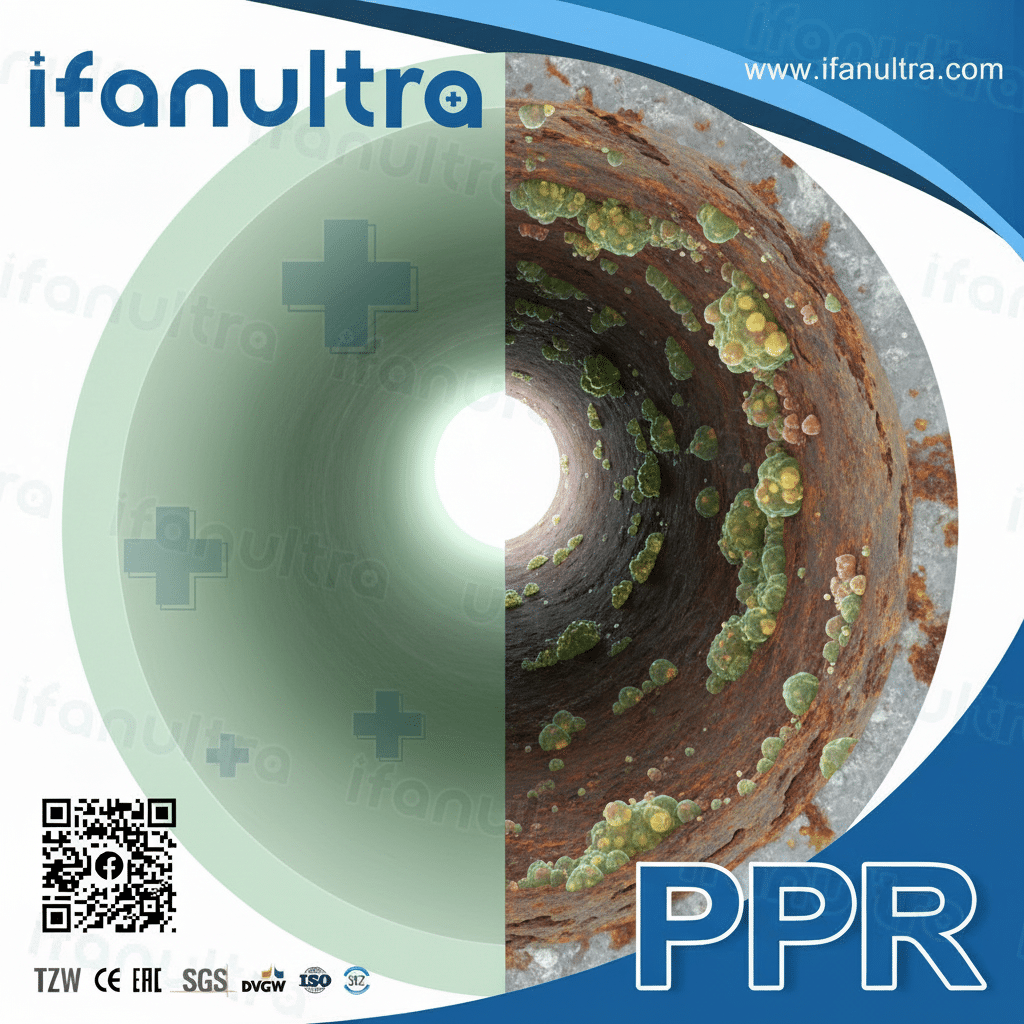
Material surface roughness directly affects biofilm growth because bacteria need places to attach and establish colonies. Rougher surfaces provide more surface area and protect bacteria from shear forces of flowing water. Smoother surfaces, like those of PP-R pipes, give bacteria fewer places to hold on, significantly reducing biofilm development potential.
The Science of Biofilm Formation
Biofilm is not just dirt. It is a complex community of microorganisms that attach to surfaces and produce a protective slime layer. This layer shields them from disinfectants and allows them to multiply.
The process follows predictable steps:
1. Conditioning: Organic molecules from water first attach to the pipe surface. This creates a nutrient layer that bacteria can recognize.
2. Attachment: Individual bacteria land on the surface. If the surface is rough, they find crevices that protect them from water flow. On smooth surfaces, they struggle to hold on.
3. Colonization: Attached bacteria begin multiplying and producing extracellular polymeric substances (EPS). This is the slime layer that characterizes mature biofilm.
4. Detachment: Pieces of biofilm break off and travel through the water system. These fragments can carry bacteria to taps and fixtures.
Surface Roughness Values by Material Type
| Pipe Material | Typical Roughness (micrometers) | Biofilm Potential |
|---|---|---|
| PP-R | 0.1 – 0.5 | Very low – smooth surface prevents attachment |
| Copper (new) | 0.5 – 1.5 | Low – smooth but can corrode over time |
| Copper (corroded) | 5.0 – 20.0 | High – pits provide bacteria shelter |
| Galvanized Steel | 10.0 – 30.0 | Very high – rough surface and corrosion |
| PVC | 0.2 – 0.8 | Low – smooth surface similar to PP-R |
Practical Implications for Water Quality
Biofilm matters for several reasons:
Health Risks: Some biofilm bacteria can cause illness, especially in vulnerable populations. Legionella bacteria, which cause Legionnaires’ disease, thrive in biofilm.
Taste and Odor: Biofilm bacteria produce metabolic byproducts. These compounds can give water a musty or earthy taste.
Disinfectant Demand: Biofilm consumes chlorine and other disinfectants. This leaves less disinfectant available to kill bacteria in the water column.
The smooth inner surface of PP-R pipes directly addresses this problem. Bacteria simply cannot establish a foothold as easily as they can on rougher materials.
Which Materials Are Preferred for Preserving Water Purity in Sensitive Applications?
Hospitals, laboratories, and food processing facilities cannot compromise on water quality. Their material choices teach us valuable lessons.
For sensitive applications like hospitals, laboratories, and pharmaceutical facilities, preferred materials include high-purity PP-R, stainless steel, and specially formulated PVDF. These materials offer exceptional chemical resistance, ultra-smooth surfaces, and minimal leaching potential. They maintain water purity even under demanding conditions like hot water recirculation and aggressive disinfection.
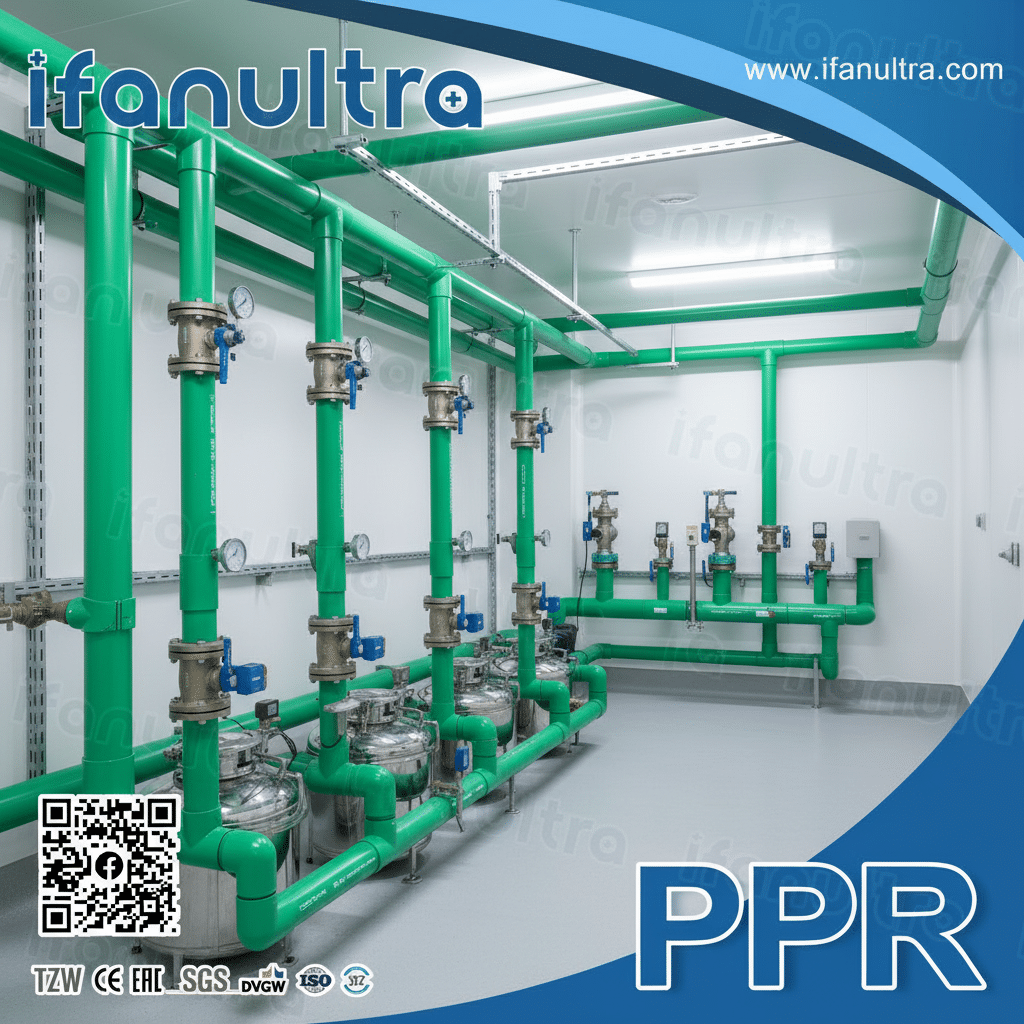
Requirements for Sensitive Applications
Different settings have different water quality needs. Understanding these helps explain material preferences.
Healthcare Facilities: Hospitals need water free from bacteria like Legionella and Pseudomonas. They often use hot water recirculation systems that maintain temperatures above 55°C to prevent bacterial growth. Materials must withstand these temperatures without degrading.
Laboratories: Research labs need ultra-pure water for experiments. Even trace contaminants can ruin sensitive tests. Pipes must leach absolutely nothing into the water.
Food and Beverage: Processing plants cannot introduce any taste or odor to products. Water used in food production must be completely neutral.
Material Comparison for Sensitive Applications
| Matériau | Leaching Resistance | Temperature Capability | Smoothness | Cost Level |
|---|---|---|---|---|
| PP-R | Excellent | Good (up to 70°C continuous) | Excellent | Moderate |
| Stainless Steel | Excellent | Excellent | Bon | Haut |
| PVDF | Excellent | Excellent | Excellent | Very High |
| Copper | Bon | Bon | Bon | Moderate |
| PVC | Bon | Poor | Excellent | Faible |
Why PP-R Excels in Many Sensitive Applications
PP-R has become a preferred choice for many sensitive installations because it balances performance with practicality.
No Corrosion Worries: Unlike stainless steel, PP-R never corrodes. This eliminates the risk of metal ions entering the water.
Excellent Heat Resistance: Modern PP-R compounds handle continuous hot water temperatures up to 70°C. This makes them suitable for hospital hot water systems.
Chemical Compatibility: PP-R resists a wide range of chemicals. This matters when facilities use aggressive cleaning or disinfection agents.
Installation Advantages: The fusion welding process creates monolithic systems with no hidden crevices where bacteria might hide. Traditional threaded or clamped systems always have potential contamination points.
A Real-World Example
We recently supplied PP-R for a pharmaceutical laboratory in Eastern Europe. They needed a system that would maintain water purity for sensitive analytical work. After reviewing all options, they chose PP-R over stainless steel for several reasons:
- Lower initial cost
- Faster installation with fusion welding
- No risk of metal ion leaching
- Excellent chemical resistance to their cleaning protocols
The system has now operated for three years with no water quality issues.
Conclusion
Pipe material fundamentally shapes water quality through leaching, biofilm potential, and chemical stability. For projects requiring uncompromising water purity, IFAN’s certified PP-R pipes provide the ideal combination of safety, durability, and performance.









 English
 Español
 Français
 Português do Brasil