
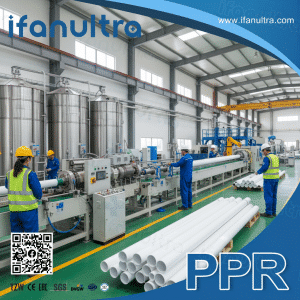
I once watched a promising project fall apart because a supplier blamed their sub-contractor for a quality failure. That experience taught me a hard lesson about the risks of working with companies that don’t control their own production.
Vertical integration is important for a pipe supplier because it gives them complete control over every stage of manufacturing, from raw material selection to final packaging. This control directly translates to consistent product quality, reliable supply chains, faster response times for custom orders, and greater accountability when problems arise. Engineering and procurement teams value these factors above all else.
Let’s explore why this matters for your next piping project.
How Does Owning the Production Process Ensure Consistent Quality and Traceability?
I’ve seen too many projects fail because a supplier couldn’t tell me where their materials came from. That lack of transparency always signals risk.
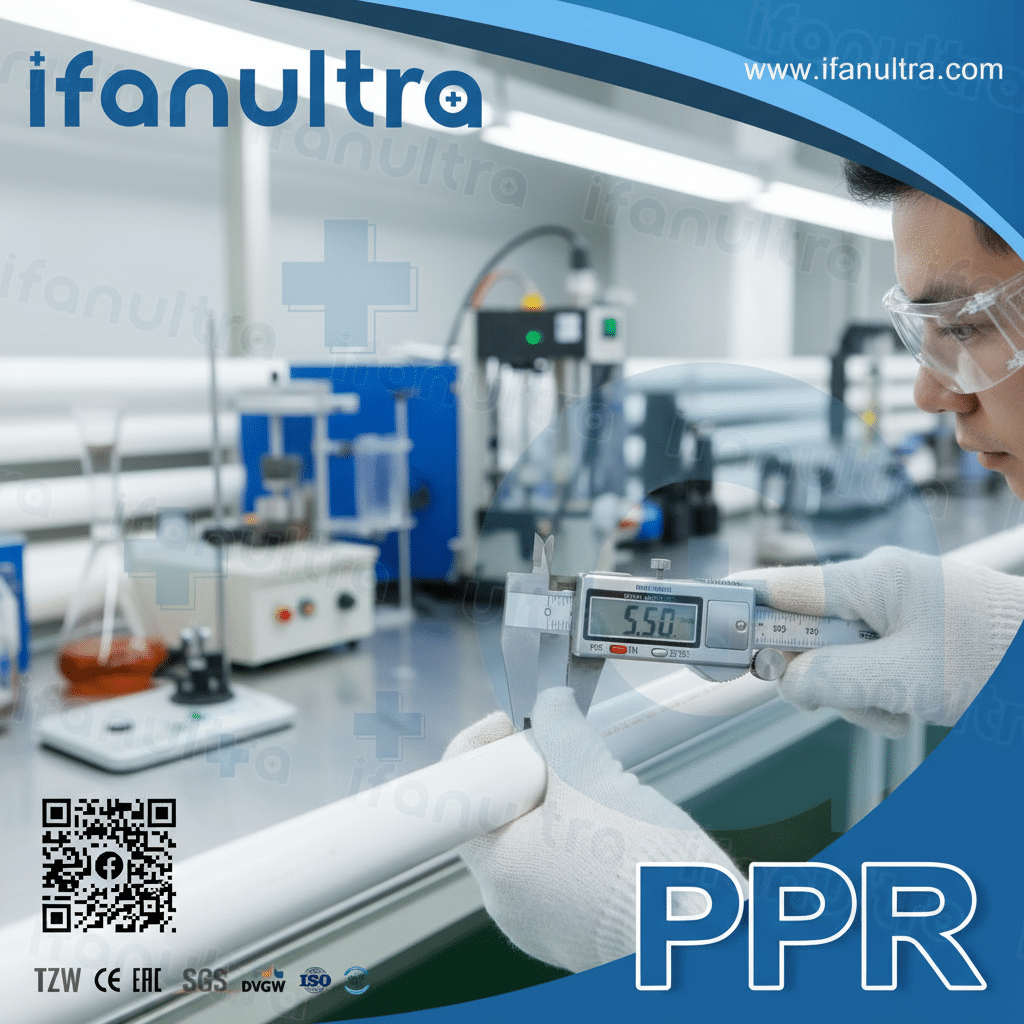
Owning the production process ensures consistent quality because the supplier controls raw material sourcing, monitors every manufacturing step, and maintains strict in-house testing protocols. This ownership also enables full traceability. If a defect appears, they can trace it back to the exact batch, machine, and operator, allowing for quick corrective action.
The Problem with Outsourced Manufacturing
Many pipe suppliers don’t make their own products. Instead, they buy from multiple factories and resell under their own brand. Consequently, this model creates several risks.
First, quality varies between factories. One facility might use premium raw materials while another cuts costs with recycled content. As the buyer, you never know which factory produced your specific batch.
Second, communication becomes complicated. When defects appear, the supplier blames the factory. The factory then blames the raw material supplier. As a result, you get stuck in the middle with no clear accountability.
Third, inspection becomes superficial. A supplier visiting a factory sees what the factory wants them to see. They simply cannot monitor daily operations or spot hidden issues.
How Vertical Integration Solves These Problems
A vertically integrated supplier like IFAN owns the entire production chain. This structure changes everything.
Raw Material Control: We select and test all incoming materials ourselves. No compromises. If a material doesn’t meet our specifications, we reject it before it enters production.
Process Monitoring: Our quality team works on the factory floor every day. We don’t rely on third-party reports or occasional visits. Instead, we see every issue as it happens and fix it immediately.
Full Traceability: Every pipe carries batch codes that tell us:
- The exact production date and shift
- The specific machine that made it
- The operator responsible
- The raw material batch used
For example, when a client in Russia recently reported a minor dimensional issue, we traced it back to a specific machine within hours. We identified the problem, corrected the calibration, and replaced the affected batch—all within one week. That speed is simply impossible without ownership.
Traceability Benefits at a Glance
| Traceability Level | What It Provides | Risk Level Without It |
|---|---|---|
| Raw Material | Knows origin and quality of base materials | Unknown contaminants, inconsistent performance |
| Production Batch | Links finished pipes to specific production runs | Cannot identify root cause of failures |
| Machine/Operator | Pinpoints exact source of defects | Blame shifting, repeated errors |
| Testing Records | Verifies performance at every stage | Relies on final inspection only |
For procurement managers, this transparency means peace of mind. You know exactly what you’re getting and who stands behind it.
What Cost Advantages and Supply Security Does Vertical Integration Provide?
Cost matters, but only if the supply remains reliable. I’ve watched buyers chase the lowest price only to face production stoppages when shipments failed.
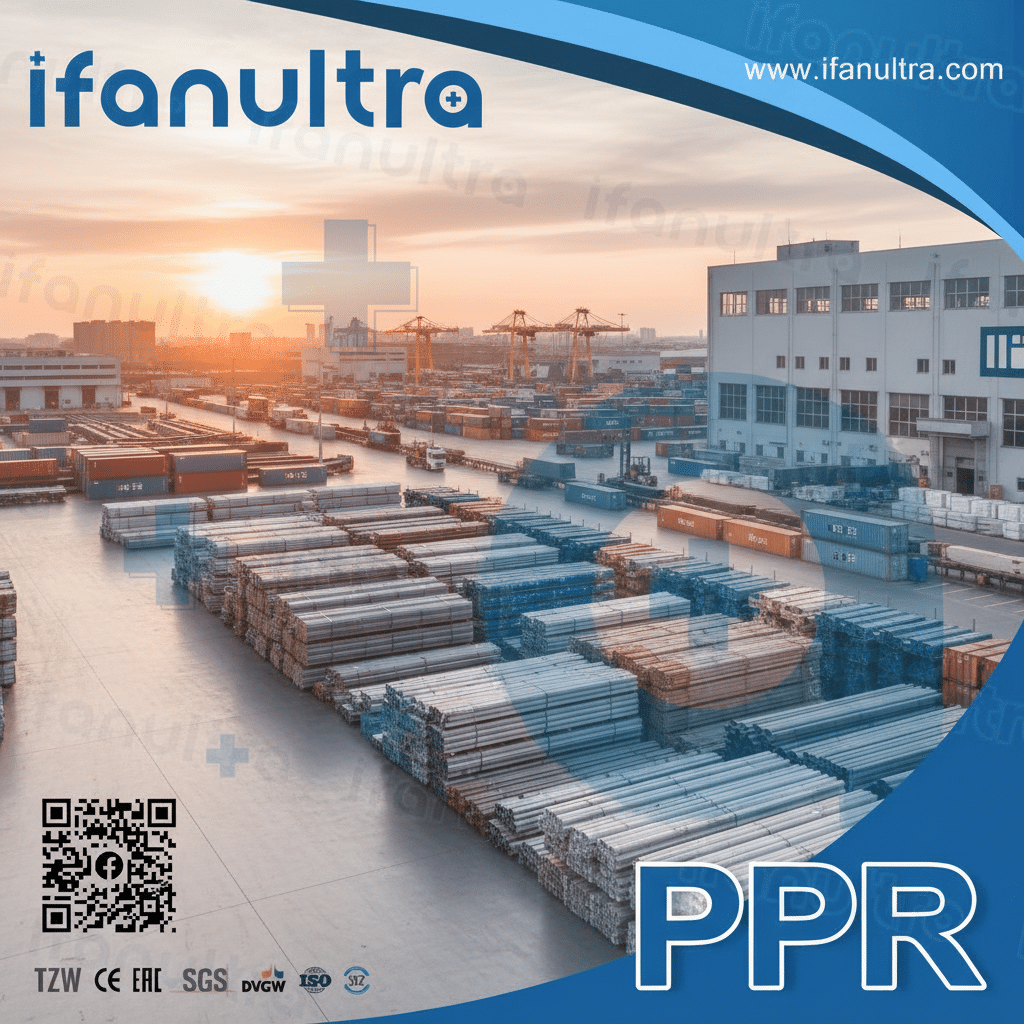
Vertical integration provides cost advantages by eliminating middlemen and their markups. It also optimizes production efficiency across the entire process and reduces waste through better coordination. For supply security, it ensures that the supplier prioritizes their own customers during shortages, maintains strategic buffer stocks, and responds quickly to demand changes without waiting for external factories.
The Hidden Costs of Non-Integrated Suppliers
When you buy from a trading company or a supplier who outsources production, you pay for multiple profit layers:
Layer 1: The factory makes the pipe and adds their profit.
Layer 2: The trading company buys from the factory and adds their markup.
Layer 3: The supplier may add another markup before selling to you.
Each layer adds cost without adding value. Moreover, each layer creates delays and communication gaps.
During the recent global supply chain disruptions, companies without production control suffered most. Their contract factories prioritized their own direct customers. Consequently, traders were left with empty promises and delayed shipments.
How Integration Creates Real Cost Benefits
A vertically integrated supplier operates differently:
No Middlemen Markups: We sell what we make. The price you pay reflects our actual production costs plus a fair margin—not a stack of intermediary profits.
Optimized Production Planning: Because we control scheduling, we can run machines efficiently, reduce changeover times, and minimize material waste. These savings then pass to you.
Strategic Inventory Management: We maintain buffer stocks of both raw materials and finished goods. When demand spikes, we adjust production immediately. We don’t wait for a contract factory to find available machine time.
Exemple : A Southeast Asian client recently needed an urgent shipment of custom-sized PPR pipes. Their regular supplier quoted 8 weeks because the factory had a full production queue. However, we adjusted our own schedule and delivered in 3 weeks. That flexibility comes from owning the machines.
Cost and Security Comparison
| Facteur | Vertically Integrated Supplier | Non-Integrated Supplier |
|---|---|---|
| Price Components | Production cost + fair margin | Factory cost + trader markup + supplier markup |
| Supply Priority | Own customers come first | Factory’s customers come first |
| Response to Shortages | Adjusts production internally | Waits for factory allocation |
| Inventory Control | Manages strategically | Depends on factory availability |
| Long-Term Pricing | Stable, based on real costs | Volatile, based on market rates |
For procurement teams, this translates to predictable costs and reliable delivery. Both factors keep production lines running smoothly.
How Does It Enable Faster Response Times for Custom or Complex Orders?
Custom orders expose every weakness in a supply chain. I’ve seen simple modifications take months when they required coordination between multiple companies.
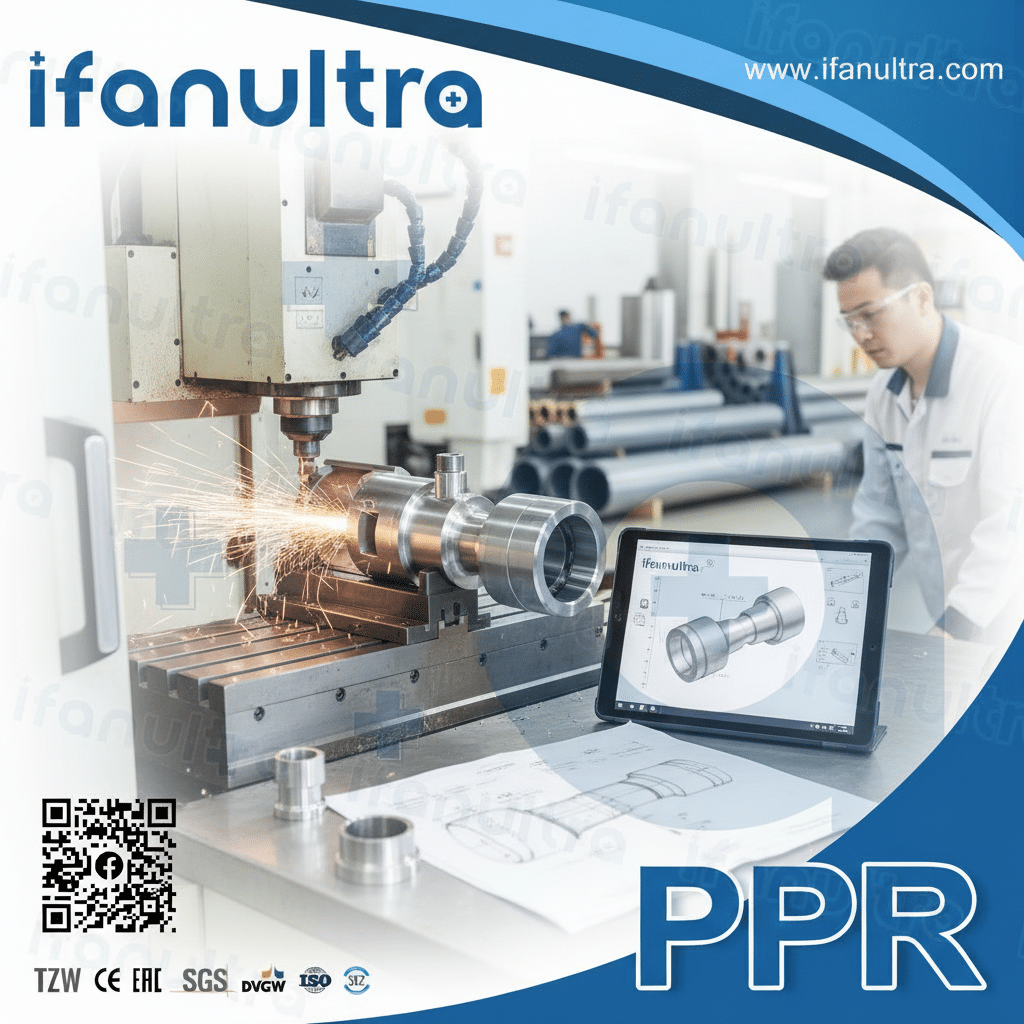
Vertical integration enables faster response times for custom orders because engineering, production, and quality teams work under one roof. They can collaborate in real-time, prototype quickly, adjust processes immediately, and scale production without waiting for external approvals. No scheduling conflicts or communication delays stand in the way.
The Nightmare of Custom Orders Without Integration
Imagine you need a pipe with a specific wall thickness or a unique fitting angle. Here’s what happens with a non-integrated supplier:
- You explain your requirement to the salesperson.
- The salesperson then emails the factory’s sales team.
- The factory’s sales team asks their engineering department.
- Engineering checks feasibility and responds.
- Finally, the message travels back through the chain.
Each step takes days. Questions get lost in translation. Assumptions replace clarity. By the time you have a quote, weeks have passed.
If the factory agrees to proceed, they must schedule your custom run between their standard production orders. Your small custom job gets lowest priority. Consequently, delays multiply.
How Integration Speeds Everything
With vertical integration, the process changes completely:
Direct Engineering Access: Your project manager talks directly to our engineers. Questions get answered in hours, not weeks. We clarify specifications immediately and suggest practical alternatives if needed.
Rapid Prototyping: Our development team can produce sample pieces quickly. We test them in-house, verify performance, and send samples for your approval. No waiting for an external factory to fit you into their schedule.
Seamless Production Transition: Once we approve the design, we adjust our production line immediately. The same team that developed your product now manufactures it. There are no handoffs, no miscommunication, and no delays.
Exemple : A European client needed PPR pipes with a special color coding for their project. With their previous supplier, color matching took three months of back-and-forth. With IFAN, our production team formulated the color, ran a test batch, and shipped the first order in four weeks.
Response Time Comparison
| Étape du processus | Vertically Integrated | Non-Integrated |
|---|---|---|
| Initial Inquiry to Quote | 1-3 days | 1-3 weeks |
| Sample Development | 1-2 weeks | 3-6 weeks |
| Sample Approval to Production | Immediate | 2-4 weeks wait |
| Production Adjustment | Same-day changes | Requires re-negotiation |
| Problem Resolution | Hours to days | Weeks to months |
For project managers, this speed means meeting deadlines instead of explaining delays.
Why Does Vertical Integration Build Greater Trust with Engineering and Procurement Teams?
Trust takes years to build and seconds to destroy. I’ve learned that procurement professionals trust suppliers who demonstrate complete control over their outcomes.
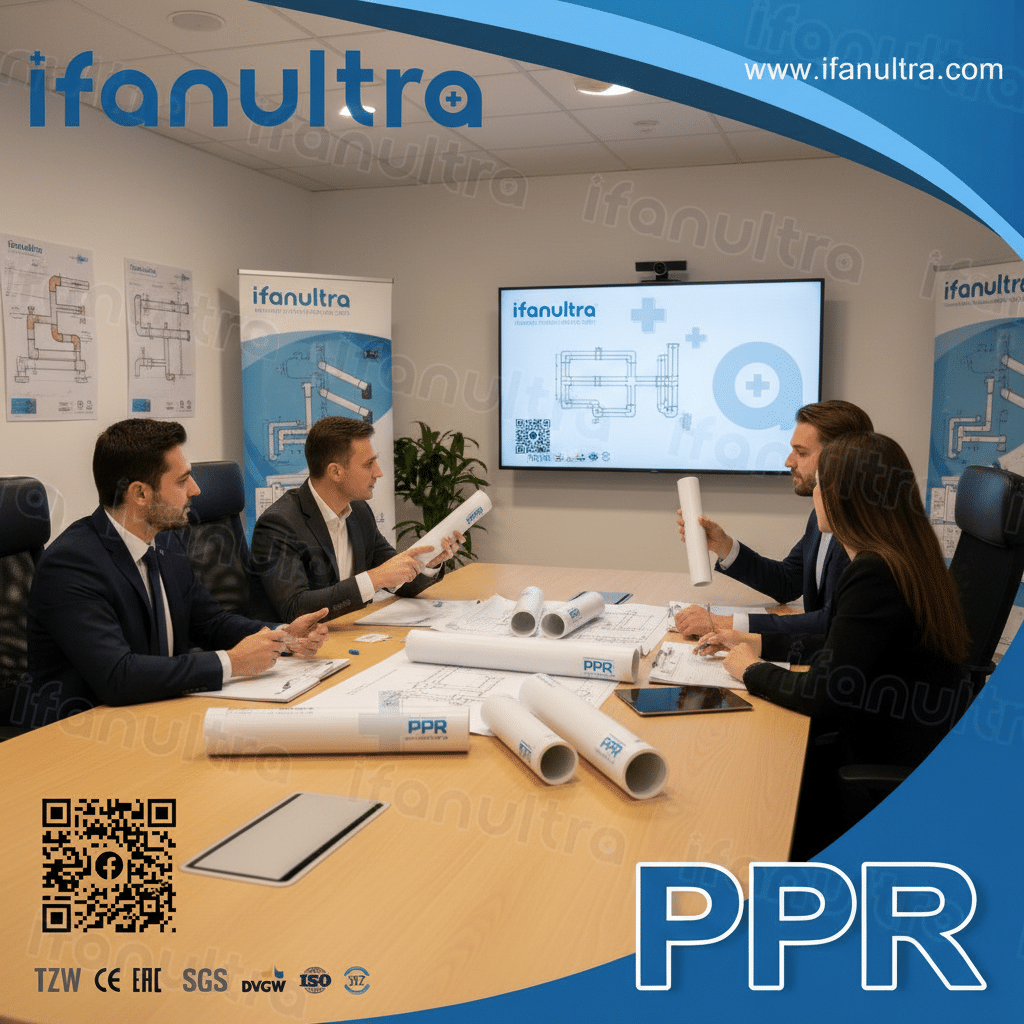
Vertical integration builds greater trust because it eliminates the “blame game” when problems occur. Engineering teams trust that specifications will be followed exactly. Procurement teams trust that delivery commitments are realistic. Both groups appreciate having direct access to the people who actually make the product, not just sales intermediaries.
The Trust Deficit in Fragmented Supply Chains
When suppliers don’t control production, trust suffers in several ways:
Accountability Gaps: When quality issues arise, the supplier blames the factory. The factory then blames raw material vendors. Consequently, you’re left with no one taking responsibility.
Hidden Processes: You never see how your products are really made. You rely on photos and reports that may not reflect reality.
Unrealistic Promises: Salespeople promise anything to win orders, knowing they can blame the factory later for delivery failures.
Information Silos: Engineers can’t talk to engineers. You communicate through sales layers that filter and distort technical details.
How Integration Rebuilds Trust
A vertically integrated supplier operates with transparency and accountability:
Direct Accountability: We own every step. If something goes wrong, we fix it. There’s no finger-pointing and no excuses. Our reputation depends on your satisfaction.
Open Access: We welcome client visits to our facilities. We share production schedules and testing results. We have nothing to hide because we control everything.
Realistic Commitments: Our sales team includes experienced engineers who understand production capabilities. We promise what we can deliver because we know our own capacity.
Engineer-to-Engineer Communication: When technical questions arise, our engineers talk directly to yours. They discuss specifications, tolerances, and solutions in the same language. No translation losses and no misunderstandings occur.
Trust Factors Comparison
| Trust Element | Vertically Integrated Supplier | Non-Integrated Supplier |
|---|---|---|
| Problem Resolution | Takes ownership, fixes quickly | Blames factory, slow response |
| Technical Communication | Direct engineer-to-engineer | Through sales layers |
| Facility Access | Open, transparent | Limited, controlled |
| Delivery Reliability | Controls schedule directly | Depends on factory schedule |
| Long-Term Partnership | Invests in your success | Transactional relationship |
For procurement managers, this trust translates to lower risk, fewer surprises, and smoother projects.
Practical Advice for Evaluating Suppliers
When assessing potential pipe suppliers, ask these questions:
- Do you own your production facilities? If yes, visit them. If no, ask why and what controls you have over their factories.
- Can you trace every batch to specific production records? Ask for a sample traceability report.
- Who handles technical questions? If it’s always a salesperson, be cautious. You need direct engineering access.
- What happens when quality issues appear? Listen for ownership language versus blame-shifting.
- How do you handle urgent custom orders? Their answer reveals their real capabilities.
Conclusion
Vertical integration delivers consistent quality, reliable supply, faster custom responses, and genuine accountability. For projects requiring these guarantees, choose IFAN’s vertically integrated PPR piping systems. We control everything from raw materials to finished products.









 English
 Español
 Français
 Português do Brasil