
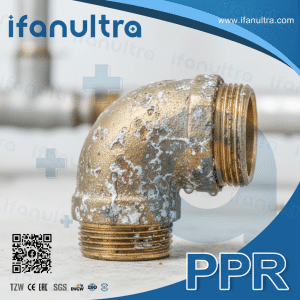
I once inspected a plumbing system where brass fittings had turned into brittle, reddish powder after just two years. That costly failure taught me the importance of understanding electrolytic corrosion.
Electrolytic corrosion in brass fittings happens when two different metals connect in the presence of water, creating a tiny battery. This electrical current pulls zinc out of the brass, leaving behind a weak, porous copper structure. You can avoid it by using dielectric unions, insulating fittings, or ensuring all connected components are made from compatible materials.
Let’s explore the science behind this damage and the practical steps you can take to prevent it.
How Does Connecting Brass to a Dissimilar Metal Like Steel Create a Battery?
This sounds like science fiction, but it’s basic chemistry. I’ve seen this principle destroy otherwise perfect plumbing systems.
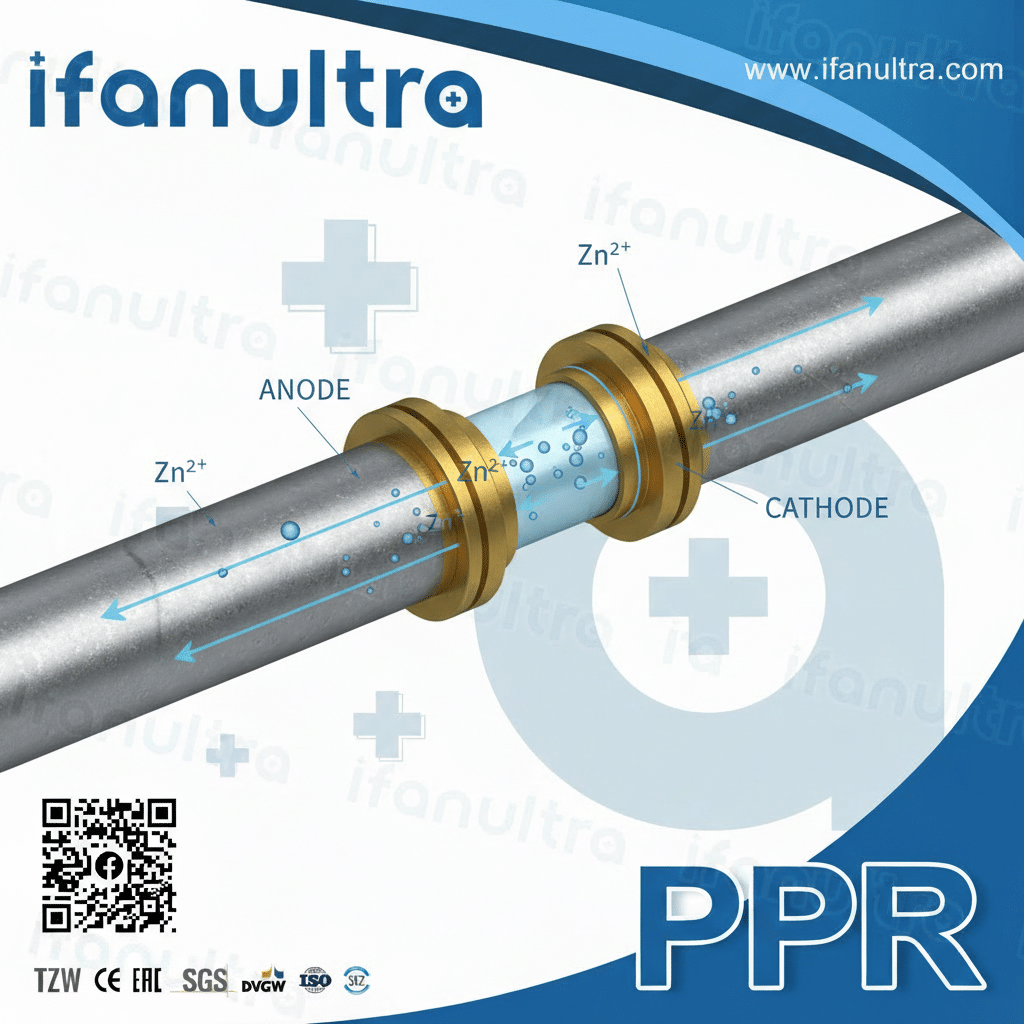
When you connect brass to steel in a wet environment, you create a simple electrochemical cell. The two metals have different electrical potentials, meaning one wants to give up electrons more easily than the other. Water acts as the electrolyte, allowing ions to travel between the metals. This flow of electrons is essentially electricity, and it slowly eats away the more active metal.
The Galvanic Series Explained
Metals have different levels of chemical activity. Think of it like a ladder. At the top sit the “noble” metals like gold and platinum, which resist corrosion well. At the bottom sit “active” metals like zinc and magnesium, which corrode easily.
When two different metals connect, the more active one becomes the anode and corrodes. The more noble one becomes the cathode and stays protected. This arrangement is exactly how a battery works. In fact, the first batteries used copper and zinc with acid to generate electricity.
Where Brass and Steel Sit on the Ladder
Brass is an alloy of copper and zinc. Copper sits relatively high on the nobility scale. Steel (iron) sits lower. Therefore, when you connect brass to steel, the steel becomes the anode and should corrode while the brass stays protected.
But here is the catch. Brass contains zinc, which is very active. Under certain conditions, the zinc can be selectively pulled out of the brass alloy itself. This process, called dezincification, leaves behind a spongy, weak copper structure that looks like brass but crumbles easily.
The Electron Flow Path
For corrosion to happen, you need a complete circuit. Electrons flow through the metal connection from the active metal to the noble metal. Ions flow through the water from the noble metal back to the active metal. This closed loop allows the corrosion to continue indefinitely.
The table below shows the galvanic series for common plumbing metals in seawater:
| Metal | Relative Nobility | Role in Galvanic Cell |
|---|---|---|
| Gold, Platinum | Most Noble (Cathodic) | Protected, causes other metals to corrode |
| Stainless Steel (passive) | Noble | Usually protected |
| Copper, Brass, Bronze | Moderately Noble | Can be cathodic or anodic depending on pairing |
| Lead, Tin | Moderate | Intermediate behavior |
| Cast Iron, Steel | Active | Typically corrodes when paired with nobler metals |
| Aluminum, Zinc | Most Active (Anodic) | Corrodes rapidly, used as sacrificial anodes |
Understanding this series helps you predict which metal will fail first in a mixed-metal system.
Why Does the Presence of Water and Minerals Accelerate This Corrosion Process?
Water is not just water in plumbing. I’ve tested water samples from different regions and seen dramatically different corrosion rates.
Water accelerates galvanic corrosion because it acts as the electrolyte, the medium that carries charged particles between the two metals. Minerals dissolved in water, like salts and calcium, make it even more conductive. Think of pure water as an insulator and mineral-rich hard water as a copper wire. The more conductive the water, the faster the corrosion.
Ions as Charge Carriers
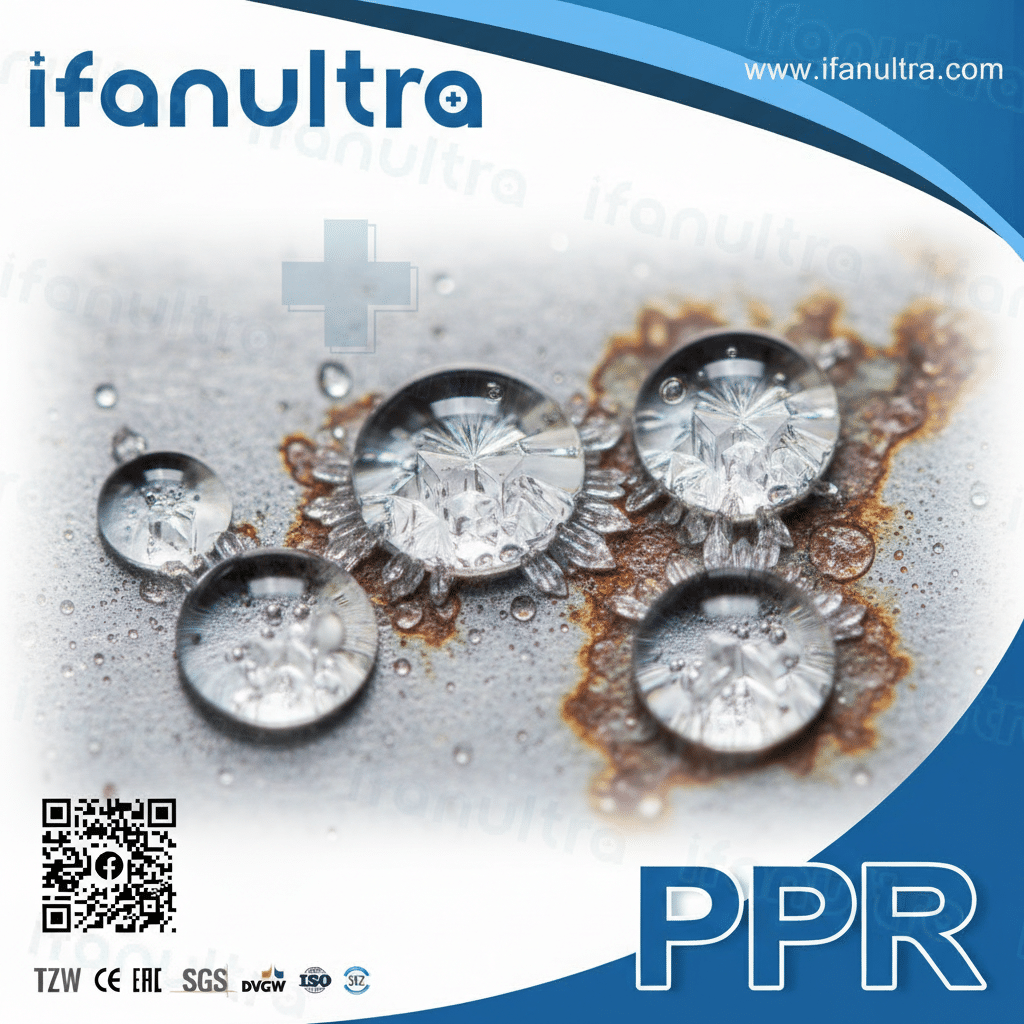
Pure water (H2O) does not conduct electricity well. But tap water contains dissolved minerals. These minerals break apart into charged particles called ions.
Positive ions include calcium, magnesium, and sodium. Negative ions include chloride, sulfate, and bicarbonate. These floating charges allow electricity to flow through the water, completing the circuit between the two different metals.
The Role of Temperature and Flow
Hot water accelerates chemical reactions. For every 10°C increase in temperature, corrosion rates can roughly double. This makes hot water lines particularly vulnerable to galvanic attack.
Water flow also matters. Stagnant water allows corrosion products to build up on the metal surface. These products can sometimes form a protective layer that slows further corrosion. Moving water washes these protective layers away, exposing fresh metal to continue corroding.
Aggressive Ions to Watch For
Some ions are especially aggressive toward brass:
- Chlorides: Found in salt, bleach, and many industrial chemicals. Chlorides break down the protective oxide layer on brass.
- Sulfates: Common in many water supplies, they can combine with copper to form corrosive compounds.
- Low pH (Acidic Water): Acidic water dissolves protective films and attacks metal directly.
Water Hardness as a Factor
Hard water contains calcium and magnesium. These minerals can actually help by depositing a protective scale layer inside pipes. This scale acts as a barrier between the metal and the water.
Soft water, while nicer for bathing, lacks these protective minerals. Soft water can be more aggressive toward brass fittings because it constantly seeks to dissolve minerals, including those in the brass itself.
The table below summarizes how different water characteristics affect corrosion:
| Water Characteristic | Effect on Corrosion | Pourquoi c'est important |
|---|---|---|
| High Mineral Content | Increases conductivity | Faster electron transfer between metals |
| High Chloride Levels | Highly aggressive | Breaks down protective oxide layers |
| High Temperature | Accelerates reaction | Speeds up chemical corrosion rates |
| Low pH (Acidic) | Very aggressive | Dissolves protective films, attacks metal |
| High Flow Rate | Can increase or decrease | Washes away protectants but also brings fresh reactants |
Understanding your local water chemistry helps predict whether your brass fittings face high corrosion risk.
What Are the Visual Signs of Dezincification in a Corroding Brass Fitting?
You cannot fix what you cannot see. Early detection of dezincification saves money and prevents catastrophic failures.
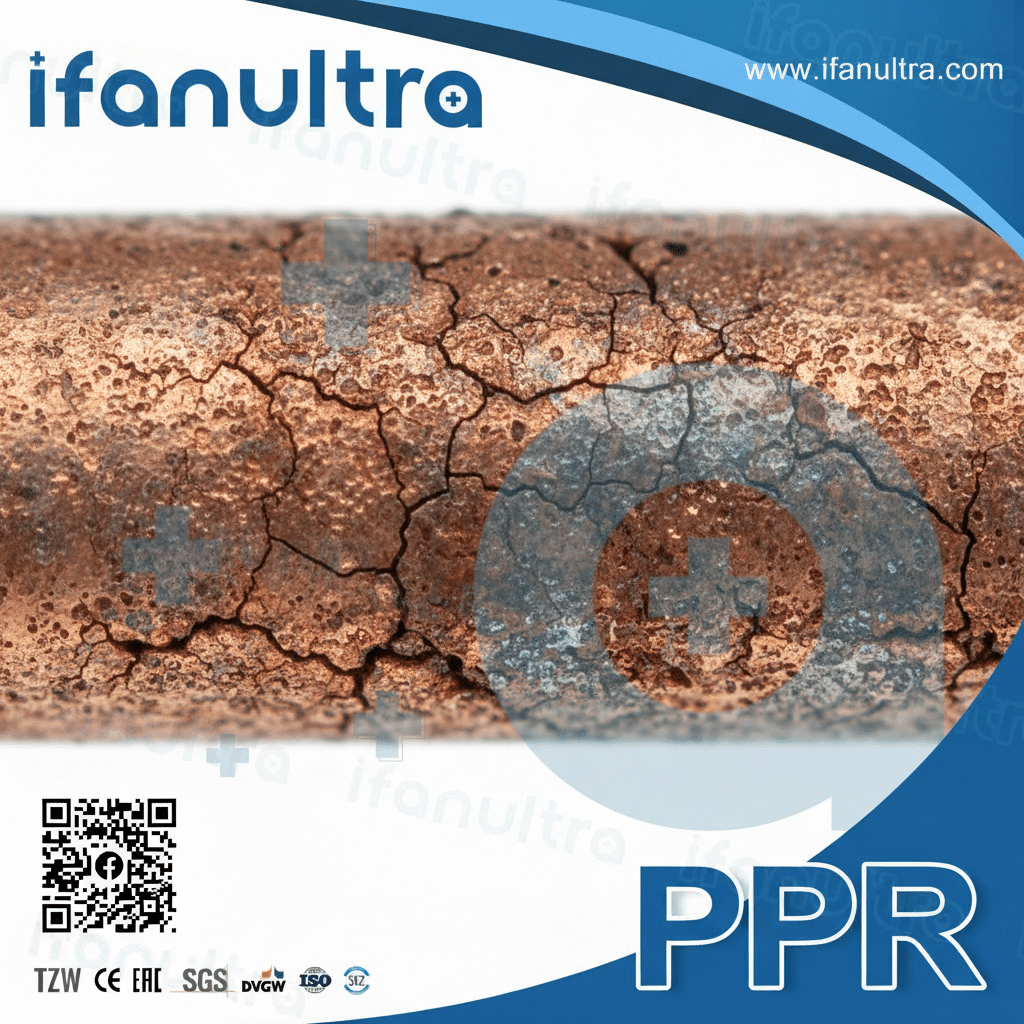
Dezincification shows itself through several visual changes. The brass fitting may turn from its normal yellow color to a dull, reddish hue, resembling copper. You might see white or chalky deposits around the surface. In advanced stages, the fitting develops surface cracks and pitting. Most tellingly, a dezincified fitting feels unusually light and can be easily scratched or dented compared to healthy brass.
The Color Change Clue
Healthy brass has a characteristic yellow-gold color. As zinc leaches out, the remaining material becomes mostly copper. Copper has a distinctive reddish-orange color.
If you see a brass fitting that looks reddish, especially in patches or streaks, dezincification is likely happening. This color change often starts in specific areas, like near threaded connections or where water flow hits the fitting.
Surface Texture Changes
Early stage dezincification may leave the surface looking normal. But as the process continues, the surface becomes rough and pitted.
You might notice:
- Small pits or divots: Like someone poked the surface with a sharp tool.
- Spongy appearance: The metal looks porous, almost like hardened foam.
- White or green deposits: Corrosion byproducts can accumulate around the fitting.
The Physical Weakness Test
This test requires touching the fitting. A healthy brass fitting feels solid and heavy for its size. When tapped with a metal tool, it rings clearly.
A dezincified fitting tells a different story:
- Lightweight: Much of the zinc is gone, so the fitting weighs less.
- Soft surface: You can scratch it easily with a screwdriver or even a fingernail.
- Dull sound: Tapping produces a dull thud instead of a clear ring.
- Cracks: Advanced cases develop visible cracks, especially at stress points like threads.
Common Locations for Dezincification
Dezincification does not happen everywhere equally. It prefers certain conditions:
| Location | Why It’s Vulnerable |
|---|---|
| Threaded connections | Stressed areas, mixed metals common |
| Hot water lines | Higher temperature accelerates reaction |
| Stagnant zones | Corrosion products accumulate, pH changes locally |
| Below waterline | Constantly wet, ideal for electrolytic action |
Differentiating from Other Corrosion
Not all corrosion on brass is dezincification. General corrosion might produce a uniform green patina, like on old statues. This patina often protects the underlying metal.
Dezincification is different. It destroys the metal from within, leaving a weak shell that looks mostly intact until it suddenly fails. Regular inspection of brass fittings, especially in mixed-metal systems, helps catch this problem early.
How Can Dielectric Unions or Insulated Fittings Prevent Galvanic Corrosion?
Prevention is always cheaper than repair. I’ve specified dielectric unions on countless projects with excellent results.
Dielectric unions prevent galvanic corrosion by physically and electrically separating dissimilar metals. They use a non-conductive plastic or rubber spacer between the two metal sides, breaking the electrical circuit that drives corrosion. The union also creates a barrier that prevents water from directly bridging the metals, further protecting the connection point.
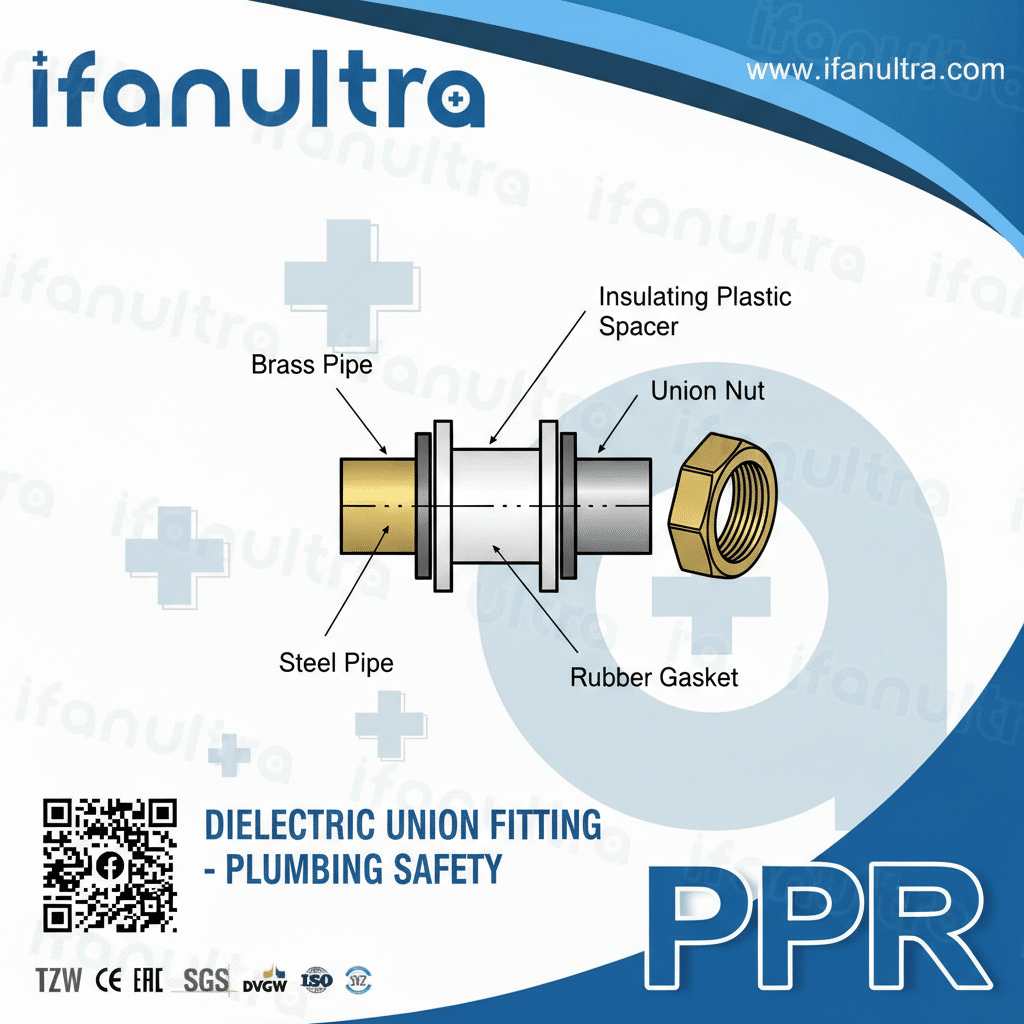
How a Dielectric Union Works
A dielectric union consists of several key parts:
- Two metal ends: One connects to the brass pipe, the other to the steel pipe.
- Insulating spacer: A non-conductive washer separates the two metal ends.
- Insulating sleeve: A plastic liner covers the inside of the female end.
- Compression mechanism: Holds everything together while maintaining separation.
The genius of this design lies in breaking both paths of the electrical circuit. The insulating spacer stops electron flow through the metal connection. The insulating sleeve stops ion flow through the water path. With the circuit broken, corrosion cannot proceed.
Proper Installation Matters
Dielectric unions only work if you install them correctly. Common installation mistakes include:
- Metal-to-metal contact: If the two metal parts touch anywhere, the insulation fails.
- Bypassing through other paths: If another metal connection, like a support hanger or bracket, connects the pipes elsewhere, the current finds a way around the union.
- Water bridging: If water leaks past the insulating sleeve, it can complete the circuit.
Alternatives to Dielectric Unions
Sometimes dielectric unions are not the best choice. Other options include:
- Non-metallic fittings: Using plastic or PEX transition fittings eliminates the metal connection entirely.
- Sacrificial anodes: Adding a more active metal that corrodes instead of your fittings.
- Corrosion inhibitors: Chemical treatments added to the water system.
- Same-metal systems: Avoiding mixed metals altogether by using all brass or all steel.
The table below compares these prevention methods:
| Prevention Method | How It Works | Best Application |
|---|---|---|
| Dielectric Union | Breaks electrical and water path | Connecting brass to steel or iron |
| Plastic Transition Fitting | Eliminates metal connection | PEX to metal transitions |
| Sacrificial Anode | Provides alternative corrosion point | Water heaters, large tanks |
| Corrosion Inhibitors | Chemicals protect metal surfaces | Closed-loop systems |
| Same-Metal System | No dissimilar metals to react | New construction |
IFAN’s Approach to Corrosion Prevention
Based on our experience supplying fittings worldwide, we recommend several practical steps:
- Always use dielectric unions when connecting brass to steel. This is non-negotiable for permanent installations.
- Consider the entire system path. Check for accidental metal bridges through supports, clamps, or equipment.
- Match metals when possible. If you can use all brass or all stainless steel, you eliminate the root cause.
- Monitor high-risk connections. Hot water lines and threaded joints deserve extra attention during inspections.
- Choose high-quality brass. Better brass alloys resist dezincification better. Look for brass with arsenic or antimony inhibitors.
Common Customer Pain Points
We frequently hear these concerns from clients:
- “My plumber didn’t install dielectric unions and now my fittings are failing.” (Solution: Retrofit with proper unions.)
- “I see rust stains near my brass fittings.” (Solution: Investigate immediately, likely galvanic corrosion starting.)
- “Dielectric unions are expensive compared to standard fittings.” (Solution: Compare to the cost of replacing failed fittings and repairing water damage.)
- “My system worked fine for years, why am I seeing corrosion now?” (Solution: Water chemistry may have changed, or a new metal component was added elsewhere.)
Addressing these concerns early prevents major failures.
Conclusion
Electrolytic corrosion destroys brass fittings by pulling zinc from the alloy in the presence of water and dissimilar metals. Prevention through dielectric unions, proper metal matching, and regular inspection protects your plumbing investment. For reliable, corrosion-resistant fittings, choose IFAN’s brass fittings with dezincification-resistant alloys and complete installation support.









 English
 Español
 Français
 Português do Brasil