
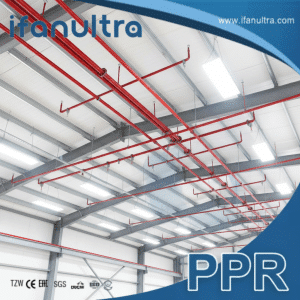
I once reviewed a failed sprinkler system where the wrong pipe material led to catastrophic corrosion. That moment cemented my understanding that in fire protection, the pipe is as critical as the water it carries.
Fire sprinkler pipe materials must meet stringent life-safety requirements: they must withstand high pressure, resist internal and external corrosion for decades, maintain integrity during a fire, and comply with strict third-party approval standards like FM or UL. The choice directly impacts the system’s reliability when it matters most.
The consequences of a material failure here are unthinkable. Let’s break down the specific requirements that ensure a sprinkler system will perform under extreme conditions.
Which Standards Like FM, UL, or LPCB Govern Sprinkler Pipe Approvals?
Choosing unlisted pipe is a huge liability. I’ve seen projects delayed because they specified a pipe that lacked the right approval stamp.
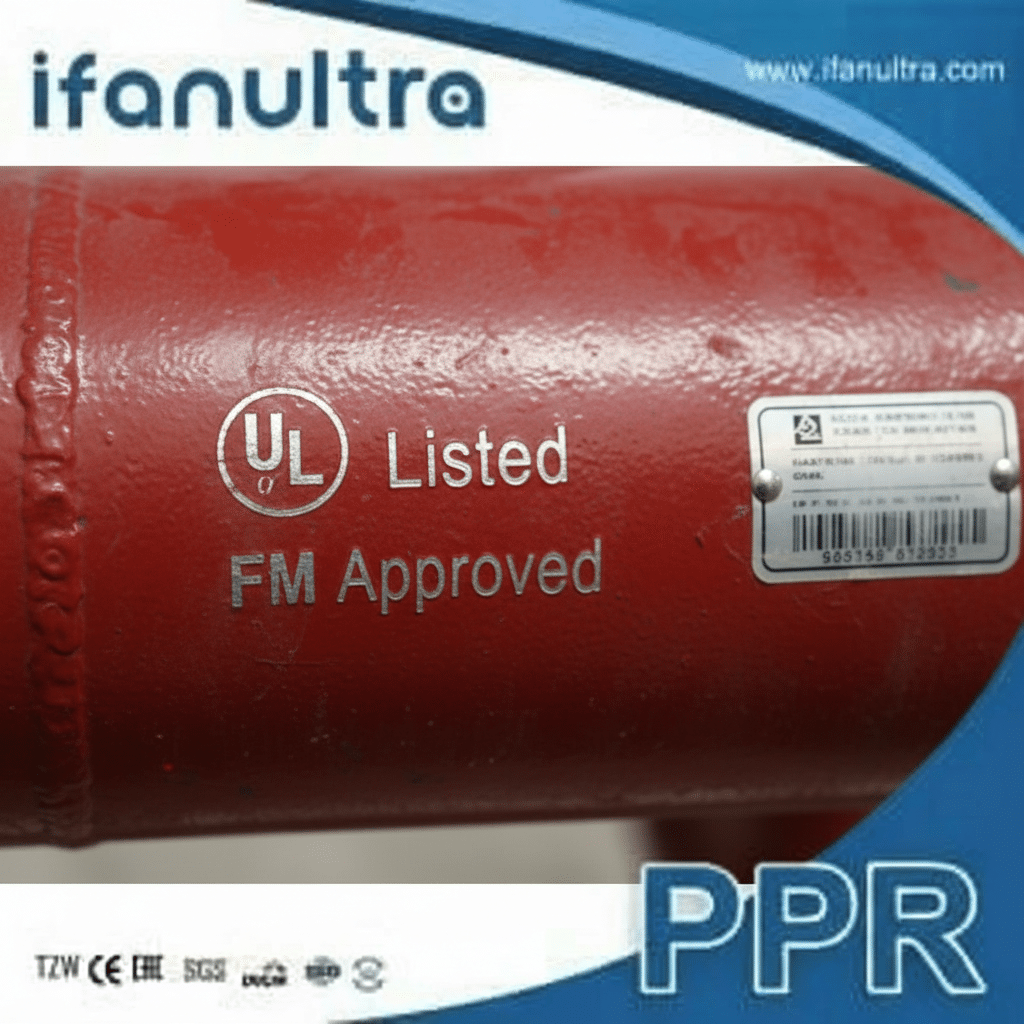
Globally recognized standards like FM (Factory Mutual), UL (Underwriters Laboratories), and LPCB (Loss Prevention Certification Board) govern sprinkler pipe approvals. These organizations perform rigorous testing on materials and joint systems to verify they can withstand heat, pressure, and long-term exposure, ensuring the pipe will perform as designed during a fire emergency.
The Role of Approval Laboratories
These organizations are not government agencies. Instead, they are independent testing laboratories that insurance companies, building codes, and authorities trust. Their “listing” or “approval” is a non-negotiable requirement for any pipe installed in a compliant fire sprinkler system. They test the entire assembly—pipe, fittings, and joining method—as a complete system.
Key Differences Between Major Standards
While their goal is the same, their geographic influence and specific test protocols vary.
- FM Global (FM): Primarily driven by property insurance requirements. FM approval is highly influential in commercial and industrial settings worldwide, especially where FM-insured properties are involved. Their standards focus heavily on durability and long-term reliability.
- Underwriters Laboratories (UL): A massively influential standard in North America and internationally. Building codes like NFPA 13 directly reference UL listings. UL focuses on the product’s performance under fire conditions and its overall safety.
- LPCB (Loss Prevention Certification Board): The key approval standard in the United Kingdom and many Commonwealth countries. LPCB certifications are often required for insurance and regulatory compliance in these regions.
What the Approval Process Involves
The testing is exhaustive. It goes far beyond simple pressure ratings. Laboratories evaluate:
- Hydrostatic Strength: The pipe must hold high water pressure without bursting.
- Fire Resistance: The material must not melt, sag excessively, or lose strength too quickly when exposed to high heat, ensuring water can still flow to the sprinkler head.
- Cyclic Pressure Fatigue: The pipe undergoes repeated pressure surges to simulate decades of use.
- Corrosion Resistance: For metallic pipes, tests assess how well the material or coating resists rust.
- Joint Integrity: Every type of joint—threaded, grooved, welded—is tested to ensure it is the strongest part of the system.
Using approved materials is the first and most fundamental requirement. It is the baseline for all other considerations.
Why is Corrosion Resistance a Critical Life-Safety Issue in Sprinkler Systems?
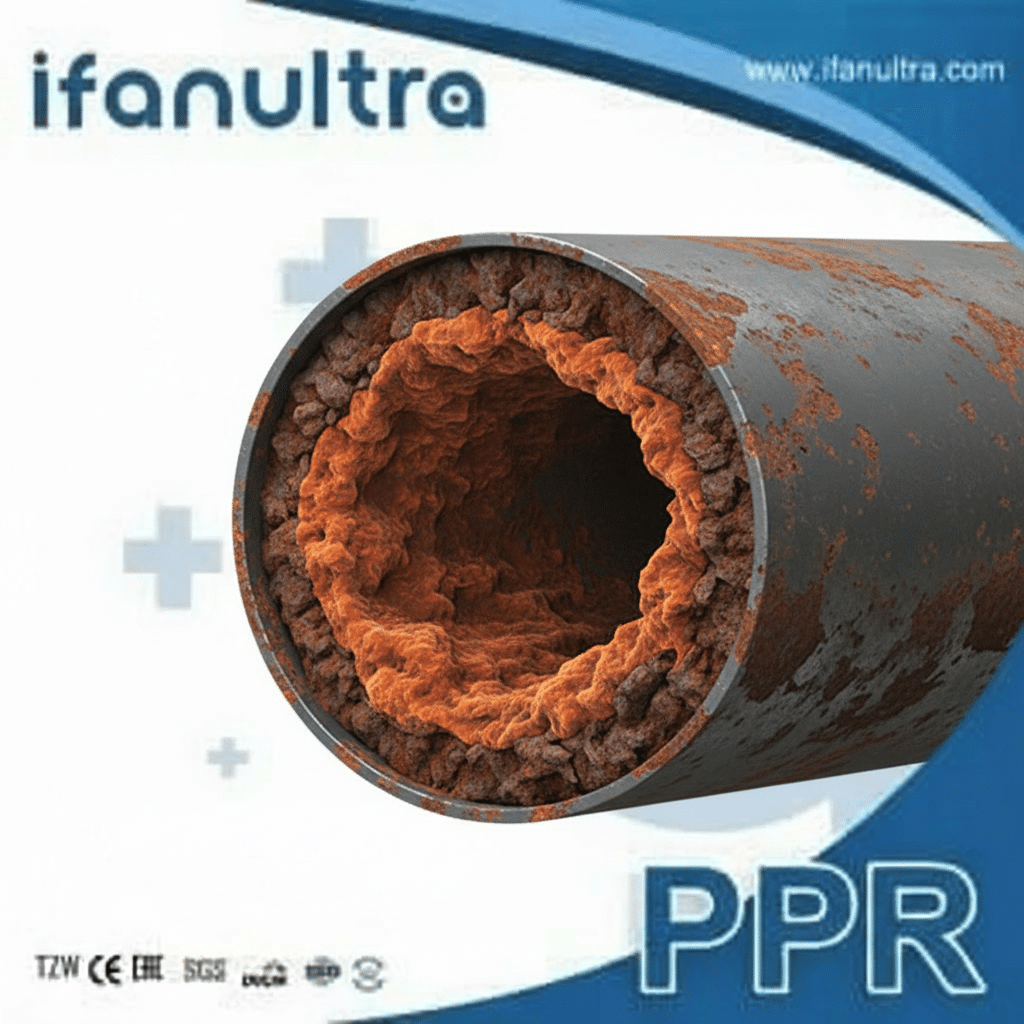
A hidden corroded pipe is a ticking time bomb. I’ve cut open pipes that looked fine outside but were completely blocked with rust inside.
Corrosion resistance is a critical life-safety issue because internal corrosion can create blockages that prevent water flow, while external corrosion can weaken the pipe wall, leading to leaks or catastrophic failure before a fire even starts. A compromised pipe may not deliver water to the sprinkler head, rendering the entire system useless in an emergency.
The Two Fronts of Corrosion Attack
Corrosion attacks a sprinkler system from both inside and outside, and each poses a unique threat.
Internal Corrosion (Microbiologically Influenced Corrosion): This is the silent killer. Stagnant water in sprinkler pipes is a perfect environment for certain bacteria. These bacteria produce acids that aggressively pit the interior wall of steel pipes. Over time, these pits create a sludge of iron oxide (rust) that can completely block the pipe or smaller branch lines. During a fire, water cannot reach the sprinkler head.
External Corrosion: This occurs when pipes run in corrosive environments—like chemical plants, swimming pool halls, or coastal areas with salty air. It can also happen in interstitial spaces with condensation. External rust weakens the pipe structurally, leading to pinhole leaks or sudden ruptures, which can cause water damage and disable the system.
The High Cost of Failure
The risk isn’t just theoretical. The National Fire Protection Association (NFPA) links numerous sprinkler system failures to corrosion. The result isn’t just property damage; it’s a direct threat to human life if the system fails to operate. Furthermore, replacing a corroded system throughout a building is exponentially more expensive than installing a corrosion-resistant solution initially.
Proactive Protection Strategies
Therefore, material selection must account for the environment. Here are the main strategies:
- Choose Inherently Corrosion-Resistant Materials: Materials like CPVC or stainless steel do not rust.
- Use Protected Steel: Apply specialized, listed coatings to carbon steel pipes. These include galvanizing (zinc coating) or epoxy coatings approved for fire protection service.
- Environmental Control: Specify dry or pre-action systems where pipes hold air instead of water, drastically reducing internal corrosion risk in certain applications.
Corrosion management isn’t optional maintenance; it’s a core part of the system’s life-safety design.
How Do CPVC, Steel, and Specialized Coatings Compare for Different Hazards?
There is no single “best” material. I guide clients by matching the pipe’s properties to the specific hazard and building environment.
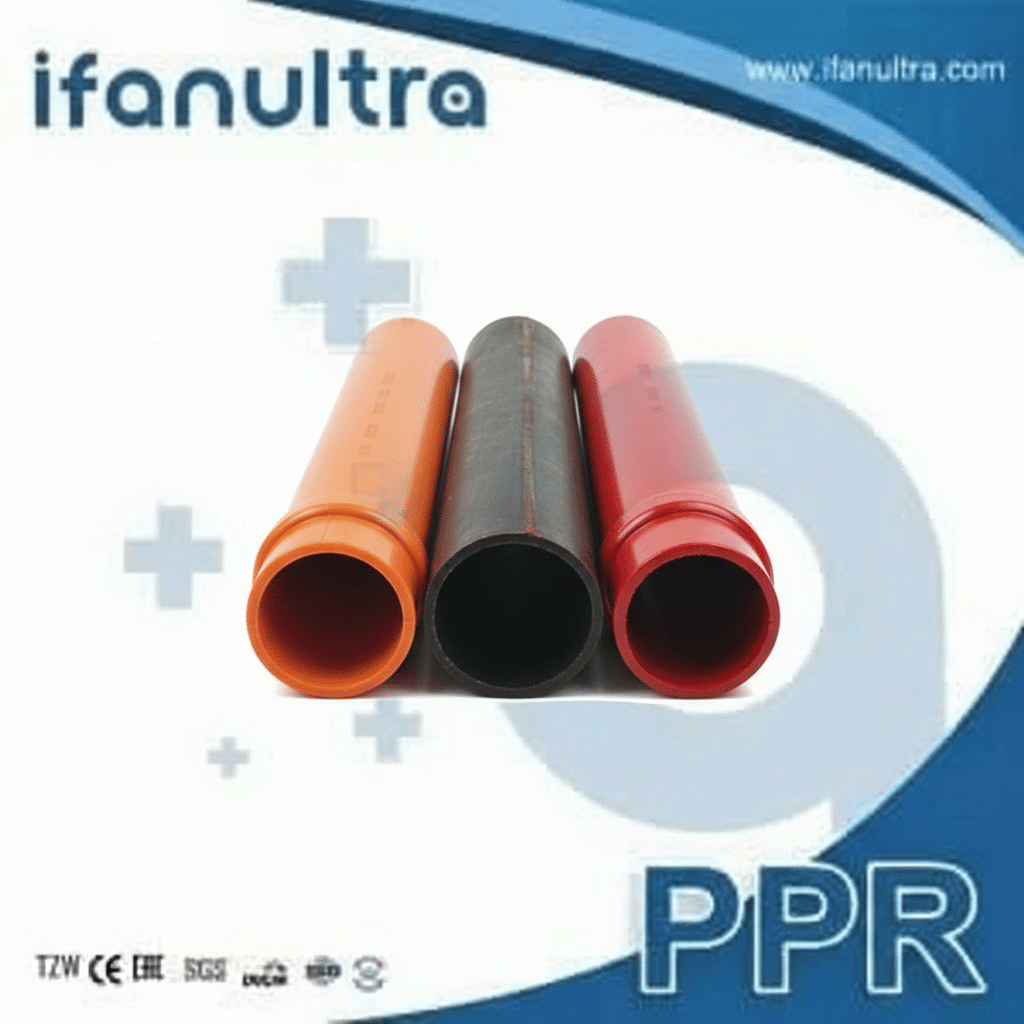
CPVC, steel, and coated steel serve different purposes. CPVC is lightweight, corrosion-proof, and ideal for light hazard spaces (offices, homes). Steel is strong and heat-resistant for high-hazard areas (warehouses). Specialized epoxy or galvanized coatings on steel provide a cost-effective balance, adding corrosion resistance for moderate hazard or humid environments.
Breaking Down the Material Options
Selecting the right material is a balance of hazard class, environmental conditions, installation cost, and long-term reliability.
1. CPVC (Chlorinated Polyvinyl Chloride):
- Meilleur pour : Light Hazard occupancies (e.g., offices, schools, hotels, residential buildings).
- Key Advantages: It is completely immune to internal and external corrosion. It is lightweight, which makes installation faster and cheaper. It uses a solvent cement joining system, eliminating threading or welding.
- Limitations: It has lower heat resistance than steel. Building codes restrict its use in certain high-hazard, high-temperature, or exposed locations. It requires protection from physical damage and UV light.
2. Carbon Steel (Black Steel):
- Meilleur pour : Ordinary Hazard and High Hazard occupancies (e.g., manufacturing, warehouses, parking garages).
- Key Advantages: It has superior strength and high melting point. It is the traditional, widely accepted material for most commercial systems. It can be used in exposed and demanding environments.
- Limitations: It is highly susceptible to corrosion if left uncoated. It is heavier and requires more labor (threading, grooving, welding) to install.
3. Coated or Galvanized Steel:
- Meilleur pour : Environments where corrosion is a concern but steel’s strength is needed (e.g., food processing, chemical storage, high-humidity areas).
- Key Advantages: The coating (epoxy or zinc galvanizing) provides a barrier against corrosion. It offers the structural benefits of steel with enhanced durability.
- Limitations: The coating can be damaged during handling or installation, creating weak points. It is typically more expensive than black steel.
Decision-Making Guide
The table below helps visualize the primary selection criteria:
| Matériau | Typical Hazard Class | Best Use Environment | Main Advantage | Key Consideration |
|---|---|---|---|---|
| CPVC | Light Hazard | Interior, climate-controlled spaces | Corrosion-proof & low installation cost | Not for high-heat or exposed areas |
| Carbon Steel | Ordinary & High Hazard | Exposed or demanding industrial settings | High strength & heat resistance | Requires corrosion protection |
| Epoxy-Coated Steel | Ordinary Hazard | Corrosive interiors (e.g., chemicals, humidity) | Corrosion resistance with steel strength | Coating must not be damaged |
| Galvanized Steel | Ordinary Hazard | Moderate corrosion risk, some exteriors | Good corrosion protection, durable | Not for highly acidic environments |
The choice directly impacts the system’s cost, lifespan, and most importantly, its reliability in a specific emergency scenario.
What are the Installation and Inspection Mandates for Fire Protection Piping?
Perfect pipe is useless if installed incorrectly. Our quality control process exists to bridge the gap between material standards and field execution.
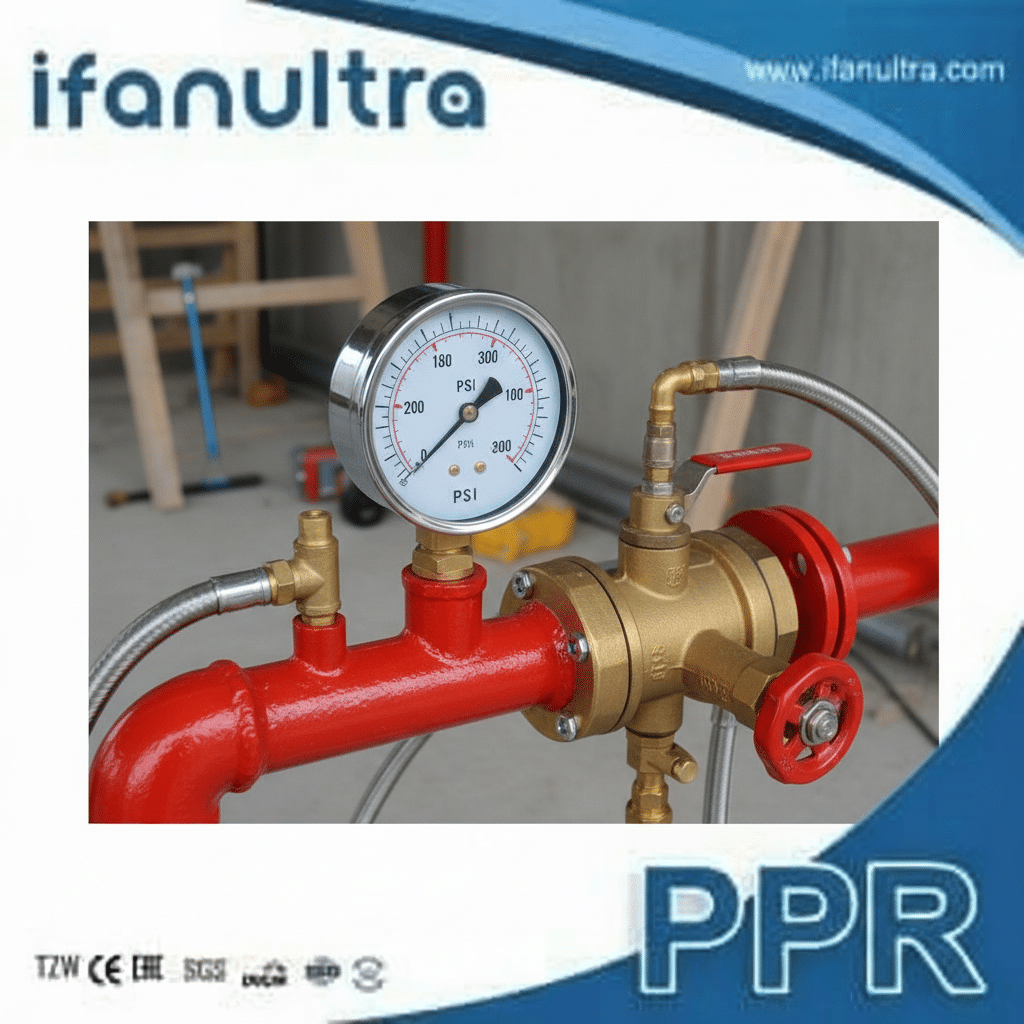
Installation and inspection mandates for fire protection piping are strictly codified in NFPA 13. They require licensed contractors, specific support spacing, proper joint assembly, and mandatory hydrostatic pressure tests at 200 PSI for two hours. Regular annual inspections by qualified personnel are also required to check for leaks, corrosion, and obstructions.
The Rulebook: NFPA 13
The National Fire Protection Association’s standard NFPA 13, “Standard for the Installation of Sprinkler Systems,” is the comprehensive guide. It doesn’t just suggest practices; it mandates them. Authorities Having Jurisdiction (AHJs)—like fire marshals—enforce these rules.
Critical Installation Requirements
Key mandates during installation include:
- Qualified Personnel: Only trained and often licensed fire protection contractors should install the system.
- Pipe Supports: Pipes must have hangers and supports at precise intervals to prevent sagging, which can cause water pockets and premature corrosion.
- Joint Assembly: Every threaded, grooved, or welded joint must follow the manufacturer’s and NFPA’s detailed instructions. For example, cutting threads too deep weakens the pipe.
- The Hydrostatic Test: This is the most critical milestone. After installation but before concealing pipes, the entire system is filled with water and pressurized to at least 200 PSI for 2 hours. There must be no pressure drop or visible leaks. This test proves the integrity of the materials and the workmanship.
Ongoing Inspection and Maintenance Mandates
The responsibility doesn’t end after installation. NFPA 25, “Standard for the Inspection, Testing, and Maintenance of Water-Based Fire Protection Systems,” dictates ongoing care.
A summary of key requirements includes:
| Task | Frequency | Purpose |
|---|---|---|
| Visual Inspection | Monthly, Quarterly, Annually | Check for leaks, physical damage, corrosion, and proper valve positions. |
| Internal Inspection | Every 5 years (or after incidents) | Open pipe at key points to check for internal corrosion and blockages. |
| Main Drain Test | Annually | Measures water supply pressure and confirms the main valve is operational. |
| Test hydrostatique | At installation, and after any major modification. | Confirms the system’s pressure integrity. |
Neglecting these mandates voids insurance and compromises safety. A well-installed and maintained system using approved materials, like IFAN’s range of fire protection pipes and fittings, provides the confidence that the system will work when every second counts.
Conclusion
Fire sprinkler pipe requirements balance strict approvals, corrosion resistance, hazard-specific materials, and mandated installation tests. For systems that meet these rigorous demands, consider IFAN’s certified fire protection piping solutions.









 English
 Español
 Français
 Português do Brasil