
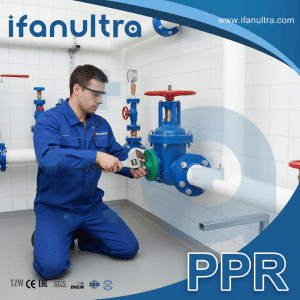
I once oversaw a repair where technicians had to cut out a large section of pipe for a small valve replacement. The downtime and cost were staggering. That moment proved the immense value of strategic design in piping.
Yes, a flanged connection dramatically simplifies PPR system maintenance and cleaning. It acts as a designed “break point” in the pipeline, allowing entire sections, valves, or equipment to be disconnected quickly and non-destructively using simple tools, which enables easy access for inspection, cleaning, or component replacement without damaging the main pipe run.
This approach transforms maintenance from a major project into a routine task. Let’s look at the specific ways flanged fittings make this possible.
How Does the Flanged Connection Allow for Easy Disassembly of Sections?
Traditional fixed systems lock you in. Facing a clogged or damaged section used to mean planning for major pipe surgery.
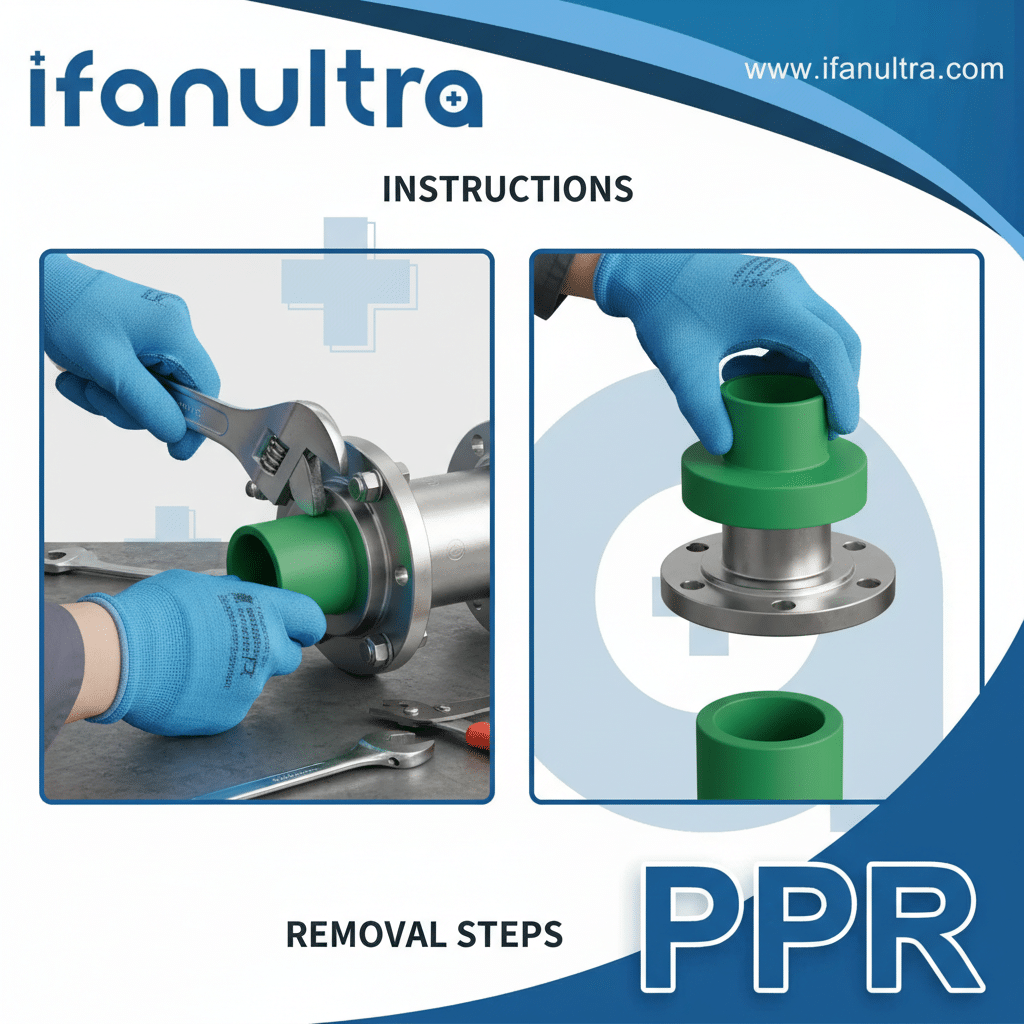
A flanged connection allows for easy disassembly because it uses a bolted joint. Two flanges face each other with a gasket in between. By simply loosening and removing the perimeter bolts, you can separate the pipeline at that point without any cutting, welding, or glue, creating instant access.
The Principle of the Bolted Joint
The core advantage of a flange is its reversible nature. Unlike a heat-fused or solvent-welded joint, which is permanent, a flanged joint is a mechanical connection. It is designed to be assembled, disassembled, and reassembled multiple times over the system’s life.
Think of it like a sophisticated version of a water bottle lid. You twist it off to refill or clean the bottle, then screw it back on to restore the seal. A flange works on a similar principle but is engineered for the high pressures of plumbing systems. The bolts apply massive, even pressure to squeeze the gasket between the two flange faces, creating a perfect seal. When you need access, you release that pressure by unbolting.
Comparison: Flanged vs. Permanent Joints
The true benefit becomes clear when we compare disassembly methods side-by-side. The table below shows the stark contrast in effort and consequence.
| Disassembly Task | With Flanged Joints | With Permanent (Fused) Joints |
|---|---|---|
| Tools Required | Wrench for bolts. | Pipe cutter, fusion welder or socket tools, possibly a torch. |
| Time Required | Minutes to an hour. | Several hours to a full day. |
| Impact on Pipe | None. The pipe ends remain intact. | Destructive. You must cut out a section of the pipe. |
| Post-Repair Action | Bolt flanges back together with a new gasket. | Fabricate and fuse in a new spool piece. |
| System Downtime | Minimal. | Extended. |
This process eliminates the need for hot work permits (for welding/soldering) in many facilities, making the procedure safer and faster to approve. For a maintenance manager, this means scheduling a simple mechanical job instead of a complex plumbing repair.
Why Is It Easier to Clean or Inspect Pipelines with Flanged Access Points?
Without access points, inspecting a pipe is guesswork, and cleaning it is a major ordeal.
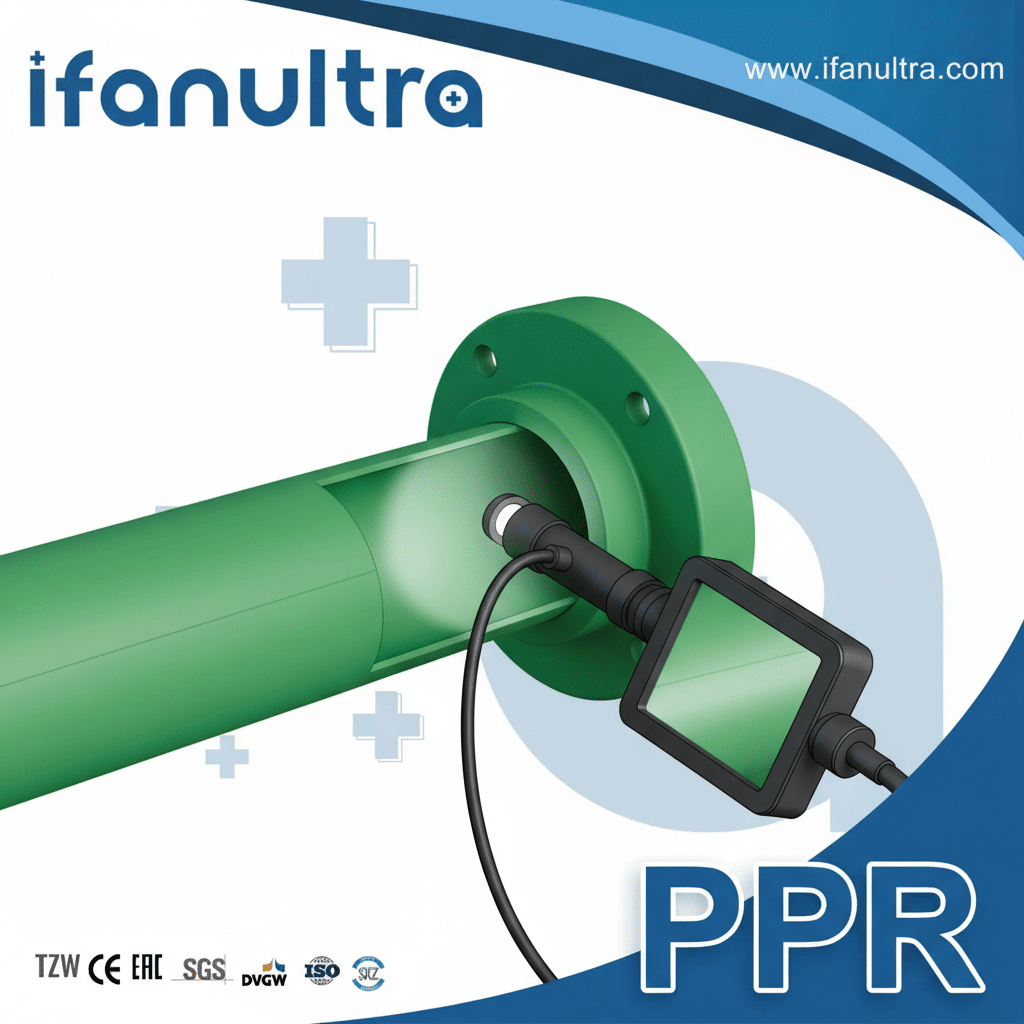
It is easier because flanged connections create planned, full-bore access points. You can disconnect a section at a flange, physically look inside the pipe, run cameras or cleaning tools through it, and then reseal it, all without altering the core piping infrastructure. This turns invasive procedures into routine checks.
Enabling Direct Visual and Physical Access
The primary goal of inspection and cleaning is to see and reach the interior wall of the pipe. In a fully fused system, you can only access the very ends. Flanges change this by giving you a “door” anywhere you install one.
For example, after several years, you might suspect scale buildup in a hot water return line. Instead of guessing or replacing the whole line, you can:
- Isolate and drain that pipeline section.
- Unbolt a flange at a strategic point.
- Use a borescope (a small inspection camera) to visually travel down the pipe in both directions from the open flange.
- If you find deposits, you can attach a hose and flush the section, or even use mechanical cleaners.
Strategic Placement for Maximum Benefit
The key is installing flanges at smart locations. Common best practices include:
- Before and after critical equipment: Place flanges before and after pumps, heaters, or filters to easily isolate and service them.
- At the end of long runs: Install a flange at the end of a branch line to facilitate flushing.
- At directional changes: A flange at a 90-degree elbow provides a perfect point to look down a straight run.
This strategic use transforms your piping system from a closed mystery into a maintainable asset. You move from reactive repairs (“The pipe is clogged, we must cut it”) to proactive maintenance (“Let’s inspect and clean the line at the next scheduled shutdown”).
Can Individual Components Be Replaced Without Cutting the Main Pipe?
Replacing a single faulty valve shouldn’t require rebuilding the whole system. I’ve seen this costly over-repair happen too often.
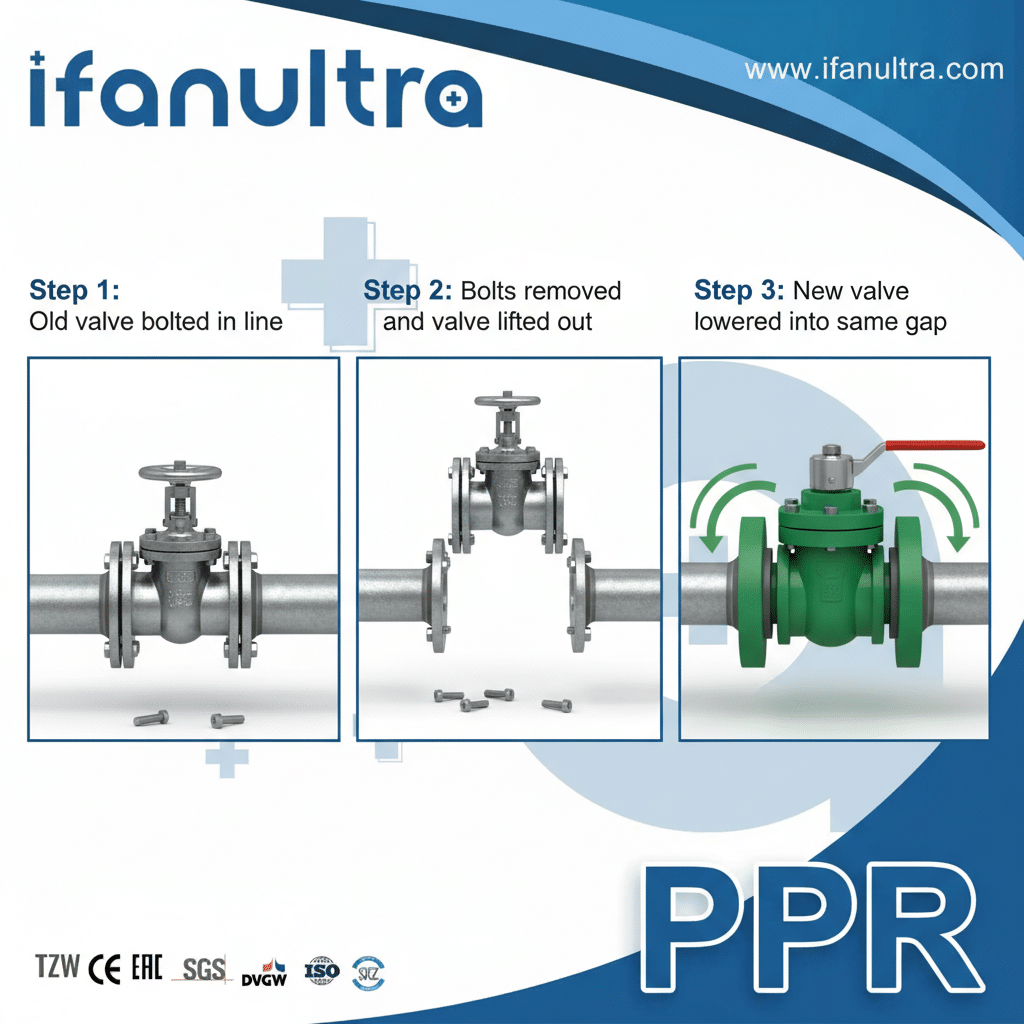
Yes, individual components like valves, strainers, or gauges can be replaced without cutting the main pipe if they are installed between two flanges. This configuration, known as a “flanged valve” or “flanged spool piece,” allows you to simply unbolt the old component, remove it, insert the new one, and rebolt the flanges together.
The Concept of Flanged Components
This is one of the most powerful applications of flange technology. Manufacturers produce standard components—not just pipes and fittings, but valves, filters, pressure reducers, and more—with integrated flanges on their inlet and outlet. This standardizes the connection method.
When you design your system with flanges at key locations, you are essentially building it with modular, replaceable parts. The main pipeline itself becomes a permanent framework. The functional components attached to it become interchangeable modules.
The Replacement Process: A Step-by-Step Comparison
Let’s compare replacing a central isolation valve in a critical line using two different methods.
| Step | Replacement WITH Flanged Valve | Replacement WITHOUT Flanges (Fused System) |
|---|---|---|
| 1. Isolation | Close adjacent valves. | Must shut down entire system or freeze the pipe. |
| 2. Disconnection | Unbolt 8 bolts (two flanges). | Cut pipe on both sides of the valve. |
| 3. Removal | Lift out old valve. | Remove cut section with old valve. |
| 4. Preparation | Clean flange faces; check new gasket. | Measure and prepare new pipe sections. |
| 5. Installation | Position new valve; insert bolts and tighten. | Fuse new valve and new pipe spools into line. |
| 6. Testing | Pressure test the joint. | Pressure test all new fusion joints. |
| Total Impact | Localized, mechanical, fast. | Destructive, requires skilled welding, slow. |
This non-destructive replacement capability is crucial for minimizing downtime in commercial buildings, factories, or process plants. It turns a potential day-long emergency repair into a two-hour scheduled task.
How Does It Improve Serviceability in Complex or Crowded Pipe Racks?
In tight mechanical rooms, just reaching a pipe joint can be a challenge. Flanges provide a practical solution to this physical problem.
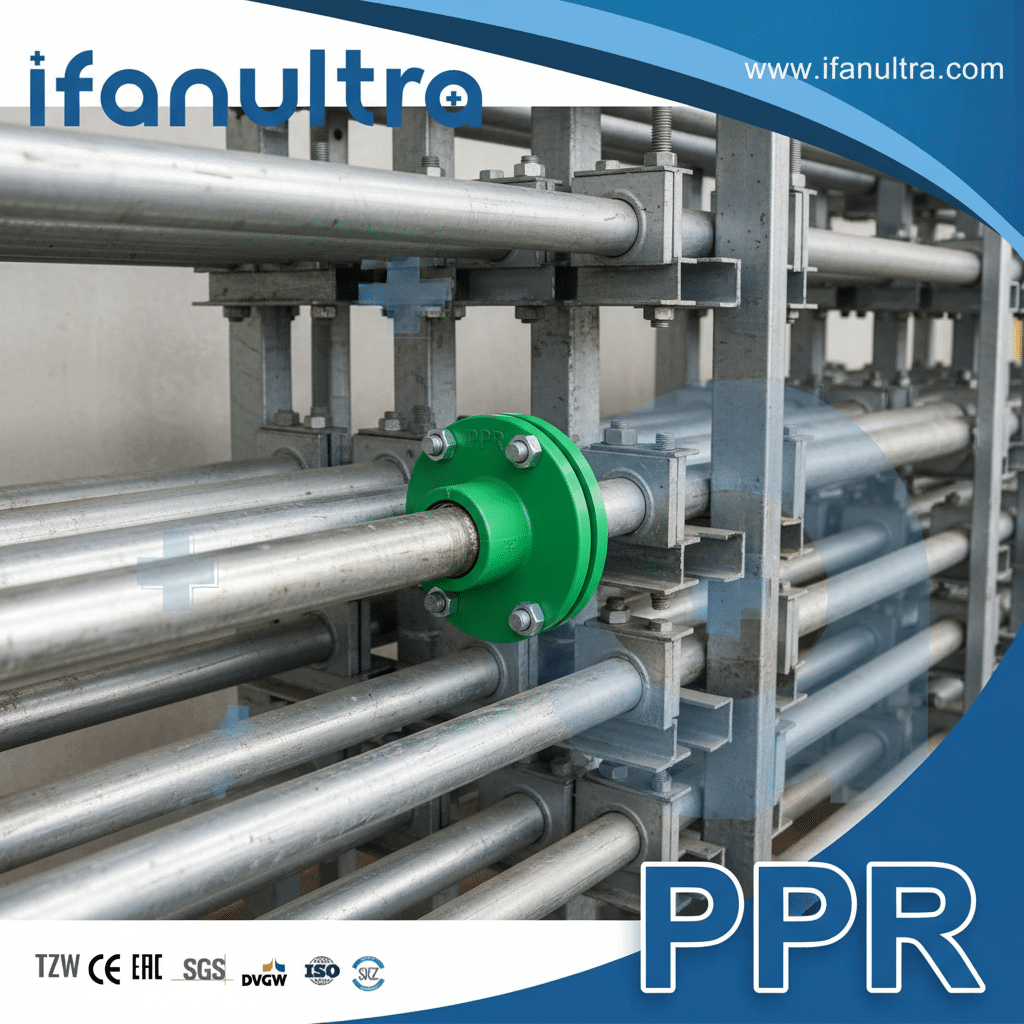
Flanged connections improve serviceability in crowded spaces by providing clear, tool-accessible disassembly points. They allow maintenance in tight spaces by enabling you to remove a single component without disturbing the entire pipe rack, and they make it easier to identify and isolate specific system sections.
Solving the Access Problem
Pipe racks in industrial plants or commercial basements are often dense networks of pipes. When all joints are fused, servicing a pipe at the back of the rack might require draining and dismantling several pipes in front of it—a domino effect of labor.
A flanged connection at a strategic point breaks this chain. If a pump at the back needs service, you only need enough clearance to get a wrench on the bolts of its inlet and outlet flanges. You can then remove the pump itself, leaving all other pipes completely untouched. This localized approach is the only practical way to maintain complex systems.
Enhancing System Identification and Management
Beyond physical access, flanges improve organizational serviceability. They create natural, visible breaks in the piping system. This makes it easier to:
- Create accurate as-built drawings: Flange positions are clear landmarks.
- Label and tag systems: You can hang tags on flange bolts to identify line contents, isolation points, or maintenance history.
- Plan lockout-tagout procedures: Isolating a system section is physically clear when you close a valve and then see the flanges that bound the isolated segment.
Application Scenarios for Flanged Systems
The table below shows where flanged serviceability provides the greatest return on investment.
| Service Scenario | Benefit of Flanged Connections |
|---|---|
| Retrofitting or Upgrading Equipment | Old equipment can be unbolted and new equipment bolted in place with minimal piping changes. |
| Frequent Inspection or Cleaning Cycles | (e.g., food & beverage, pharmaceutical lines). Quick disassembly supports strict hygiene protocols. |
| Space-Constrained Mechanical Rooms | Allows targeted repair without dismantling entire pipe racks. |
| Systems with High-Value Components | Protects the main pipeline investment by making expensive pumps or filters easily replaceable. |
In essence, flanges build “serviceability” into the physical design of the system. They acknowledge that systems will need maintenance and provide the built-in tools to perform it efficiently.
Conclusion
Flanged connections transform PPR system maintenance from a disruptive chore into a manageable, efficient process. For reliable, service-ready piping solutions, specify IFAN’s flanged PPR fittings and components for your next project.









 English
 Español
 Français
 Português do Brasil