
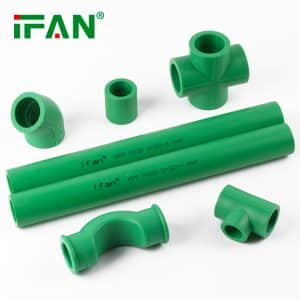
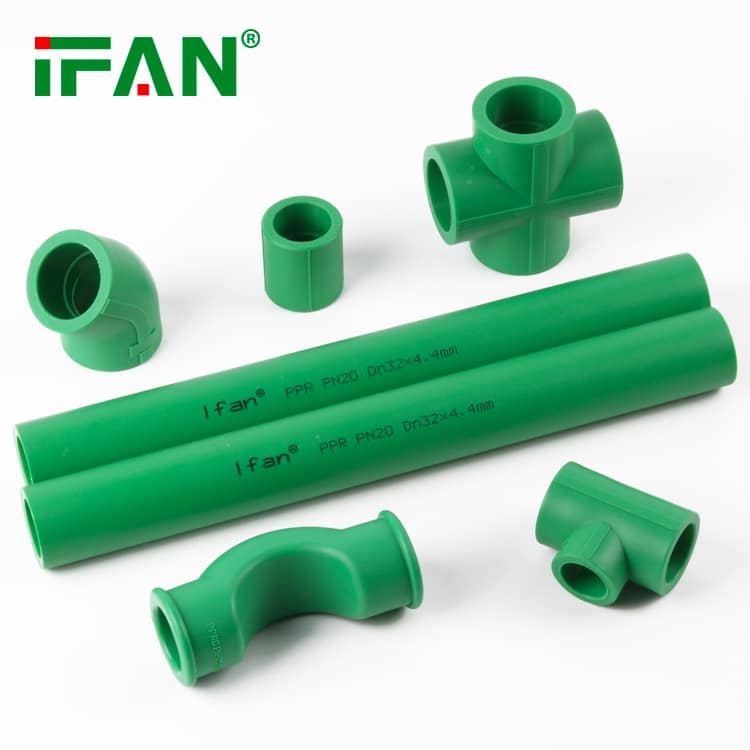
PPR (Polypropylene Random) pipes are built to last. These thermoplastic pipes deliver exceptional durability that outperforms traditional materials in most applications.
PPR Pipe Lifespan: What to Expect
Quality PPR pipes typically last 50+ years under normal operating conditions. This impressive lifespan makes them a cost-effective choice for residential and commercial plumbing systems.
The actual durability depends on several key factors:
- Installation quality
- Operating temperature
- Water pressure levels
- Chemical exposure
- Manufacturing standards
Temperature Resistance and Durability
PPR pipes excel in temperature performance. They handle hot water up to 95°C (203°F) continuously without degradation.
Cold water applications pose no durability concerns. PPR maintains structural integrity even in freezing conditions, unlike metal pipes that crack.
Temperature cycling doesn’t weaken PPR pipes. Daily hot-cold cycles that destroy other materials have minimal impact on PPR durability.
Chemical Resistance Properties
PPR pipes resist most chemicals found in water systems. Chlorine, acids, and alkalis don’t cause degradation over time.
This chemical stability ensures consistent performance throughout the pipe’s service life. No internal corrosion means maintained flow capacity and water quality.
Physical Durability Advantages
Impact Resistance
PPR pipes absorb impact energy without cracking. This flexibility prevents damage during installation and thermal expansion.
Pressure Tolerance
High-quality PPR pipes handle working pressures up to 25 bar (362 psi). This pressure rating remains stable throughout the pipe’s lifetime.
Fatigue Resistance
PPR withstands repeated pressure cycling without failure. Water hammer and pressure fluctuations don’t compromise long-term durability.
Factors That Affect PPR Pipe Durability
Qualité de la fabrication
Premium PPR pipes use virgin polypropylene materials. Recycled content reduces durability and shortens lifespan significantly.
Manufacturing defects like uneven wall thickness create weak points. Quality control during production directly impacts final durability.
Installation Practices
Proper fusion welding creates joints stronger than the pipe itself. Poor installation techniques reduce overall system durability.
Adequate support spacing prevents sagging stress. Unsupported spans create failure points over time.
Operating Conditions
Continuous high temperatures reduce lifespan gradually. Operating at maximum temperature limits accelerates aging.
Excessive pressure beyond design ratings causes premature failure. Pressure spikes from water hammer should be controlled.
PPR vs. Other Pipe Materials Durability
| Matériau | Typical Lifespan | Corrosion Risk | Temperature Limit |
|---|---|---|---|
| PPR | 50 ans et plus | None | 95°C |
| PVC | 25-40 years | Faible | 60°C |
| Copper | 20-70 years | Haut | 180°C |
| Steel | 15-20 ans | Very High | 200°C+ |
PPR pipes offer the best balance of durability, cost, and performance for most applications.
Signs of PPR Pipe Aging
Even durable PPR pipes show aging signs eventually:
- Slight discoloration after decades
- Minor flexibility reduction
- Surface oxidation in UV exposure
These changes don’t indicate imminent failure. PPR pipes continue functioning reliably even with visible aging.
Maximizing PPR Pipe Durability
Proper Design
Size pipes correctly for flow requirements. Oversized systems reduce stress and extend life.
Include expansion joints where needed. Thermal stress relief prevents long-term damage.
Quality Installation
Use certified fusion equipment. Proper welding temperatures ensure maximum joint strength.
Follow manufacturer spacing requirements. Adequate support prevents mechanical stress.
System Maintenance
Monitor pressure levels regularly. Pressure regulation prevents stress-related failures.
Protect exposed pipes from UV light. Sunlight degrades PPR over extended periods.
Custom PPR Solutions for Enhanced Durability
Different applications require specific durability characteristics. Industrial systems need higher pressure ratings than residential installations.
Custom PPR pipe solutions optimize durability for specific conditions:
- Enhanced UV resistance for exposed installations
- Higher pressure ratings for industrial applications
- Special formulations for chemical environments
- Custom wall thickness for extreme conditions
Quality Manufacturing Makes the Difference
PPR pipe durability starts with manufacturing quality. Advanced production techniques and quality materials create pipes that exceed standard durability expectations.
Strict quality control ensures consistent wall thickness and material properties. Every pipe meets durability specifications before leaving the factory.
Testing protocols verify pressure ratings and temperature resistance. This quality assurance guarantees the advertised durability performance.
Conclusion: PPR Pipe Durability Advantage
PPR pipes deliver exceptional durability through superior materials and manufacturing. Their 50+ year lifespan, combined with resistance to corrosion, chemicals, and temperature cycling, makes them ideal for long-term installations.
Proper installation and quality manufacturing maximize this inherent durability. When you need reliable piping that lasts decades, PPR pipes provide the durability advantage your project requires.
Ready to experience PPR pipe durability firsthand? Contact our team for custom solutions that meet your specific durability requirements.









 English
 Español
 Français
 Português do Brasil