
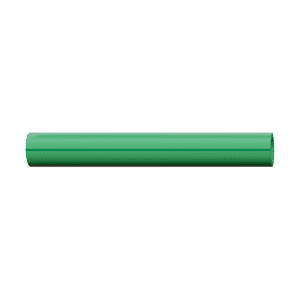
PPR (Polypropylene Random Copolymer) pipes have gained popularity in plumbing systems worldwide. However, they come with significant drawbacks that property owners and contractors must consider.
Temperature Limitations
PPR pipes struggle with extreme temperatures. They cannot handle water above 95°C (203°F) for extended periods. High temperatures cause pipe deformation and reduced lifespan.
The material becomes soft when exposed to hot water. This softening leads to sagging in horizontal installations. Wall-mounted pipes may pull away from supports over time.
Cold weather presents different challenges. PPR becomes brittle at temperatures below -10°C (14°F). Frozen pipes can crack easily, requiring costly replacements.
UV Degradation Issues
Sunlight damages PPR pipes severely. UV rays break down the polymer structure within months. Exposed outdoor installations turn yellow and become fragile.
Indoor applications near windows also suffer UV damage. Even reflected sunlight causes gradual deterioration. Protective covers add installation costs and maintenance requirements.
Limited Chemical Resistance
PPR pipes react poorly with certain chemicals. Strong acids and bases cause pipe walls to weaken. Organic solvents can penetrate the material completely.
Chlorinated water creates long-term problems. High chlorine concentrations gradually degrade the polymer. Municipal water treatment levels rarely cause immediate issues, but cumulative exposure matters.
Oil-based substances present particular risks. Petroleum products can migrate through PPR walls. This migration contaminates water supplies and weakens structural integrity.
Expansion and Contraction Problems
PPR expands significantly with temperature changes. The linear expansion coefficient is much higher than metal pipes. Hot water systems require extensive expansion joints.
Improper expansion planning causes pipe buckling. Walls and floors may crack from excessive pipe movement. Repair costs often exceed original installation savings.
Contraction during cooling creates different stresses. Joints may separate or develop micro-cracks. These failures often occur gradually, making detection difficult.

Joining and Installation Challenges
Heat fusion welding requires specialized equipment. Inexperienced installers frequently create weak joints. Poor welds fail under normal operating pressures.
The fusion process demands precise temperature control. Overheating creates brittle connections. Underheating results in incomplete bonding.
Installation mistakes are difficult to detect visually. Pressure testing may not reveal all defective joints. Hidden failures cause water damage months later.
Pressure Rating Limitations
PPR pipes lose pressure capacity with temperature increases. Maximum working pressure drops significantly with hot water. System designers must account for these reductions.
Standard PPR cannot handle high-pressure applications. Industrial systems often require alternative materials. Pumped systems may exceed PPR capabilities.
Age-related pressure degradation occurs gradually. Older installations handle less pressure than when new. Safety margins decrease over operational lifespan.
Size and Flow Restrictions
PPR pipes have thicker walls than metal alternatives. Internal diameters are smaller for equivalent outside dimensions. This reduces flow capacity significantly.
Large diameter PPR pipes become expensive quickly. Material costs increase exponentially with size. Installation difficulty also rises with pipe diameter.
Flow characteristics worsen with age. Internal surfaces may roughen over time. Reduced flow capacity affects system performance.
Economic Considerations
Initial cost savings may disappear long-term. Replacement frequency exceeds quality metal pipes. Maintenance costs accumulate over system lifetime.
Labor costs for PPR installation vary widely. Skilled welders command premium wages. Poor installation creates expensive callback situations.
Energy efficiency suffers compared to insulated metal systems. Heat loss through PPR walls increases operating costs. Cooling applications face similar efficiency penalties.
Environmental Impact
PPR recycling remains challenging in many regions. Disposal options are limited compared to metal pipes. Environmental regulations may restrict future use.
Manufacturing processes consume significant energy. Carbon footprint exceeds some alternative materials. Sustainability considerations favor other pipe types.
Making Informed Decisions
Understanding PPR disadvantages helps in material selection. Each application requires careful evaluation of pros and cons. Alternative materials may offer better long-term value.
Professional consultation ensures optimal pipe selection. Experienced contractors understand local conditions and requirements. Custom pipe solutions can address specific application challenges.
Consider total lifecycle costs rather than just initial investment. Factor in maintenance, replacement, and operational expenses. Quality materials often provide better overall value.
Conclusion
PPR pipes offer certain advantages but come with notable limitations. Temperature sensitivity, UV degradation, and expansion issues create ongoing concerns. Chemical resistance problems and installation challenges add complexity.
Careful evaluation of specific requirements helps determine if PPR suits your application. Consider consulting with piping professionals for critical installations. Alternative materials may provide better performance and longevity for demanding applications.









 English
 Español
 Français
 Português do Brasil