

PPR, or Polypropylene Random Copolymer, is a versatile thermoplastic material widely used in modern plumbing and piping systems. This innovative material has revolutionized the construction industry, offering superior performance and longevity compared to traditional piping materials. In this comprehensive guide, we’ll explore the meaning of PPR, its applications, and the importance of a Tubo PPR catalogue in selecting the right products for your projects.
Introduction to PPR
PPR has gained significant popularity in recent years due to its exceptional properties and versatility. This material is commonly used in various applications, including:
- Residential and commercial plumbing systems
- Hot and cold water distribution
- Heating and cooling systems
- Industrial fluid transport
- Chemical processing plants
The widespread adoption of PPR in these sectors is a testament to its reliability and performance in diverse environments.
Understanding PPR Pipes
What Does PPR Stand For?
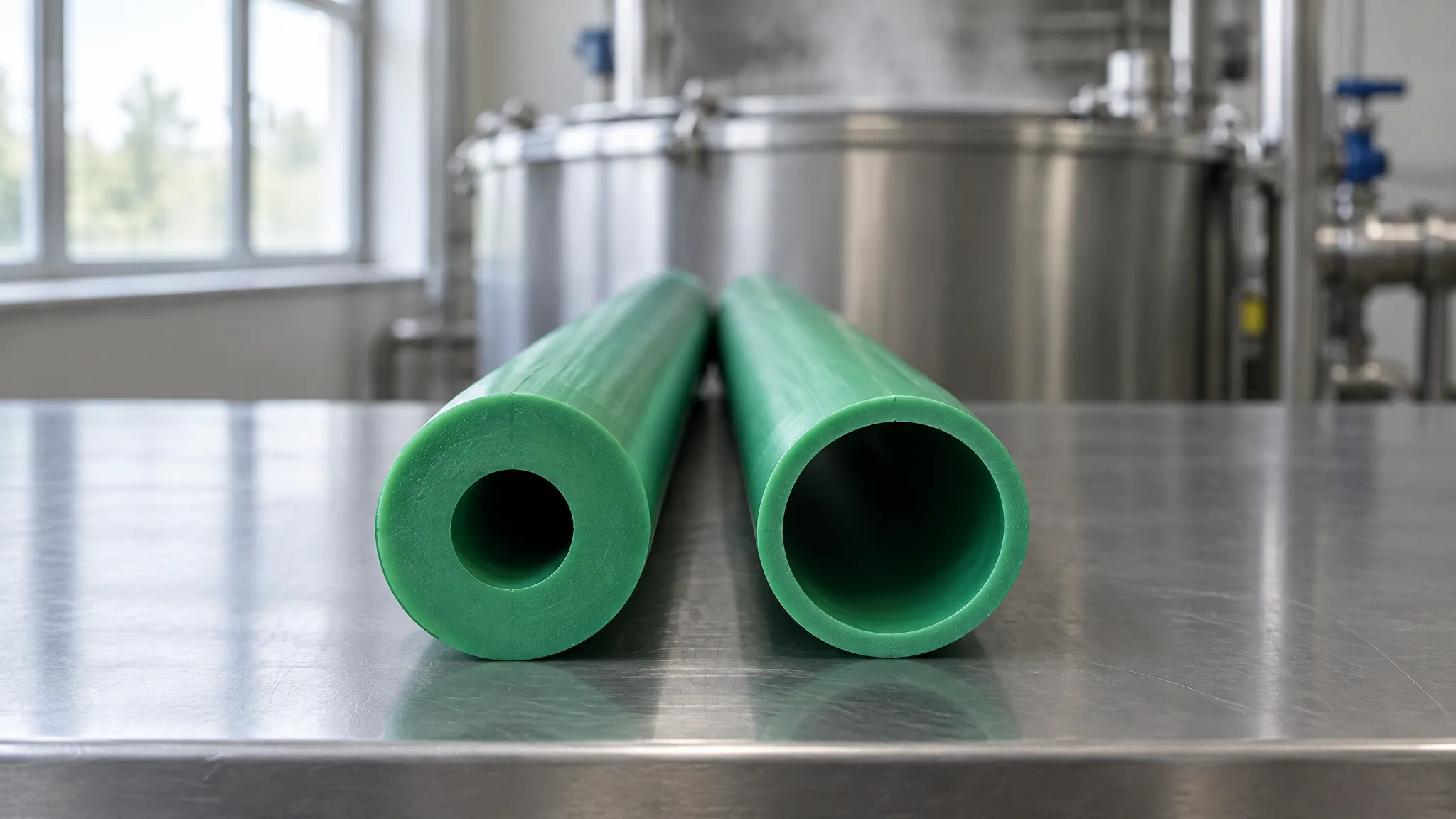
PPR stands for Polypropylene Random Copolymer. This advanced plastic material is created by polymerizing propylene monomers with a small percentage of ethylene. The resulting copolymer exhibits excellent physical and chemical properties, making it ideal for piping applications[1].
Key properties of PPR materials include:
- High temperature resistance (up to 95°C)
- Excellent chemical resistance
- Low thermal conductivity
- High impact strength
- Smooth inner surface for improved flow characteristics

Advantages of PPR Pipes
PPR pipes offer numerous advantages over traditional piping materials, contributing to their growing popularity in the construction industry[2]:
- Durability and corrosion resistance: PPR pipes are highly resistant to chemical corrosion and do not rust, ensuring a long service life.
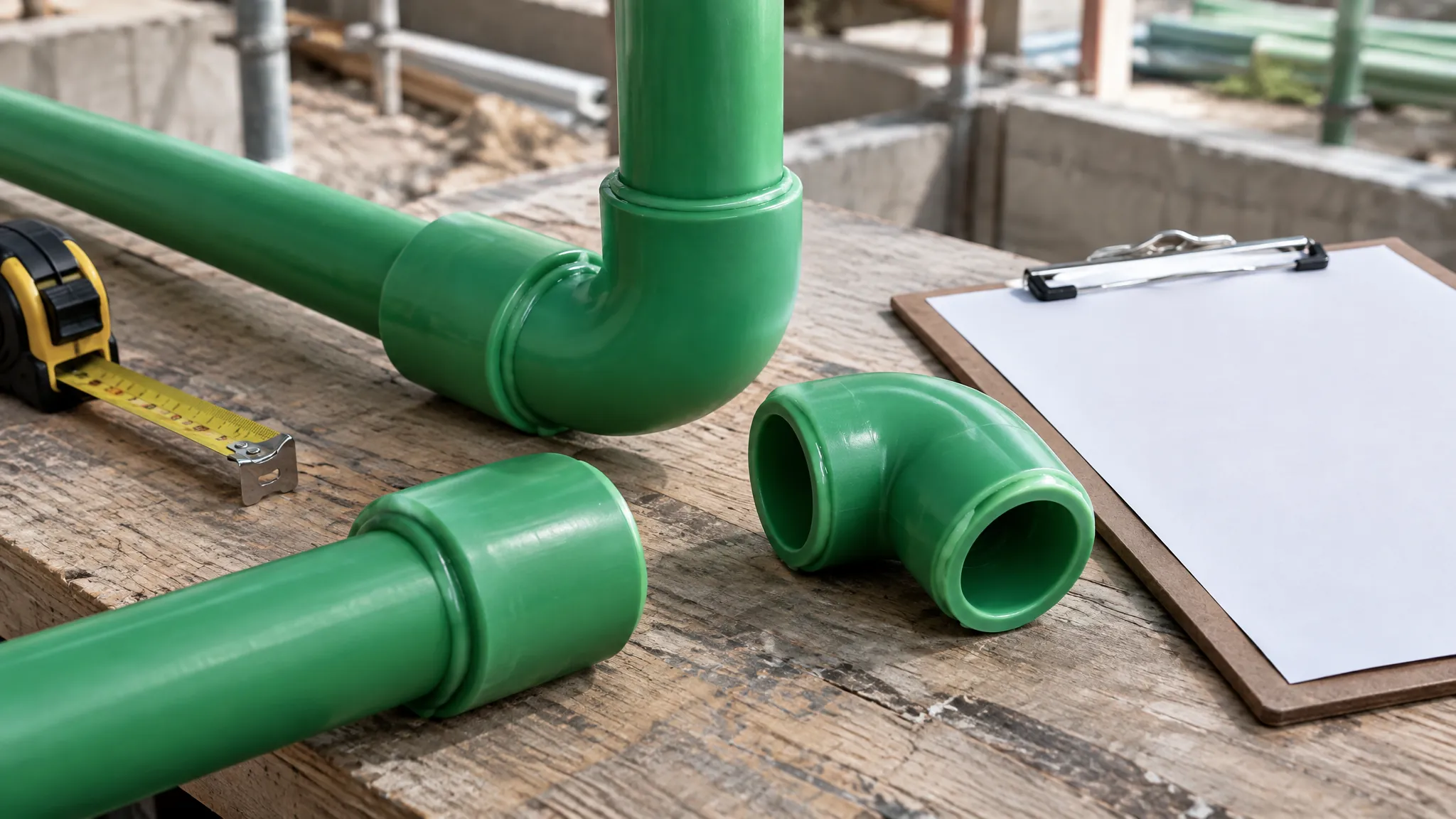
- Flexibility and ease of installation: The material’s flexibility allows for easier handling and installation, reducing labor costs and installation time.
- Hygienic properties: PPR pipes do not leach harmful substances into water, making them safe for potable water systems.
- Energy efficiency: The low thermal conductivity of PPR helps maintain water temperature, reducing energy losses in hot water systems.
The Role of a PPR Pipe Catalogue
What is a PPR Pipe Catalogue?
A PPR pipe catalogue is an essential resource for engineers, contractors, and plumbers working with PPR piping systems. It provides comprehensive information about available PPR products, including pipes, fittings, and accessories[3].
A typical PPR pipe catalogue includes:
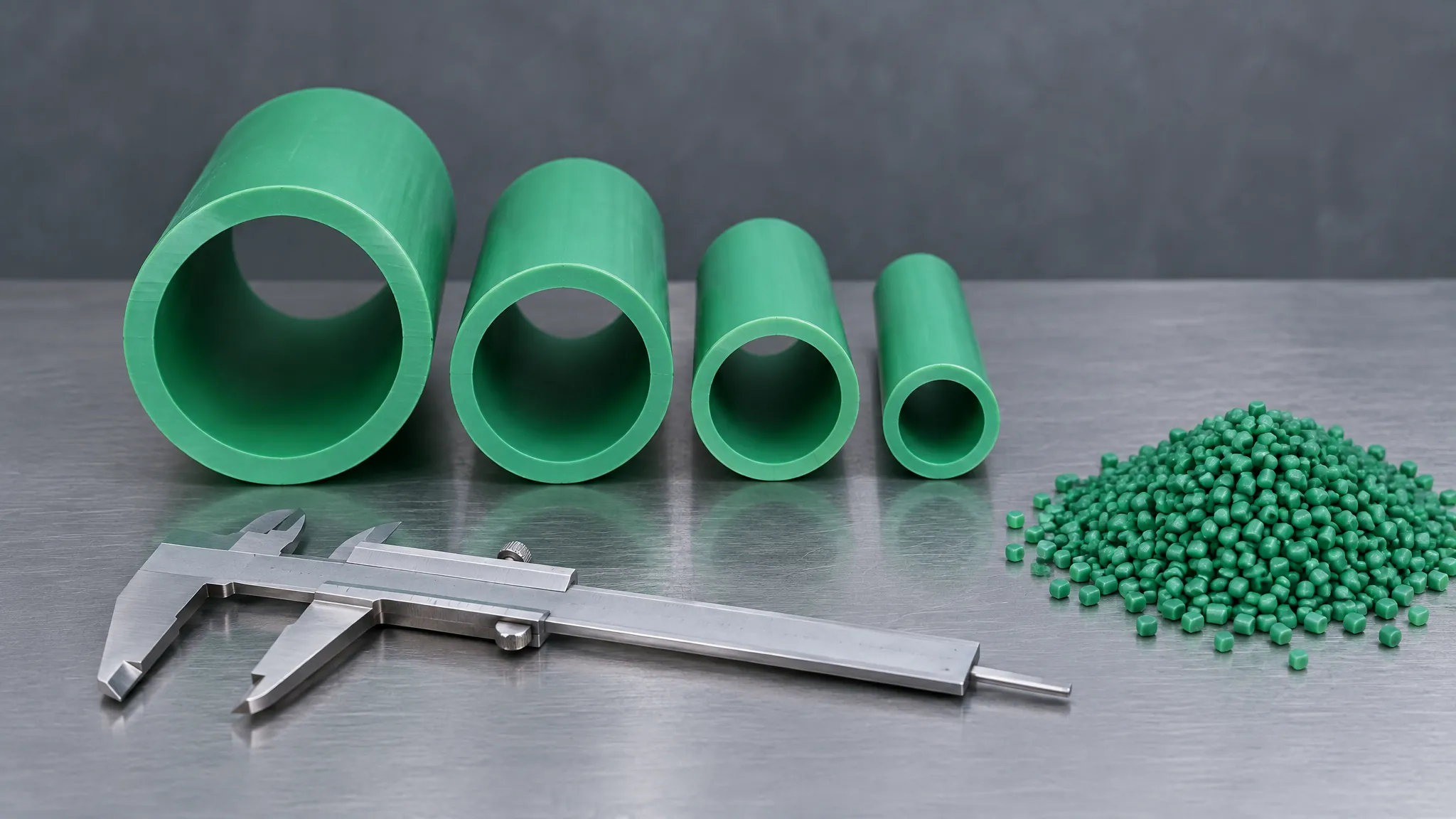
- Pipe sizes and dimensions
- Pressure ratings and temperature resistance
- Material specifications and properties
- Available fittings and accessories
- Installation guidelines and best practices
How to Use a Tubos PPR Catalogue Effectively
To select the right PPR pipes for your project, follow these steps:
- Determine your project requirements (e.g., flow rate, pressure, temperature)
- Consult the catalogue to find pipes that meet your specifications
- Compare different options based on factors like cost, availability, and performance
- Select appropriate fittings and accessories for your chosen pipes
- Review installation guidelines to ensure proper system design

Applications of PPR Pipes
PPR pipes find applications in various sectors, including:
- Residential plumbing: Hot and cold water distribution, radiant heating systems
- Commercial buildings: HVAC systems, water supply networks
- Industrial facilities: Chemical transport, compressed air systems
- Agriculture: Irrigation systems, greenhouse climate control
Selecting the Right PPR Pipes with the Catalogue
When choosing PPR pipes for your project, consider the following factors[4]:
- Pressure ratings: Ensure the selected pipes can withstand the system’s operating pressure
- Temperature resistance: Choose pipes suitable for the expected temperature range
- Chemical compatibility: Verify the pipes’ resistance to any chemicals they may encounter
- Flow requirements: Select appropriate pipe diameters to meet flow rate needs
Conclusión
Understanding the meaning of PPR and leveraging a comprehensive PPR pipe catalogue are crucial steps in designing and implementing efficient piping systems. By carefully considering project requirements and consulting the catalogue, you can ensure the selection of high-quality PPR pipes that offer long-lasting performance and reliability.
For more information on PPR piping systems and to explore our extensive product range, visit IFAN Ultra’s Product Series. Our expert team is ready to assist you in finding the perfect PPR solutions for your next project.




 English
 Español
 Français
 Português do Brasil