

Introducción
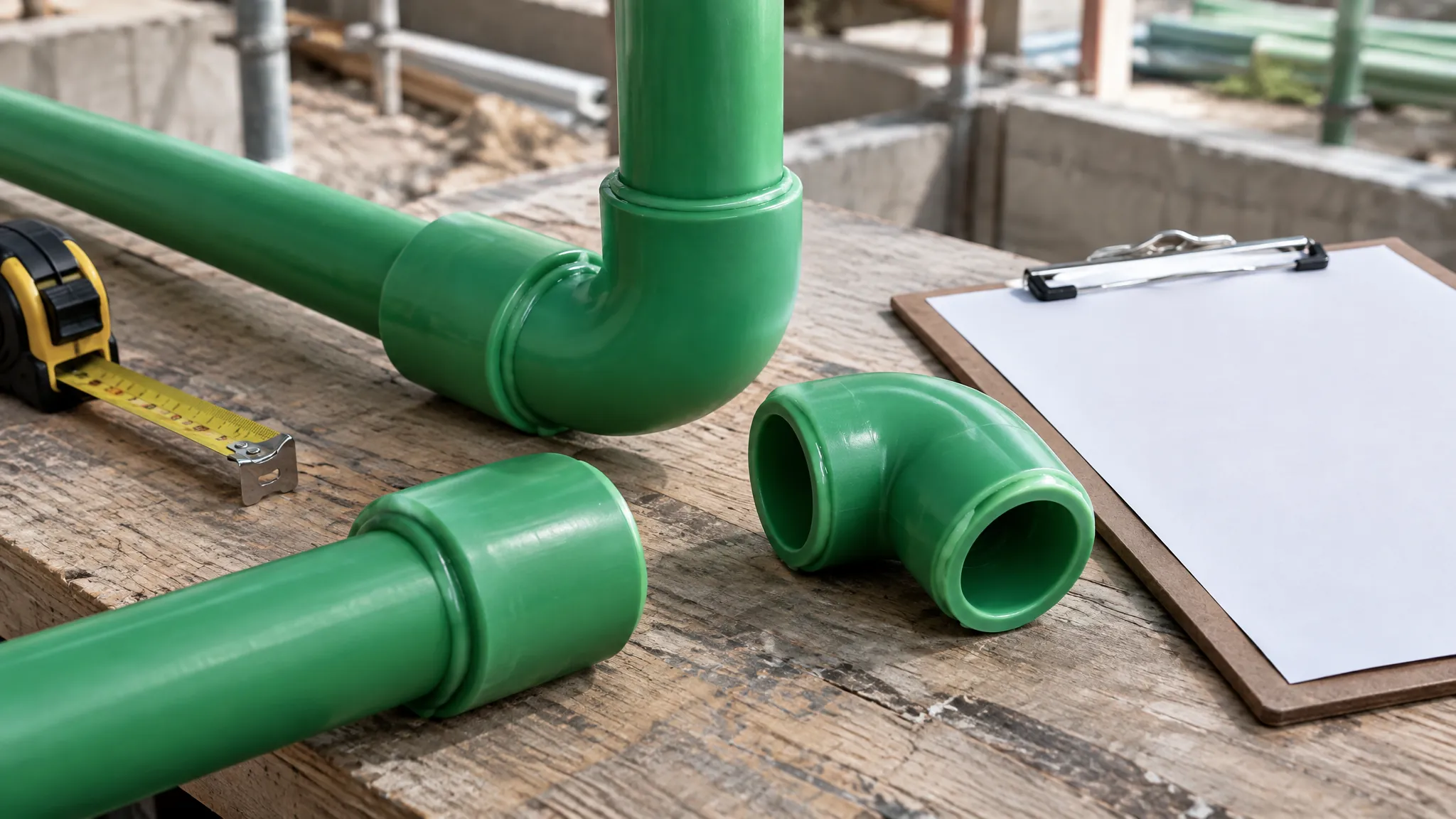
Polypropylene Random Copolymer (PPR) pipes have become increasingly popular in plumbing and heating systems due to their durability, corrosion resistance, and ease of installation. However, proper connection methods are crucial to ensure leak-free and long-lasting pipe joints. This article explores five effective techniques for connecting PPR pipes, detailing the process, tools required, and key considerations for each method.
Method 1: Electrofusion Welding for PPR Pipes
Key Components and Tools
- Electrofusion welding machine
- Electrofusion fittings
- Pipe cutter
- Pipe scraper
- Isopropyl alcohol and clean cloth
Step-by-Step Process
- Cut the Tubo PPR ends squarely using a pipe cutter
- Clean and scrape the pipe ends to remove oxidation
- Mark the insertion depth on the pipes
- Insert pipes into the electrofusion fitting
- Connect the welding machine and initiate the welding cycle
- Allow the joint to cool before pressure testing

Benefits and Considerations

- Highly reliable and strong joints
- Suitable for larger diameter pipes
- Requires specialized equipment and trained operators
- More expensive than some other methods
Method 2: Hot-Air Socket Welding for PPR Pipes
Key Components and Tools
- Hot-air welding machine with appropriate socket heads
- PPR socket fittings
- Pipe cutter
- Marker pen
Step-by-Step Process
- Cut the Tubo PPR ends squarely
- Mark the insertion depth on the pipe
- Heat both the pipe end and fitting socket using the welding machine
- Insert the heated pipe into the fitting quickly and hold in place
- Allow the joint to cool before handling
Benefits and Considerations
- Fast and efficient for smaller diameter pipes
- Relatively inexpensive equipment
- Requires practice to achieve consistent results
- Not suitable for large diameter pipes
Method 3: Butt Fusion Welding for PPR Pipes
Key Components and Tools
- Butt fusion welding machine
- Pipe facing tool
- Pipe clamps
- Thermometer
Step-by-Step Process

- Secure pipes in the welding machine clamps
- Face the pipe ends to ensure they are flat and parallel
- Heat both pipe ends using the fusion plate
- Remove the heating plate and quickly press the pipe ends together
- Maintain pressure until the joint cools
Benefits and Considerations
- Creates very strong, seamless joints
- Ideal for large diameter pipes
- Requires expensive equipment and skilled operators
- Time-consuming process compared to other methods
Method 4: Compression Fittings for PPR Pipes
Key Components and Tools
- Compression fittings designed for PPR pipes
- Pipe cutter
- Deburring tool
- Adjustable wrench
Step-by-Step Process
- Cut the Tubo PPR squarely and deburr the edges
- Slide the nut and compression ring onto the pipe
- Insert the pipe fully into the fitting body
- Tighten the nut to compress the ring and create a seal
Benefits and Considerations
- No special tools or heating required
- Allows for easy disassembly and reuse
- May not be suitable for high-pressure applications
- More expensive than fusion welding methods
Method 5: Push-Fit Connectors for PPR Pipes

Key Components and Tools
- Push-fit connectors compatible with Tubos PPR
- Pipe cutter
- Deburring tool
- Depth gauge or marker
Step-by-Step Process
- Cut the Tubo PPR squarely and remove any burrs
- Mark the insertion depth on the pipe
- Push the pipe firmly into the connector until it reaches the marked depth
- Pull back slightly to ensure the grip ring has engaged
Benefits and Considerations
- Extremely fast and easy installation
- No tools or heat required
- Limited availability of fittings for PPR pipes
- May not be suitable for all applications or presiones nominales
Conclusión
Each method for connecting PPR pipes has its own advantages and limitations. Electrofusion and butt fusion welding offer the strongest joints but require specialized equipment. Hot-air socket welding is efficient for smaller pipes, while compression and push-fit connectors provide tool-free options for quick installations. Consider factors such as pipe diameter, pressure requirements, installation environment, and available resources when selecting the most appropriate connection method for your PPR piping system.


 English
 Español
 Français
 Português do Brasil