

When it comes to plumbing and piping systems, two of the most commonly used materials are PPR (Polypropylene Random Copolymer) pipes and PVC (Polyvinyl Chloride) pipes. Whether you’re a homeowner looking to upgrade your plumbing or a professional working on a new construction project, understanding the differences between PPR and PVC pipes is crucial for making the best choice for your needs.
In this comprehensive guide, ifanultra will explore both types of pipes, highlight their advantages and disadvantages, and discuss which one might be the right fit for your plumbing projects. By the end of this article, you’ll have a clear understanding of the PPR vs PVC debate and be ready to make an informed decision.

Understanding PPR Pipe
What is PPR Pipe?
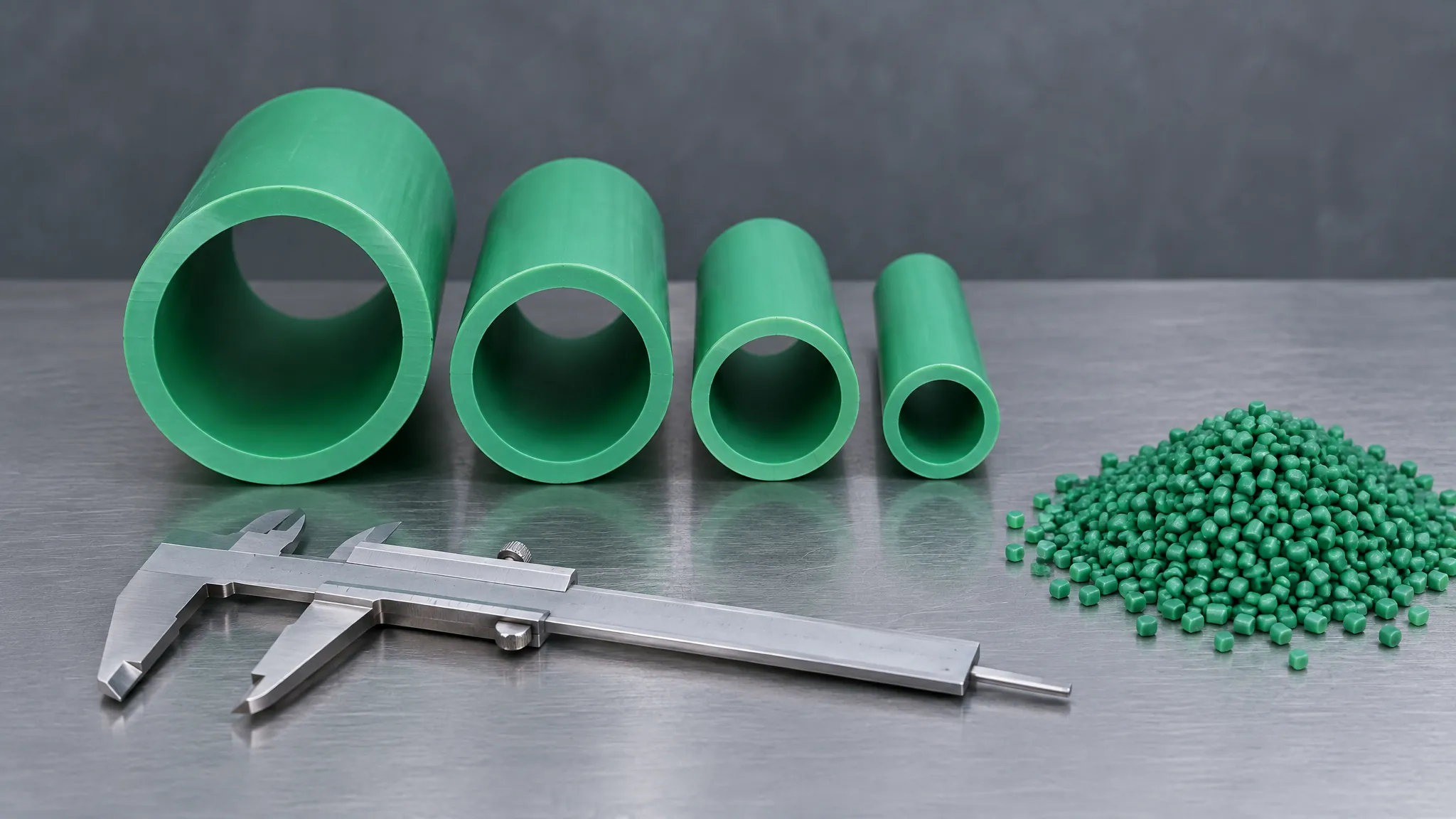
PPR pipes are made from polypropylene, a thermoplastic polymer known for its high resistance to temperature and pressure. These pipes are often used in hot and cold water systems, making them a popular choice for residential, commercial, and industrial plumbing applications.
Benefits of PPR Pipes
PPR pipes come with several significant advantages that make them stand out. They are known for their durability, long lifespan, and resistance to corrosion. Additionally, PPR pipes are easy to install due to their lightweight nature and compatibility with various fittings. They also have excellent thermal insulation properties, reducing energy loss in hot water systems. For high-quality PPR pipes, the ifanultra brand is a great option, because he can buy the same quality product at a cheaper price than aquatherm, the pipe manufacturer.
Common Applications of PPR Pipes
PPR pipes are commonly used in a range of applications, including:
- Hot and cold water systems
- Heating systems (underfloor heating)
- Industrial piping for chemical processing
- Potable water supply systems
- HVAC installations

Understanding PVC Pipe
What is PVC Pipe?
PVC pipes are made from polyvinyl chloride, a synthetic plastic polymer. These pipes are widely used in a variety of plumbing and drainage systems due to their cost-effectiveness and ease of installation. PVC pipes are typically rigid and come in different thicknesses depending on their intended use.
Benefits of PVC Pipes
PVC pipes offer several advantages that make them a popular choice for plumbing applications. They are resistant to corrosion, lightweight, and easy to install. PVC is also a cost-effective material, making it ideal for projects on a budget. Furthermore, PVC pipes are widely available and come in a variety of sizes and specifications to suit different needs.
Common Applications of PVC Pipes
PVC pipes are commonly used in:
- Drainage and sewage systems
- Irrigation systems
- Ventilation systems
- Electrical conduit systems
- Low-pressure water supply lines
PPR Pipe vs PVC Pipe: Key Differences
Durability and Lifespan
When it comes to durability, PPR pipes have the edge over PVC. PPR pipes are resistant to both high temperatures and high pressures, giving them a longer lifespan, especially in hot water systems. PVC pipes, while durable for cold water and drainage, tend to degrade faster under high temperatures and pressure.
Cost Comparison
PVC pipes are generally more affordable than PPR pipes, making them a more budget-friendly option for projects where cost is a significant factor. However, PPR pipes’ longer lifespan and resistance to damage may justify their higher upfront cost in some applications.
Installation Process
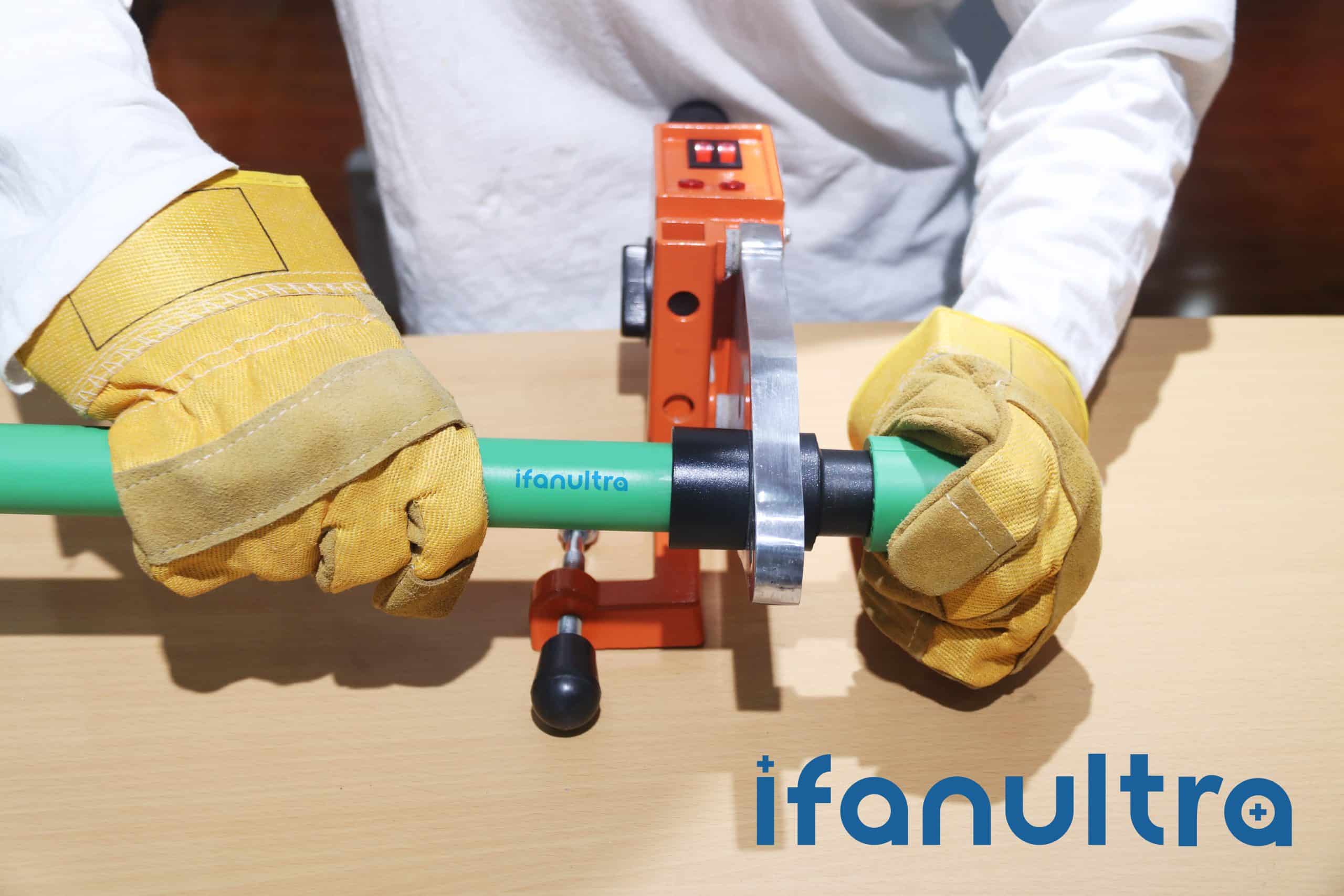
Both PPR and PVC pipes are relatively easy to install. However, PPR pipes require specialized tools for welding the fittings, while PVC pipes use solvent cement to bond the joints. PVC pipe installation is typically faster and requires less specialized equipment, making it a good option for DIY projects.
Which is Better for Plumbing?
PPR for Residential Use
PPR pipes are an excellent choice for residential pipes, especially in areas with suitable temperatures such as Asia and the Middle East. More people choose PPR pipes as home water supply pipes because PPR pipes are cheaper than PVC and generally have a 50-year warranty.
PVC for Industrial Use
While PPR pipes are suitable for residential use, PVC pipes are more commonly used in industrial and drainage systems due to their affordability and resistance to chemicals and corrosion. PVC pipes are an ideal choice for low-pressure systems where cost efficiency is important.
Choosing the Right Pipe for Your Project
Factors to Consider
When choosing between PPR and PVC pipes, consider the following factors:
- Pressure: If you’re working with high-pressure systems, PPR pipes may be the better choice.
- Cost: PPR pipes are more cost-effective, making them ideal for low-budget projects.
- Lifespan: PPR pipes tend to last longer, especially in demanding environments.
- Installation: PVC pipes are easier and quicker to install for most DIY projects.
PPR Pipe vs PVC Pipe Comparison Table
| Característica | Tubos PPR | Tubería de PVC |
|---|---|---|
| Material | Polypropylene (PPR) | Polyvinyl Chloride (PVC) |
| Resistencia a la temperatura | Excellent (up to 95°C) | Good (up to 60°C) |
| Resistencia a la presión | High pressure resistance | Low to medium pressure resistance |
| Lifespan | Más de 50 años | 25-40 years |
| Resistencia a la corrosión | Excelente | Bien |
| Installation | Requires specialized welding tools | Easy with solvent cement |
| Cost | More expensive | More affordable |
| Usos comunes | Hot/cold water, industrial piping, heating | Drainage, irrigation, electrical conduit |
Conclusión
In the end, both PPR and PVC pipes have their unique benefits. The choice between the two ultimately depends on your specific needs, budget, and the type of plumbing system you’re working on. PPR pipes are ideal for high-temperature and high-pressure systems, while PVC pipes are a more economical option for low-pressure systems and drainage. If you’re looking for top-notch PPR pipes, ifanultra offers some of the best options on the market. By considering the factors mentioned above, you can make the best decision for your plumbing project.
FAQs
- Can PPR pipes be used for both hot and cold water systems? Yes, but it needs to be within the specified temperature range. For example, the temperature range of household water is fine, but it will melt if it exceeds this range.
- Is PVC suitable for drinking water supply? Yes, PVC pipes are often used for drinking water supply, but they are typically not recommended for hot water systems.
- Which pipe is more cost-effective for residential plumbing? PVC pipes are generally more affordable and suitable for most residential plumbing projects.
- Do PPR pipes require special tools for installation? Yes, PPR pipes require welding equipment for joining, making the installation process more specialized.
- Which pipe lasts longer? PPR pipes tend to last longer than PVC pipes, especially in hot water applications.




 English
 Español
 Français
 Português do Brasil