
I remember a client asking if we had pipes that would simply disappear after their temporary construction project ended. That question sparked my deep dive into the world of biodegradable plumbing materials.
Yes, biodegradable and bio-based plastic pipes are emerging in the market, but they are not yet mainstream for permanent plumbing installations. Materials like PLA (Polylactic Acid) and PHA (Polyhydroxyalkanoates) are being actively explored and tested for piping. However, their application is currently limited to niche, temporary, or low-pressure uses due to differences in mechanical properties and controlled degradation requirements compared to traditional plastics like PP-R or PVC.
Let’s examine the current state of this evolving technology and where it might fit in the real world.
What Bio-Based Polymers Like PLA or PHA Are Being Explored for Piping?
The search for sustainable materials has led researchers to some fascinating alternatives. I’ve followed several pilot projects testing these new polymers.
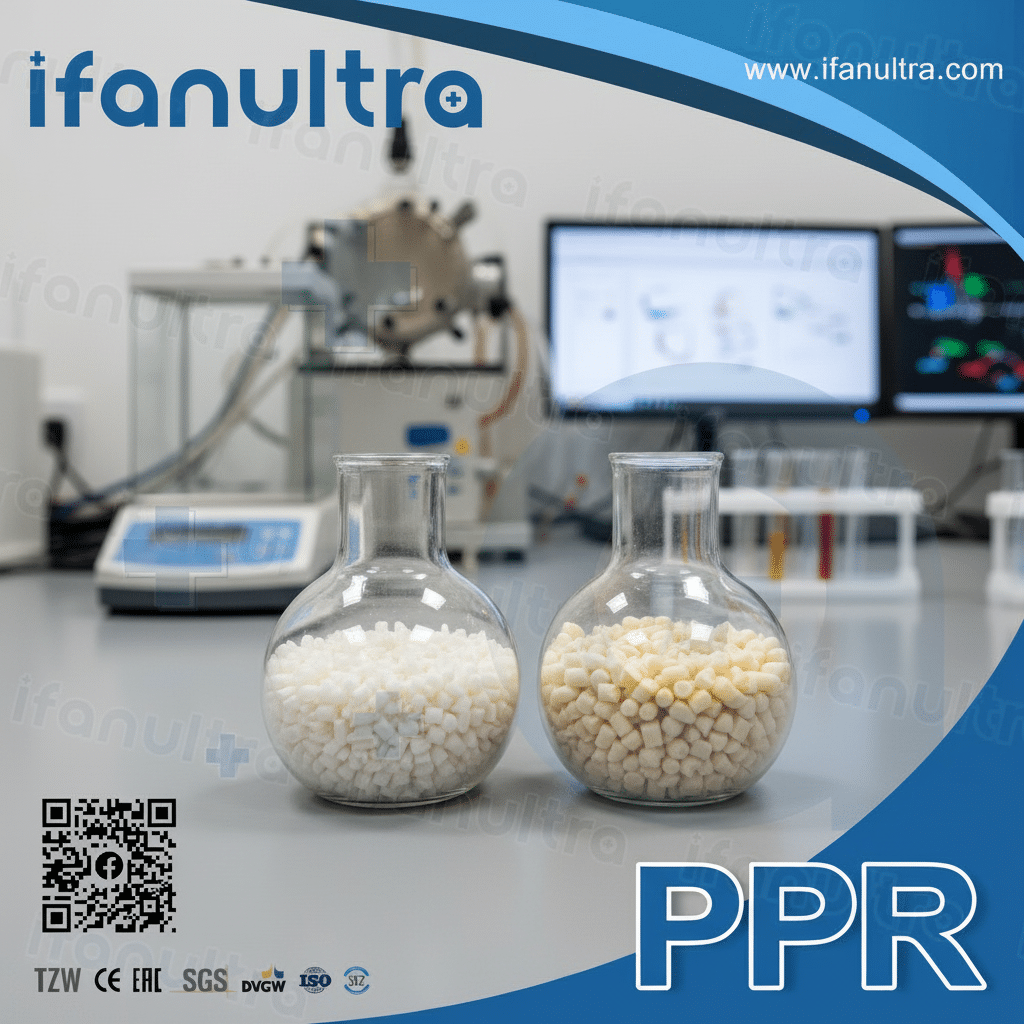
The main bio-based polymers being explored for piping include PLA (Polylactic Acid), derived from fermented plant starch like corn or sugarcane, and PHA (Polyhydroxyalkanoates), produced by bacterial fermentation of sugars or lipids. Other materials under investigation include starch blends, cellulose-based polymers, and modified bio-polyesters that aim to combine renewability with improved performance.
Understanding the Leading Bio-Based Polymers
Not all bio-based plastics are created equal. Each has unique properties that affect its suitability for piping applications.
PLA (Polylactic Acid): This is currently the most common bio-based plastic. Manufacturers produce it by fermenting plant sugars into lactic acid, then polymerizing it.
- Source: Corn, sugarcane, cassava.
- Key Properties: Transparent, rigid, compostable in industrial facilities.
- Piping Potential: Good for short-term drainage or irrigation, but it has low heat resistance and can be brittle.
PHA (Polyhydroxyalkanoates): This is a family of polyesters that bacteria produce naturally. The bacteria eat carbon sources (like plant oils or sugars) and store PHA as energy reserves, which we then extract.
- Source: Bacterial fermentation of plant oils, sugars, methane.
- Key Properties: Biocompatible, biodegradable in various environments (including soil and marine), more flexible than PLA.
- Piping Potential: More promising for piping due to better flexibility and natural degradation in diverse conditions.
Starch Blends and Other Materials:
- Thermoplastic Starch (TPS): Often blended with other biodegradable polyesters to improve mechanical properties. Used in some mulch films and temporary tubing.
- Cellulose-Based Polymers: Derived from wood pulp or cotton. They offer good strength but can be sensitive to moisture.
- Bio-Polyethylene (Bio-PE): Made from bio-ethanol (often from sugarcane), this is chemically identical to traditional polyethylene. It is bio-based but not biodegradable. This is an important distinction.
Comparative Overview of Bio-Based Polymers
The table below summarizes key differences among these materials:
| Polymer Type | Source | Biodegradable? | Key Properties | Piping Suitability |
|---|---|---|---|---|
| PLA | Corn, sugarcane | Yes (industrial composting) | Rigid, transparent, low heat resistance | Limited (temporary, low-temp) |
| PHA | Bacterial fermentation | Yes (soil, marine, compost) | Flexible, biocompatible, variable properties | Promising (diverse applications) |
| Starch Blends | Corn, potato, etc. | Yes | Often blended for flexibility, moisture-sensitive | Very limited (specialty uses) |
| Bio-PE | Sugarcane, corn | No | Chemically identical to conventional PE | Good, but not biodegradable |
IFAN’s Perspective on Bio-Based Materials
We at IFAN continuously monitor developments in sustainable materials. While we see great promise in PHA for future applications, we also recognize that current piping systems demand proven long-term reliability. For now, we focus on delivering highly durable, fully recyclable PP-R systems while staying informed about bio-based innovations for appropriate niche applications.
How Do the Mechanical Properties of Bio-Based Pipes Compare to Traditional Plastics?
Performance is everything in plumbing. A pipe must withstand pressure, temperature, and physical stress for decades.
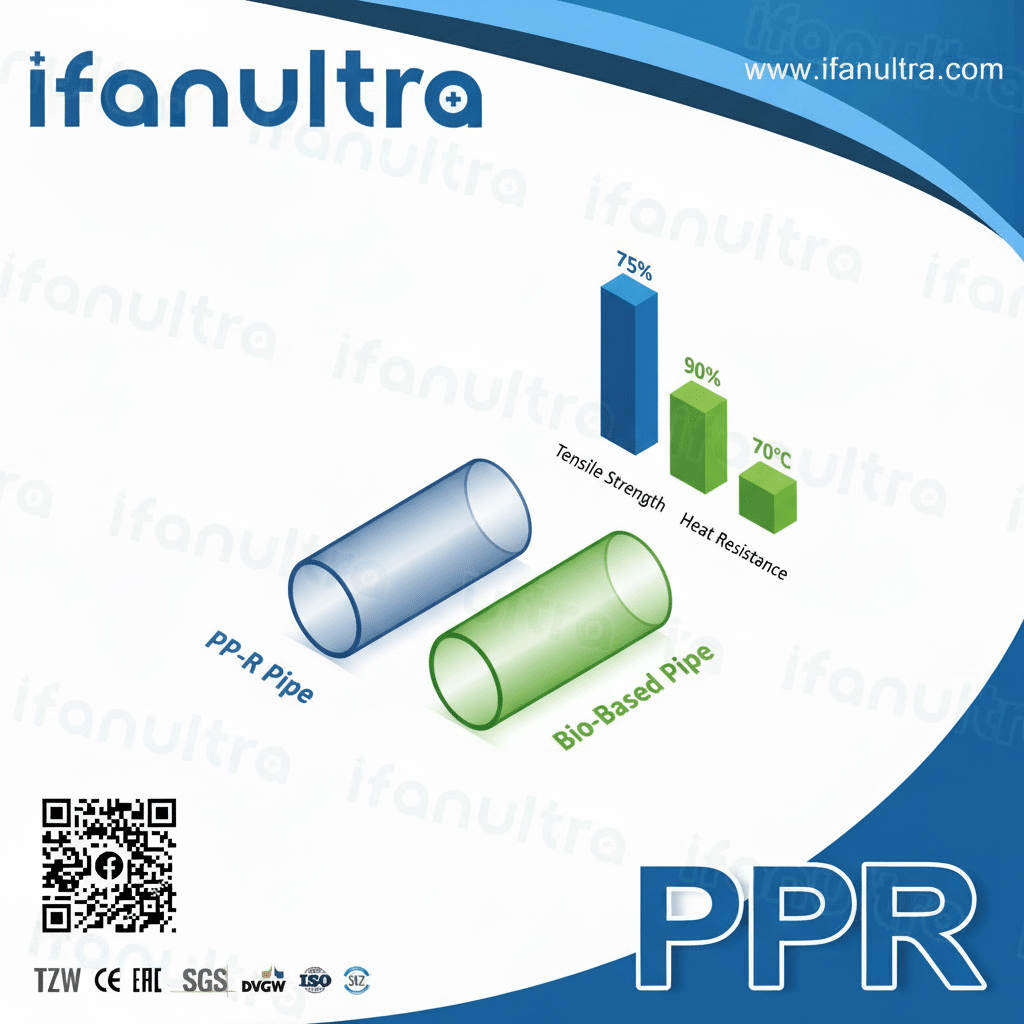
Bio-based pipes generally have lower mechanical strength, reduced heat resistance, and higher brittleness compared to traditional plastics like PP-R, PVC, or HDPE. For example, PLA typically softens around 60°C, far below the 95°C+ capability of PP-R. However, some PHA formulations are closing the gap, offering better flexibility and impact resistance, though they still lag in long-term creep resistance and pressure ratings.
Critical Performance Parameters for Pipes
To understand where bio-based materials stand, we need to compare specific properties that matter in real-world plumbing.
Temperature Resistance:
Traditional hot water pipes must handle sustained temperatures up to 70°C and short-term spikes to 95°C.
- PP-R: Excellent, rated for continuous hot water up to 70°C.
- PLA: Poor, begins to soften and deform around 50-60°C. Unsuitable for hot water.
- PHA: Variable, generally better than PLA but still well below PP-R for sustained high temperatures.
Pressure Rating (Long-Term Strength):
Pipes must resist internal water pressure for 50+ years without deforming or bursting.
- PP-R: Proven long-term hydrostatic strength with extensive testing data.
- PLA: Poor creep resistance; tends to deform under sustained load over time.
- PHA: Improving but lacks decades of long-term testing data; currently suitable only for low-pressure or non-pressurized applications.
Impact Resistance and Flexibility:
Pipes need to survive installation and ground movement without cracking.
- PP-R: Good impact strength, especially at room temperature; some flexibility.
- PLA: Brittle, especially at lower temperatures or after aging.
- PHA: Often more flexible and impact-resistant than PLA, closer to traditional polyolefins.
Mechanical Property Comparison Table
| Property | PP-R (Traditional) | PLA (Bio-Based) | PHA (Bio-Based) | PVC (Traditional) |
|---|---|---|---|---|
| Max Service Temperature | 70°C continuous | 50°C max | 60-70°C (varies) | 60°C |
| Tensile Strength | High (25-30 MPa) | Moderate (50-70 MPa but brittle) | Moderate (20-40 MPa) | High (40-60 MPa) |
| Flexibility | Moderate | Low (brittle) | Moderate to High | Moderate |
| Impact Resistance | Good | Poor | Moderate | Good |
| Long-Term Creep Resistance | Excellent | Poor | Moderate | Excellent |
Practical Implications
For a homeowner or builder, these differences matter significantly. A PLA pipe might work for a temporary garden irrigation line that you drain before winter. However, it would fail quickly in a hot water application. PHA shows more promise but still requires careful application selection.
At IFAN, our approach prioritizes proven performance. We recommend traditional PP-R for permanent systems where reliability is essential. For temporary applications, we advise clients to carefully evaluate whether bio-based options meet their specific performance requirements.
What Are the Degradation Mechanisms and Timelines for Biodegradable Pipes?
This is where things get tricky. Biodegradation sounds simple, but the reality involves complex chemistry and specific environmental conditions.
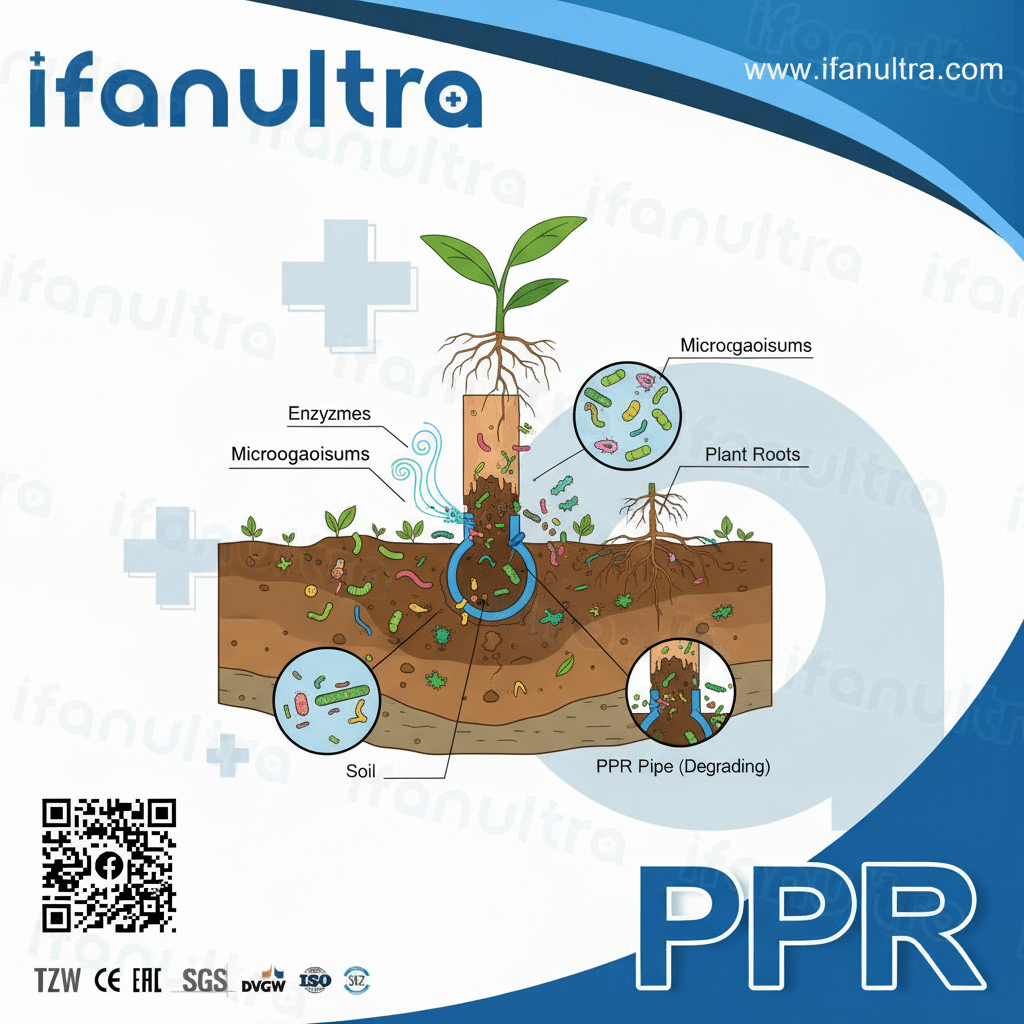
Biodegradable pipes degrade through mechanisms including hydrolysis (reaction with water), enzymatic attack by microorganisms, and photodegradation from UV exposure. Timelines vary dramatically based on material and environment: PLA requires industrial composting conditions (58°C+ , humidity) to degrade in months, while some PHA can degrade in soil or marine environments over months to years. Critically, degradation is not desired during the pipe’s service life, requiring controlled triggers.
Understanding the Science of Degradation
For a pipe to be useful, it must resist degradation during its intended service life. Then, at end-of-life, it should degrade. This creates a fundamental engineering challenge.
Hydrolysis:
Water molecules attack the polymer chains, breaking them into smaller pieces.
- PLA: Susceptible to hydrolysis, especially at elevated temperatures. This is why PLA forks feel brittle after a dishwasher cycle. For pipes, this means water contact itself can initiate degradation.
- PHA: More resistant to hydrolysis, which is why it performs better in moist environments.
Enzymatic and Microbial Attack:
Microorganisms secrete enzymes that break down polymer chains, then consume the smaller molecules.
- PLA: Requires elevated temperatures (above 58°C) for significant microbial activity. In soil or cold water, PLA degrades very slowly.
- PHA: Many microorganisms naturally produce enzymes that degrade PHA. It can biodegrade in soil, compost, and even marine environments at moderate temperatures.
Photodegradation:
UV radiation from sunlight breaks chemical bonds, making the material brittle and prone to fragmentation.
- Most bioplastics are susceptible to UV damage, requiring protection if used outdoors.
Degradation Timelines by Material and Environment
The table below shows approximate degradation timelines under different conditions:
| Material | Industrial Compost (58°C, humidity) | Soil (ambient) | Marine Water | Landfill |
|---|---|---|---|---|
| PLA | 3-6 months | Years to decades | Slow | Very slow |
| PHA | 1-6 months | 6 months – 2 years | 6 months – 2 years | Years |
| Starch Blends | 1-3 months | 6 months – 2 years | Months – years | Years |
| Traditional PP-R | Does not degrade | Does not degrade | Does not degrade | Does not degrade |
The Service Life Challenge
The critical question for piping is: how do we ensure the pipe lasts 1, 5, or 10 years in use, then degrades quickly after disposal? This requires degradation triggers that activate only at end-of-life.
Some approaches include:
- Additives: Incorporating pro-degradant additives that activate after a set time or under specific conditions.
- Multilayer Structures: Using a thin biodegradable layer with a conventional core, though this complicates recycling.
- Controlled Environments: Designing for applications where service conditions are mild and disposal conditions are controlled (e.g., agricultural mulch tubes collected for industrial composting).
IFAN’s Practical View
We believe biodegradable pipes have a place, but expectations must align with reality. A pipe buried in cold, dry soil will not degrade quickly regardless of marketing claims. For clients seeking sustainable options, we discuss both biodegradable materials for appropriate temporary uses and highly durable, recyclable PP-R for permanent systems where long life itself is the most sustainable outcome.
In Which Temporary or Low-Pressure Applications Are They Most Viable Today?
Given current limitations, biodegradable pipes are not ready for permanent home plumbing. However, they do offer real value in specific applications.
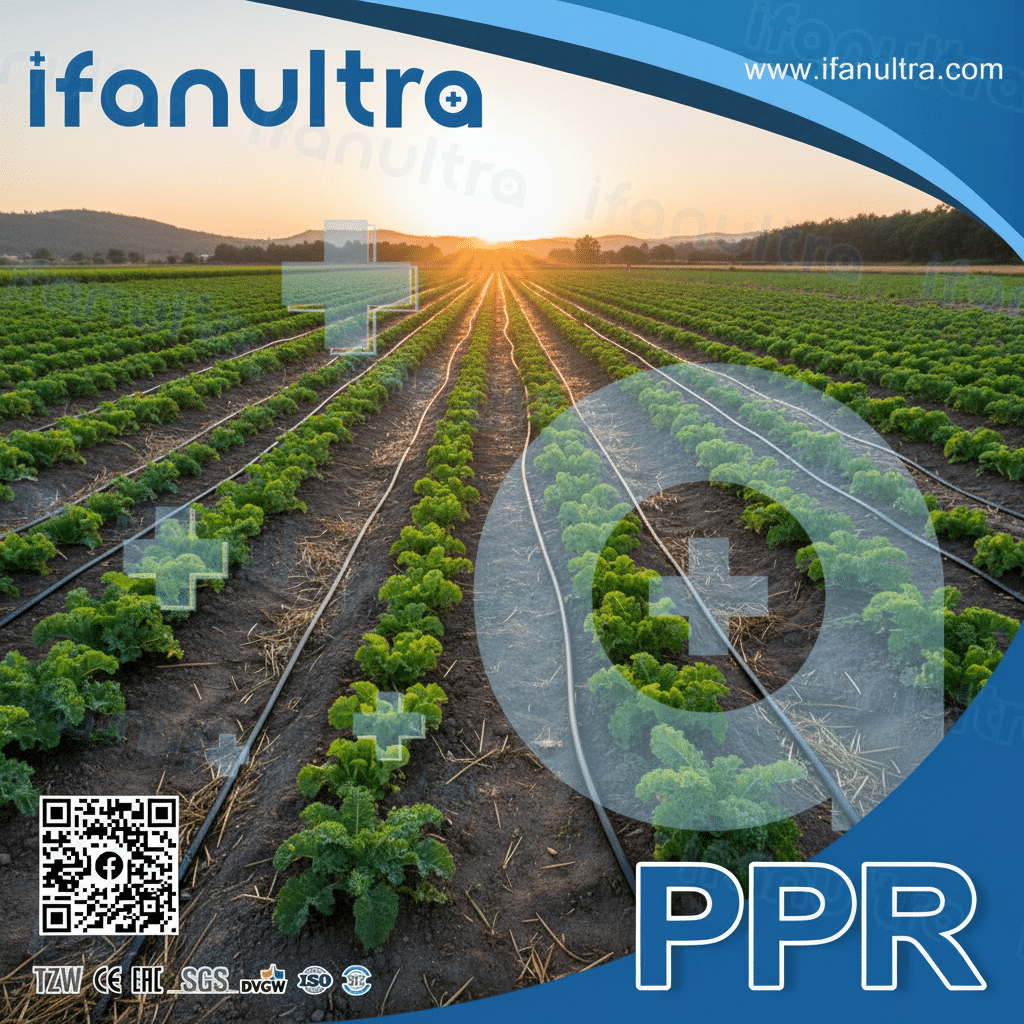
Today, biodegradable pipes are most viable in temporary, low-pressure, or controlled applications such as agricultural irrigation lines that are removed and composted seasonally, temporary construction site drainage, landscaping drainage for annual plantings, and single-use fluid transfer in industrial or research settings where disposal after use is beneficial.
Current Viable Applications by Sector
Agriculture and Horticulture:
This is the most promising current market for biodegradable pipes.
- Seasonal Drip Irrigation: Pipes used for one growing season, then tilled into the soil to biodegrade. Eliminates labor for removal and disposal.
- Mulch Film Integration: Some systems combine biodegradable mulch film with integrated irrigation tubing.
- Greenhouse Drainage: Temporary drainage lines for potted plants that are replaced seasonally.
Construction and Temporary Works:
- Site Dewatering: Temporary pipes to move water away from excavations during construction. After project completion, they can be collected for composting.
- Concrete Curing Lines: Pipes used for water supply during concrete curing, then disposed of.
- Temporary Bypass Lines: When permanent pipes need replacement, biodegradable lines can provide temporary service during the transition.
Specialized Industrial and Research Uses:
- Single-Use Bioprocessing: In pharmaceutical or biotech manufacturing, single-use tubing for sterile fluid transfer that can be composted after use.
- Laboratory Drainage: Temporary drainage for experiments using non-hazardous fluids.
- Event and Temporary Installations: Pipes for temporary water features, festival infrastructure, or emergency relief where long-term recovery is not required.
Application Suitability Matrix
| Application | Pressure | Temperature | Service Life | Bio-Pipe Viability | Notes |
|---|---|---|---|---|---|
| Seasonal Drip Irrigation | Low | Ambient | 3-12 months | High | Ideal fit; disposal via tilling |
| Temporary Construction Drainage | Low | Ambient | 1-24 months | Moderate | Good if collection/composting is planned |
| Greenhouse Drainage | Non-pressurized | Ambient | 6-24 months | Moderate | Requires controlled disposal |
| Landscape Drainage (Annual Beds) | Non-pressurized | Ambient | 6-12 months | High | Replaced with planting cycles |
| Temporary Hot Water | Any | >50°C | Any | Not viable | Current materials unsuitable |
| Permanent Residential Plumbing | Moderate | Hot/Cold | 50+ years | Not viable | Not ready; use PP-R |
Practical Recommendations for Adopters
If you are considering biodegradable pipes for a project, follow these guidelines:
- Verify Degradation Conditions: Ensure your disposal pathway matches the material’s requirements. Compostable PLA needs an industrial composter, not a backyard pile.
- Check Temperature Limits: Never use current bio-pipes for hot water. Even warm water can accelerate unwanted degradation.
- Confirm Chemical Compatibility: Some bio-polymers are sensitive to certain chemicals, fertilizers, or pesticides.
- Plan the End-of-Life: Biodegradable does not mean “disappears instantly.” You still need a plan for collection and proper disposal or composting.
- Source Certified Materials: Look for certifications like “compostable” (ASTM D6400 or EN 13432) to ensure real performance.
IFAN’s Guidance for Clients
When clients ask about biodegradable options, we help them evaluate:
- Is the application truly temporary, or does it just seem that way?
- Does the local infrastructure exist to properly compost or degrade the material after use?
- Would a durable, recyclable pipe that lasts 50 years actually have a lower environmental impact?
For permanent installations requiring proven reliability, we confidently recommend IFAN’s PP-R piping systems. For temporary niche applications, we advise on selecting appropriate bio-based materials and ensuring proper end-of-life management.
Conclusion
Biodegradable and bio-based pipes exist but remain limited to temporary, low-pressure applications today. For permanent, reliable plumbing systems requiring decades of service, choose IFAN’s certified PP-R pipes for proven performance and peace of mind.









 English
 Español
 Français
 Português do Brasil