
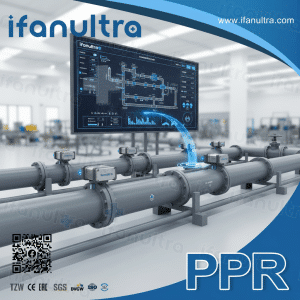
I once spent three days locating a hidden slab leak that wasted thousands of gallons of water. That nightmare taught me just how critical modern leak-detection technology has become.
The latest advancements in leak-detection technology include acoustic sensors that “hear” escaping fluids, fiber optic cables that detect temperature and strain changes along pipelines, AI algorithms that pinpoint leak locations with high accuracy, and smart meter networks that monitor entire water systems in real-time. These technologies work together to find leaks faster and more precisely than ever before.
Let’s explore how each of these innovations is changing the way we protect our plumbing systems from water damage.
How Do Acoustic Sensors Detect the Sound of Escaping Fluid in Pipelines?
Water escaping from a pipe creates a distinct sound. I’ve listened for these sounds with a mechanic’s stethoscope, but modern sensors do this far better.
Acoustic sensors detect leaks by picking up the specific sound frequencies created when pressurized fluid escapes through a hole or crack in a pipe. These sensors, often placed at regular intervals along a pipeline or at access points like fire hydrants, use sensitive microphones or accelerometers to capture the sound. Advanced filters then isolate the leak noise from background environmental sounds.

How Leak Sounds Travel Through Pipes
When water forces its way out of a pipe under pressure, it creates a distinct acoustic signature. This sound travels in two ways. First, it travels through the water itself as a vibration. Second, it travels through the pipe wall as a structure-borne sound. The type of sound depends on the pipe material, the size of the leak, and the water pressure.
Metal pipes transmit sound very well. You can hear a leak from far away. Plastic pipes like PP-R, however, dampen sound more. This makes acoustic detection slightly more challenging but still very effective with modern sensors.
Acoustic sensors fall into two main categories:
1. Ground Microphones: These are handheld devices that technicians place directly on the ground above the pipe. They amplify the sound of the leak. The technician moves along the pipe path until the sound reaches its maximum volume. This indicates the leak location.
2. Fixed Acoustic Sensors: These install permanently on the pipe at set intervals. They continuously listen for leak sounds and transmit data back to a central monitoring station. This allows for 24/7 surveillance without human presence.
The Challenge of Background Noise
The main difficulty with acoustic detection is filtering out other sounds. Traffic, construction, wind, and even normal water flow can mask leak sounds.
Modern sensors solve this with sophisticated filters. They analyze the frequency spectrum of the sound. Leaks typically produce a broader range of frequencies than normal flow. The sensors also use correlation techniques. By measuring the time it takes for the sound to reach two different sensors, the system can calculate the exact leak location between them.
The table below shows typical leak sounds for different pipe materials:
| Pipe Material | Sound Transmission | Typical Leak Frequency | Detection Range |
|---|---|---|---|
| Metal (Copper, Steel) | Excellent | 500-5000 Hz | Up to 300 meters |
| Plastic (PP-R, PVC) | Moderate | 50-1000 Hz | Up to 100 meters |
| Concrete | Poor | 20-500 Hz | Up to 50 meters |
What Role Do Fiber Optic Cables Play in Distributed Temperature and Strain Sensing?
Fiber optics are not just for high-speed internet. They now serve as the nervous system of modern pipelines.
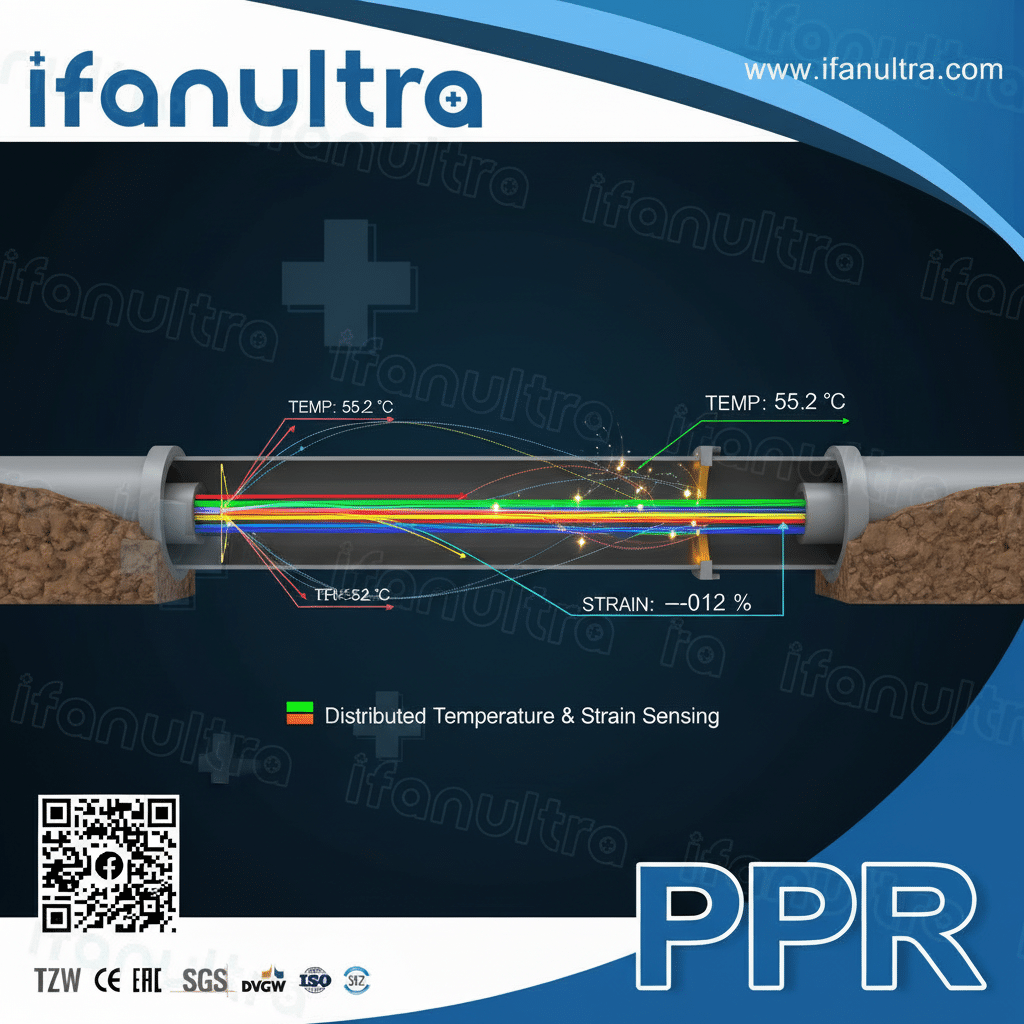
Fiber optic cables act as continuous sensors along pipelines by measuring tiny changes in temperature and mechanical strain. When a leak occurs, escaping fluid often changes the temperature of the surrounding soil or pipe wall. Similarly, ground movement or the leak itself can create strain on the pipe. The fiber optic cable detects these changes at any point along its length, allowing for precise leak location.
The Science of Distributed Sensing
Traditional sensors measure conditions at a single point. Fiber optic sensing, however, turns the entire cable into thousands of individual sensors. This is called distributed sensing.
Here is how it works. A laser sends pulses of light down the fiber optic cable. As the light travels, tiny imperfections in the glass fiber reflect a small amount of light back to the source. This is called backscatter. The characteristics of this backscattered light change with temperature and strain.
By analyzing the time it takes for the light to return and the changes in its properties, the system can determine the exact location and magnitude of temperature or strain changes. This gives pipeline operators a continuous profile of conditions along the entire pipeline length.
Two Main Types of Fiber Optic Sensing
Distributed Temperature Sensing (DTS): DTS measures temperature continuously along the cable. If a hot water pipe leaks, the surrounding area gets warmer. If a cold water pipe leaks, the area gets cooler. DTS detects these temperature anomalies immediately. This works especially well for buried pipelines where visual inspection is impossible.
Distributed Acoustic Sensing (DAS): DAS actually measures vibrations along the cable. It can hear the acoustic signature of a leak, similar to acoustic sensors. But because it provides continuous coverage, it catches leaks that might fall between discrete sensors.
Advantages Over Traditional Methods
Fiber optic sensing offers several key benefits:
| Benefit | Description |
|---|---|
| Continuous Coverage | No gaps between sensors; every meter of pipe is monitored. |
| Real-Time Alerts | Immediate notification of temperature or strain changes. |
| Long Range | Single cables can monitor 50+ kilometers of pipeline. |
| Immunity to Interference | Fiber optics are not affected by electromagnetic interference. |
| Passive Operation | No power needed along the cable; only at the interrogation unit. |
For large-scale water transmission lines, fiber optic sensing has become the gold standard. It provides unparalleled visibility into pipeline health.
How Are AI and Machine Learning Improving the Accuracy of Leak Location?
Data is useless without interpretation. This is where artificial intelligence transforms raw sensor readings into actionable intelligence.
AI and machine learning improve leak detection accuracy by analyzing vast amounts of sensor data to distinguish between actual leaks and false alarms. These systems learn from historical data, recognizing patterns that human operators might miss. Over time, they become better at identifying the unique signatures of different leak types, sizes, and locations, while filtering out normal operational noise.

From Data Overload to Actionable Insights
Modern pipelines generate enormous amounts of data. Acoustic sensors, flow meters, pressure transducers, and fiber optic cables all produce continuous streams of information. A human operator cannot possibly monitor all this data in real-time.
AI solves this problem. Machine learning algorithms process the data automatically. They look for patterns that indicate a leak. Importantly, they learn what “normal” looks like for each specific pipeline. Normal varies by time of day, season, and usage patterns. A pressure drop at 3 AM might indicate a leak, while the same drop at 8 AM could be normal morning demand.
How Machine Learning Models Work
The AI system trains on historical data. Engineers feed it examples of:
- Normal operating conditions
- Confirmed leak events
- False alarms (construction noise, pressure adjustments)
- Different pipe materials and diameters
- Various soil conditions
The algorithm identifies the features that distinguish leaks from non-leaks. It might learn that a leak in a PP-R pipe produces a specific frequency signature, while a leak in a metal pipe sounds different. It might recognize that pressure drops accompanied by certain acoustic patterns are more likely to be real leaks.
Continuous Improvement
The beauty of machine learning is that it improves with experience. Each new leak event provides more training data. The system compares its predictions with actual outcomes and adjusts its models accordingly.
Some advanced systems now use neural networks, which mimic the way the human brain processes information. These can detect subtle correlations that simpler algorithms miss.
The table below shows how AI improves key detection metrics:
| Metric | Traditional Methods | With AI/ML | Improvement |
|---|---|---|---|
| False Alarm Rate | 30-50% | 5-15% | 70% reduction |
| Detection Time | Hours to days | Minutes to hours | 90% faster |
| Location Accuracy | ±50 meters | ±10 meters | 80% more precise |
| Small Leak Detection | Difficult for <5 L/min | Possible for <1 L/min | 5x more sensitive |
Can Smart Water Meters and Pressure Sensors Create a Network-Wide Leak Alert System?
Individual sensors protect specific pipes. But what about the entire water network? Smart meters now provide this broader view.
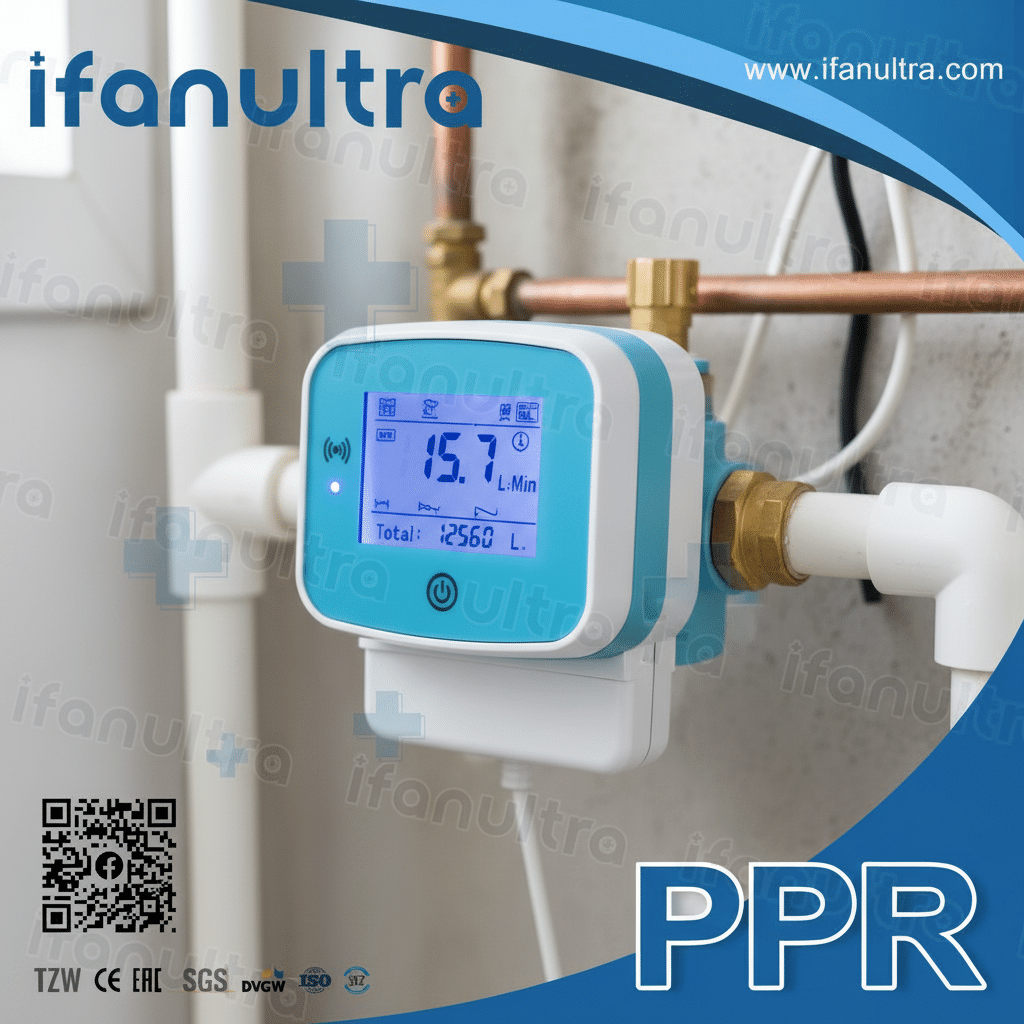
Yes, smart water meters and pressure sensors can create a network-wide leak alert system by continuously monitoring flow and pressure at multiple points throughout the distribution system. When these devices communicate with each other, they can identify anomalies like continuous low-flow conditions that indicate leaks, sudden pressure drops that suggest pipe bursts, or unusual consumption patterns at individual properties.
The Internet of Things Comes to Plumbing
Smart meters are part of the Internet of Things (IoT). They connect wirelessly to a central system, reporting consumption data at regular intervals. This represents a huge advance over traditional meters, which require manual reading and provide only monthly totals.
With smart meters, utilities and building managers can see water use in near real-time. They can detect when a home uses water continuously for hours, which might indicate a toilet leak or a slab leak. They can compare usage patterns across similar properties to identify outliers.
Three Levels of Network Monitoring
1. Customer-Side Monitoring: Smart meters at individual homes or businesses track consumption patterns. The system can send alerts to homeowners if it detects continuous flow when the property should be unoccupied. Some systems can even automatically shut off water when a leak is detected.
2. District Metered Areas (DMAs): Utilities divide their networks into zones, each with a master meter and pressure sensor. By comparing total water entering the zone with the sum of all customer meters, they can calculate losses. This is called minimum night flow analysis. At night, when consumption is lowest, any significant flow likely indicates leaks.
3. Transmission Main Monitoring: Pressure sensors along major transmission lines detect sudden drops that indicate bursts. These sensors trigger automatic valve closures to isolate the damaged section and minimize water loss.
The Power of Data Integration
The real magic happens when all these data sources combine. Imagine a system that:
- Detects a pressure drop at a transmission main sensor
- Confirms with acoustic sensors in that area
- Checks customer meter data to rule out increased demand
- Alerts the control room with the exact location
- Dispenses repair crews automatically
This level of integration is already happening in progressive water utilities. The technology exists. The challenge is implementation and cost.
The table below summarizes the three levels of smart monitoring:
| Monitoring Level | Devices Used | What It Detects | Alert Type |
|---|---|---|---|
| Customer Level | Smart meters | Continuous flow, high usage patterns | Customer notification, potential auto-shutoff |
| District Level | District meters, pressure sensors | Network losses, zone anomalies | Utility dispatch for investigation |
| Transmission Level | Pressure transducers, flow meters | Sudden pressure drops, pipe bursts | Emergency response, automatic valve closure |
Practical Advice for Building Owners
You don’t need to wait for your utility to upgrade. Building-level systems are now affordable and effective. Consider installing:
- Whole-building water monitors that attach to your main water line and track usage
- Individual fixture sensors that detect leaks at toilets, faucets, and appliances
- Automatic shutoff valves that close when they detect abnormal flow
These systems pay for themselves quickly by preventing water damage and reducing waste.
Conclusion
Modern leak detection combines acoustic sensors, fiber optics, AI analysis, and smart metering into comprehensive protection systems. For new construction or retrofits, choose plumbing components that integrate with these technologies, such as IFAN’s PP-R piping systems, which provide stable platforms for sensor installation and long-term reliability.









 English
 Español
 Français
 Português do Brasil