
I remember the day a small leak in our plant’s cooling line turned into a major shutdown. The repair bill was one thing, but the fight with our insurer over coverage was another battle entirely.
Key insurance considerations for industrial piping systems include securing specialized policies like boiler & machinery or pollution liability, understanding how pipe age and material impact premiums, knowing common exclusions like wear and tear, and leveraging a documented maintenance program to reduce costs and secure better coverage.
That experience taught me that insuring industrial pipes isn’t just a box to check. It’s a strategic decision that can protect your business from financial ruin or leave you dangerously exposed. Let’s break down exactly what you need to know to make smart, cost-effective choices for your operation.
What types of insurance cover industrial piping systems?
When our claim was initially denied, I learned the hard way that a standard property policy often isn’t enough. Pipes are unique, and they need unique protection.
Industrial piping systems are primarily covered under specialized policies like Boiler & Machinery (or Equipment Breakdown) and Pollution Liability insurance. They may also be partially addressed under standard Commercial Property insurance, but this coverage is often limited and filled with exclusions for the specific failures common in piping systems.
Boiler & Machinery Insurance: Your First Line of Defense
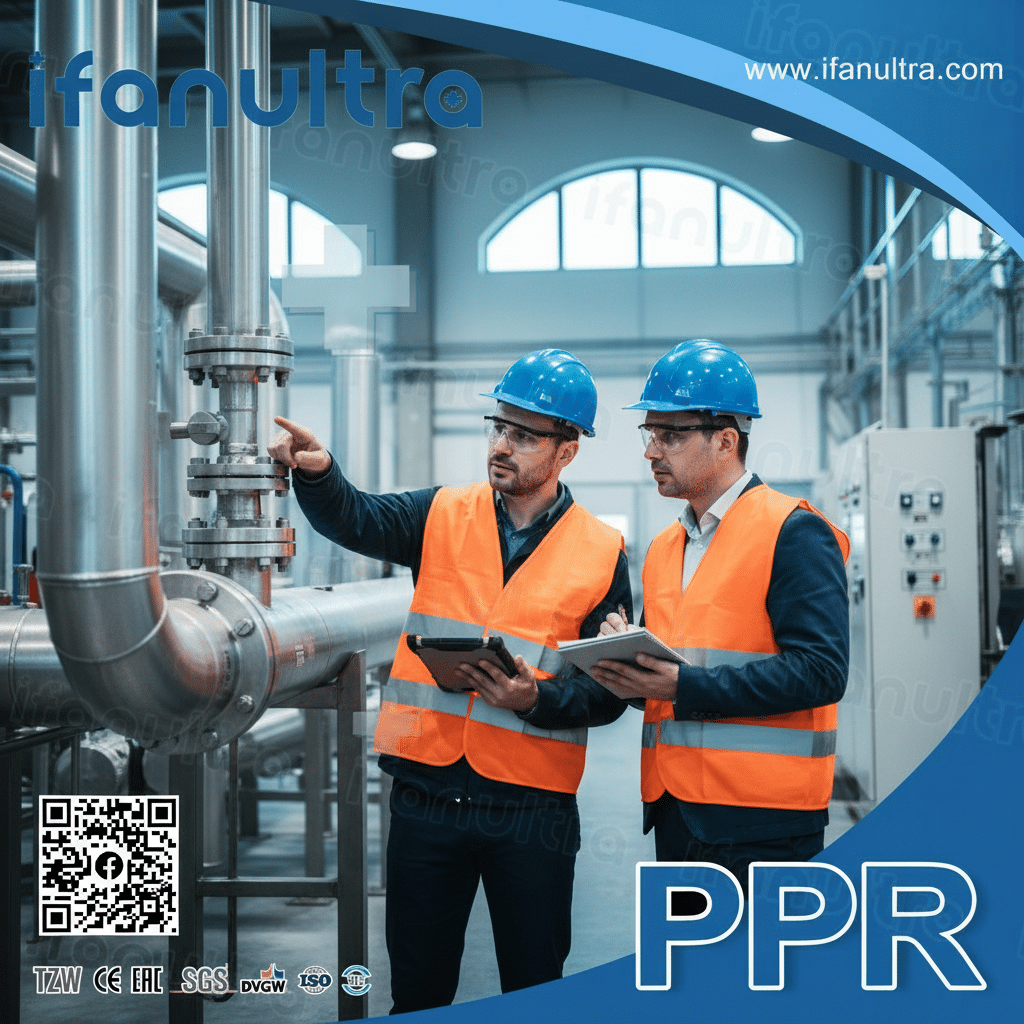
This is the most critical policy for active piping systems. Don’t let the name fool you. Modern “Boiler & Machinery” or “Equipment Breakdown” policies are designed for complex mechanical and electrical equipment, including the vast networks of pipes in your facility. The core idea is sudden and accidental breakdown. This covers the physical damage to the pipes themselves from events like a sudden rupture, a massive corrosion failure, or a control system malfunction that causes overpressure.
More importantly, it covers the consequential damage. When a high-pressure steam line fails, it doesn’t just damage the pipe. It can destroy surrounding machinery, ruin inventory, and halt production for weeks. Boiler & Machinery insurance covers these downstream losses, which are often far more expensive than the pipe repair. It can also cover the extra expense of getting temporary equipment or working overtime to get back online.
Commercial Property Insurance: Know the Limits
Your building’s property insurance might provide some coverage for pipes, but it’s usually narrow. It typically only covers damage from a limited set of “named perils” like fire, lightning, or a vehicle crashing into your building. The slow creep of corrosion? A valve failing due to fatigue? Most standard property policies explicitly exclude these. They view piping as part of the building’s plumbing or infrastructure, subject to wear and tear, which is not an insurable event under a basic policy. Relying solely on property insurance for your piping is a major risk.
Pollution Liability Insurance: For When Contents Escape
This is non-negotiable if your pipes carry anything hazardous—chemicals, fuels, oils, or even large volumes of heated water that could impact the environment. If a pipe fails and the contents leak into the ground, a waterway, or even just inside your building requiring a costly hazmat cleanup, your general liability policy will likely deny the claim. Pollution Liability is designed for this. It covers the cleanup costs, third-party bodily injury, and property damage resulting from the pollution event. Given the strict environmental regulations and massive cleanup costs, this policy can save your business from bankruptcy.
| Insurance Type | What It Covers (for Piping) | What It Typically Excludes | Best For |
|---|---|---|---|
| Boiler & Machinery | Sudden physical breakdown of pipes, consequential damage to other equipment/business income, expediting repairs. | Gradual deterioration, wear and tear, lack of maintenance, design flaws. | Active process lines, steam systems, high-pressure lines, critical circulation loops. |
| Commercial Property | Direct physical damage from named perils like fire, explosion, or aircraft impact. | Any mechanical breakdown, leakage, corrosion, or freezing. | Basic building supply/drain lines (as part of the structure), but with limited utility. |
| Pollution Liability | Cleanup costs and third-party liability from leakage of hazardous materials from pipes. | Gradual pollution known to the owner, intentional non-compliance. | Systems carrying oils, chemicals, fuels, or any environmentally regulated substance. |
Choosing the right mix depends entirely on your system’s function. A closed-loop heating water system might prioritize Boiler & Machinery coverage. A chemical processing plant needs strong Boiler & Machinery and Pollution Liability. The key is to talk to your broker about the specific contents, pressures, and risks of your pipes—don’t just assume they’re covered.
After our incident, our premiums skyrocketed. The insurer pointed to our 30-year-old carbon steel pipes as the main reason. Age and material are the two biggest factors an underwriter looks at.
Older pipes and certain susceptible materials (like bare carbon steel) significantly increase insurance premiums due to a higher perceived risk of failure. Newer pipes and corrosion-resistant materials (like stainless steel or FRP) can lower premiums, as they indicate reduced risk and longer remaining service life.
The Age Factor: It’s More Than Just a Number
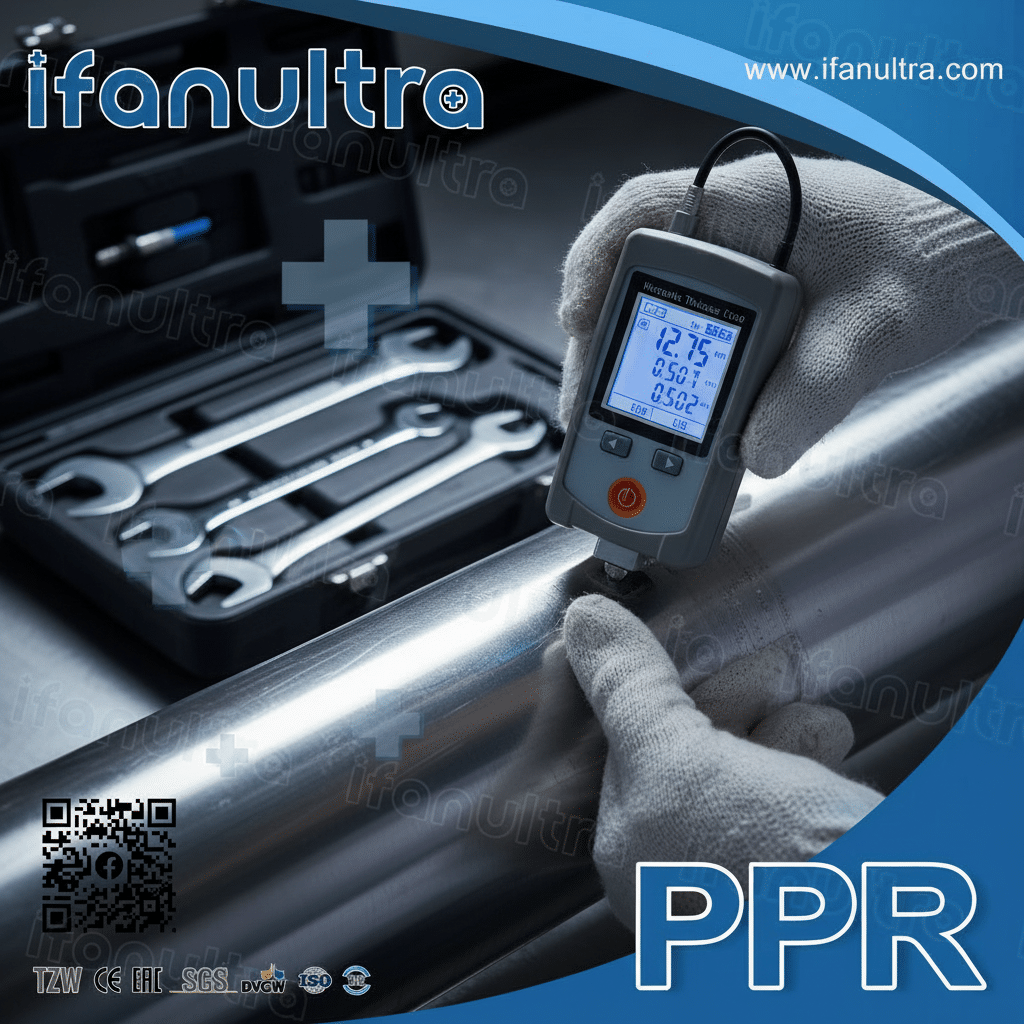
Insurers don’t just see an old pipe; they see a ticking clock. With age comes cumulative wear: fatigue from pressure cycles, thinning walls from erosion, and the advanced stages of corrosion. The statistical probability of a failure increases exponentially after a system passes its expected design life. An underwriter will ask: When was the system installed? Has it been upgraded? What is the documented remaining life based on recent inspections? A plant with mostly original piping from the 1970s will pay a much higher premium than one that completed a phased piping replacement program in the last decade. Age is a proxy for risk, and insurers price accordingly.
Material Matters: The Corrosion Equation
The pipe material tells the insurer a story about its resilience. Standard carbon steel is strong and cheap but vulnerable to corrosion, especially in wet or chemical environments. This vulnerability means a higher risk of leaks and failures. Materials like 316L stainless steel, duplex stainless, or fiberglass-reinforced plastic (FRP) are far more resistant to corrosion. By specifying these materials, you’re actively reducing a primary failure mode. Insurers recognize this and often offer premium credits or more favorable terms. It’s proof that you’ve invested in risk mitigation at the design or replacement stage.
The Interaction: Age + Material + Service
The real assessment comes from combining these factors. A 20-year-old stainless steel line in a mild service might be considered lower risk than a 10-year-old carbon steel line carrying a corrosive acid. Insurers will look at the service environment (the fluid inside, temperature, pressure) alongside the material’s suitability. They love data. Providing documentation like corrosion rate calculations, material selection reports, or past inspection history that shows well-managed degradation can help argue for a lower premium, even on an older system.
| Pipe Material | Typical Risk Profile | Impact on Premium | Key Considerations for Underwriters |
|---|---|---|---|
| Carbon Steel | High (if uncoated/unlined) | Increases | Corrosion rates, inspection history, coating/lining condition, service environment (wet, acidic). |
| Stainless Steel (304/316) | Low to Moderate | Decreases or Neutral | Grade suitability for service, risk of chloride stress corrosion cracking, welding quality. |
| Fiberglass (FRP) | Low (for corrosives) | Decreases | UV degradation, mechanical impact damage, installation/joining quality. |
| PVC/CPVC | Low (for specific chemicals) | Decreases | Temperature/pressure limits, brittleness over time, support spacing. |
Ultimately, insurers are betting on the likelihood of a claim. By demonstrating—through material choice, maintenance records, and inspection data—that your pipes are a good bet, you can directly influence the cost of that bet.
What are common exclusions in piping system insurance policies?
Our initial claim denial letter was a crash course in exclusions. The words “wear and tear” and “gradual deterioration” felt like a trap we’d already fallen into.
Common exclusions in piping system insurance include wear and tear, gradual deterioration, corrosion, erosion, and mechanical breakdown due to lack of maintenance. Most policies also exclude design errors, faulty installation, and intentional damage. Understanding these exclusions is crucial to avoid coverage gaps.
The “Wear and Tear” Family of Exclusions
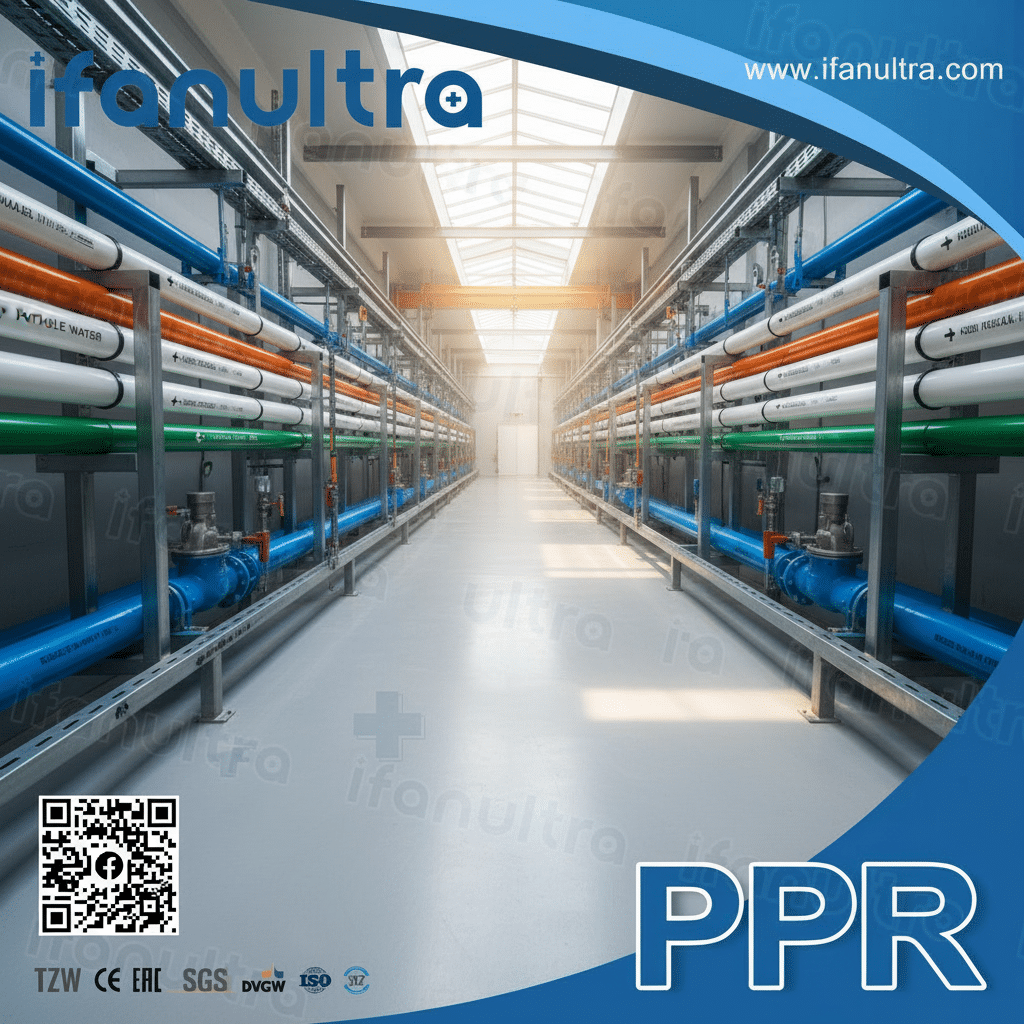
This is the most important category to understand. Insurance is designed for sudden, accidental, and unforeseen events. It is not a maintenance warranty. Therefore, any failure that results from the normal, expected aging of equipment is almost always excluded. This includes:
- Gradual Deterioration: The slow thinning of a pipe wall over 10 years until it finally leaks.
- Corrosion & Erosion: The chemical or mechanical wearing away of material. A pinhole leak from internal corrosion is not a covered “breakdown.”
- Fatigue: Cracking that develops over thousands of pressure cycles.
- Scale or Deposits: Buildup that gradually restricts flow and causes problems.
If you cannot prove the failure was sudden and unexpected—and not the culmination of a long, observable process—the claim will likely be denied.
Maintenance-Related Exclusions
Policies explicitly exclude damage resulting from a failure to maintain the equipment properly. If an inspector’s report from two years ago noted severe corrosion in a section of pipe and you did nothing, and that pipe then fails, the insurer will deny the claim. They will argue you failed to uphold your duty to protect the insured property. This also covers issues like:
- Freezing: Pipes that burst because they were not properly drained or insulated for winter.
- Overpressure from Operator Error: If a valve is mistakenly closed causing a pressure surge, and it’s found your staff wasn’t properly trained, coverage may be compromised.
- Lack of Testing: Not performing required safety valve tests or thickness measurements.
Design, Installation, and Material Defects
Insurance typically does not cover “inherent vice” or flaws that were present from the start. If a pipe fails because it was made from the wrong alloy for the service, that’s a design or specification error, not an insured event. Similarly, failures stemming from poor welding, improper support, or faulty installation are excluded. The recourse for these issues is usually against the engineer, fabricator, or installer, not your insurer. Some specialized “Inherent Defects” insurance exists, but it’s separate and rare.
| Exclusion Category | Specific Examples | How to Mitigate the Risk |
|---|---|---|
| Gradual Processes | Corrosion, erosion, scaling, fatigue cracking, galvanic corrosion. | Implement a predictive maintenance program (ultrasonic testing, corrosion coupons). Document all inspection findings and repairs. |
| Maintenance Neglect | Failure to act on inspection reports, not winterizing lines, missed safety valve tests. | Establish a formal, documented Preventive Maintenance (PM) schedule. Keep meticulous records of all work performed. |
| Inherent Flaws | Wrong material specification, defective manufacturing, poor weld quality, improper installation. | Use qualified vendors, insist on material certs, employ third-party inspection during construction/installation. |
The purpose of knowing these exclusions isn’t to accept them passively. It’s to structure your entire maintenance and documentation program to prove that any future failure was truly sudden and accidental, not a result of an excluded cause. Your records are your best defense in a claim dispute.
How can regular maintenance lower your insurance costs?
Once we implemented a rigorous inspection program, something remarkable happened: our renewal quote came in lower. The insurer saw we were now a partner in risk management, not just a risk.
Regular, documented maintenance lowers insurance costs by demonstrably reducing the risk of a failure. Insurers offer premium discounts for robust preventive and predictive maintenance programs, as they translate to fewer and smaller claims, making your facility a more attractive risk to insure.
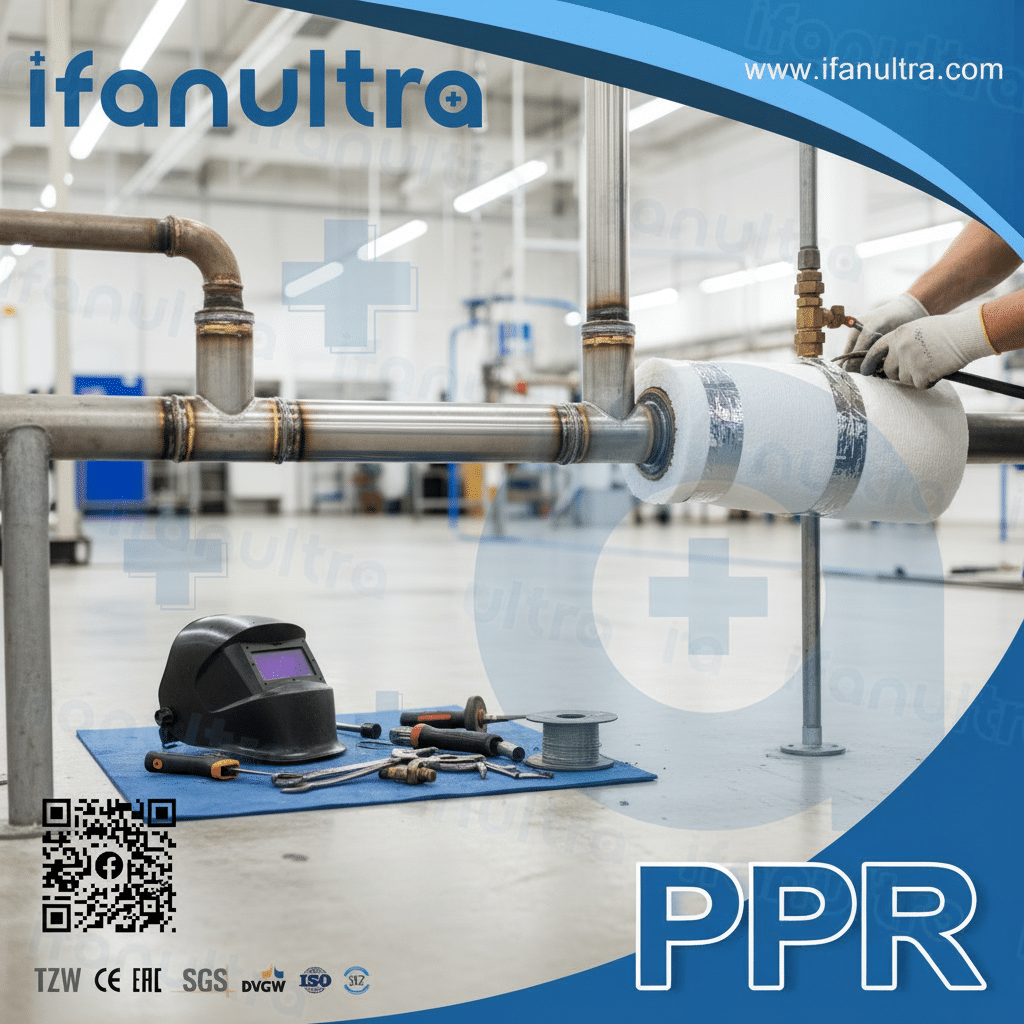
From Risk to Partner: The Underwriter’s Perspective
An insurance underwriter’s job is to assess risk. A piping system with no maintenance history is a black box—it could fail tomorrow or in 20 years; they don’t know. This uncertainty forces them to assume the worst-case scenario and price the premium accordingly. When you present a detailed, consistent maintenance log, you open the black box. You show them:
- You are proactively identifying issues (like measuring wall thickness).
- You are fixing small problems before they become big failures (replacing a section of corroded pipe during a planned shutdown).
- You have a culture of care and operational discipline.
This transforms you from a mere risk to a responsible partner who actively manages the risk. That partnership is rewarded with lower premiums.
Key Maintenance Activities That Insurers Love to See
Not all maintenance is equal in the eyes of an insurer. They value systematic, documented programs that target the primary failure modes of piping.
- Preventive Maintenance (PM): Scheduled tasks like lubricating valves, checking supports, cleaning strainers, and verifying insulation. This shows basic care and system stewardship.
- Predictive Maintenance (PdM): This is the gold standard. Techniques like Ultrasonic Thickness Testing (UTT) to track corrosion rates, vibration analysis on connected pumps, or thermography to find hot spots or cold spots. PdM provides quantitative data that predicts remaining life, allowing for planned, budgeted replacement instead of emergency repairs.
- Documentation & Record Keeping: This is non-negotiable. Every inspection, every test, every repair must be recorded with dates, findings, and actions taken. A digital Computerized Maintenance Management System (CMMS) is ideal. This history is your proof of due diligence.
How to Present Your Program for Maximum Discount
When it’s time for renewal, don’t just send the premium payment. Send a “Risk Management Dossier” for your piping systems. This should include:
- A summary of your maintenance philosophy and schedule.
- Highlights from recent inspection reports showing stable conditions or proactive repairs.
- Trend analysis from predictive tests (e.g., a graph showing minimal wall thickness loss over 5 years).
- Your annual maintenance budget, demonstrating financial commitment.
- Training records for personnel performing the work.
Ask for a meeting with your broker and the underwriter to walk them through it. This professional approach often leads to direct premium reductions or, at a minimum, more favorable terms and a higher likelihood of claim approval if something does go wrong.
The equation is simple: Proactive Maintenance = Reduced Risk = Lower Insurance Cost. It’s one of the few areas in business where spending money on care directly saves you money on protection.
Conclusion
Insuring industrial piping is about proactive risk management, not just reacting to disasters. The right coverage, informed by your system’s specifics and backed by solid maintenance, is your best financial safeguard.









 English
 Español
 Français
 Português do Brasil